Quick Facts
- Protein Winner: Walnuts (4.3g per oz).
- Omega-3 Powerhouse: Walnuts (2.5g ALA).
- Fiber King: Pecans (2.7g).
- Best for Keto: Pecans (High monounsaturated fat).
- Best for Brain: Walnuts.
- Winner for B6: Walnuts (+155% more than pecans).
| Nutrient (per oz) | Walnuts | Pecans | Winner |
|---|---|---|---|
| Protein | 4.3g | 2.6g | Walnuts |
| ALA (Omega-3) | 2.5g | 0.2g | Walnuts |
| Dietary Fiber | 1.9g | 2.7g | Pecans |
| Vitamin B6 | 0.15mg | 0.06mg | Walnuts |
| Net Carbs | 2.0g | 1.2g | Pecans |
When comparing walnuts vs pecans for protein content, walnuts are the superior high-protein snack. Walnuts provide approximately 4.3 grams of protein per ounce, while pecans offer about 2.6 grams. This higher protein density makes walnuts a more effective plant-based option for muscle maintenance and satiety in a balanced diet.
The Protein Showdown: Why Walnuts Win for Muscle Support
? Winner: Walnuts
When we look at the nutritional difference between pecans and walnuts from a muscle-building perspective, the data is clear. One ounce (28 grams) of walnuts contains approximately 4.3 grams of protein, whereas the same serving size of pecans provides about 2.6 grams. For those tracking their macros closely, walnuts are a more protein-dense snack than pecans, providing roughly 2.3 grams of protein for every 100 calories compared to 1.3 grams found in pecans.
On a standardized 100-gram basis, walnuts offer approximately 15.4 grams of protein, while pecans contain about 9.3 grams. This is significant because protein is the most satiating macronutrient. Choosing a plant-based snack with a higher protein-to-calorie ratio, like the walnut, can help suppress ghrelin (the hunger hormone) more effectively than lower-protein alternatives.
Beyond the raw numbers, the pecan vs walnut protein content discussion must include the quality of that protein. While all nuts are incomplete proteins—meaning they don't contain all nine essential amino acids in optimal proportions—walnuts offer a better balance of the micronutrient profile necessary for protein synthesis. For instance, walnuts are higher in lysine and arginine, amino acids that play roles in growth hormone release and blood flow. If you are specifically looking for pecan vs walnut protein for muscle growth, the walnut's higher density and amino acid profile make it the logical choice for a post-workout handful or a mid-day energy boost.
Omega-3s and Brain Health: The Walnut Advantage
? Winner: Walnuts
If you are evaluating walnuts vs pecans for brain health and memory, you have to look at the fatty acid composition. Walnuts are unique among tree nuts because they are a premier source of alpha-linolenic acid, which is a plant-based omega-3 fatty acid. In fact, a single ounce of walnuts provides 2.5 grams of ALA, meeting the daily recommended intake for most adults in one go. Pecans, by contrast, contain only about 0.2 grams of ALA per ounce.
The omega-3 fatty acids in walnuts vs pecans are critical because ALA is a precursor to longer-chain omega-3s like EPA and DHA. While the conversion rate in the human body is low, ALA itself has potent anti-inflammatory properties that help protect the brain from oxidative stress. This is vital for long-term cognitive function and the prevention of neurodegenerative issues.
Furthermore, the skin of the walnut is rich in polyphenols and antioxidants. These compounds work synergistically with polyunsaturated fats to reduce inflammation in the neural pathways. When we consider the micronutrient profile, walnuts contain significantly more vitamin B6 (pyridoxine) than pecans. Vitamin B6 is a crucial cofactor for neurotransmitter function, helping the body produce serotonin and norepinephrine, which regulate mood and energy metabolism. For anyone seeking a snack that supports mental clarity and long-term brain structure, walnuts are the gold standard.
Pecans for Heart Health and Weight Management
? Winner: Pecans
While walnuts win on protein and omega-3s, pecans have their own distinct advantages, particularly for those focused on pecans vs walnuts for keto diet success or digestive wellness. Pecans are slightly higher in dietary fiber, offering 2.7 grams per ounce compared to the 1.9 grams found in walnuts. This extra fiber is essential for maintaining a healthy microbiome and stabilizing blood sugar levels, which is why walnuts vs pecans for heart health benefits is a more nuanced debate than it first appears.
Pecans are exceptionally high in monounsaturated fats—the same heart-healthy fats found in olive oil and avocados. These fats are known for their ability to improve cholesterol ratios by lowering LDL (bad) cholesterol while maintaining or raising HDL (good) cholesterol. Because of their higher monounsaturated fat content and lower net carb count (1.2g per ounce), pecans are often the preferred nut for the ketogenic community.
For those interested in pecans vs walnuts for weight loss snacking, the pecan's high fat and fiber content can lead to prolonged satiety, even if the protein is lower. Pecans also boast a high antioxidant capacity, specifically in the form of gamma-tocopherols (a type of Vitamin E). This provides significant cardiovascular support by preventing the oxidation of cholesterol in the bloodstream, which is a key step in preventing plaque buildup in the arteries.
Culinary Profiles: Baking and Storage
The walnut vs pecan flavor profile for baking often dictates which nut ends up in the shopping cart regardless of the nutritional data. Pecans are famous for their sweet, buttery, and almost floral flavor. Their tender texture makes them ideal for desserts like pecan pie or as a topping for sweet potatoes. Because they are naturally sweeter, they pair excellently with maple syrup, cinnamon, and caramel.
Walnuts, on the other hand, have a more earthy, robust, and slightly bitter flavor, largely due to the tannins in their skin. This makes them excellent for balancing very sweet dishes or adding depth to savory ones. They provide a crunchier texture that holds up well in hearty breads, pesto sauces, and salads.
However, both nuts are prone to rancidity because of their high fat content. Walnuts, being higher in polyunsaturated fats, are particularly sensitive to heat and light. To preserve their anti-inflammatory properties and prevent oxidative stress in the body from rancid oils, it is best to store both nuts in the refrigerator or freezer. If you find a recipe calls for pecans but you only have walnuts, you can usually swap them 1:1, though you may want to toast the walnuts slightly to mellow their bitterness and mimic the richness of the pecan.
FAQ
Which is healthier: walnuts or pecans?
Both nuts are incredibly healthy, but they serve different goals. Walnuts are the healthier choice for brain health and protein intake due to their high omega-3 and protein levels. Pecans are arguably healthier for those on a strict keto diet or those needing extra dietary fiber for digestion.
What is the main difference between walnuts and pecans?
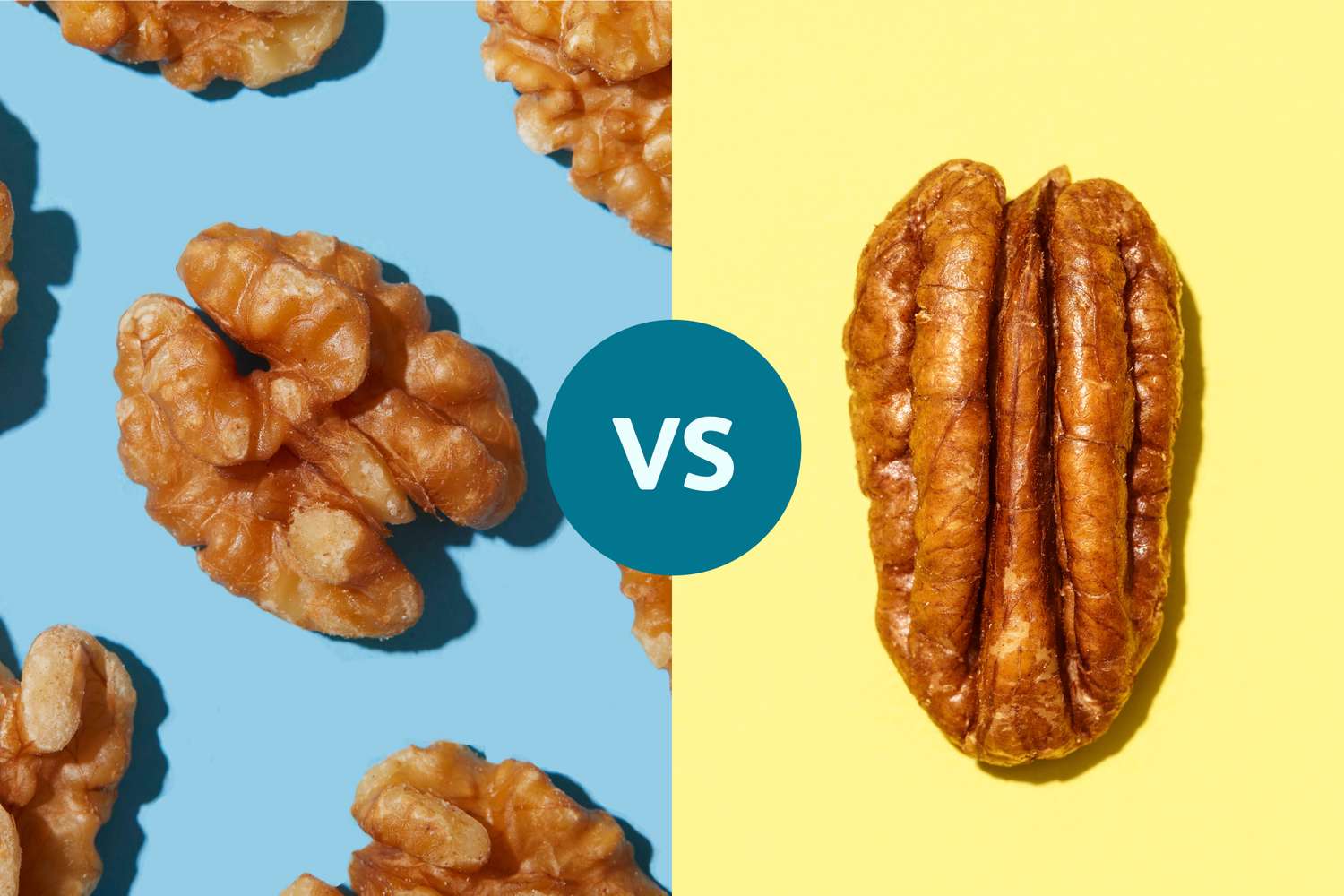
The main nutritional difference lies in their fat and protein profiles. Walnuts are higher in protein and omega-3 fatty acids, while pecans are higher in monounsaturated fats and fiber. Visually, walnuts are rounder and brain-shaped, whereas pecans are more oblong and smoother.
Which nut has more omega-3 fatty acids?
Walnuts contain significantly more omega-3 fatty acids than pecans. Walnuts provide about 2.5 grams of alpha-linolenic acid per ounce, while pecans provide less than 0.2 grams.
Which nut is better for weight loss: walnuts or pecans?
Walnuts are generally better for weight loss because they are more protein-dense, which helps with satiety and muscle maintenance. However, pecans are a strong contender for those on high-fat, low-carb diets like keto due to their low net carbohydrate count.
Are pecans sweeter than walnuts?
Yes, pecans have a naturally higher oil content and a milder, sweeter flavor profile compared to walnuts. Walnuts have a slight bitterness and an earthy finish caused by the tannins in their papery skins.
Can you use walnuts instead of pecans in a pie recipe?
You can use walnuts instead of pecans in a pie, but the flavor will be less sweet and more robust. You may need to increase the sweetener slightly to offset the natural bitterness of the walnuts, or toast them beforehand to improve their flavor profile.