Quick Facts
- Protein Winner: Cottage cheese generally provides 24 to 25 grams per cup, while Greek yogurt ranges from 20 to 24 grams.
- Gut Health: Greek yogurt is the clear winner due to the presence of live active cultures.
- Sodium Levels: Greek yogurt contains significantly less sodium (34–83mg) compared to cottage cheese (350mg).
- Digestive Speed: Cottage cheese provides slow-digesting casein; Greek yogurt provides faster-absorbing whey.
- Micronutrient Focus: Greek yogurt is superior for calcium; cottage cheese is a powerhouse for selenium.
- Texture Profile: Creamy and smooth (yogurt) versus chunky and curd-based (cottage cheese).
- Market Trends: In 2023, cottage cheese saw a 13% increase in volume sales, while Greek yogurt sales grew by approximately $2.8 billion.
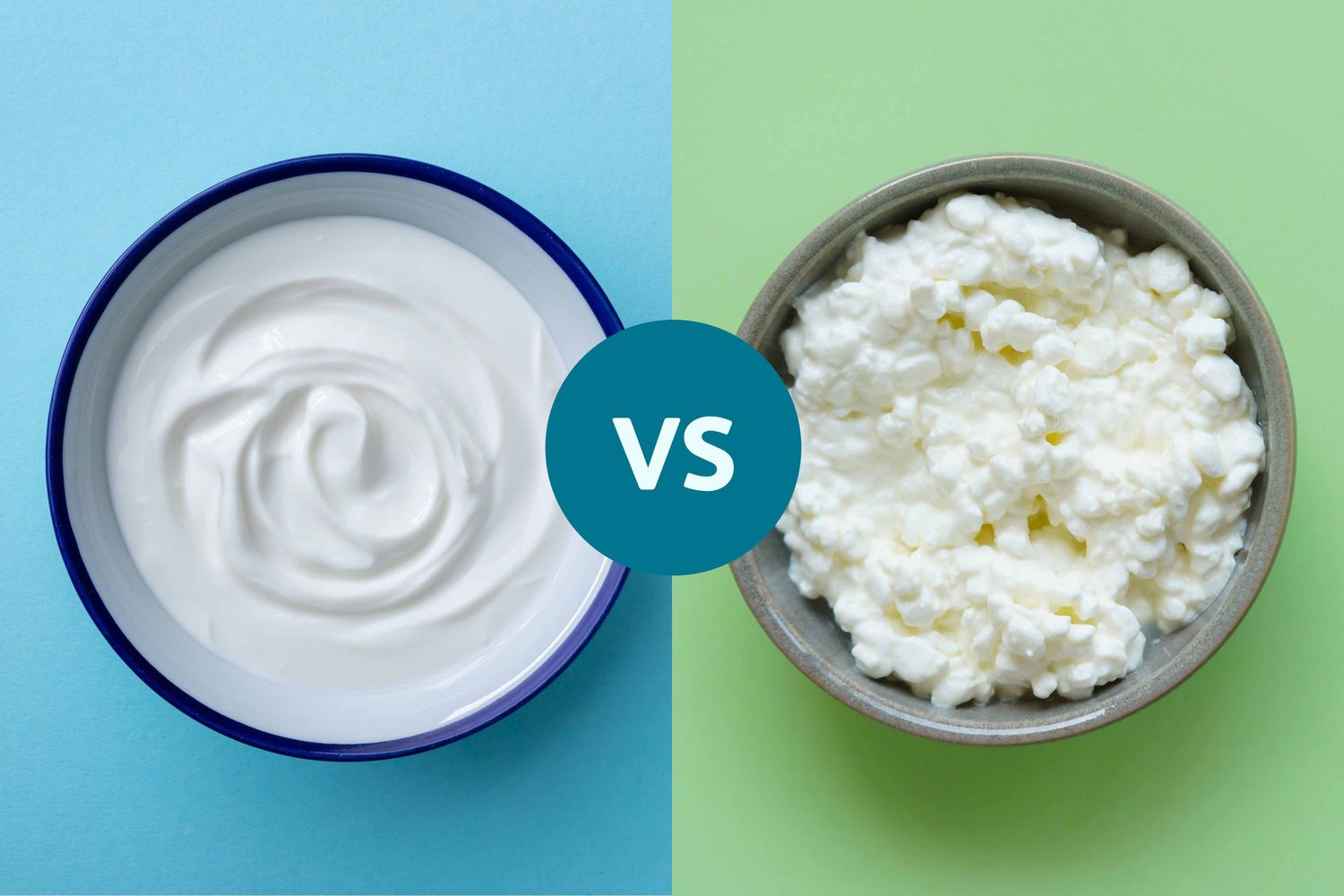
In the cottage cheese vs greek yogurt comparison, both serve as excellent high-protein snacks. Cottage cheese typically offers slightly more protein per serving, generally ranging from 24 to 25 grams per cup, while Greek yogurt provides between 20 and 24 grams. While cottage cheese is slightly lower in carbohydrates and sugar, it is significantly higher in sodium unless a low-sodium variety is chosen. For those looking at the nutritional benefits of cottage cheese and greek yogurt, your choice should depend on whether you prioritize probiotics for gut health or slow-digesting protein for overnight muscle recovery. Both are effective tools for weight loss due to their high satiety levels and nutrient density.
The Protein Powerhouse: Whey vs. Casein
When we look at the protein in greek yogurt vs cottage cheese, we are not just looking at the total number of grams. We are looking at the molecular behavior of the protein once it enters your system. In nutritional comparisons of 100-gram portions, cottage cheese typically contains between 11 and 12 grams of protein, while Greek yogurt provides approximately 9 to 10 grams. While the numbers are close, the types of protein differ.
Greek yogurt is rich in whey protein. Whey is known for its high bioavailability and rapid absorption. This makes it an ideal post-workout recovery snack because it delivers amino acids to the bloodstream quickly to kickstart muscle protein synthesis.
On the other hand, the protein content cottage cheese vs greek yogurt for muscle building favors cottage cheese for different reasons. Cottage cheese is primarily made of casein protein. Because of its unique curd consistency, casein forms a gel in the stomach, which slows down the digestion process. This creates a "drip-feed" effect of amino acids over several hours. Many athletes prefer cottage cheese as a pre-sleep snack to prevent muscle breakdown during the night.
Cottage Cheese Pros and Cons
- Higher total protein concentration per gram.
- Rich in slow-digesting casein for long-term fullness.
- Versatile for both sweet and savory dishes.
- High sodium content can be a concern for some.
- Lacks the beneficial bacteria found in fermented options.
Greek Yogurt Pros and Cons
- Contains fast-absorbing whey protein.
- Naturally lower in sodium and often lower in calories.
- Provides live active cultures for digestive support.
- Higher calcium content for bone density.
- Can be high in added sugars if not buying the plain version.
Heart Health and The Sodium Gap
From a micronutrient and mineral perspective, the most glaring difference is the salt content. Cottage cheese contains significantly higher levels of sodium, averaging approximately 350 milligrams per 100-gram serving, compared to between 34 and 83 milligrams found in an equivalent portion of Greek yogurt.
For individuals monitoring their blood pressure or heart health, this gap is critical. A single cup of cottage cheese can account for nearly one-third of the American Heart Association’s recommended daily limit for sodium. If you prefer the taste and protein profile of the cheese, it is essential to look for low sodium cottage cheese vs greek yogurt options. Many brands now offer "no salt added" versions that bring the sodium levels down to a range comparable to yogurt, though this significantly changes the flavor profile.
Beyond the salt, both options serve as low-calorie dairy staples that provide essential dietary minerals. However, if heart health is your primary driver and you do not want to hunt for specialty low-sodium brands, Greek yogurt is the safer, more naturally balanced choice.
Gut Health and Digestion: The Probiotic Edge
This is where the comparison shifts heavily in favor of the yogurt. Greek yogurt is a fermented dairy product, meaning it is packed with live active cultures. These probiotics in greek yogurt vs cottage cheese for gut health are the main reason many nutritionists recommend yogurt as a daily staple. These bacteria help populate the gut microbiome, which is linked to everything from improved digestion to a stronger immune system.
While some brands of cottage cheese are now adding probiotics back into the product after processing, it is not a natural byproduct of the standard making process. Furthermore, the lactose content in cottage cheese is generally higher. Greek yogurt undergoes a straining process that removes much of the liquid whey and lactose, making it easier to digest for those with mild lactose sensitivities.
If your goal is a healthy microbiome and a micronutrient profile that supports digestive longevity, Greek yogurt has the distinct biological advantage. The fermentation process also creates a more acidic environment, which can improve the absorption of certain minerals.
Weight Loss and Satiety: Which Keeps You Fuller?
When it comes to cottage cheese vs greek yogurt for weight loss, the data shows that both are incredibly effective. Protein is the most satiating macronutrient, and since both are protein-dense, they both help suppress the hunger hormone, ghrelin.
Science Spotlight: The 2019 Satiety Study A study published in the journal Appetite compared the fullness levels of individuals eating cottage cheese versus those eating Greek yogurt. The researchers found that both snacks provided equal levels of satiety. Interestingly, participants who chose these high-protein snacks reported a 9% reduction in hunger over the following three hours compared to those eating low-protein alternatives.
The sugar and carb comparison cottage cheese vs greek yogurt is also a factor in weight management. Plain Greek yogurt and cottage cheese are both low in carbohydrates, but cottage cheese often has a slight edge in having lower natural sugars. However, the market is flooded with "fruit-on-the-bottom" yogurts that can contain as much sugar as a candy bar. To keep the weight loss benefits intact, always opt for plain versions and add your own fresh berries or nuts.
When asking which is more filling cottage cheese or greek yogurt, the answer often comes down to texture. The solid, chunky nature of cottage cheese requires more chewing, which can psychologically signal to the brain that a full meal is being consumed, potentially increasing the feeling of satiety compared to the smooth, drinkable nature of yogurt.
Beyond Protein: Micronutrients and Culinary Use
If we look past the macronutrients, the nutritional benefits of cottage cheese and greek yogurt include a variety of essential vitamins and minerals. Greek yogurt is a powerhouse for calcium. The calcium benefits greek yogurt vs cottage cheese are notable because yogurt can provide up to 20% of your daily needs in a single serving, which is vital for bone health and nerve function.
Cottage cheese, however, excels in its selenium content. Selenium is a powerful antioxidant that supports thyroid function and protects cells from oxidative stress. It also provides a significant amount of B vitamins, particularly B12, which is essential for energy metabolism.
In the kitchen, their applications are quite different:
- Greek Yogurt: Best for smoothies, as a sour cream substitute in tacos, or paired with honey and granola for breakfast.
- Cottage Cheese: Excellent when paired with savory ingredients like cracked black pepper, tomatoes, and cucumbers, or blended into pancake batter to boost protein without changing the flavor.
FAQ
Is cottage cheese healthier than Greek yogurt?
Neither is objectively healthier; the choice depends on your specific health goals. Greek yogurt is better for those needing probiotics and lower sodium, while cottage cheese is superior for those seeking the highest possible protein-to-calorie ratio and slow-digesting casein.
Which has more protein: cottage cheese or Greek yogurt?
Cottage cheese generally has a slight lead in protein density. On average, it contains 11-12 grams of protein per 100 grams, whereas Greek yogurt contains about 9-10 grams for the same amount.
Is Greek yogurt better for weight loss than cottage cheese?
Both are equally effective for weight loss because they provide high satiety levels. However, Greek yogurt is often easier to find in fat-free versions that are lower in total calories, while cottage cheese provides a slower release of energy that may keep hunger at bay for longer periods.
Can I substitute cottage cheese for Greek yogurt in recipes?
Yes, you can substitute them in many recipes, particularly in baking or as a topping. If you need a smooth consistency, you can blend cottage cheese in a food processor to mimic the texture of Greek yogurt.
Which one is better for building muscle?
Cottage cheese is often preferred for muscle building because its high casein content provides a sustained release of amino acids, which is ideal for preventing muscle breakdown during sleep or long periods without food.
Which has more probiotics, Greek yogurt or cottage cheese?
Greek yogurt has significantly more probiotics. It is a fermented food naturally containing live active cultures. Most cottage cheese does not contain probiotics unless the label specifically states that they were added after pasteurization.
Final Verdict: Which Should You Choose?
Deciding between cottage cheese vs greek yogurt doesn't have to be an all-or-nothing choice. In fact, many people benefit from including both in their diet at different times of the day.
If you are looking for a breakfast that supports your gut health and gives you a quick calcium boost, Greek yogurt is the winner. If you need a late-night snack that will aid in muscle recovery while you sleep, or if you are looking to maximize your protein intake for a savory lunch, cottage cheese is the better tool for the job.
Ultimately, both of these dairy powerhouses offer exceptional nutritional value. Your decision should be guided by your sodium sensitivity, your need for digestive support, and your personal preference for texture. Both have earned their place as elite staples in a health-conscious kitchen.