Quick Facts
- Fiber Goal: Aim for a 30g daily target to ensure optimal bowel regularity and gut health.
- Nutrient Density: Watercress is the number one most nutrient-dense produce item on the CDC Powerhouse list, earning a perfect score of 100.
- Protein Punch: One cup of cooked lentils provides 17.9g of plant-based protein.
- Iron Synergy: The high Vitamin C content in watercress can triple the absorption of non-heme iron found in lentils.
- Vitamin K Levels: Just one cup of raw watercress delivers more than 100% of the Reference Daily Intake for vitamin K.
- Digestive Timing: Most individuals see significant regularity improvements within 72 hours of increasing their intake of high fiber lentil and watercress recipes.
Lentil watercress recipes are excellent for supporting digestive health because they combine iron-rich legumes with nutrient-dense cruciferous greens. Lentils provide significant amounts of prebiotic fiber that feeds the gut microbiome, while watercress adds essential micronutrients and antioxidants. Incorporating these ingredients into meals helps reach the recommended daily fiber intake, promoting satiety and bowel regularity.
The Science of Synergy: Why Lentils and Watercress are a Gut-Health Duo
When we look at the modern diet, there is a glaring hole we often refer to as the fiber gap. Recent data suggests that nearly 98% of people are deficient in fiber, failing to reach the basic 30g daily requirement. This deficiency is a primary driver of digestive discomfort and poor microbiome diversity. By focusing on plant based meals for improving digestive health, we can bridge this gap while flooding the body with essential micronutrients.
Lentils and watercress represent a perfect nutritional marriage. Lentils are a powerhouse of prebiotic-rich soluble fiber, which acts as fuel for the beneficial bacteria in your gut microbiome. Beyond fiber, lentils provide 90% of the RDA for folate, a B-vitamin crucial for DNA repair and energy metabolism. However, the iron in lentils is non-heme iron, which the body struggles to absorb on its own.
This is where watercress enters the picture. As a cruciferous vegetable, watercress is packed with Vitamin C and Vitamin K. The Vitamin C acts as a catalyst, significantly increasing the bioavailability of the iron in the lentils. Furthermore, watercress provides a peppery flavor that signals the presence of glucosinolates, compounds known for their antioxidant properties. Together, these ingredients support satiety and provide the complex carbohydrates needed for stable energy levels throughout the day.
Choosing the right lentil for your dish is essential for both texture and nutritional focus. Use the table below to decide which variety suits your meal prep goals.
| Lentil Type | Texture | Best Use Case | Cook Time |
|---|---|---|---|
| Red Lentils | Soft / Mushy | Dahls, soups, and thickening agents | 15-20 mins |
| Puy Lentils | Firm / Peppery | Salads, grain bowls, and side dishes | 25-30 mins |
| Brown Lentils | Tender / Earthy | Veggie burgers and stews | 20-25 mins |
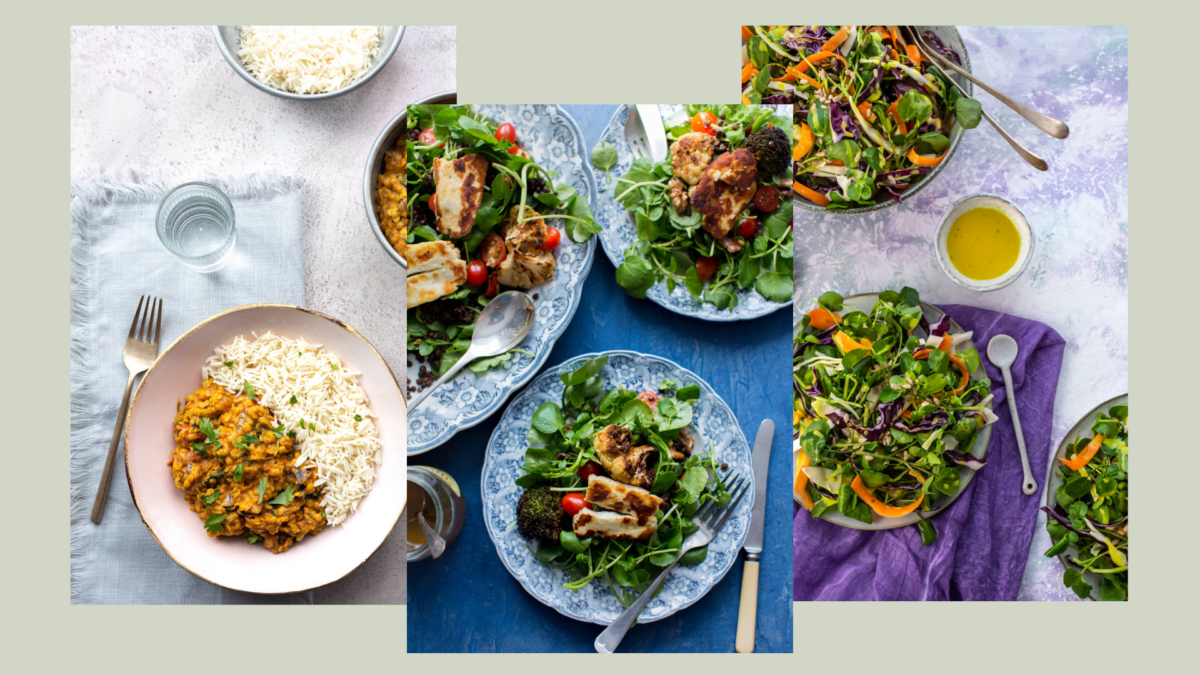
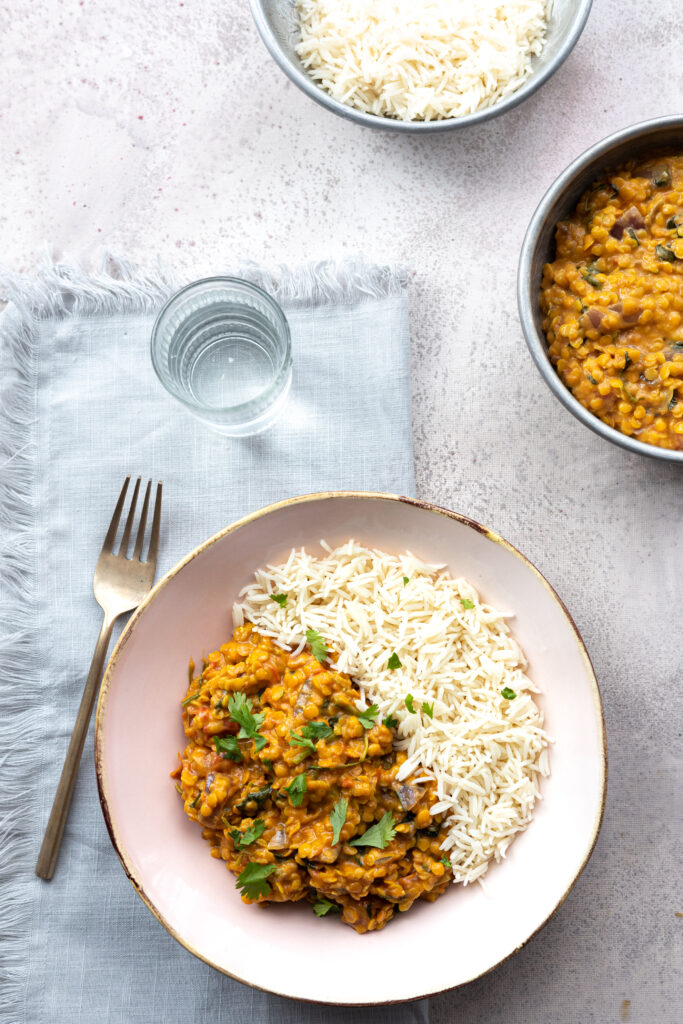
Recipe 1: Creamy Vegan Red Lentil Dahl with Coconut Milk & Watercress
This vegan red lentil dahl with watercress and coconut milk is one of our favorite healthy watercress lunch recipes because it is incredibly efficient. Red lentils are unique because they break down during the cooking process, creating a naturally creamy consistency without the need for heavy dairy. This dish focuses on whole food ingredients and incorporates anti-inflammatory spices like turmeric and ginger to soothe the digestive tract.
To maximize the nutritional value, we add the chopped watercress at the very end. This allows for wilted greens that maintain their vibrant color and micronutrients without being destroyed by prolonged heat. It is a protein rich watercress and lentil lunch ideas staple that can be whipped up in under 30 minutes.
Recipe Card: Creamy Red Lentil Dahl
- Prep Time: 5 mins
- Cook Time: 20 mins
- Macros: 380 Calories | 14g Fiber | 18g Protein
Ingredients:
- 1 cup red lentils, rinsed
- 1 can light coconut milk
- 2 cups vegetable broth
- 1 tsp turmeric, 1 tsp ground ginger
- 2 cups fresh watercress, roughly chopped
- 1 tbsp lime juice
Instructions:
- In a large pot, combine the lentils, coconut milk, broth, turmeric, and ginger.
- Bring to a boil, then reduce heat and simmer for 15-20 minutes until the lentils have softened into a creamy base.
- Stir in the lime juice to brighten the flavors.
- Turn off the heat and fold in the chopped watercress. Let it sit for 1 minute until slightly wilted.
- Serve warm, perhaps with a side of brown rice for additional complex carbohydrates.
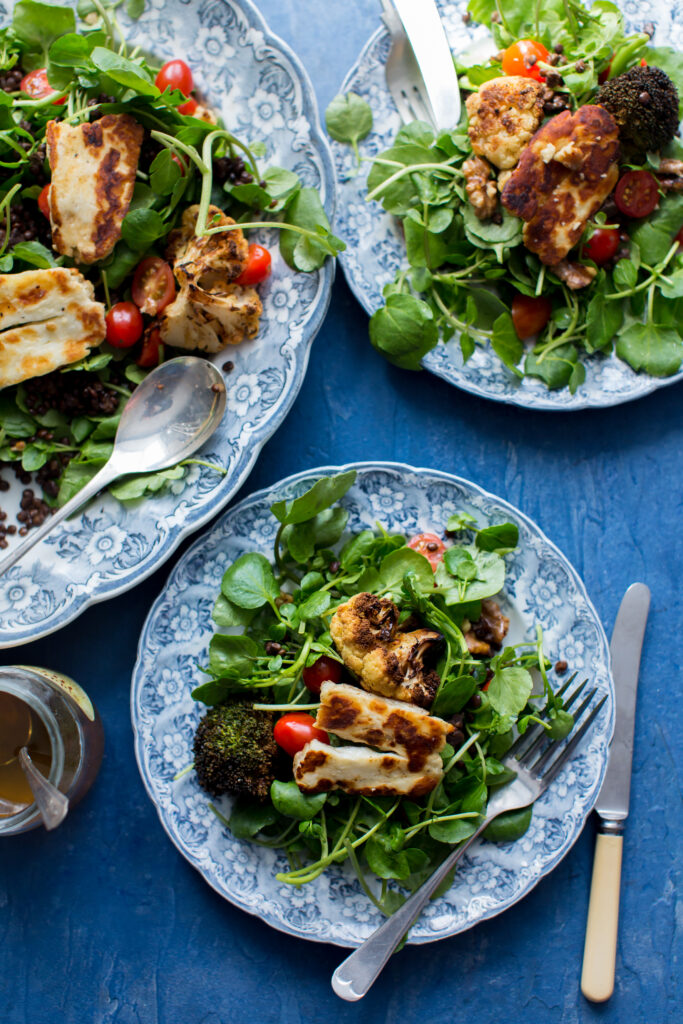
Recipe 2: Warm Puy Lentil Salad with Halloumi and Fresh Watercress
When it comes to satiety, texture is just as important as volume. This warm puy lentil salad with halloumi and watercress is designed for those who want a hearty, textured meal that feels substantial. Puy lentils, often called French green lentils, are prized for their ability to hold their shape even after cooking. They provide a satisfying "chew" that pairs beautifully with the salty, rich profile of grilled halloumi cheese.
This salad is a masterclass in how to reach 30g daily fiber with plant based recipes. By combining the fiber-rich lentil dishes with fresh greens and healthy fats, you create a meal that slows down digestion, preventing blood sugar spikes and keeping you full for hours. The zesty lemon dressing used here isn't just for flavor; the acidity further assists in the absorption of minerals from the iron-rich legumes.
Recipe Card: Warm Puy Lentil & Halloumi Salad
- Prep Time: 10 mins
- Cook Time: 25 mins
- Macros: 450 Calories | 12g Fiber | 22g Protein
Ingredients:
- 1 cup Puy lentils
- 200g halloumi, sliced and pan-seared
- 3 cups fresh watercress
- 1/2 cucumber, diced
- Dressing: 2 tbsp olive oil, juice of 1 lemon, 1 tsp honey-mustard
Instructions:
- Boil the Puy lentils in salted water for 20-25 minutes until tender but firm. Drain and set aside.
- While the lentils cook, sear the halloumi slices in a dry non-stick pan until golden brown on both sides.
- In a large bowl, whisk together the olive oil, lemon juice, and mustard.
- Toss the warm lentils with the dressing, cucumber, and fresh watercress.
- Top with the warm halloumi and serve immediately.
Recipe 3: One-Pan Roasted Broccoli, Cauliflower, and Lentil Platter
If you are looking for digestive health plant-based meals that minimize cleanup, this one-pan roast is the answer. By roasting cruciferous vegetables like broccoli and cauliflower alongside pre-cooked lentils, you create a double-hit of fiber. Roasting these vegetables caramelizes their natural sugars, removing some of the bitterness often associated with healthy eating.
We finish this platter with a generous heap of raw watercress. The heat from the roasted vegetables will wilt the bottom layer of greens, while the top remains crisp and peppery. This contrast in temperature and texture makes it one of the most enjoyable Lentil watercress recipes in our rotation. It is also an excellent option for batch cooking; simply store the roasted components and add the fresh watercress just before serving to maintain that nutrient density.
Recipe Card: Roasted Cruciferous & Lentil Platter
- Prep Time: 10 mins
- Cook Time: 30 mins
- Macros: 320 Calories | 16g Fiber | 15g Protein
Ingredients:
- 1 head broccoli, cut into florets
- 1/2 head cauliflower, cut into florets
- 1.5 cups cooked brown or green lentils
- 2 cups fresh watercress
- 2 tbsp avocado oil
- Salt, pepper, and garlic powder to taste
Instructions:
- Preheat your oven to 400°F (200°C).
- On a large baking sheet, toss the broccoli and cauliflower with oil and seasonings. Roast for 20 minutes.
- Remove the tray, add the cooked lentils to the mix, and toss to combine. Roast for another 10 minutes until the lentils are slightly crispy.
- Remove from the oven and spread the roasted mixture over a large bed of fresh watercress.
- Drizzle with tahini or a light vinaigrette if desired.

Avoiding the Bloat: Tips for Digestive Onboarding
When you begin incorporating more high fiber lentil and watercress recipes into your routine, your gut microbiome needs time to adjust. A common complaint when increasing fiber is temporary bloating or gas. This is actually a sign that your gut bacteria are hard at work fermenting that prebiotic fiber, but there are ways to make the transition smoother.
First, consider the preparation of your legumes. Soaking dry lentils for even just 30 minutes before cooking can help break down some of the complex sugars that cause gas. Additionally, adding carminative spices—such as fennel, cumin, or ginger—to your Lentil watercress recipes can significantly reduce digestive friction. These spices help relax the intestinal muscles and facilitate easier passage.
Hydration is another critical factor. Fiber acts like a sponge in your digestive tract, absorbing water to add bulk to the stool and ensure bowel regularity. If you increase your fiber without increasing your water intake, you may experience constipation instead of the intended benefits. Finally, give your body a 72-hour window to adjust to the new fiber load. Most people find that the initial "onboarding" bloating disappears after a few days as the gut microbiome becomes more efficient at processing these complex carbohydrates.
FAQ
What are the health benefits of lentil and watercress soup?
Lentil and watercress soup is a powerhouse for immune and digestive health. The lentils provide high levels of protein and prebiotic fiber, which supports a healthy gut microbiome, while the watercress offers a massive dose of Vitamin K and Vitamin C. This combination helps with everything from bone health to iron absorption and long-term satiety.
How do you make a simple lentil and watercress salad?
A simple version involves tossing cooked Puy lentils with a handful of fresh watercress, diced cucumber, and a light lemon-olive oil vinaigrette. Because Puy lentils hold their shape, they provide a great base for a quick, fiber-rich lunch that can be prepped in advance and stored in the fridge.
What type of lentils work best with watercress?
It depends on the desired texture. Red lentils are best for creamy dishes like dahl or blended soups where you want the greens to wilt into the base. Puy or green lentils are superior for salads and roasted platters where you want the lentils to remain firm and provide a contrast to the delicate watercress leaves.
Can you add raw watercress to hot lentil soup?
Yes, and it is actually recommended to add it right at the end. By stirring raw watercress into hot soup just before serving, you allow the leaves to wilt slightly from the residual heat. This preserves the sensitive micronutrients and the signature peppery bite that can be lost if the greens are boiled for too long.
Is lentil watercress soup suitable for a vegan diet?
Absolutely. Lentils and watercress are both 100% plant-based. To keep the entire dish vegan, simply ensure you use vegetable broth instead of chicken broth and use coconut milk or cashew cream if you are looking for a creamy texture without using dairy products.