Quick Facts
| Feature | Pumpkin Seeds (Pepitas) | Cashew Nuts | 2026 Optimization Winner |
|---|---|---|---|
| Protein Content | ~30g per 100g | ~18g per 100g | Pumpkin Seeds |
| Dietary Fiber | ~18g per 100g | ~3.3g per 100g | Pumpkin Seeds |
| Primary Fat Type | Omega-6 (Linoleic Acid) | Monounsaturated Fats | Cashews (Heart Health) |
| Magnesium Level | Extremely High | High | Pumpkin Seeds |
| Glycemic Load | Very Low | Low | Pumpkin Seeds |
| Caloric Density | 559 kcal/100g | 553 kcal/100g | Comparable |
- Top Pick for Protein: Pumpkin seeds provide significantly more plant-based protein, essential for muscle protein synthesis and metabolic repair.
- Top Pick for Heart Health: Cashews lead in monounsaturated fatty acids, which are gold-standard lipids for maintaining healthy cholesterol levels.
- The 4-2 Rule Winner: Pumpkin seeds easily exceed the recommended protein-to-fiber ratio, making them superior for satiety and blood sugar stabilization.
- Magnesium Leader: Pumpkin seeds are one of the most concentrated food sources of magnesium, critical for over 300 enzymatic reactions.
- Storage Protocol: Both should be kept in cool, dark environments to prevent the oxidation of delicate plant-based lipids.
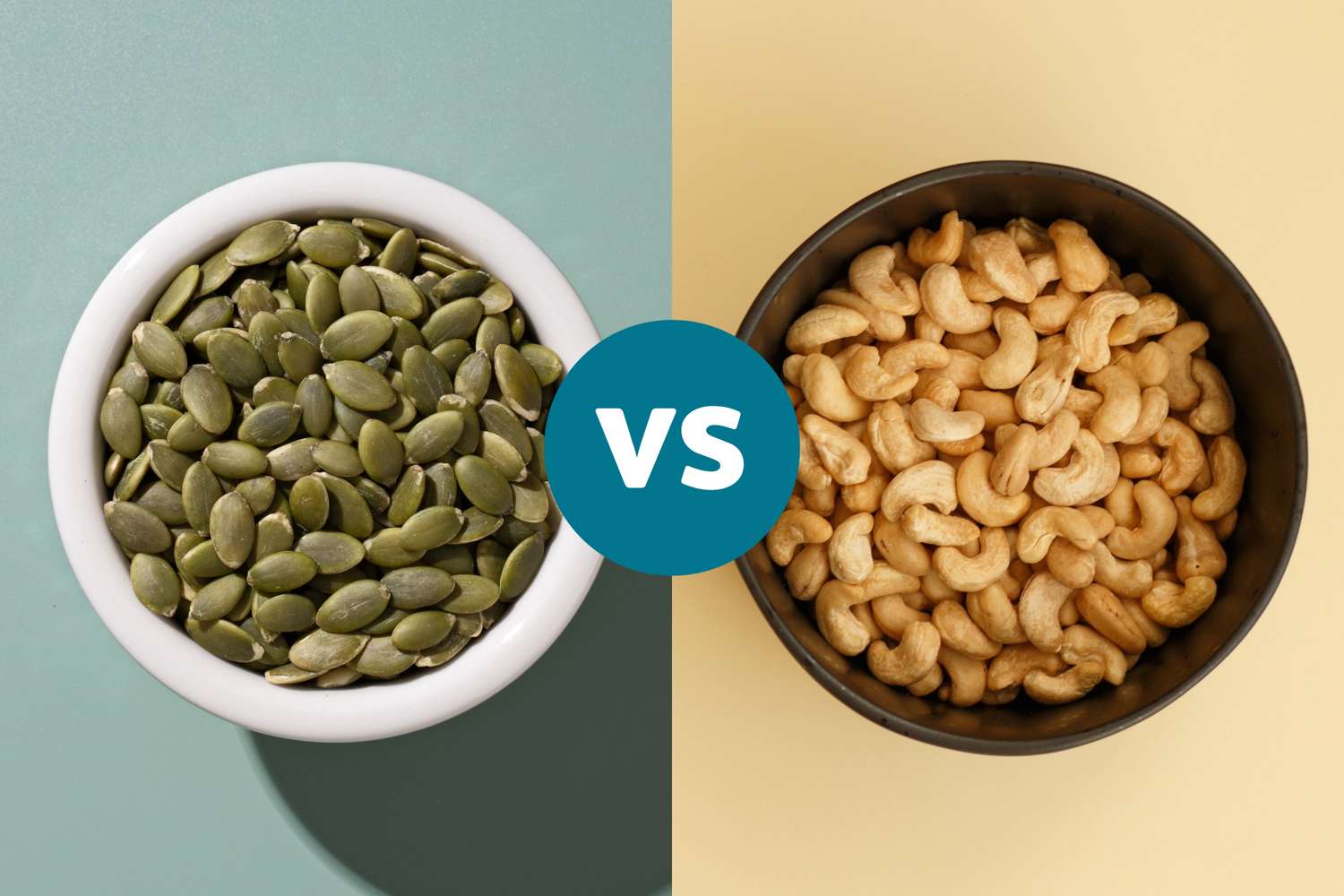
A deep dive into nut nutrition to determine whether pumpkin seeds or cashews are the ultimate snack for metabolic health and satiety in 2026. When evaluating nut nutrition, pumpkin seeds typically offer higher protein and mineral density than cashews, particularly in magnesium, iron, and phosphorus. While cashews provide healthy monounsaturated fatty acids, pumpkin seeds are a superior plant-based source for those managing hypertension or weight loss due to their low glycemic response and high fiber content.
Expert Verdict: Which is Better for Your 2026 Goals?
In the evolving landscape of 2026 nutritional standards, we no longer look at snacks simply as "calories in." Instead, we evaluate them based on micronutrient density and their ability to influence metabolic longevity. If your primary objective is glycemic control or increasing your plant-based protein intake, pumpkin seeds are the clear pharmacological choice from the pantry. They offer a unique amino acid profile that supports cellular repair without the insulin spike often associated with more starch-heavy snacks.
However, cashews should not be dismissed. Their cashew nut nutrition value lies in their creamy texture and high concentration of oleic acid, the same heart-healthy fat found in olive oil. For individuals focused on cardiovascular protection and those who require a more energy-dense, easily digestible fat source, cashews remain a staple. The decision ultimately rests on your specific epigenetic signaling needs—whether you require the mineral-heavy support of a seed or the lipid-balanced profile of a tree nut.
Weight Loss Efficiency: The '4-2 Rule' and Satiety
One of the most effective metrics we use in 2026 to identify the healthiest nuts for weight loss is the 4-2 Rule. This protocol suggests that a superior snack should provide at least 4 grams of protein and 2 grams of fiber per ounce to maximize the satiety index. When we apply this to our contenders, the disparity becomes evident.
Pumpkin seeds contain approximately 30 grams of protein per 100 grams, providing about 66% more plant-based protein than an equivalent serving of cashew nuts, which offer roughly 18 grams. This protein density is a critical factor in triggering the release of cholecystokinin (CCK), a hormone that signals fullness to the brain.
Furthermore, the fiber gap is staggering. Pumpkin seeds are a superior source of dietary fiber, containing approximately 18 grams per 100 grams, which is more than five times the 3.3 grams of fiber found in cashews. High-fiber foods slow down gastric emptying, ensuring that the energy released from the snack is metered out over several hours rather than causing a sharp peak in blood glucose.
Beyond the chemistry, there is a psychological visual cue associated with pumpkin seeds. If you choose varieties that require shelling, the "shelling time" acts as a natural speed governor for consumption. Studies in behavioral nutrition have shown that the physical act of removing a shell can reduce caloric intake by up to 41% compared to pre-shelled nuts, making them an excellent tool for those practicing mindful eating.
Micronutrient Showdown: Zinc, Magnesium, and Bone Health
When we analyze nuts benefits through the lens of trace elements, pumpkin seeds emerge as a powerhouse of zinc and phosphorus. These minerals are essential for immune function and the structural integrity of bone tissue. Zinc, in particular, acts as a cofactor for DNA synthesis and cell division, making it a cornerstone of regenerative nutrition.
Mechanism of Action: The Magnesium-Potassium Pump
Both pumpkin seeds and cashews are recognized as nuts high in magnesium and potassium, but their bioavailability can vary. Magnesium acts as a natural calcium channel blocker, helping muscles relax—including the smooth muscles of the blood vessel walls. This is why pumpkin seed benefits for diabetes and hypertension are so frequently cited in clinical literature. By maintaining the electrolyte balance, these micronutrients help regulate blood pressure and improve insulin sensitivity.
The phosphorus found in these seeds works in tandem with magnesium to support ATP production—the energy currency of your cells. For an athlete or a high-performance professional in 2026, the micronutrient density of a handful of pumpkin seeds provides a more significant "metabolic spark" than the equivalent weight in processed energy bars.
While both snacks are calorie-dense, raw cashews provide approximately 553 calories per 100 grams, compared to roughly 559 calories for shelled pumpkin seeds. The slight increase in calories in pumpkin seeds is more than offset by their superior nutrient-to-calorie ratio.
Metabolic Longevity and Epigenetic Signaling
As we look toward the future of nut nutrition, we must consider how these foods influence our long-term health markers through epigenetic signaling. Walnuts are often ranked as a top nut for metabolic longevity because they are the only tree nut containing significant levels of alpha-linolenic acid (ALA). However, pumpkin seeds hold their own by providing high levels of linoleic acid and bioactive compounds that help neutralize free radicals associated with biological aging.
The high antioxidant profile and support for the gut microbiome make them a cornerstone of anti-inflammatory nutritional protocols. The fiber in pumpkin seeds acts as a prebiotic, fueling the beneficial bacteria in the gut that produce short-chain fatty acids (SCFAs). These SCFAs have been shown to reduce systemic inflammation and improve the integrity of the gut barrier, which is essential for preventing the low-grade inflammation that drives many chronic diseases.
By incorporating a variety of nuts into your diet, you ensure a balanced amino acid profile. While cashews provide specific monounsaturated fatty acids that support brain health and cognitive function, the broad-spectrum mineral profile of pumpkin seeds supports the enzymatic processes that keep our metabolism flexible and resilient as we age.
The 2026 Power-Handful: Storage and Culinary Tips
To maximize the bioavailability of these nutrients and protect the integrity of the plant-based lipids, how you handle your nuts and seeds matters. These items provide oxidative defense through bioactive compounds, but those same compounds are sensitive to heat and light.
- How to store nuts to prevent ALA oxidation: Always store your nuts and seeds in a cool, dark place, preferably in airtight glass containers. For long-term storage (over three months), refrigeration or freezing is recommended to keep the oils from becoming rancid.
- Raw vs. Roasted: While roasted cashews are delicious, raw or dry-roasted versions are preferable to avoid the inflammatory seed oils often used in commercial roasting.
- Sodium Benchmarks: Aim for unsalted varieties. If you prefer flavor, look for snacks with less than 100mg of sodium per ounce to keep your cardiovascular health in check.
- Activation: Some clinical practitioners in 2026 recommend soaking (activating) nuts and seeds to reduce phytic acid, which can improve the absorption of zinc and iron.
Integrating these into an anti-inflammatory diet can be as simple as adding a tablespoon of pumpkin seeds to your morning yogurt or using cashew butter as a base for a nutrient-dense salad dressing. The goal is consistent, moderate consumption to maintain a steady supply of essential micronutrients.
FAQ
What nut is the healthiest to eat?
There is no single healthiest nut, as the "best" choice depends on your specific health goals. However, in terms of overall nutrient density, pumpkin seeds are often cited for their high protein and magnesium content, while walnuts are highly valued for their unique omega-3 fatty acid profile.
Which nuts lower triglycerides?
Nuts high in monounsaturated and polyunsaturated fats, such as walnuts, almonds, and cashews, have been shown to help improve lipid profiles. When eaten as part of a low-sugar diet, these healthy fats can assist in lowering triglyceride levels and increasing HDL cholesterol.
Does nut have any nutritional value?
Nuts are among the most nutrient-dense foods available. They provide a complex matrix of plant-based protein, healthy fats, fiber, vitamins (like Vitamin E and B-complex), and essential minerals such as magnesium, copper, and manganese.
How healthy is eating nuts every day?
Eating a small handful (about 1 ounce or 28 grams) of nuts every day is associated with a lower risk of heart disease, improved weight management, and better metabolic health. The key is portion control, as their high caloric density can lead to weight gain if consumed in excess.
What is the unhealthiest nut?
While no natural nut is inherently "unhealthy," those that are heavily processed—coated in sugar, honey, or roasted in poor-quality vegetable oils with excessive salt—lose their health benefits. From a pure caloric standpoint, macadamia nuts and pecans are the highest in fat and calories, though they still offer healthy monounsaturated fats.