Quick Facts
- Core Philosophy: Healthy with a Side of Happy—a lifestyle focused on balancing deep nutrition with the genuine joy of eating.
- Top Tool Recommendation: Stainless steel Vitamix for blending and Caraway or Greenpan ceramic cookware for toxin-free heat.
- Primary Kitchen Swaps: Switching to organic produce, non-toxic pans, and high-quality filtered water.
- Key Pantry Staple: Nutritional yeast for a savory boost (8g of protein per serving) and nutrient-dense hemp hearts.
- Founder Insight: Sabrina Rudin established Spring Café Aspen in 2013 as a dedicated organic and vegetarian restaurant concept.
- Meal Prep Secret: The ritual of washing and storing all vegetables in reusable bags at the very start of the week.
To succeed with plant-based cooking, focus on building meals around whole foods like beans, grains, and seasonal vegetables prepared for optimal nutrient absorption. Beginner-friendly plant-based cooking tips include embracing culinary improvisation rather than strictly following recipes and prioritizing organic produce to avoid synthetic pesticides. Starting with simple, nourishing bowls of rice, beans, and fresh greens provides a satisfying foundation for a healthy lifestyle.
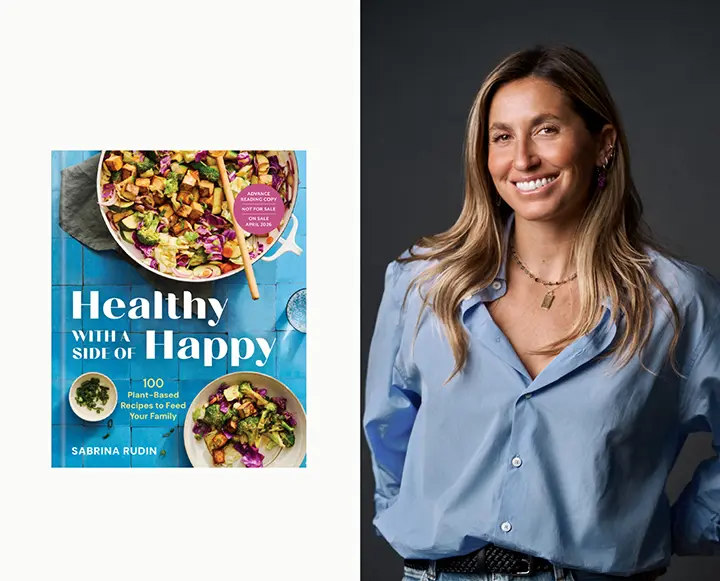
Sabrina Rudin, the visionary founder behind Spring Café Aspen and author of the debut cookbook Healthy with a Side of Happy, is fundamentally redefining how we view the modern kitchen. Her approach goes beyond just removing animal products; it is about holistic family wellness and the belief that food should act as medicine while still tasting like a celebration. For those looking for plant-based cooking tips for beginners, the journey starts not with complex techniques, but with a shift in mindset—viewing the kitchen as a sanctuary for health.

The Clean Kitchen: Healthy Kitchen Swaps
Before the first vegetable is chopped, Sabrina Rudin emphasizes that the environment in which we cook is just as important as the ingredients themselves. A truly healthy home begins with foundational healthy kitchen swaps that reduce the invisible burden of toxins on the body. Many traditional kitchens are inadvertently filled with endocrine disruptors and synthetic chemicals that can counteract the benefits of a vegetable-rich diet.
One of the most critical moves you can make is following non-toxic cookware recommendations for clean eating. Traditional non-stick pans often contain Teflon, which can release PFOAs (perfluorooctanoic acid) when heated. These "forever chemicals" are linked to various health issues and have no place in a wellness-focused kitchen. According to a recent interview with Sabrina Rudin, replacing these items with ceramic or high-quality stainless steel is a non-negotiable step toward a cleaner lifestyle.
Beyond the pans, consider these essential healthy kitchen swaps to reduce toxins:
- Filtered Water: Most tap water contains industrial byproducts, fluoride, and even microplastics. Installing a high-quality filter for both drinking and cooking water ensures these contaminants don't end up in your morning oatmeal or evening soup.
- Organic Ingredients: Choosing organic certification is about more than just avoiding "dirty" produce. It is a vital strategy to remain glyphosate-free. This common herbicide is frequently found in conventional farming and can disrupt gut health and metabolic function.
- Glass Over Plastic: Transition your storage containers to glass or silicone. When plastic is heated or even just used for long-term storage, it can leach BPA and other chemicals into your food.
By making these adjustments, you create a baseline of purity. This environment allows the natural flavors of whole foods to shine and ensures that your efforts to eat well are not undermined by the tools you use.
Building the Ultimate Plant-Based Pantry
A well-stocked kitchen is the secret to successful culinary improvisation. When your shelves are lined with the right plant based pantry essentials, you never have to worry about "what's for dinner." Sabrina’s philosophy revolves around having a toolkit of ingredients that can be mixed and matched to create endless flavor profiles without a strict recipe.
Many people transitioning to this lifestyle often ask how to get enough protein on a plant-based diet. The answer lies in nutrient-dense staples that offer high bioavailability. For example, nutritional yeast is a favorite because it provides 8 grams of protein per serving and a cheesy, nutty flavor that works on everything from popcorn to roasted cauliflower. Hemp hearts are another powerhouse, offering essential fatty acids and a subtle crunch.
When considering essential plant based pantry staples for healthy meals, keep these items in your rotation:
- Legumes and Grains: Keep jars of black beans, chickpeas, lentils, and quinoa. These form the hearty base of any meal.
- Coconut Aminos: One of the best ways to use coconut aminos in cooking is as a direct replacement for soy sauce. It offers a similar umami depth but with 73% less sodium, making it a much heartier choice for seasoning stir-fries and dressings.
- Plant-derived Binders: For baking or making veggie burgers, skip the eggs and use chia seeds. A simple ratio of 1 tablespoon of seeds to 3 tablespoons of water creates a gel that holds ingredients together perfectly.
- Nut Butters and Tahini: These provide the healthy fats necessary for satiety and serve as the creamy base for dozens of different sauces.
By focusing on these nutrient-rich building blocks, you ensure that every meal supports your metabolic health. The goal is to move away from processed "fake meats" and toward ingredients that have been used for centuries to nourish the body.
Efficient Vegetable Meal Prep Tips
For busy families, the biggest barrier to healthy eating is often time. Sabrina Rudin’s vegetable meal prep tips focus on a weekly meal assembly ritual that takes the stress out of weeknight cooking. Instead of prepping whole meals that might get soggy by Wednesday, the focus is on prepping individual components that can be assembled in minutes.
The process begins the moment you return from the market. Washing, drying, and prepping all produce at the beginning of the week is the most effective way to ensure you actually eat your greens. Once clean, vegetables should be dried thoroughly and stored in reusable produce bags to maintain their freshness and fiber content. This simple act of organization turns a daunting task into a series of quick, manageable wins.
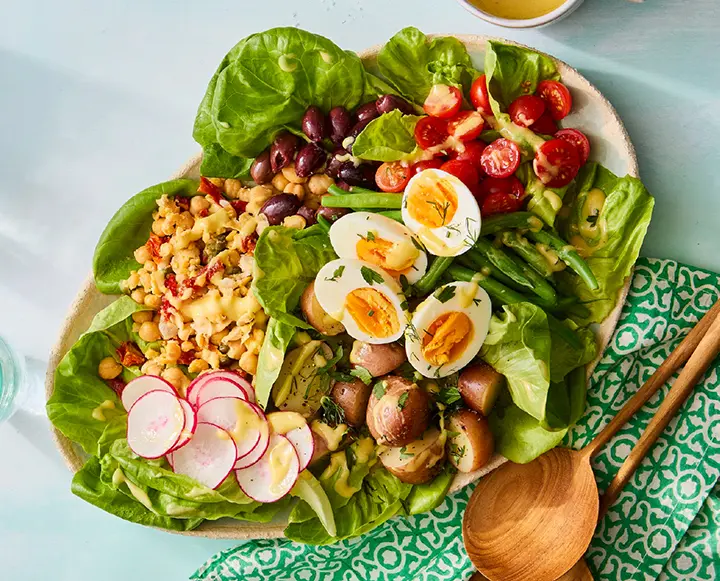
A key strategy is the "Sauce as Shortcut." If you have a jar of lemon-tahini dressing or a spicy peanut sauce ready in the fridge, you are halfway to a gourmet meal. These sauces can instantly upgrade a simple bowl of steamed broccoli and brown rice. Understanding how to build nourishing plant based bowls involves layering these prepped textures: a base of grains, a pile of roasted or raw vegetables, a source of plant protein like beans, and a generous drizzle of your favorite sauce.
To help manage your kitchen workflow, refer to this longevity cheat sheet for common prepped ingredients:
| Ingredient | Prep Method | Storage Life |
|---|---|---|
| Kale & Hearty Greens | Washed, dried, and torn | 5-7 Days |
| Root Vegetables | Peeled and chopped | 4-5 Days |
| Quinoa / Brown Rice | Cooked and cooled | 4 Days |
| Homemade Dressings | Blended in glass jars | 7-10 Days |
| Berries | Washed (vinegar soak) | 3-5 Days |
| Sliced Avocado | Sliced with lemon juice | 1 Day |
This vegetable meal prep routine for busy families ensures that even on your most hectic days, you have the building blocks of a "Healthy with a Side of Happy" meal ready to go.
FAQ
How do I start a plant-based diet for beginners?
The best way to start is by focusing on crowdsourcing flavor from whole foods rather than trying to find direct replacements for meat and dairy. Begin with one meal a day—perhaps a nourishing breakfast bowl—and gradually increase your repertoire. Focus on what you are adding to your plate, such as vibrant seasonal vegetables and legumes, rather than what you are taking away.
What are the most essential pantry staples for plant-based cooking?
You should always have a variety of beans (black, garbanzo, cannellini), whole grains like quinoa and brown rice, and flavor enhancers like coconut aminos and nutritional yeast. High-quality fats such as extra virgin olive oil and tahini are also vital for making satisfying sauces and dressings.
How can I make plant-based meals taste more flavorful?
Flavor comes from the intelligent use of acids, fats, and umami. Use fresh lemon juice or apple cider vinegar to brighten heavy dishes, and rely on spices and herbs to add complexity. Coconut aminos provide a wonderful salty depth, while roasting vegetables helps caramelize their natural sugars for a richer taste.
How do I get enough protein on a plant-based diet?
Protein is abundant in the plant world if you eat a varied diet. Legumes, lentils, hemp hearts, and seeds are excellent sources. Even vegetables like broccoli and spinach contain protein. For an extra boost, nutritional yeast provides a complete protein profile and can be easily sprinkled over almost any savory dish.
How do I meal prep for a plant-based diet?
Focus on component prepping rather than full meal prepping. Wash and chop your vegetables as soon as you get home from the store. Cook a large batch of grains and a pot of beans at the start of the week. By having these individual parts ready, you can assemble different bowls and salads quickly throughout the week, ensuring variety and freshness.