Quick Facts
- Yield: One 12-13 inch galette (6-8 servings)
- Prep Time: 30 minutes (plus 1 hour chilling)
- Bake Time: 40-45 minutes at 375°F
- Signature Technique: Shaggy dough method with lemon-infused ice water
- Key Flavor Profile: Tart plum balanced with lemon zest and turbinado sugar
- Difficulty: Intermediate (Focus on temperature control)
To achieve a flaky galette crust, use the shaggy dough method by pinching cold, unsalted butter into thin, paper-thin strips rather than a uniform meal. Incorporating a squeeze of lemon juice into the ice water helps tenderize the pastry. For the best texture, keep the ingredients very cold and chill the assembled galette in the freezer for five minutes before baking at 375°F until the crust is golden brown and the fruit is bubbling. This plum galette recipe delivers a professional-grade dessert that perfectly captures the relaxed elegance of a coastal summer.
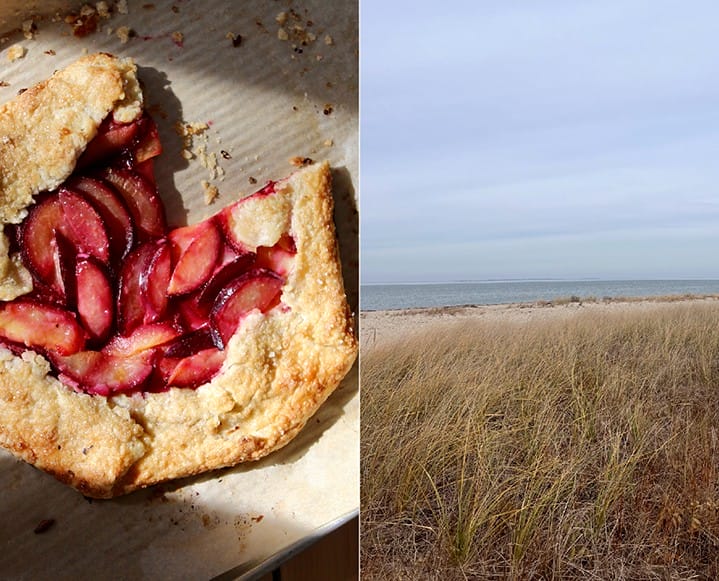
There is a specific kind of magic that settles over the East End of Long Island during late summer. It is a season of sun-drenched afternoons and farm stands overflowing with stone fruits. This Hamptons-inspired plum and citrus galette is a tribute to that cottagecore aesthetic, offering a dessert that looks like it belongs in the window of a high-end artisanal bakery style shop in East Hampton. While the presentation is sophisticated, the beauty of a rustic plum and lemon galette tutorial lies in its imperfections. Unlike a formal tart, a galette is meant to be free-form, making it the perfect vessel for those who appreciate summer entertaining without the stress of a traditional pie.
The Secret to Flaky Crust: Homemade Galette Dough Guide
The foundation of any exceptional plum galette recipe is the pastry. To move beyond a standard crust and achieve something truly artisanal, we employ the shaggy dough method. Most beginners make the mistake of over-working the butter until it resembles cornmeal. Instead, you want to use cold unsalted butter and pinch it into the flour until you see paper-thin strips. These larger flakes of butter create steam pockets during baking, which is the technical secret behind those sought-after layers.
Temperature management is your most important tool. Your flour, butter, and water should all be chilled. We also introduce a lemon zest infusion into the dough and add a tablespoon of lemon juice to the ice water. This serves two purposes: the acid in the lemon juice inhibits gluten development, acting as a natural tenderizer for the pastry, while the zest provides a bright, citrusy backbone to the crust. When you first mix the water into the flour, the dough should look "shaggy"—slightly dry and barely holding together. This prevents you from over-hydrating the flour, ensuring the final result is crisp rather than tough.
Pro Tip: If your kitchen is warm, chill your flour in the freezer for 15 minutes before you start. Keeping the butter solid until the moment it hits the oven is the only way to ensure a flaky galette crust.
Preparing the Plum and Citrus Filling
Choosing the right fruit is paramount. In the Northeast, the beach plum is a native heritage fruit often harvested for small-scale production, though consumer demand for the wild fruit usually exceeds the supply. For this recipe, look for stone fruit varieties that offer a balance of sweetness and acidity. Italian prunes are excellent because they hold their shape, while Santa Rosa plums offer a deep crimson juice that looks stunning against the golden crust.
| Plum Variety | Texture After Baking | Flavor Profile |
|---|---|---|
| Italian Prune | Firm and jammy | Intensely sweet-tart |
| Santa Rosa | Soft and juicy | Classic plum, high acidity |
| Elephant Heart | Very soft | Floral and mild |
| Pluot | Holds shape well | Very sweet, low acid |
When preparing your fruit, keep the slices uniform—about a quarter-inch thick. If you want to experiment, remember that seasonal fruit substitutions for galettes are very flexible. Peaches, nectarines, and apricots can be used interchangeably with plums. Interestingly, the US citrus industry reflects our love for fresh flavors; roughly 76% of lemons and 73% of tangerines are sold for fresh consumption. We utilize this fresh citrus by tossing the plums with both lemon juice and zest, which amplifies the natural brightness of the stone fruit.
Assembly: Tips for Preventing Soggy Galette Crust
The most common frustration with fruit tarts is the "soggy bottom." To combat this, start by rolling your dough out into a 13-inch circle on a parchment-lined baking sheet. Before adding the fruit, apply a "barrier layer." A light dusting of ground almonds or even a tablespoon of flour mixed with sugar on the bottom of the dough will absorb excess fruit juices.
When arranging the fruit, leave a 2-inch border. This is essential for the folding process. Gently pleat the dough over the edges of the fruit, leaving the center open. This rustic look is the hallmark of the artisanal bakery style. The open center allows steam to escape, which further helps in tips for preventing soggy galette crust issues.
Baking and The Artisanal Finish
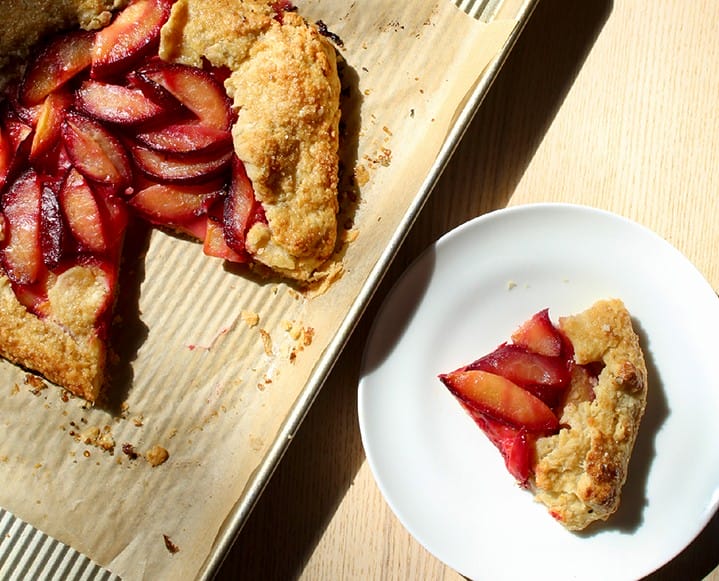
Before the galette enters the oven, it needs one final chill. Place the entire tray in the freezer for five minutes. This shocks the butter, ensuring it doesn't melt too quickly and lose its structure. Brush the crust with an egg wash and generously sprinkle with turbinado sugar. This coarse sugar doesn't melt away; instead, it provides a satisfying crunch and a golden brown finish that looks professional.
Bake at 375°F for 40 to 45 minutes. You are looking for a deep mahogany color on the crust and fruit juices that are thick and bubbling. Once removed from the oven, let it rest for at least 15 minutes to allow the juices to set. For the ultimate Hamptons experience, serve your citrus infused plum galette with vanilla ice cream. The cold, creamy vanilla bean ice cream melting into the warm, tart plum juices creates a contrast that is simply unbeatable.
Make-Ahead and Hosting Tips
Mastering the art of summer entertaining means doing as much work in advance as possible. You can begin preparing galette dough in advance for entertaining up to three days before your event. Simply wrap the dough tightly in plastic and keep it in the refrigerator. For longer storage, the dough freezes beautifully for up to two months.
If you have leftovers (though that is rare!), the galette can be stored at room temperature for 24 hours or in the fridge for up to three days. To regain that crisp texture, reheat a slice in a 350°F oven for 5-8 minutes rather than using a microwave.
FAQ
What are the best types of plums for a galette?
European-style plums like Italian Prunes (often called Damson plums) are ideal because they have a lower water content and a deep, complex flavor that intensifies when cooked. However, standard supermarket varieties like Santa Rosa or Black Splendor also work beautifully if they are firm-ripe.
Do you need to peel plums before baking them in a galette?
No, peeling is not necessary and is actually discouraged for this rustic style. Plum skins are thin and soften significantly during baking. More importantly, the skins contain much of the fruit's natural pigment, giving the filling its vibrant, jewel-toned color.
How do you prevent a plum galette from getting soggy on the bottom?
The best approach involves three steps: use a barrier layer like ground almonds or a little extra flour under the fruit, ensure your dough is chilled thoroughly before it hits the oven, and bake the galette on a parchment-lined sheet in the center of the oven to ensure even heat distribution.
Can I make the galette dough ahead of time?
Yes, galette dough is a perfect make-ahead component. It can be stored in the refrigerator for up to three days or wrapped well and frozen for up to two months. If freezing, let it thaw in the refrigerator overnight before rolling it out.
What can I serve with a warm plum galette?
While a simple dusting of powdered sugar is lovely, the classic pairing is a high-quality vanilla bean ice cream. The creaminess cuts through the acidity of the plums. Alternatively, a dollop of crème fraîche or lightly sweetened whipped cream with a hint of lemon zest adds a sophisticated touch.