Quick Facts
- Preparation Time: 15 minutes
- Protein Content: 22g per serving
- Shelf Life: 3-4 days in the fridge
- Dietary Info: Vegan, Gluten-Free, Mayo-Free
- Key Ingredients: Broccoli, Edamame, Amber Maple Syrup
This Asian broccoli salad is made by tossing steamed or raw broccoli and edamame with a rich maple peanut glaze. The dressing combines nut butter, pure maple syrup, and tamari for a perfect umami balance, garnished with toasted sesame seeds and peanuts.
Finding a recipe that balances high protein density with a vibrant flavor profile can be a challenge for those following a whole foods plant-based lifestyle. This easy Asian broccoli salad with maple peanut dressing delivers a massive 22g protein boost and takes only 15 minutes of active preparation. Unlike traditional slaw that relies on heavy fats, this version uses an umami-rich maple peanut dressing to create a satisfying crunch without the need for dairy or eggs.
Why This Recipe Works: The Ultimate Plant-Based Powerhouse
The success of this dish lies in the structural integrity of its main ingredients. Most salads wilt within an hour of dressing, but the combination of cruciferous vegetables and edamame provides a sturdy base that actually improves as it marinates. This makes it an ideal candidate for plant-based salad meal prep for busy professionals.
Beyond the texture, we are seeing a significant shift in how we approach regional flavors. The vegan Asian food market is projected to be worth over $20 billion by 2025, driven by a global appetite for plant-based versions of traditional regional cuisines. This recipe taps into that trend by replacing animal-based binders with a maple nut butter glaze. Using maple syrup as a 1:1 vegan honey substitute provides a cleaner sweetness that highlights the natural nuttiness of the legumes.
Nutritionally, you are getting more than just a side dish. By combining nutrient-dense greens with protein-rich edamame beans, you create a complete amino acid profile that is often missing from simple vegetable salads. The addition of healthy fats from the peanuts ensures that fat-soluble vitamins like Vitamin K, found in abundance in broccoli, are properly absorbed by your body.
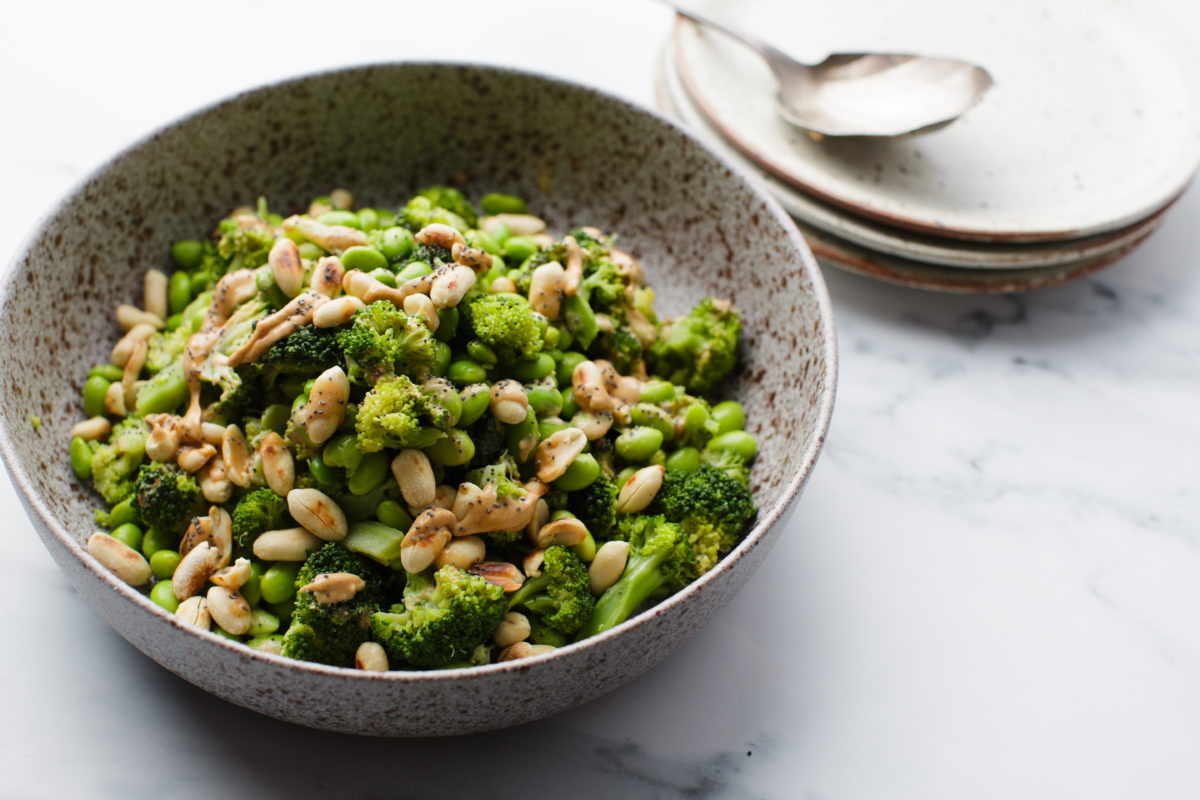
The Base: Broccoli and Edamame Preparation
When constructing a high protein broccoli salad with edamame and peanuts, the texture of the broccoli is the most critical variable. You have two main paths: the raw crunch or the tender bite.
If you prefer a raw vs steamed asian broccoli salad guide, consider that raw broccoli offers the most fiber but can be difficult for some to digest in large quantities. To bridge the gap, I recommend a 1-minute blanching technique. Drop the florets into boiling water for exactly 60 seconds, then immediately plunge them into an ice bath. This locks in a vibrant green color and removes the "woody" bitterness of the stems while maintaining a firm snap.
Regardless of which method you choose, moisture control is the secret to longevity. After washing or blanching, you must pat the vegetables dry with a clean kitchen towel. If there is excess water on the florets, the maple peanut dressing recipe will slide off instead of clinging to the surface, leading to a watery pool at the bottom of your bowl.
For the edamame, use shelled, frozen beans for convenience. Simply thaw them under warm water or toss them into the blanching pot during the last 30 seconds. If you are looking to add more color and a different type of sweetness, mixing in some shredded carrots provides a beautiful visual contrast against the deep green of the broccoli. To keep it gluten-free, ensure any additional seasonings use tamari or liquid aminos instead of standard wheat-based soy sauce.
The Signature Maple Peanut Dressing Recipe
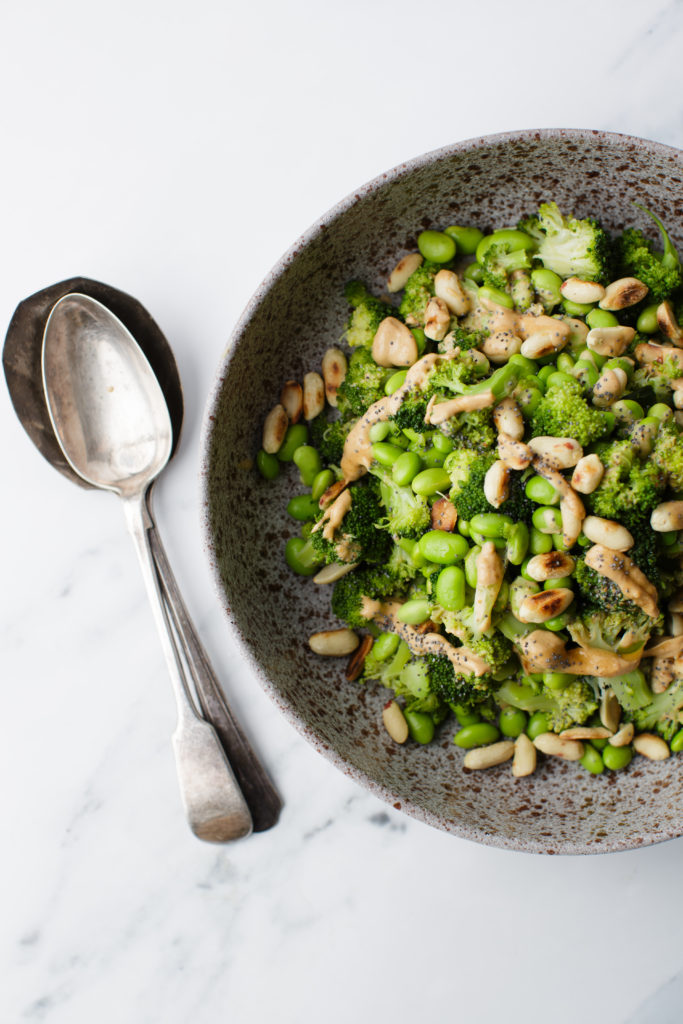
The heart of this dish is the vegan asian broccoli salad with maple nut butter glaze. We want a sauce that is thick enough to coat the spoon but fluid enough to drizzle easily.
Start with a high-quality amber maple syrup. Unlike lighter grades, the amber variety has a deeper, more robust flavor that stands up to the saltiness of the tamari. For the nut base, you can use pre-made creamy peanut butter, but for a true gourmet touch, blend pan-fried peanuts with a touch of sesame oil until smooth. This creates an unparalleled umami flavor profile that makes the salad taste like it came from a professional kitchen.
Ingredients
- [ ] 2 cups Broccoli florets (bite-sized)
- [ ] 1 cup Shelled edamame
- [ ] 1/4 cup Creamy peanut butter (or fresh maple nut butter)
- [ ] 2 tbsp Amber maple syrup
- [ ] 1 tbsp Tamari or liquid aminos
- [ ] 1 tsp Toasted sesame oil
- [ ] 1 tbsp Rice vinegar
- [ ] 2 tbsp Hot water (to thin)
- [ ] 1/4 cup Toasted peanuts (for garnish)
Instructions
- Prepare the broccoli by blanching for 1 minute or leaving raw if preferred. Dry thoroughly.
- In a small bowl, whisk together the peanut butter, amber maple syrup, tamari, sesame oil, and rice vinegar.
- Slowly add hot water one tablespoon at a time until the dressing reaches a pourable consistency.
- In a large mixing bowl, combine the broccoli and edamame.
- Pour the dressing over the vegetables and toss until every floret is well-coated.
- Top with toasted peanuts and black sesame seeds just before serving to maintain maximum crunch.
This gluten free asian broccoli salad with soy sauce substitute is incredibly versatile. If you find the dressing too thick after refrigeration, a quick whisk with a teaspoon of warm water will bring it back to its original silky state.
Storage and Meal Prep: Keeping it Crunchy
One of the biggest advantages of this recipe is its durability. While most salads are a one-day affair, this Asian broccoli salad is a meal prep champion. Because broccoli is one of the more resilient cruciferous vegetables, it doesn't break down or become "mushy" when exposed to acidic dressings as quickly as spinach or kale.
For the best results with your asian broccoli salad storage tips for fridge, I recommend storing the maple peanut dressing in a separate small glass jar. When you are ready for lunch, give the jar a shake and toss the salad fresh. If you choose to mix it ahead of time, the flavors will deepen, but you will lose a bit of that initial vegetable snap by day three.
If you are serving this as a potluck side dish, it travels exceptionally well and doesn't require refrigeration for several hours, unlike mayo-based salads. For a more substantial meal, consider these maple glaze broccoli salad pairings for dinner:
- Crispy Tofu: Air-fry extra firm tofu cubes with a touch of cornstarch and serve them on top of the salad.
- Chilled Soba: Toss the salad with buckwheat noodles for a hearty cold pasta dish.
- Quinoa Bowl: Place a large scoop of the salad over warm quinoa for a grain bowl that feels like a complete meal.
FAQ
How long can you keep Asian broccoli salad in the fridge?
This salad stays fresh and delicious for 3 to 4 days when stored in an airtight container in the refrigerator. If you are prepping it specifically for the week, keeping the dressing and the toasted peanuts in separate containers will ensure the vegetables stay crisp and the nuts stay crunchy.
Do you need to blanch broccoli for a salad?
You do not strictly need to blanch it, as raw broccoli is perfectly safe and highly nutritious. However, a quick 60-second blanching followed by an ice bath softens the texture slightly and brightens the green color, which often makes the salad more appealing to those who find raw cruciferous vegetables too tough.
How do you keep Asian broccoli salad from getting soggy?
The primary secret to avoiding a soggy salad is ensuring the broccoli and edamame are completely dry after washing or blanching. Use a salad spinner or pat them down thoroughly with paper towels. Additionally, wait to add the final garnishes like toasted sesame seeds and peanuts until the moment you are ready to eat.
What are the best toppings for Asian broccoli salad?
While toasted peanuts are the traditional choice, you can also use slivered almonds or sunflower seeds for a different crunch. Adding fresh ginger root (grated finely) to the dressing provides a zesty kick, while sliced scallions and extra toasted sesame seeds add layers of savory complexity.
What main dishes go well with Asian broccoli salad?
This salad pairs beautifully with any umami-forward main. It is excellent alongside grilled tempeh, miso-glazed eggplant, or even as a refreshing side to a spicy vegetable stir-fry. It also works as a standalone light lunch when served in a larger portion with extra edamame.
The beauty of this easy asian broccoli salad without mayo is its simplicity and nutritional density. Whether you are looking for a quick weeknight dinner or a reliable meal prep option, this recipe proves that plant-based eating can be both indulgent and incredibly efficient. Give it a try this week and see how a simple maple glaze can transform humble greens into a restaurant-quality meal.