Quick Facts
- Prep Time: 5 minutes using the quick-soak method
- Cook Time: 10 minutes
- Dietary Info: Vegan, Dairy-Free, and Gluten-Free Option
- Key Secret: Cashew and avocado emulsification
- Shelf Life: Best served fresh; stays green up to 3 days with a surface seal
- Main Goal: Achieving professional-grade creaminess without a drop of dairy
To make the creamiest Avocado Pesto Pasta without dairy, blend ripe Hass avocados with cashews that have been boiled for 5 minutes. This dual-fat approach, combined with starchy pasta water, creates a high-fat emulsification that mimics the mouthfeel of heavy cream or parmesan. This method is the ultimate 15 minute cashew and avocado pesto pasta solution for anyone looking for a rich, satisfying plant-based meal.
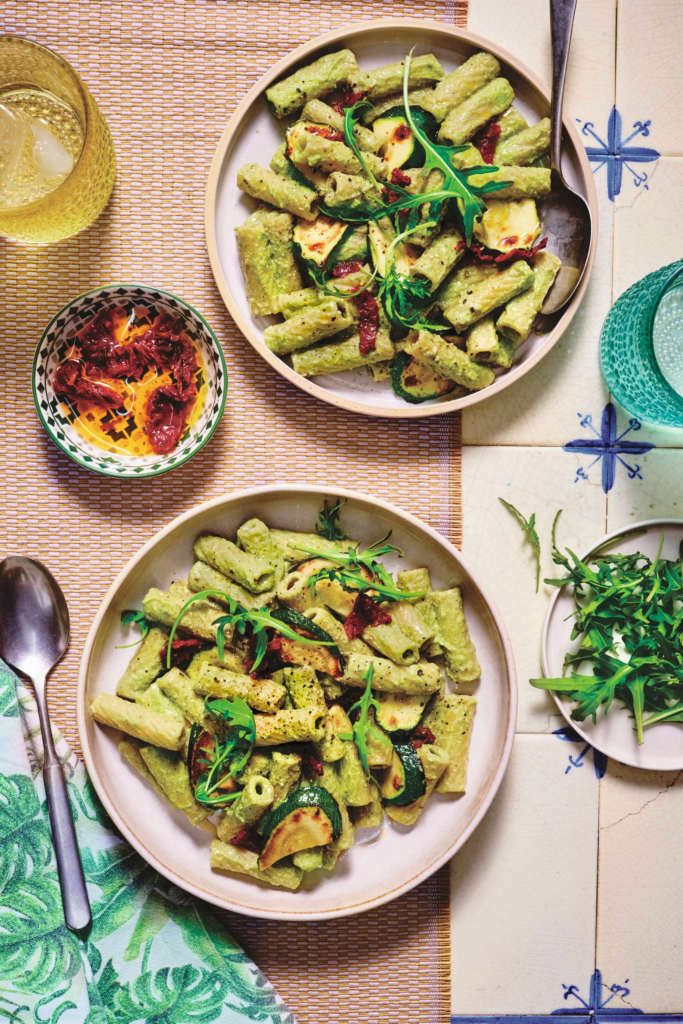
The culinary world is currently witnessing a massive shift in how we approach our dinner plates. In 2025, approximately 45% of Americans reported plans to reduce their dairy consumption as part of a broader shift toward dairy-free and plant-based eating lifestyles. Whether you are leaning into this trend for health reasons or environmental concerns, you do not have to sacrifice the velvety textures usually associated with traditional Italian cooking.
The 2025–2030 Dietary Guidelines for Americans officially recognize avocados as a primary source of healthy fats and visually include them in the updated food pyramid. Beyond their place in the pyramid, research indicates that replacing a half-daily serving of full-fat dairy products, butter, or margarine with an equivalent amount of avocado can significantly lower the risk of cardiovascular disease. By mastering this recipe, you are not just making dinner; you are investing in a lifestyle that balances indulgence with wellness.
The Secret to Dairy-Free Creaminess: The Cashew-Avocado Hybrid
When people attempt to make a creamy vegan avocado pesto, they often rely solely on the avocado. While avocados are inherently fatty, they can sometimes lack the structural "body" required to coat pasta in a way that feels luxurious. The secret to bridging that gap is the cashew and avocado pasta sauce hybrid. By introducing cashews into the mix, you add protein and a different type of plant-based fat that, when blended, creates a stable emulsion.
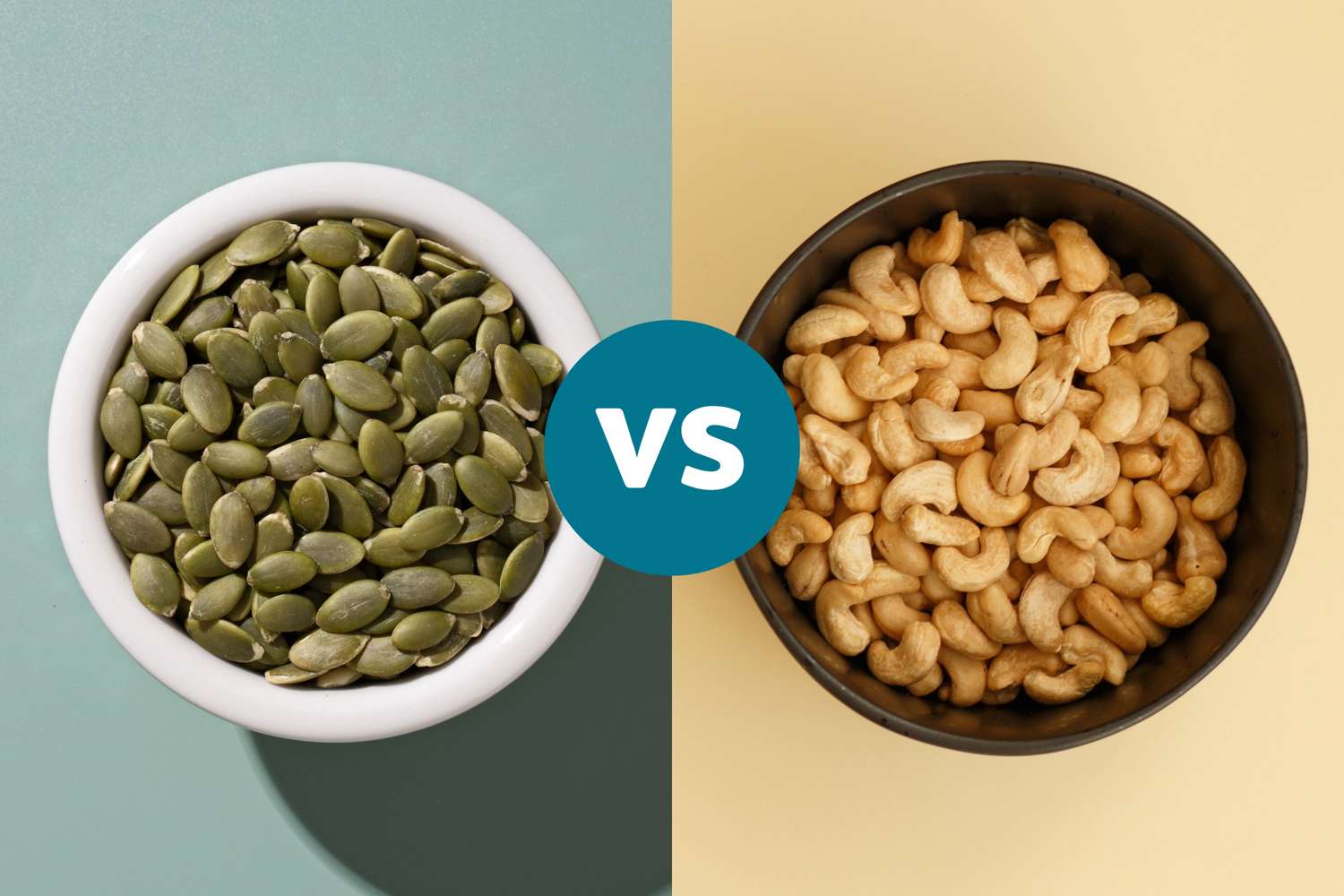
You might think that using cashews requires hours of planning and soaking, but you can skip the overnight soak entirely. If you want to know how to soak cashews quickly for pasta sauce, simply place your raw cashews in a small pot of water, bring it to a boil, and let them bubble for exactly 5 minutes. This rapid-heat method softens the cellular structure of the nut instantly. Once drained, these cashews will break down into a completely smooth liquid in a high-speed blender, providing a neutral, creamy base that highlights the freshness of the avocado.
The goal here is plant-based creaminess that feels intentional, not like a compromise. When you combine the boiled cashews with ripe Hass avocados, you are creating a high-fat emulsification. This is why the blender is your best friend. A standard food processor might leave the sauce slightly textured or gritty. A high-speed blender, however, forces the fats from the avocado and the cashews to bind with the added liquids, resulting in a sauce so smooth it looks like it came from a professional kitchen.

Essential Ingredients & Flavor Balancing
Creating a high-quality Avocado Pesto Pasta requires more than just fat; it requires a symphony of flavors that mimic the complex profile of a traditional pesto. Traditional pesto relies on Parmesan for a salty, savory kick. In our dairy-free version, we achieve this through a heavy hand of nutritional yeast. This golden, flaky ingredient provides a deep umami flavor that rounds out the richness of the Hass avocado.
Balance is the most important factor in plant-based cooking. Because both cashews and avocados are very rich, you need high-contrast aromatics to keep the dish from feeling heavy.
- Fresh Basil: Use at least two packed cups. It provides the classic herbal backbone.
- Garlic: Two to three cloves are usually sufficient, but feel free to adjust based on your preference for pungency.
- Lemon Zest and Juice: The acidity is non-negotiable. It cuts through the fat and provides the necessary brightness to make the flavors pop.
- Starchy Pasta Water: Never dump your pasta water down the drain! This liquid is liquid gold. It contains residual starch that helps the sauce cling to the noodles.
Pro-Tip: To keep your sauce looking like a vibrant emerald green rather than a dull olive, blanch your basil leaves in boiling water for exactly 15 seconds, then immediately plunge them into an ice bath. This sets the chlorophyll and prevents the heat of the pasta from turning your sauce brown.
Step-by-Step: The 15-Minute Parallel Workflow
Efficiency is the hallmark of a great home cook. This 15 minute cashew and avocado pesto pasta is designed to be completed in the time it takes for a pot of water to boil and the pasta to reach al dente perfection. You don't need to prep for an hour; you just need to follow this parallel workflow.
| Time Elapsed | Pasta Pot Activity | Blender / Prep Activity |
|---|---|---|
| 0-3 Minutes | Bring a large pot of salted water to a boil. | Measure cashews and start the 5-minute boil. |
| 3-10 Minutes | Add your pasta. Use best pasta varieties for thick avocado sauces like rigatoni. | Pit the Hass avocado and zest the lemons. |
| 10-13 Minutes | If adding veggies (broccoli or zucchini), toss them in now. | Drain cashews and blend everything until silky. |
| 13-15 Minutes | Drain pasta, reserving 1 cup of starchy water. | Toss pasta and sauce together over low heat. |
When selecting your pasta, look for shapes with ridges or holes. Rigatoni, penne, or even fusilli are excellent choices because their textures "catch" the thick, creamy vegan avocado pesto. If you prefer a lighter meal, you can use zucchini noodles, but remember that they release water as they cook, so you may need less pasta water in your blender.
The transition from the blender to the bowl is where the magic happens. Do not boil the sauce on the stove. Avocado can become bitter if subjected to high heat for too long. Instead, toss the cooked pasta with the sauce in a warm bowl, adding the starchy pasta water a tablespoon at a time until the sauce reaches your desired consistency.
Aesthetic Mastery: Tips for Keeping Avocado Pasta Green
One of the most common complaints about any Avocado Pesto Pasta is that it turns brown quickly. This is due to oxidation, the same process that happens when an apple is sliced and left on the counter. While the lemon juice in the recipe acts as a natural inhibitor, you can take extra steps to ensure your dinner stays photogenic.
If you are wondering about tips for keeping avocado pasta sauce from browning, the most effective method is to reduce air exposure. If you make the sauce 20 or 30 minutes before the pasta is ready, press a piece of plastic wrap directly onto the surface of the pesto so there are no air bubbles. Alternatively, a thin layer of olive oil on top of the sauce can act as a barrier.
When it comes to leftovers, reheating avocado pesto pasta without losing texture is a bit of an art. Because the fats in the sauce can separate or become slightly grainy when microwaved, it is better to reheat it gently on the stovetop. Add a splash of water or unsweetened almond milk to the pan to loosen the sauce, and stir constantly over low heat just until it is warm. Avoid bringing it to a full boil to preserve the fresh aromatics and the delicate green color.
FAQ
How do you keep avocado pesto from turning brown?
The best way to prevent browning is to include plenty of acidic lemon juice in the blend, which slows down oxidation. For storage, always place plastic wrap directly against the surface of the sauce to eliminate air contact. Blanching your basil for 15 seconds before blending also helps maintain a bright green color by setting the chlorophyll.
Can you reheat avocado pesto pasta?
Yes, but you should do it carefully. High heat can cause the avocado to become bitter and the sauce to lose its creamy emulsification. Reheat leftovers on the stovetop over low heat with a splash of water or plant-based milk to bring the creamy vegan avocado pesto back to life without curdling the ingredients.
What goes well with avocado pesto pasta?
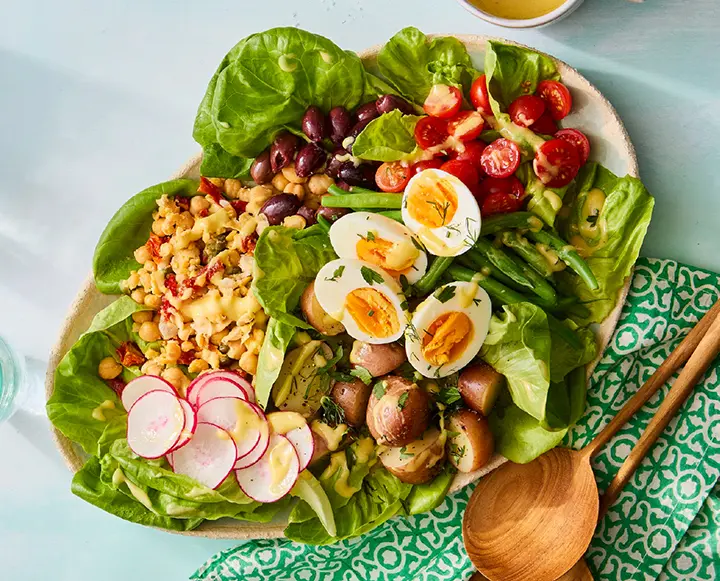
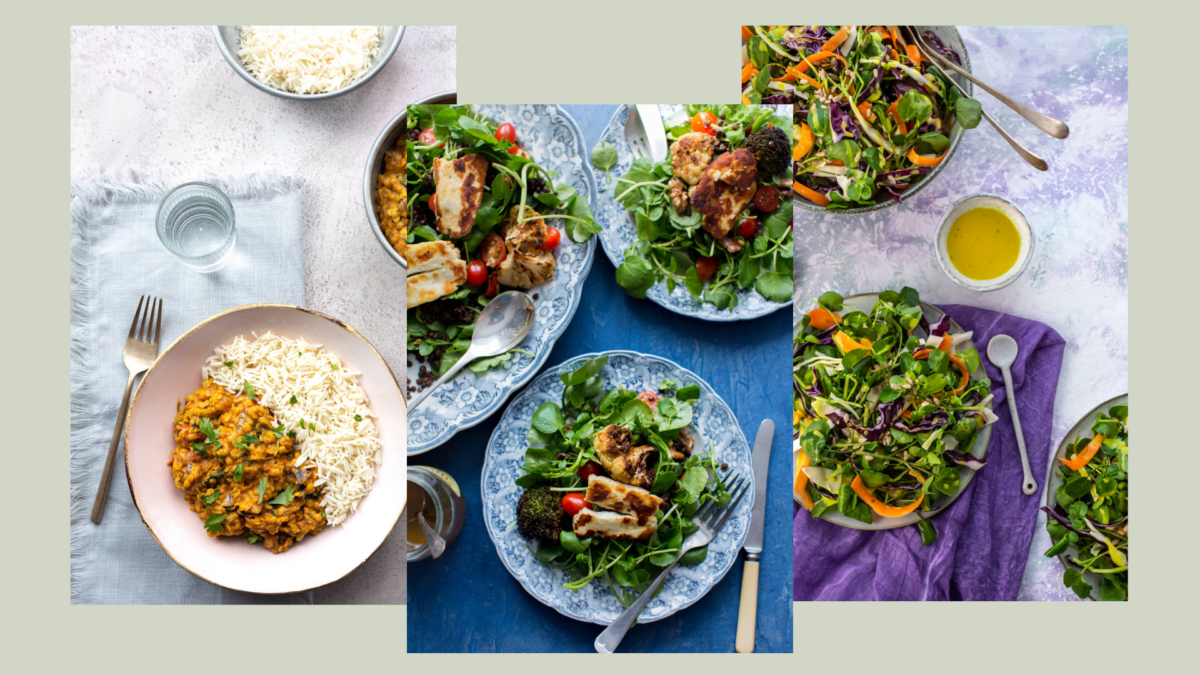
This rich pasta pairs beautifully with light, acidic side dishes. A simple rocket (arugula) salad with a balsamic glaze provides a nice peppery contrast. For added texture, consider topping the pasta with charred courgettes, sun-dried tomatoes, or toasted pine nuts. If you want more protein, roasted chickpeas or grilled tempeh are fantastic plant-based additions.
How do you make avocado pesto creamier?
To achieve maximum creaminess, you must use the cashew-avocado hybrid method. Combining the high-fat content of Hass avocado with quick-soaked cashews creates a thick base. The real trick is adding starchy pasta water during the blending or tossing phase; the starch acts as a natural binder that turns the pesto into a silky sauce that clings to every noodle.
Can you make avocado pesto without pine nuts?
Absolutely. This recipe specifically uses cashews as the primary nut base because they are creamier and more neutral in flavor than pine nuts. If you need a completely nut-free version, you can substitute the cashews with sunflower seeds or hemp hearts, though the texture will be slightly less buttery.