Quick Facts
- 2026 Standard: High-quality options must contain less than 5g of added sugar and zero ultra-processed ingredients.
- Top Brand Picks: Paleonola for traditional honey-sweetened crunch and Struesli for a sugar-free, tiger nut-based profile.
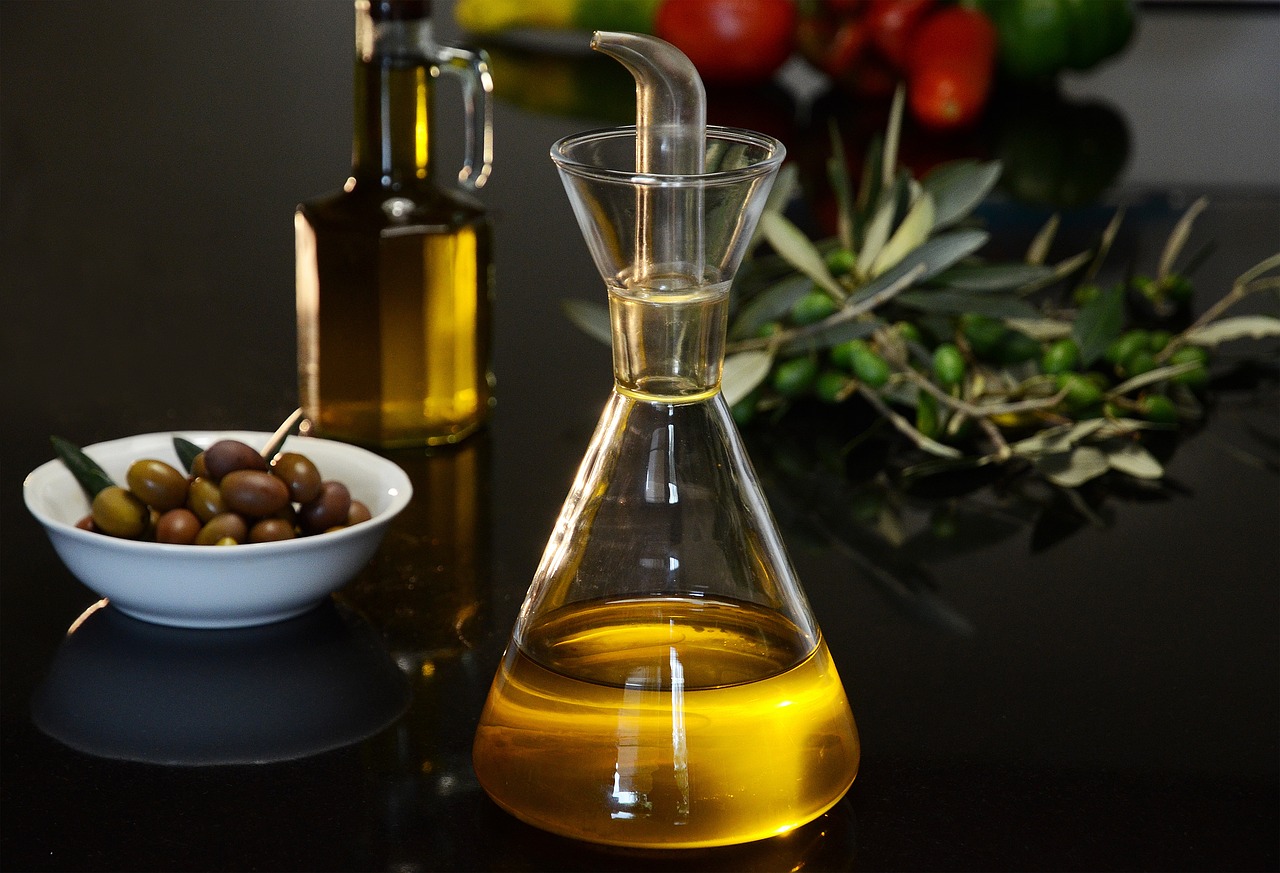
- Best Fat Source: Optimal formulations prioritize extra virgin olive oil or organic coconut oil over inflammatory seed oils.
- Gut-Health Hero: Tiger nuts are the standout ingredient for 2026, offering prebiotic fiber and a unique roasted texture without grains.
- Economic Value: Premium grain free granola functions as a nutrient-dense health investment at approximately $1.26 per serving.
Healthy grain free granola serves as a nutrient-dense grain free cereal alternative by replacing traditional oats and refined grains with whole food ingredients like pepitas, almonds, and tiger nuts. According to 2026 dietary standards, the healthiest versions of grain free granola contain under 5g of added sugar, provide at least 7g of protein from whole food sources, and strictly avoid ultra-processed seed oils to support a stable post-prandial glycemic response.
The 2026 Standard: Why Grains Aren't the Only Factor
As we navigate the evolving landscape of preventative nutrition, the shift from basic gluten-free products to sophisticated grain free granola represents a significant leap in metabolic health. For years, the health food industry relied on refined rice flours and corn starches to fill the void left by wheat. However, the global gluten-free food market, which is projected to reach USD 14.12 billion by 2033, is increasingly prioritizing nutrient density over simple substitution.
The 2026 Federal Dietary Guidelines have introduced a more rigorous framework for evaluating processed snacks. It is no longer enough for a product to simply be celiac-safe; it must also support gut health and blood sugar stability. When examining grain free granola vs gluten free granola differences, the primary distinction lies in the foundational ingredients. Traditional gluten-free granolas often rely on certified oats, which can still cause cross-reactivity in some sensitive individuals and contribute to a higher glycemic load.
To help consumers navigate these choices, we utilize a 6-point scorecard for evaluating grain free granola:
- Added Sugar: Must be 5g or less per 1/3 cup serving.
- Protein Density: At least 7g of plant-based protein derived from whole food ingredients.
- Fiber Content: A minimum of 4g to ensure a low glycemic index.
- Sodium: Kept below 100mg to prevent water retention and maintain cardiovascular health.
- Oil Type: Exclusive use of stable, non-inflammatory fats like olive oil or coconut oil.
- UPF-free status: Zero presence of ultra-processed additives, gums, or natural flavors.
One of the most insidious trends in the industry is sugar stacking, where manufacturers use three or four different types of syrups to hide the total sugar count. While many commercial granolas contain 7 to 12 grams of added sugar per serving, the 2026 standard for clean eating demands a more disciplined approach.
Best Store-Bought Grain Free Granola Brands 2026
Finding a clean label grain free granola without seed oils requires a discerning eye. The marketplace has expanded rapidly, but only a few brands consistently meet the rigorous standards for protein density and digestive health. Whether you are looking for grain free granola for keto and paleo diets or simply a more satisfying breakfast topper, these three brands represent the gold standard for the year.
| Brand | Sugar (per 1/3 cup) | Primary Oil | UPF-Free Status | Best For |
|---|---|---|---|---|
| Paleonola | 4g | Coconut Oil | Yes | Paleo Traditionalists |
| Struesli | 0g | Extra Virgin Olive Oil | Yes | Keto & Gut Health |
| Nature’s Path | 5g | Coconut Oil | Yes | Budget-Friendly Daily Foundation |
Paleonola remains a top-tier choice for those who value the classic, honey-sweetened crunch. By using a mix of pecans, almonds, and pepitas, they achieve a high degree of satiety without the need for fillers. This brand has become a staple for those transitioning to a paleo lifestyle who miss the texture of traditional cereal.
Struesli offers a unique take on the grain free cereal alternative by focusing on tiger nuts and walnuts. Because tiger nuts are actually tubers rather than nuts, they provide a distinct form of resistant starch that feeds beneficial gut bacteria. Their Cacao + Coffee blend is particularly noteworthy for its absence of sweeteners, relying instead on the natural earthiness of the ingredients.
Nature’s Path has also made significant strides in their grain free granola for keto and paleo diets line. Their formulations are widely accessible and provide a consistent source of plant-based protein, making them an excellent entry point for families looking to reduce their household grain consumption.
DIY Mastery: How to Make Crunchy Clusters Without Oats
While store-bought options are convenient, creating a nut and seed granola recipe at home allows for total control over ingredient quality and roast levels. The biggest challenge for most home cooks is achieving the characteristic clusters without the sticky glue provided by oat starches. The secret lies in a technical combination of compression and low-heat baking.
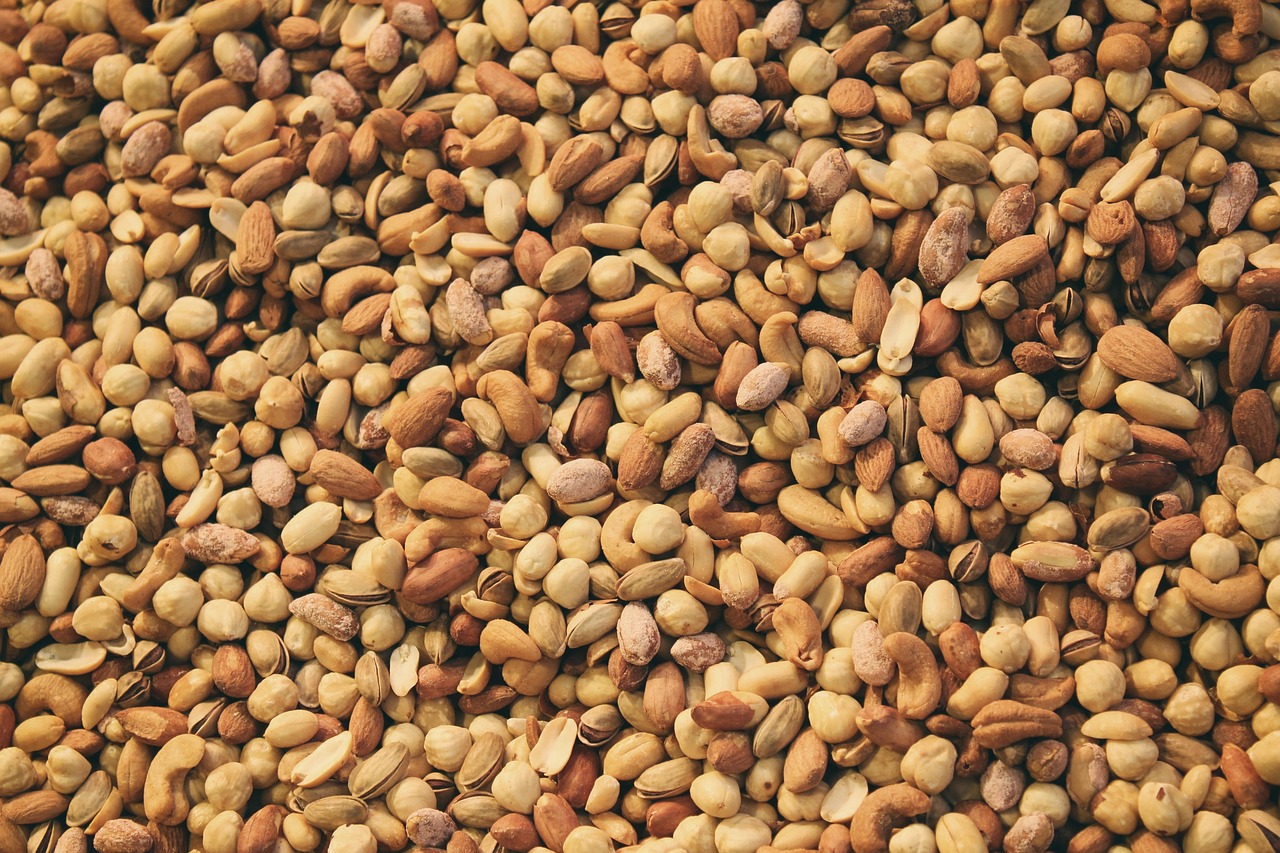
To start your homemade paleo granola, gather raw nuts and seeds such as pepitas, pistachios, and almonds. These provide a robust base of healthy fats and minerals. For added texture and a boost of antioxidants, include unsweetened coconut flakes and cacao nibs.
Step 1: The Binding Mixture In a small saucepan, gently melt a mixture of coconut oil and a small amount of maple syrup. The 2026 health standard suggests keeping the sweetener to a minimum, just enough to help the ingredients adhere. Whisk in vanilla bean paste and a generous pinch of sea salt to enhance the roasted texture.
Step 2: Coating and Compression Pour the liquid mixture over your dry ingredients in a large bowl, ensuring every nut and seed is evenly coated. Transfer the mixture to a parchment-lined baking sheet. Here is the critical step for how to make grain free granola clusters without oats: use another piece of parchment paper to firmly press the mixture down into a flat, uniform disc.
Step 3: The Low and Slow Bake Preheat your oven to 350°F, but immediately turn it down to 325°F once the tray is inside. Bake for 25 to 30 minutes until the edges are golden brown.
Step 4: The Cooling Phase Do not touch the granola when it first comes out of the oven. As the fats and sugars cool, they will harden and bind the nuts together. Allow it to cool completely for at least two hours before breaking it into shards.
Step 5: Airtight Storage To maintain the crunch, store your creation in an airtight container. Homemade versions usually stay fresh for about two weeks, though the high nutrient density often means it disappears much faster.
Red Flag Ingredients to Avoid
When browsing the aisles or choosing ingredients for your own recipes, be wary of these common additives that can compromise gut health:
- Canola or Soybean Oil: These are often used as cheap fats but are high in omega-6 fatty acids which can contribute to systemic inflammation.
- Inulin or Chicory Root Fiber: While technically a prebiotic, high amounts in processed granolas can cause significant bloating and digestive distress for those with sensitive guts.
- Erythritol or Allulose: While keto-friendly, these sugar alcohols can disrupt the microbiome if consumed in excess.
- Natural Flavors: This is a blanket term that often masks the presence of chemical solvents or preservatives.
FAQ
Is grain free granola healthier than regular granola?
From a metabolic perspective, grain free granola is often superior because it generally has a lower glycemic index and higher nutrient density. Traditional granolas are primarily composed of oats, which are high in carbohydrates and can cause rapid spikes in blood sugar. By using nuts and seeds, grain-free versions provide more sustained energy and a better balance of healthy fats and protein.
What are the main ingredients in grain free granola?
The core components of most high-quality grain-free blends include almonds, pecans, walnuts, pepitas, and sunflower seeds. Many premium brands also incorporate tiger nuts for fiber and coconut flakes for texture. Unlike traditional versions, these recipes rely on these whole food ingredients to provide the bulk and crunch rather than grains or puffed rice.
Is grain free granola keto friendly?
Most varieties of grain free granola are keto-friendly, provided they are not excessively sweetened with honey or maple syrup. Brands like Struesli are specifically designed for low-carb lifestyles by using zero added sugars. However, because nuts and seeds are calorically dense, it is important to stick to the recommended 1/3 cup serving size to stay within daily macronutrient targets.
Is grain free granola naturally gluten free?
Yes, by definition, any product that is grain-free is also gluten-free. This makes grain free granola an excellent choice for individuals with celiac disease or non-celiac gluten sensitivity. However, always check for a certified gluten-free label if you are highly sensitive, as some facilities may process wheat or barley on the same equipment.
What can I use as a substitute for oats in granola?
The most effective substitutes for oats are sliced almonds, coconut chips, and tiger nuts. Tiger nuts are particularly useful because they are prebiotic-rich tubers that mimic the chewy yet firm texture of grains when roasted. Using a variety of seeds like chia or hemp can also help fill the structural gaps and add to the overall nutrient density of the mix.