Our Top Picks
- Lekka Burger: Best for those seeking a chef-crafted, umami-rich experience using real portobello mushrooms and beans.
- Beyond Burger (2026 Edition): The top choice for a grill-stable patty that offers a meaty texture and high plant-based protein using avocado oil.
- Akua Kelp Burger: The leading climate-positive option that uses nutrient-dense ocean kelp for a savory flavor profile.
- Hilary’s Eat Well: The best selection for allergen-free diets, prioritizing non-GMO ingredients and a light, fritter-like consistency.
- Engine 2 (Whole Foods): The gold standard for whole food plant based burgers with zero added oils and a hearty texture.
- Jack & Annie’s Jackfruit Burger: The best value for a shredded, meat-like consistency that mimics pulled pork at an affordable price point.
The best healthy veggie burger brands in 2026 prioritize whole food ingredients like mushrooms, beans, and kelp. Top-rated options include the umami-rich Lekka Burger, Akua’s nutrient-dense kelp patties, and Hilary’s Eats Well for allergen-free diets. These brands focus on clean labels and real vegetable textures rather than highly processed soy isolates or artificial additives, making them the best veggie burgers for health-conscious consumers.
2026 Comparison Table
| Brand | Price | Protein | Texture Tag |
|---|---|---|---|
| Lekka Burger | Medium | 12g | Meaty / Firm |
| Beyond Burger | $$ | 21g | Meaty / Snap |
| Akua Kelp Burger | $$ | 10g | Savory / Soft-Firm |
| Hilary’s Eat Well | Low | 6g | Fritter-like |
| Engine 2 | Low | 8g | Hearty / Grainy |
| Jack & Annie’s | $ | 10g | Shredded / Fibrous |
Methodology: How We Vetted the 2026 Market
When we step into our kitchen lab to evaluate the best veggie burgers, we move past the marketing halos and dive straight into the science of satiety and ingredient integrity. For 2026, the plant-based landscape has shifted significantly. We have seen the global plant-based burger market grow from a valuation of approximately $6.9 billion in 2024 to a projected $30.43 billion by 2034. This 16.0% compound annual growth rate has brought a flood of new products, but not all are created equal.
Our vetting process centers on the First Three Ingredients rule. If the foundation of the patty consists of water, soy protein isolate, and methylcellulose, it fails our wholesome test. We look for brands that lead with whole legumes, intact grains, or mushrooms. Furthermore, we partner with dietitians to conduct performance audits. We test these patties on everything from high-heat Blackstone griddles to air fryers to ensure they don't turn into a mushy mess.
To earn a spot on this list, a burger must also hit a protein satiety target of 15-20g for meat-mimics, or provide high-fiber nutrient density for vegetable-forward patties. We prioritize healthy veggie burger brands with clean ingredients that carry certifications like the Clean Label Project, ensuring you aren't consuming heavy metals or pesticides alongside your plant-based protein.
1. Best for Umami: Lekka Burger (Chef-Crafted Excellence)
Lekka Burger represents the pinnacle of what happens when a Michelin-starred chef turns their attention to whole food plant based burgers. Created by Amanpreet Singh, this burger does not try to be a lab-grown chemistry experiment. Instead, it relies on the natural power of portobello mushrooms, beans, and secret spice blends to create a savory flavor profile that rivals traditional beef.
When you bite into a Lekka patty, the first thing you notice is the hearty texture. It isn't spongy; it has a legitimate "chew" that comes from slowly roasted mushrooms and pressure-cooked legumes. It is arguably the best mushroom and kelp based burgers for umami because it understands that fat and salt aren't the only ways to build flavor.
Key Specs
- Protein: 12g
- Price: Medium
- Top 3 Ingredients: Mushrooms, Beans, Grains
- Texture: Firm and meaty
For the flexitarian diet enthusiast who wants a chef-crafted meal without the heavy processing, Lekka is the gold standard. It holds up beautifully in a pan and develops a gorgeous crust that locks in moisture.
2. Best for the Grill: Beyond Burger (2026 Award Winner)
The Beyond Burger has undergone a massive transformation for 2026, earning it the VegNews #1 ranking and a permanent spot on our list. The most significant change is the shift to avocado oil. This move satisfies the demand for best veggie burgers with avocado oil instead of seed oils, providing a cleaner fat profile and a higher smoke point for grilling.
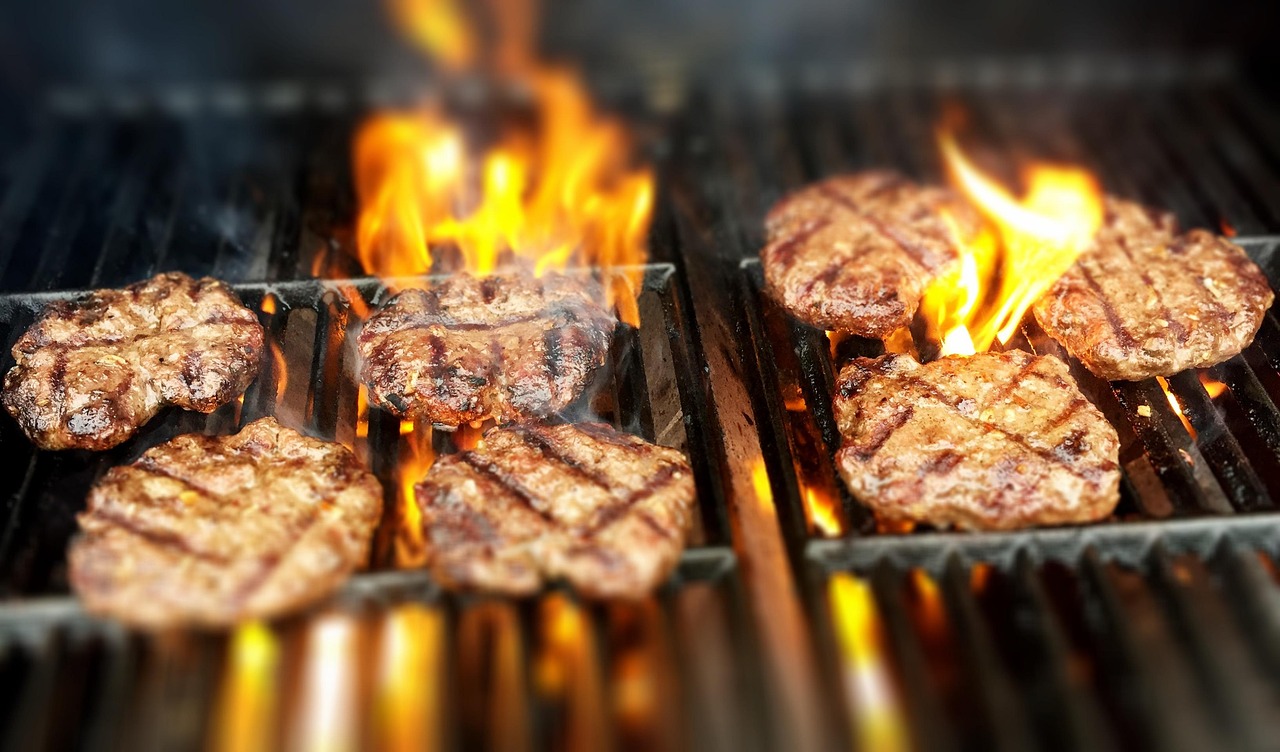
This is the best veggie burgers for grilling that don't fall apart. Thanks to the updated protein structure, the patty maintains a distinct snap and juicy interior even over high flames. It has also achieved Clean Label Project certification, proving that a meaty texture doesn't have to come at the expense of ingredient transparency.
Key Specs
- Protein: 21g
- Price: $$
- Top 3 Ingredients: Pea Protein, Water, Avocado Oil
- Texture: Meaty with a distinct sear
If you are hosting a summer BBQ and need a crowd-pleaser that satisfies meat-eaters, this is the most reliable store bought option. It delivers 21 grams of high-quality plant-based protein while remaining free from GMOs and synthetic fillers.
3. Best Climate-Positive: Akua Kelp Burger
For those who want their dinner to help the planet, the Akua Kelp Burger is a revelation. Kelp is a regenerative powerhouse that sequesters carbon and requires no land, fresh water, or fertilizer to grow. This burger combines kelp with mushrooms to create a nutrient-dense patty that is surprisingly light on the stomach but heavy on nutrition.
The flavor is uniquely oceanic and savory, but don't expect it to taste like seaweed. Instead, the kelp acts as a natural MSG, amplifying the earthy notes of the mushrooms. It is one of the most innovative healthy veggie burger brands on the market today, offering vitamins A, B6, and K along with essential minerals like iodine and magnesium.

Key Specs
- Protein: 10g
- Price: $$
- Top 3 Ingredients: Kelp, Mushrooms, Extra Virgin Olive Oil
- Texture: Soft-firm and savory
We recommend this for anyone following a whole food plant based burgers lifestyle who wants to diversify their protein sources. It’s a clean ingredient plant based burgers option that feels as good to buy as it does to eat.
4. Best Soy/Gluten-Free: Hilary’s Eat Well
Hilary’s Eat Well has long been a staple for the allergen-conscious community, and their 2026 lineup continues to impress. By using millet and adzuki beans, they avoid the common "big nine" allergens while providing a complex carbohydrate profile. These are the best veggie burgers for those who prefer a patty that tastes like real vegetables rather than a meat substitute.
The texture of a Hilary’s burger is more fritter-like than meaty. It’s light, crispy on the outside, and soft on the inside. Because they use non-GMO ingredients and avoid common binders, these patties are perfect for a light lunch or crumbled over a salad.
Key Specs
- Protein: 6g
- Price: Low
- Top 3 Ingredients: Millet, Adzuki Beans, Coconut Oil
- Texture: Fritter-like and crispy
While it doesn't offer the high protein counts of a Beyond burger, it excels as a clean ingredient plant based burgers option for those with sensitive digestive systems.
5. Best Low-Oil/Whole Food: Engine 2 (Whole Foods)
For the purest expression of healthy veggie burger brands with clean ingredients, look no further than the Engine 2 line at Whole Foods. These patties are famously oil-free, designed for those following the Rip Esselstyn plant-strong lifestyle. They rely on the natural fats found in grains and legumes to provide moisture.
The result is a very hearty texture. You can see the actual grains of brown rice and the halves of black beans within the patty. It is the best store bought whole food plant based burgers 2026 for anyone strictly monitoring their fat intake or following a heart-healthy diet.
Key Specs
- Protein: 8g
- Price: Low
- Top 3 Ingredients: Grains, Legumes, Vegetables
- Texture: Hearty and grain-forward
Because there is no oil, these burgers can dry out if overcooked. We suggest heating them through quickly on a non-stick surface or in an air fryer to maintain their internal moisture.
6. Best Value: Jack & Annie’s Jackfruit Burger
Jack & Annie’s has revolutionized the value tier of the freezer aisle. By utilizing jackfruit as the primary ingredient, they offer a patty that mimics the shredded, fibrous texture of pulled meat at a fraction of the cost. At roughly $1.01 per patty, it is the best store bought whole food plant based burgers 2026 choice for families on a budget.
Jackfruit is naturally low in calories but high in fiber, and Jack & Annie’s blends it with pea protein to boost the protein count to 10g per serving. It has a remarkably savory flavor profile that absorbs sauces beautifully, making it perfect for a "pulled pork" style burger with coleslaw.
Key Specs
- Protein: 10g
- Price: $
- Top 3 Ingredients: Jackfruit, Water, Pea Protein
- Texture: Shredded and meat-like
This is a fantastic entry point for the flexitarian diet. It feels substantial and "meaty" without the high price tag or the heavy processing found in other value brands.
Buyer's Guide: How to Avoid the 'Mushy' Burger Trap
The most common complaint about whole food plant based burgers is that they can turn "mushy" or fall apart during cooking. To avoid this, you need to understand the Meat-Mimicry Spectrum. Patties like Beyond or Lekka are designed to be grill-stable because they use specific proteins and fats that solidify when heated. However, vegetable-heavy patties like Hilary’s or Engine 2 require a different touch.
Cooking technique is everything. For the best veggie burgers that don't fall apart, we recommend using an air fryer. The circulating hot air creates a uniform crust on all sides, locking the internal structure in place without the need for constant flipping. If you prefer a griddle, ensure it is pre-heated to medium-high. A cold pan is the enemy of a firm veggie burger.
Watch out for "Red Flag" ingredients. If a burger list is dominated by methylcellulose, carrageenan, or excessive sodium, it is likely relying on chemical binders to hold its shape rather than a hearty texture from real food. Healthy veggie burger brands should feel firm to the touch even before they hit the heat.

FAQ
What is the healthiest type of veggie burger?
The healthiest veggie burgers are those categorized as whole food plant based burgers. These typically lead with whole vegetables, beans, or grains as the first three ingredients. Look for options that are low in sodium (under 400mg) and saturated fat, and avoid those with long lists of isolated proteins or synthetic binders. Brands like Engine 2 and Actual Veggies are excellent examples of this nutrient-dense approach.
How do you keep veggie burgers from falling apart while cooking?
To keep your burgers intact, always start with a very hot cooking surface. For store-bought patties, cooking from frozen often helps them hold their shape better than thawing them first. If you are grilling, choose a grill-stable brand like the Beyond Burger or Dr. Praeger’s Perfect Burger. Avoid pressing down on the patty with a spatula, as this breaks the internal binders and leads to a mushy consistency.
Are veggie burgers actually better for you than beef?
From a nutritional standpoint, the best veggie burgers offer significant advantages over beef, including zero cholesterol and high fiber content. They are generally lower in saturated fat, especially those that use avocado oil or no oil at all. However, it is important to choose healthy veggie burger brands with clean ingredients; a highly processed plant-based patty with high sodium and artificial additives may not offer the same heart-health benefits as a whole-food version.
Are veggie burgers considered highly processed foods?
It depends on the brand. Some "bleeding" plant-based burgers use soy protein isolates and heme produced via fermentation, which classifies them as ultra-processed. However, 2026 has seen a surge in clean ingredient plant based burgers that use minimal processing—simply cooking, mashing, and forming whole foods into patties. By checking the label for recognizable ingredients, you can easily find options that fit within a minimally processed diet.