Quick Facts
- Environmental Impact: Seaweed requires zero freshwater, arable land, chemical fertilizers, or pesticides to thrive.
- Nutrient Density: Certain species like spirulina can contain up to 70% protein by dry weight, making them efficient plant-based alternatives.
- Market Growth: The global seaweed market is projected to reach $25 billion by 2028, reflecting a massive shift in consumer demand.
- Dietary Guidelines: The 2025–2030 Dietary Guidelines for Americans now suggest introducing seaweed to infants as early as six months of age to support early development.
- Ecological Synergy: Cultivating seaweed naturally raises the pH level of surrounding water, which helps nearby shellfish develop stronger, healthier shells.
Seaweed farming provides significant environmental benefits through regenerative aquaculture and blue carbon sequestration. By absorbing carbon dioxide and nitrogen, macroalgae cultivation helps mitigate local ocean acidification and supports marine biodiversity without requiring freshwater or land-based fertilizers.
Reason 1: The Ultimate Resource-Zero Regenerative Crop
When we talk about sustainable seaweed benefits, we have to start with the concept of low-input agriculture. Most of our terrestrial food sources—even plant-based ones like soy or corn—place a heavy burden on the planet. They require vast amounts of arable land, millions of gallons of freshwater, and significant amounts of synthetic fertilizers that often run off into our waterways.
Seaweed completely bypasses these limitations. Because it grows in the ocean, it requires no land and no irrigation. It draws all the nutrients it needs directly from the seawater. This makes it a resource-zero crop that doesn't compete for the precious resources needed to grow other foods. In fact, seaweed cultivation is a highly sustainable food production method that requires no arable land, freshwater, fertilizers, or pesticides to grow.
By adopting regenerative aquaculture, we are essentially farming in a way that gives back to the environment. While land-based farming often depletes the soil, macroalgae cultivation cleans the water. It filters out excess nutrients like nitrogen and phosphorus, which are often the result of agricultural runoff from land. This process helps prevent harmful algal blooms and creates a cleaner habitat for other marine life. For those looking at reducing carbon footprint with seaweed-based meals, the environmental impact of seaweed farming offers a clear advantage over almost any other food group.
Reason 2: Combatting Climate Change with Blue Carbon Sequestration
The ocean is one of our most powerful tools in the fight against climate change, and seaweed is at the heart of this "blue economy." Seaweed grows at an incredible rate—some kelp species can grow up to two feet per day—and as they grow, they perform blue carbon sequestration. This means they pull carbon dioxide out of the water and atmosphere far more efficiently than land-based forests.
This rapid growth does more than just capture carbon; it also aids in ocean acidification mitigation. As the ocean absorbs more CO2 from the atmosphere, the water becomes more acidic, which can be devastating for coral reefs and shellfish. Seaweed acts as a localized buffer, absorbing that acid-forming CO2 and raising the pH levels of the surrounding water. This creates a "halo effect" that supports marine biodiversity, providing a safer haven for fish and crustaceans to thrive.
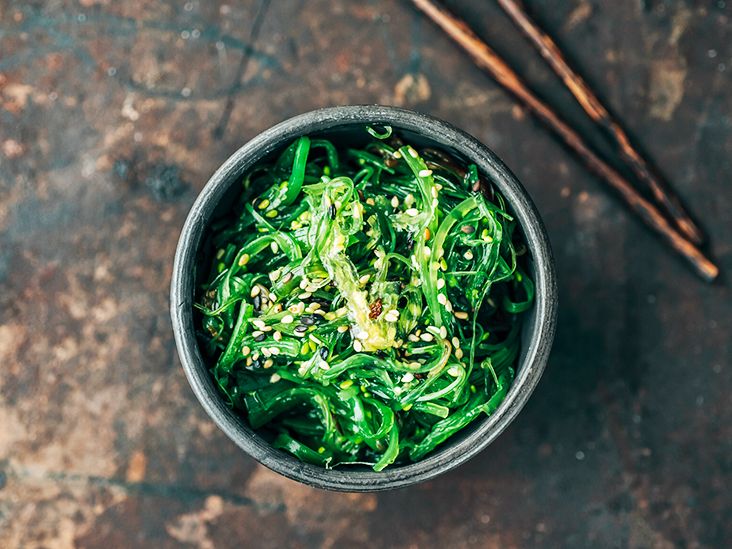
When we compare the difference between wild harvested and farmed seaweed, the farmed variety often provides more consistent environmental benefits. Large-scale macroalgae cultivation allows for controlled growth that maximizes carbon intake without disrupting delicate natural ecosystems.
Reason 3: A Nutritional Powerhouse for Modern Diets
As a nutrition editor, I am often asked if seaweed is just a "salt substitute" or if it offers real value. The reality is that the seaweed nutritional value is nearly unparalleled in the plant world. It is a concentrated source of bioavailable minerals that are often lacking in modern, processed diets.
Seaweed is perhaps the best seaweed as a plant-based iodine source. Iodine is essential for thyroid function and metabolic health, yet it is difficult to find in high concentrations outside of fortified salt or seafood. Beyond iodine, seaweed provides a rich spectrum of magnesium, calcium, and iron.
The nutrient density of these sea vegetables is impressive. For instance, dulse is often praised for its iron content, which is vital for energy levels. When comparing the nutritional benefits of dulse seaweed vs kelp, dulse is often higher in protein and fiber, while kelp is the undisputed king of iodine. Global seaweed production more than doubled over the last decade, reaching over 35 million metric tons in 2023, largely because researchers and consumers are waking up to these health benefits.
Dietary Guidelines Call-out: The 2025-2030 Dietary Guidelines for Americans emphasize the importance of diverse nutrient sources. Seaweed is specifically highlighted for its unique mineral profile and its role in supporting a balanced, plant-forward diet for all age groups.
Reason 4: Culinary Versatility and the Umami Factor
One of the biggest hurdles to sustainable eating is taste, but seaweed has a secret weapon: the umami flavor profile. Umami is the "fifth taste"—that savory, meaty depth that makes food satisfying. This is why seaweed is becoming a staple for those looking to reduce their meat consumption without sacrificing flavor.
There are thousands of edible seaweed types, but beginners usually start with three main categories: Red, Brown, and Green algae. Each offers a different texture and flavor:
| Seaweed Type | Flavor Profile | Key Nutrient Focus | Culinary Use |
|---|---|---|---|
| Dulse (Red) | Smoky, "bacon-like" when fried | Iron & Potassium | Snack, salad topper |
| Kelp/Kombu (Brown) | Deeply savory, salty | Iodine & Magnesium | Soup stocks (Dashi), stews |
| Nori (Red) | Mild, slightly sweet/nutty | Protein & Vitamin A | Sushi rolls, dried snacks |
| Sea Grapes (Green) | Briny, "pop" texture | Fiber & Antioxidants | Fresh garnishes |
If you are looking for the best edible seaweed types for beginners, Nori is the most accessible, but I highly recommend experimenting with dulse. It has a unique ability to mimic the taste of smoked meats, making it a favorite for plant-based cooking. Learning how to use dried seaweed in everyday cooking is simple—you can crumble it over popcorn, whisk it into salad dressings, or drop a piece of kombu into a pot of beans to improve digestibility and add depth.
Reason 5: Economic Resilience and Global Food Security
The expansion of the seaweed industry isn't just about what’s on our plates; it’s about global food security and economic stability. As climate change threatens traditional fishing stocks, seaweed farming offers a vital alternative for coastal communities. It provides a stable source of income for fishers who can no longer rely on dwindling fish populations.
The global seaweed market is expected to grow from $15 billion in 2021 to nearly $25 billion by 2028. This growth is driven by the industrial versatility of macroalgae cultivation. Beyond food, seaweed is being used to create biodegradable plastics, sustainable textiles, and even methane-reducing cattle feed. By diversifying how we use the ocean, we create a more resilient food system that isn't dependent on a few land-based crops.
Choosing and Using: A Buyer’s Guide to Sustainable Seaweed
When you start shopping, it is important to know how to identify sustainably farmed seaweed brands. Look for certifications like the ASC-MSC Seaweed Standard, which ensures the product was harvested with minimal impact on the surrounding environment.
There is a notable difference between wild harvested and farmed seaweed. While wild harvesting can be sustainable if done in small quantities, large-scale farming is generally better for the environment because it doesn't deplete natural kelp forests, which are vital habitats for marine life.
Safety Warning (Hijiki): While most seaweed is incredibly healthy, I advise caution with Hijiki (a black, shredded seaweed). Hijiki has been found to contain significantly higher levels of inorganic arsenic compared to other types. Most health agencies recommend choosing Nori, Kelp, or Wakame instead for regular consumption.
Also, be mindful of iodine limits. While iodine is a benefit, excessive intake can affect thyroid health. For most people, incorporating seaweed into meals 2–3 times a week is the "sweet spot" for reaping the benefits without overdoing the dosage.
FAQ
Why is seaweed considered a sustainable food source?
Seaweed is considered highly sustainable because it requires no freshwater, land, or chemical fertilizers to grow. It thrives entirely on the nutrients already present in seawater and grows much faster than land crops, making it an incredibly efficient food source.
What are the health benefits of eating sustainable seaweed?
Seaweed is a concentrated source of essential minerals like iodine, calcium, and magnesium. It also contains unique fibers and polysaccharides that support gut health, along with plant-based protein and antioxidants that are rare in terrestrial vegetables.
How does seaweed farming help the environment?
Seaweed farming acts as a natural water filter, removing excess nitrogen and phosphorus. It also creates a habitat for marine life and reduces the acidity of the surrounding water, helping to restore local ecosystems while providing a low-carbon food source.
Can seaweed capture carbon from the atmosphere?
Yes, seaweed is a major player in blue carbon sequestration. It absorbs carbon dioxide from the water (which in turn pulls it from the atmosphere) at a rate that is often higher than that of land-based forests, helping to mitigate the effects of climate change.
How can I tell if seaweed is sustainably sourced?
Check the packaging for third-party certifications like the ASC-MSC label. Additionally, research the brand to see if they use regenerative aquaculture practices and if they provide transparency regarding their harvesting locations and heavy metal testing.
Integrating seaweed into your weekly routine is one of the simplest ways to improve your personal nutrition while supporting a healthier planet. Whether you're adding a sheet of nori to your lunch or using kelp to season your evening meal, you are participating in the future of sustainable eating.