Quick Facts
- Diversity Target: Aim for 30+ plant types per week to maximize microbial diversity.
- Fiber Benchmark: Ensure every meal contains at least 5g Fiber to support digestion.
- Sugar Rule: Swap refined sugars for whole-food sweeteners like Medjool dates or bananas.
- Pro-Tip: Mix pearled spelt into your grain bowls to significantly increase intake of beta-glucans.
- Core Benefit: These gut-friendly recipes focus on increasing microbial diversity by providing prebiotic fiber and polyphenols that fuel the production of short-chain fatty acids.
Gut-friendly recipes focus on increasing microbial diversity by incorporating a wide range of plant-based ingredients rich in prebiotic fiber and polyphenols. By avoiding ultra-processed foods and emphasizing whole grains, legumes, and seasonal produce, these meals provide the necessary fuel for beneficial gut bacteria to produce short-chain fatty acids. These compounds are essential for maintaining a strong intestinal barrier and supporting the gut-brain axis.
The Timeline: What Happens When You Eat for Your Gut
When we shift our focus from calorie counting to nourishing our microbiome, the body responds in a predictable sequence of biological improvements. Within hours of finishing a meal rich in prebiotic fiber and resistant starch, your blood sugar levels stabilize, preventing the mid-afternoon energy slump often caused by refined carbohydrates. Over the next few days, as your beneficial bacteria ferment these fibers, you may notice a shift in your mood and mental clarity through the gut-brain axis.
Long-term consistency is where the magic happens. Findings from the American Gut Project show that individuals who eat 30 or more different types of plant foods per week have a significantly more diverse gut microbiome compared to those who eat 10 or fewer. This diversity is the hallmark of metabolic health and a resilient immune system. Furthermore, increasing daily fiber intake by just 10 grams—roughly the amount in one large apple and a cup of cooked beans—can reduce the risk of death from all causes by 15%.
| Timeframe | Biological Shift | Feeling or Benefit |
|---|---|---|
| 2–4 Hours | Glucose Regulation | Sustained energy and no post-meal crash |
| 24–72 Hours | Microbe Activation | Improved energy and mood via the gut-brain axis |
| 2–4 Weeks | Microbiome Richness | Enhanced metabolic health and reduced inflammation |

Recipe 1: Overnight Berry & Oat Power Bowl (Prebiotic Boost)
This breakfast is a cornerstone of any beginner plant-based gut health meal plan. It utilizes the power of overnight soaking, which makes the nutrients in the grains more bioavailable while preserving the resistant starch that our microbes love. The inclusion of mixed berries provides a concentrated dose of anthocyanins, which are potent antioxidants that help protect the lining of the gut.
The Science Behind the Ingredients
- Rolled oats are high in soluble fiber, which forms a gel-like substance in the gut to slow digestion and feed healthy bacteria.
- Flax seeds and walnuts provide essential omega-3 fatty acids that support a healthy inflammatory response.
- Berries contain specific phytonutrients that selectively promote the growth of beneficial Bifidobacteria.
Diversity Score: 6 Plant Types (Oats, Flax, Blueberries, Raspberries, Walnuts, Chia Seeds)
To prepare, combine 1/2 cup of rolled oats with 1 tablespoon of ground flax seeds and 1 cup of unsweetened almond milk. Let it sit in the fridge overnight. In the morning, top with a handful of mixed berries and a drizzle of walnut butter. This simple start to your day provides over 8g Fiber before you even leave the house.

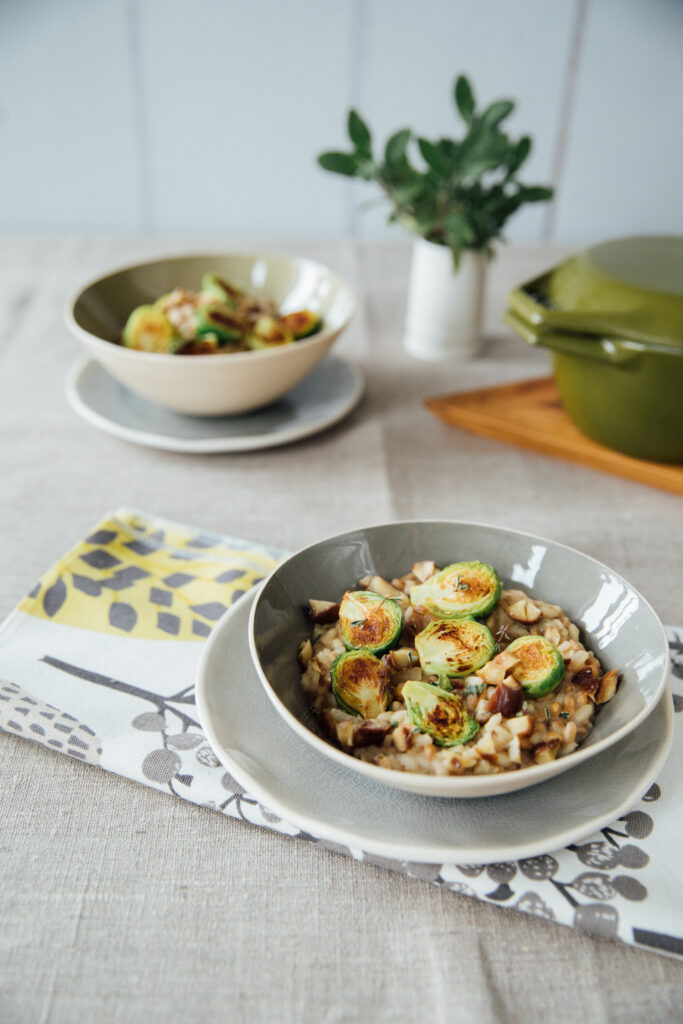
Recipe 2: 15-Minute Pearled Spelt & Chickpea 'Risotto'
If you are looking for an easy gut-healthy lunch prep for the work week, this modern take on risotto is a game-changer. By using pearled spelt instead of traditional white arborio rice, you are significantly increasing your intake of beta-glucans. These are unique fibers found in ancient grains that are particularly effective at regulating cholesterol and supporting the immune system.
The Science Behind the Ingredients
- Pearled spelt offers a much lower glycemic impact than refined grains, keeping your metabolic health in check.
- Chickpeas are a stellar source of prebiotic fiber, specifically galacto-oligosaccharides.
- Fresh herbs like parsley and thyme add to your weekly plant count while providing unique phytonutrients.
Diversity Score: 9 Plant Types (Pearled Spelt, Chickpeas, Spinach, Garlic, Onion, Parsley, Thyme, Lemon, Olive Fruit)
For this gut health plant-based cooking method, sauté onions and garlic in olive oil, add cooked pearled spelt and a splash of vegetable broth, and stir until creamy. Fold in a can of rinsed chickpeas and a large handful of fresh spinach at the very end. This recipe is a perfect example of how cooking with ancient grains for digestive health can be both fast and delicious. Each serving delivers roughly 12g Fiber.
Recipe 3: Dark Chocolate & Medjool Date 'Microbiome' Truffles
Eating for your gut does not mean giving up treats. In fact, gut-friendly desserts with polyphenols and fiber are an essential part of a sustainable lifestyle. Dark chocolate (specifically 70% cocoa or higher) is one of the best sources of polyphenols, which act as a prebiotic by stimulating the growth of beneficial microbes while inhibiting harmful ones. These truffles are high-fiber vegan recipes for microbiome diversity that satisfy a sweet tooth naturally.
The Science Behind the Ingredients
- Medjool dates act as the binder, providing whole-food sweetness along with significant amounts of potassium and fiber.
- Dark chocolate contains cocoa polyphenols that can cross the blood-brain barrier, supporting the gut-brain axis.
- Almond butter adds healthy fats that facilitate the absorption of fat-soluble phytonutrients.
Diversity Score: 5 Plant Types (Cocoa, Dates, Almonds, Sea Salt, Vanilla Bean)
To make these, blend 1 cup of pitted Medjool dates with 1/4 cup of almond butter and a splash of vanilla. Roll into small balls and dip them into melted dark chocolate. Sprinkle with a pinch of sea salt and refrigerate until firm. These snacks are perfect for reaching your goal of how to reach 30 plants a week with simple recipes that feel like a luxury rather than a chore.

FAQ
What are the best foods for gut health?
The best foods for your microbiome are those that are high in fiber and polyphenols. This includes whole grains like pearled spelt, legumes like lentils and chickpeas, a wide variety of colorful vegetables, and fermented foods like kimchi or kefir which introduce beneficial live cultures.
Are there easy gut-friendly recipes for beginners?
Yes, the best way to start is by making small swaps in your current routine. Try replacing white rice with ancient grains or adding a tablespoon of seeds to your morning yogurt. The recipes provided in this guide, like the overnight oats, are designed to be simple and require minimal active cooking time.
Can gut-friendly meals help reduce bloating?
While a high-fiber diet eventually leads to better digestion and less bloating, a sudden increase can sometimes cause temporary gas. It is important to increase your fiber intake gradually and drink plenty of water to help the fiber move through your system efficiently.
What is the best dinner for a sensitive stomach?
For those with sensitive digestion, cooked vegetables are often easier to tolerate than raw ones. A warm bowl of pearled spelt with steamed greens and a lean protein source like chickpeas provides the necessary nutrients for repair without overtaxing the digestive tract.
How do I cook for a healthy gut?
Focus on variety and whole foods. Avoid high-heat frying which can damage delicate fats and instead use methods like steaming, sautéing, or slow-cooking. Most importantly, aim to incorporate as many different plant species as possible into your weekly meals to ensure a broad spectrum of prebiotic fibers.
We encourage you to take the diversity challenge this week. Grab a piece of paper and track how many different plant types you can incorporate into your meals over the next seven days. Whether it is a new herb, a different type of bean, or a handful of seeds, every addition counts toward a stronger, more resilient microbiome.