Quick Facts
- Hot Flash Relief: Incorporating specific plant compounds can lead to a 92% reduction in severe hot flashes when combined with a low-fat dietary approach.
- Protein Target: Experts recommend consuming 1.0 to 1.2 grams of protein per kilogram of body weight to preserve essential muscle mass during the midlife transition.
- Bone Support: Women in this life stage require at least 1,200 mg of calcium daily to help counteract the rapid loss of bone minerals linked to lower estrogen.
- Weight Management: Consuming over 25 grams of fiber daily helps stabilize blood sugar levels and prevents the metabolic shifts that lead to weight gain.
- Direct Symptom Link: A diet rich in fruits and vegetables is associated with a 19% reduction in hot flashes compared to diets low in plant-based nutrients.
Transitioning through menopause requires a nutritional shift. These menopause recipes focus on nutrient density to manage symptoms naturally. Effective menopause recipes prioritize high-quality protein, fiber, and phytoestrogens to stabilize estrogen levels and support metabolic health during perimenopause.
Why Nutrition Matters: The Science of Hormone Balance
As we navigate the years of Perimenopause and the transition into menopause, our bodies undergo a profound biological recalibration. The decline in estrogen is not just about the end of fertility; it impacts almost every system in the body, from the strength of our bones to how we process carbohydrates. This is why shifting our focus toward hormone balancing recipes becomes a necessity rather than a choice.
The primary challenge many of us face is Estrogen regulation. When estrogen levels fluctuate and eventually drop, our internal thermostat can go haywire, leading to those all-too-familiar hot flashes. Simultaneously, our Bone density begins to decline at an accelerated rate, making the intake of bone-supporting minerals more critical than ever. We also see a shift in how our body responds to stress. Cortisol management becomes a daily hurdle, as higher stress levels can exacerbate weight gain around the midsection and interfere with restful sleep.
To address these changes, we use the concept of a Protein Anchor. By ensuring every meal is anchored by high-quality protein, we can stabilize blood sugar and support Metabolic health. This approach is central to the menopause diet meal ideas we recommend. Protein helps maintain lean muscle mass, which naturally wants to decrease as we age, and it provides the satiety needed to avoid the sugar crashes that often trigger mood swings. When we pair these proteins with fiber-rich plants and healthy fats, we create a nutritional foundation that empowers our bodies to handle hormonal shifts with greater ease.
Expert Insight: The goal of eating for menopause is not restriction. It is about adding functional foods that communicate with your endocrine system. We want to provide the building blocks for hormones and the fiber necessary to clear out used hormones effectively.
Recipe 1: Plant-Based Phytoestrogen Power Bowl
One of the most effective ways to manage the intensity of vasomotor symptoms like hot flashes is through the inclusion of Phytoestrogens. These are plant-derived compounds that have a structure similar to our own estrogen. In this plant based menopause recipes for hormone balance, we focus on edamame and flaxseeds. These ingredients contain Soy isoflavones and lignans that can bind to estrogen receptors, providing a gentle balancing effect.
This bowl is also packed with Cruciferous vegetables like broccoli or kale. These vegetables are vital for Estrogen regulation because they contain compounds that help the liver process and detoxify hormones. This is a fantastic example of quick hormone balancing recipes for menopause that you can meal prep in advance. It is designed to be anti inflammatory recipes for menopause hot flashes by reducing the systemic inflammation that often makes symptoms feel more severe.
Ingredients
- 1 cup cooked quinoa (complex carbohydrate for steady energy)
- 1/2 cup shelled edamame (rich in Soy isoflavones)
- 1 cup shredded kale or broccoli florets (cruciferous support)
- 2 tablespoons ground Flaxseeds (for lignans and fiber)
- 1/4 avocado (healthy fats for hormone synthesis)
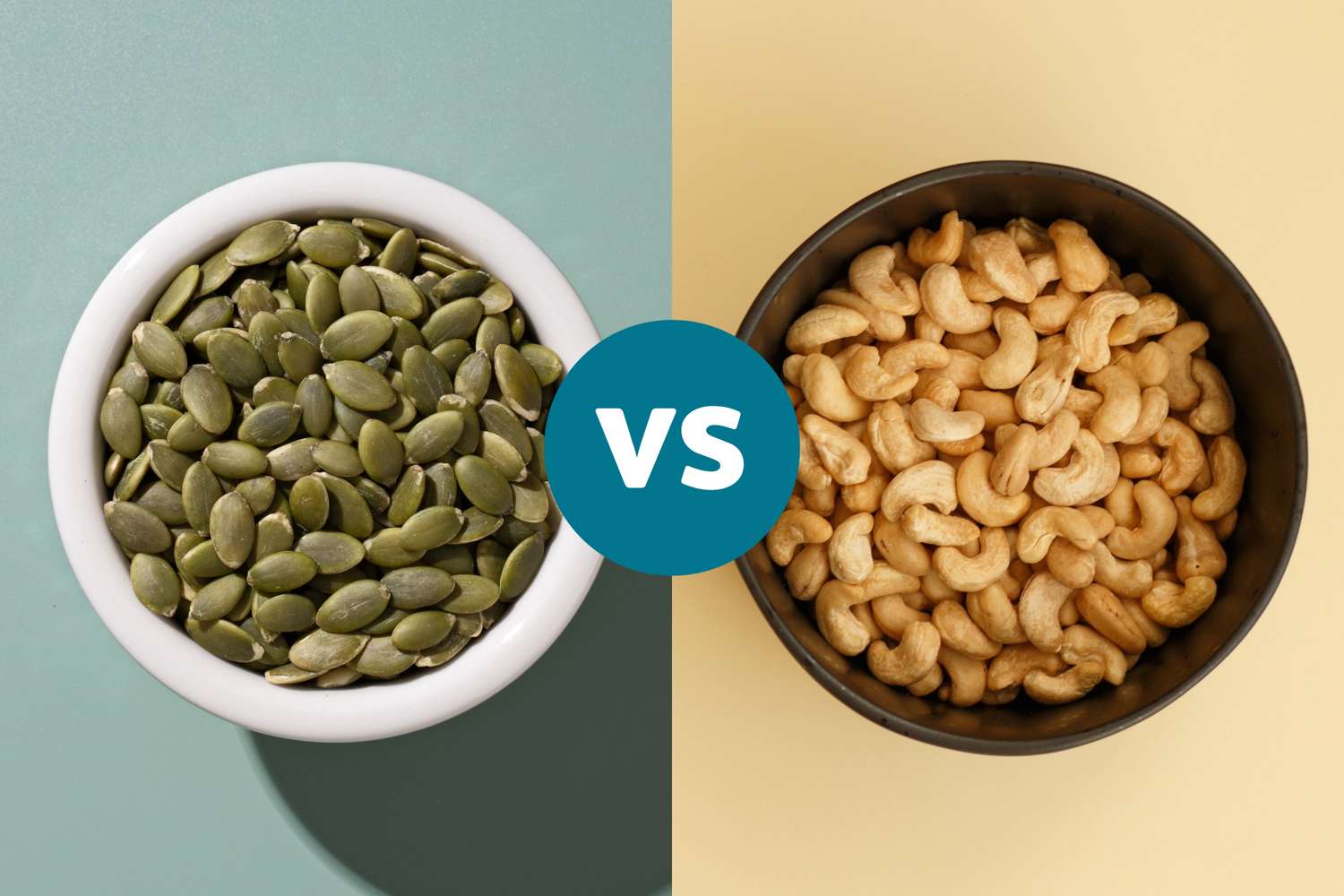
- 1 tablespoon pumpkin seeds (magnesium for sleep and mood)
- Dressing: 1 tablespoon tahini, 1 tablespoon lemon juice, and a pinch of sea salt
Instructions
- Prepare the Base: Place the warm quinoa in a medium bowl. Quinoa is a complete protein, making it an excellent base for menopause recipes.
- Massage the Greens: If using kale, massage it with a tiny bit of olive oil and salt for 30 seconds to soften the fibers and make it easier to digest.
- Assemble: Top the quinoa with the edamame, shredded cruciferous vegetables, and avocado slices.
- Boost the Phytoestrogens: Sprinkle the ground Flaxseeds and pumpkin seeds over the top. Always use ground flax rather than whole seeds to ensure your body can absorb the lignans.
- Drizzle and Serve: Whisk the tahini and lemon juice together with a teaspoon of water until creamy, then pour over the bowl.
Prep time: 10 minutes (if quinoa is pre-cooked) Storage: This bowl keeps well in the refrigerator for up to 3 days. Store the dressing separately to keep the greens crisp.
Why It Works: The combination of fiber and Soy isoflavones helps slow down the digestion of sugars, which is essential for Metabolic health. Meanwhile, the healthy fats from the avocado and tahini support the production of hormones and help with the absorption of fat-soluble vitamins like A, D, E, and K.
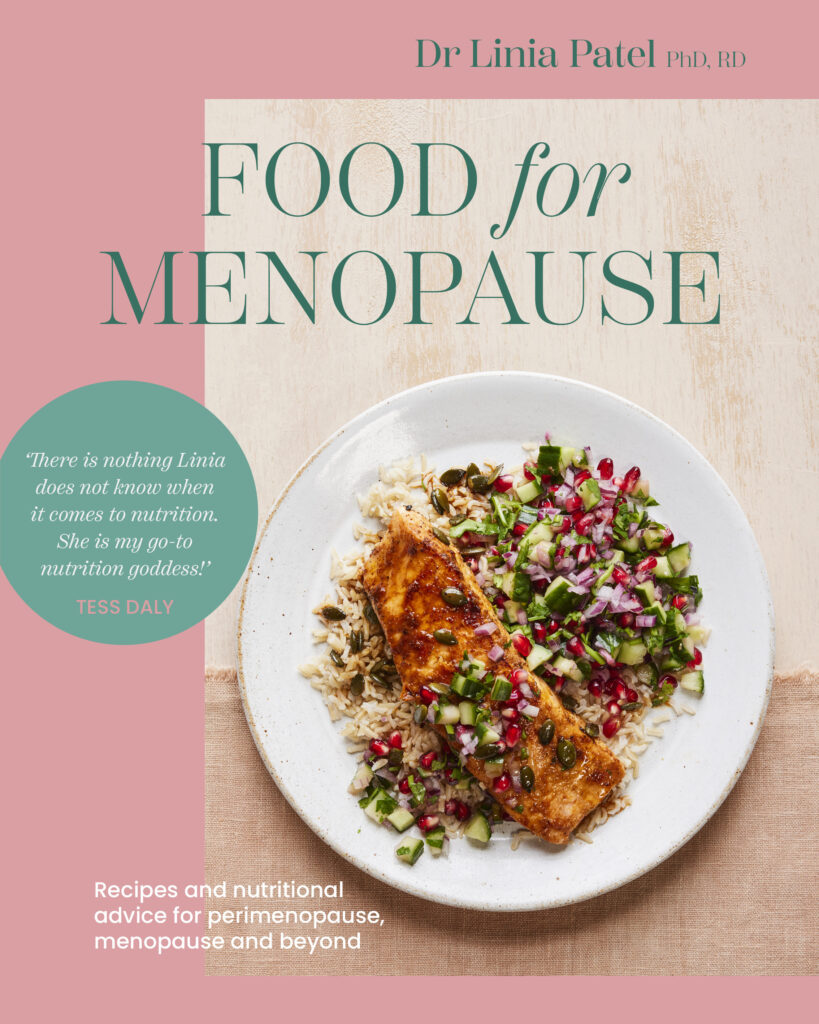
Recipe 2: Omega-3 & Protein-Anchored Salmon Bake
For a dinner that supports both heart health and Bone density, we look to the sea. This recipe is one of our favorite omega 3 rich dinner recipes for menopause. Salmon is not only a high-quality protein source but also an incredible source of omega-3 fatty acids, which are known to support brain health and emotional stability during midlife.
When we talk about calcium rich recipes for menopause bone health, we often forget that bone health requires a symphony of nutrients, including Vitamin D, Magnesium, and protein. This salmon bake utilizes the Plate Method: filling half your plate with colorful vegetables, one-quarter with high-quality protein, and one-quarter with complex carbohydrates. This balance is key to managing the insulin resistance that can sometimes develop during this life stage.
Ingredients
- 6 oz wild-caught salmon fillet (Omega-3 and protein source)
- 2 cups spinach or swiss chard (high in Magnesium and calcium)
- 1/2 cup roasted sweet potato or chickpeas (complex fiber)
- 1 tablespoon olive oil
- 1 clove garlic, minced
- Squeeze of fresh lemon
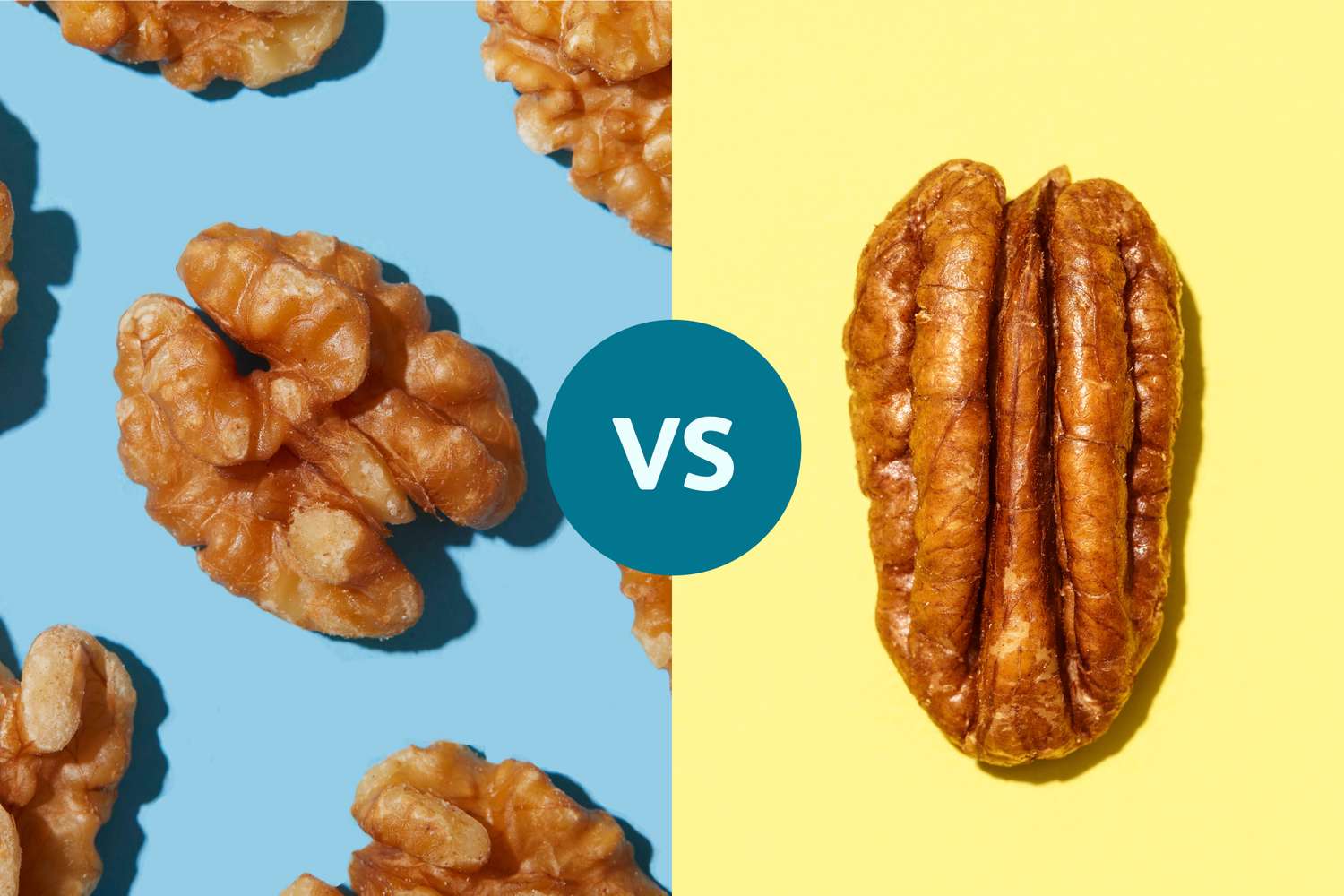
- 1 tablespoon chopped walnuts (extra Omega-3 and crunch)
Instructions
- Preheat and Prep: Preheat your oven to 400°F (200°C). Line a baking sheet with parchment paper.
- Season the Salmon: Place the salmon fillet on the sheet. Rub with olive oil, garlic, and lemon.
- Add the Carbohydrates: If using sweet potatoes, toss them in a little oil and place them on the same sheet. If using chickpeas, they can also be roasted for a crunchy texture.
- Bake: Roast for 12-15 minutes until the salmon flakes easily with a fork.
- Wilt the Greens: While the salmon is roasting, lightly sauté the spinach or chard in a pan with a splash of water or oil until just wilted. This makes the Magnesium more bioavailable.
- Finish: Plate the greens, top with the salmon and potatoes, and sprinkle with walnuts for an extra boost of healthy fats.
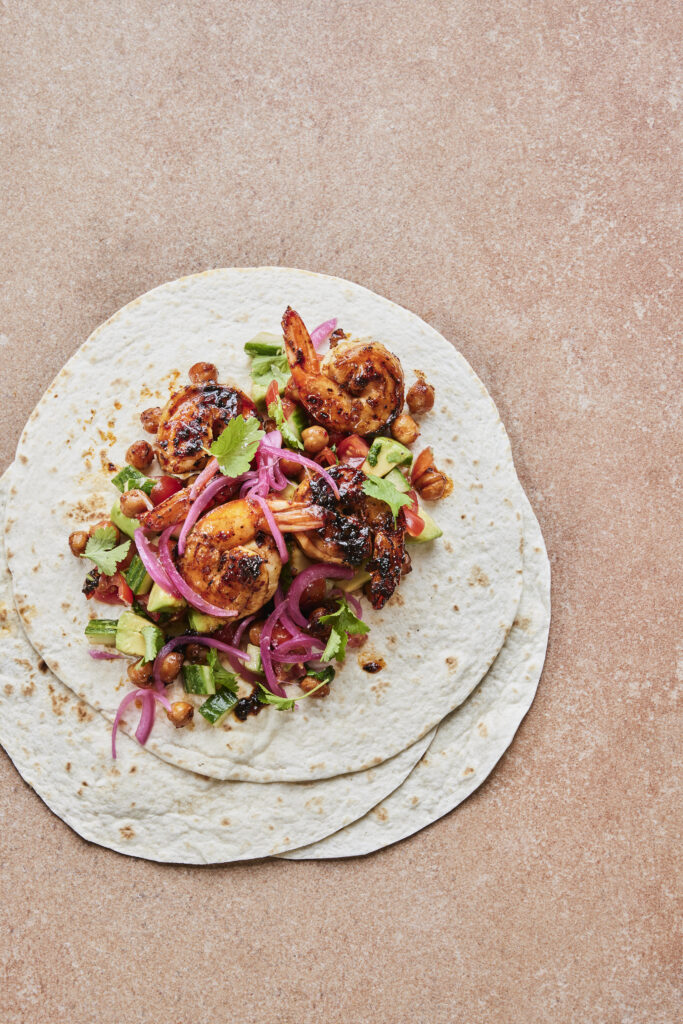
While this is a dinner recipe, the leftover salmon is perfect for high protein menopause breakfast ideas. You can flake the cold salmon over a piece of whole-grain sourdough toast with a spread of avocado the next morning. This ensures you start your day with a solid protein anchor, keeping your energy levels stable until lunch.
Symptom-to-Ingredient Mapping
| Menopause Symptom | Key Ingredient | Functional Benefit |
|---|---|---|
| Hot Flashes | Soy / Edamame | Provides phytoestrogens to mimic estrogen |
| Bone Loss | Spinach / Salmon | Delivers calcium, Vitamin D, and Magnesium |
| Brain Fog | Walnuts / Salmon | Omega-3s support cognitive function |
| Muscle Loss | Salmon / Quinoa | High-quality protein for muscle maintenance |
| Low Energy | Quinoa / Sweet Potato | Complex carbs for steady blood sugar |
FAQ
What are the best foods to eat during menopause?
The best foods for menopause symptoms include those that are nutrient-dense and anti-inflammatory. We recommend a focus on high-quality proteins like salmon, prawns, and poultry to support muscle mass. Additionally, fiber-rich legumes such as chickpeas and lentils are essential for gut health. Phytoestrogen-rich foods like soy and flaxseeds can help balance hormonal fluctuations, while cruciferous vegetables like broccoli and kale support the liver in processing hormones.
Which recipes help reduce menopause weight gain?
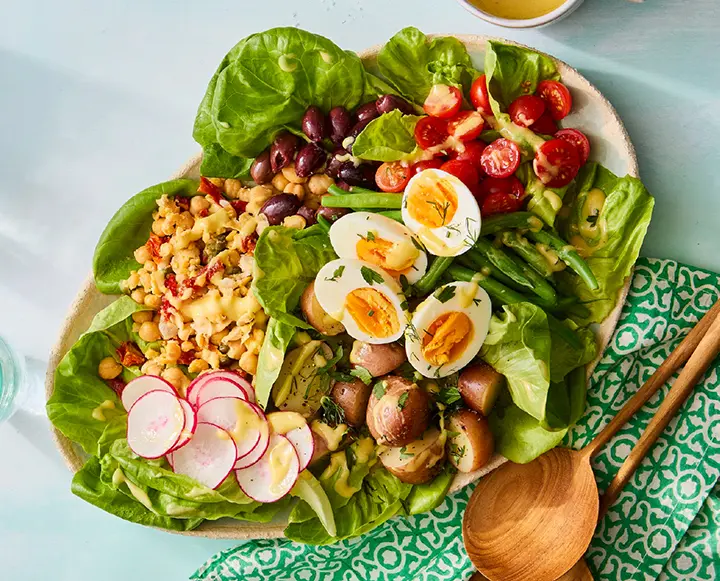
To help manage weight, look for menopause recipes that prioritize fiber and protein over refined sugars. High-fiber meals, such as a large salad with lean protein and seeds, help regulate insulin sensitivity and keep you full longer. Meals that incorporate the Mediterranean style of eating—focusing on healthy fats from olive oil and avocados—are also excellent for maintaining a healthy weight and supporting Metabolic health.
What should a menopause-friendly diet include?
A menopause-friendly diet should include a balance of the three macronutrients at every meal. This means a protein anchor, a healthy fat source, and a complex carbohydrate or plenty of fiber-rich vegetables. It should also be rich in minerals like calcium and magnesium to support Bone density and relaxation. Hydration is equally important, as it helps manage bloating and keeps the skin hydrated during the decline of estrogen.
Are there specific recipes that help with hot flashes?
Yes, plant based menopause recipes for hormone balance that feature soy and ground flaxseeds are specifically designed to target hot flashes. These ingredients provide phytoestrogens that can occupy estrogen receptors in the body, potentially reducing the frequency and severity of temperature spikes. Incorporating these into menopause diet meal ideas, such as smoothies or grain bowls, can provide daily relief.
Is a high-protein diet good for menopause?
A higher protein intake is highly beneficial during this transition. As we age, our bodies become less efficient at processing protein, so we need slightly more to maintain the same amount of muscle. Consuming 1.0 to 1.2 grams of protein per kilogram of body weight can help prevent the metabolic slowdown associated with menopause. Including high protein menopause breakfast ideas, like eggs or Greek yogurt with seeds, helps set a stable glycemic tone for the rest of the day.
Conclusion: Your Midlife Nutrition Roadmap
Navigating the hormonal shifts of midlife does not have to be a journey of deprivation. By focusing on hormone balancing recipes that prioritize protein, fiber, and healthy fats, you are giving your body the tools it needs to thrive. The recipes shared today—the Phytoestrogen Power Bowl and the Omega-3 Salmon Bake—are more than just meals; they are functional tools designed to support your long-term health.
As you move forward, remember that consistency is more important than perfection. Embracing a Mediterranean-style approach to eating, filled with lean proteins, colorful vegetables, and heart-healthy fats, will protect your cardiovascular health and bone strength for years to come. Focus on the protein anchor at every meal, keep your fiber intake high, and listen to your body’s needs. You have the power to influence how you feel through the simple, intentional choices you make in your kitchen every day.