Quick Facts
- Prep Time: 10 minutes
- Yield: 4 cups
- Protein: 18.5g per cup
- Dietary: Vegan, Gluten-Free, Low-Carb
- Flavor Profile: Smoky, Umami, Nutty
- Key Benefit: High protein alternative to traditional hummus
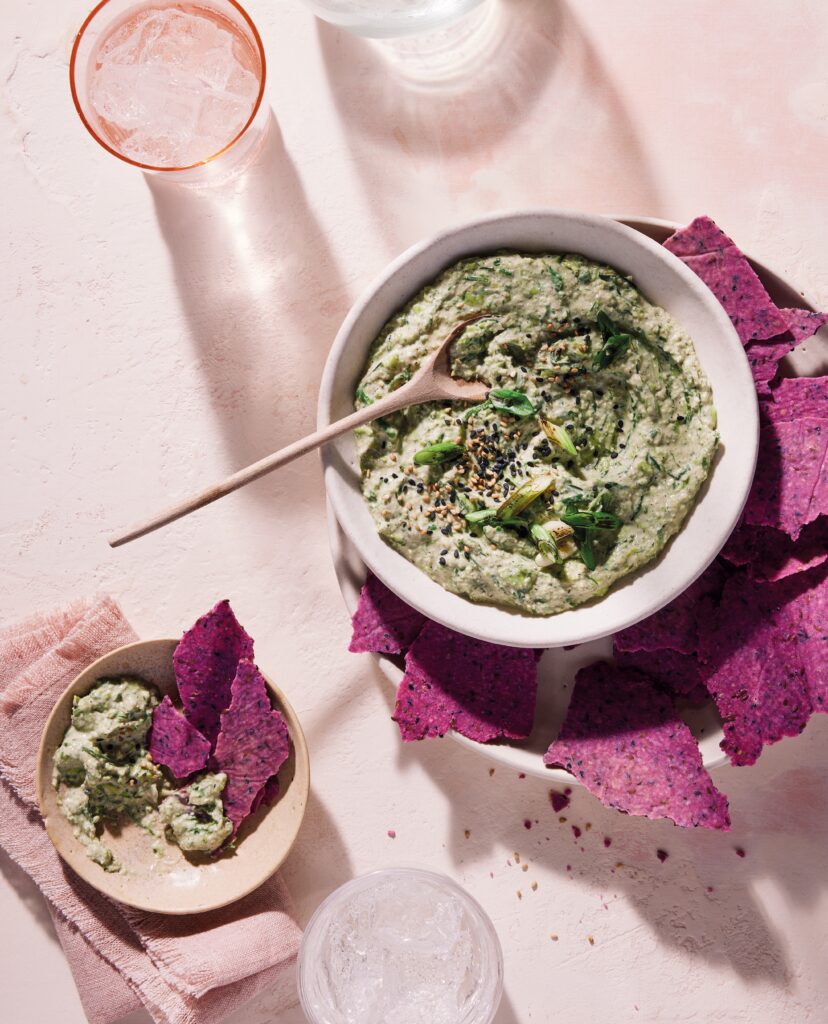
To make this Asian edamame dip, char whole scallions in a dry pan until blackened, then combine them with cooked shelled edamame, lemon juice, garlic, Chinese sesame paste, and toasted sesame oil in a food processor. While blending, stream in olive oil and ice water until the mixture reaches a smooth, emulsified texture. This quick, umami-rich spread can be prepared in under 10 minutes.
This edamame-based dip serves as a high protein, nutrient-dense alternative to traditional chickpea hummus. As a complete plant protein, edamame provides all essential amino acids and a significant amount of fiber. This dairy-free and gluten-free recipe is also low in net carbs, making it an excellent choice for vegan, low-carb, and health-conscious meal prep.
Serve this savory dip as part of a crudité platter with baby bok choy, sugar snap peas, and carrots, or pair it with tamari rice crackers for a gluten-free snack. Its creamy consistency and bold flavor profile also make it a versatile spread for sandwiches or a healthy appetizer for a dinner party. The dip stores well in the refrigerator, allowing for easy advance preparation.
Why Switch to Edamame? The Protein Advantage
When we think of dips, hummus often reigns supreme. However, shifting your focus toward shelled soybeans opens up a world of nutritional benefits that traditional chickpeas simply cannot match. While chickpeas are a wonderful source of fiber, edamame brings a heavy-hitting nutritional profile to the table that is particularly beneficial for those following a plant-based nutrition plan.
One of the most compelling reasons to choose this over standard spreads is the protein quality. Edamame is a complete plant-based protein, which means it contains all nine essential amino acids that the human body cannot produce on its own. For vegans and vegetarians, finding a single ingredient that checks all these boxes is a culinary win. Furthermore, one cup (approximately 160 grams) of cooked edamame provides about 18.5 grams of protein and 8 grams of dietary fiber. This high protein edamame hummus alternative keeps you fuller for longer and helps stabilize blood sugar levels.
Beyond the protein, the micronutrient density is staggering. A standard 160-gram serving of cooked edamame delivers more than 100% of the daily recommended intake of folate and approximately 35% to 50% of the daily value for vitamin K. When you are making edamame hummus without chickpeas, you are essentially creating a vitamin-packed powerhouse that supports everything from bone health to cellular repair. If you are looking for a high protein vegan edamame hummus recipe that actually tastes like a gourmet treat, this recipe bridges the gap between health and indulgence.
The Secret Ingredients: Scallions and Chinese Sesame Paste
The secret to a truly memorable Asian edamame dip lies in the depth of its flavor. While many recipes rely on raw aromatics, we take a different approach by focusing on the charred scallion spread recipe technique. By introducing heat to the scallions before they enter the food processor, you transform their sharp, pungent bite into a mellow, smoky sweetness.
We look for blistered spring onions to provide that essential charred element. This process creates a complex umami profile that mimics the depth found in slow-cooked meats or wood-fired vegetables. When paired with fresh garlic and a splash of toasted sesame oil, the base of the dip becomes incredibly aromatic.
Another critical component is the use of Chinese sesame paste, also known as Zhi Ma Jiang. Unlike Middle Eastern tahini, which is made from raw or lightly toasted hulled sesame seeds, Chinese sesame paste uses deep-toasted unhulled seeds. The result is a much darker, thicker, and more intense paste that offers a nutty backbone to the dip. It is this specific ingredient that gives the spread its authentic "Asian" identity. If you cannot find it, tahini is a functional substitute, but you will miss out on that specific roasted intensity that defines this quick Asian party dip.
Selecting the Best Scallions for Blistering
When shopping for your ingredients, look for scallions with long, firm green tops and bright white bulbs. Avoid any that appear wilted or slimy. The thinner scallions tend to char more quickly and evenly, which is ideal when you are trying to figure out how to make edamame dip in 10 minutes.
Chinese Sesame Paste vs. Tahini
While they look similar, the flavors are distinct. Chinese sesame paste is often compared to peanut butter in its richness. Because it is so concentrated, a little goes a long way. When you incorporate it into the Asian edamame dip with sesame oil and garlic, it acts as the primary emulsifier, helping to bind the fibrous edamame into a smooth consistency.
Step-by-Step: How to Make Edamame Dip in 10 Minutes
Efficiency is the name of the game here. This recipe is designed for the busy home cook who wants a high-quality result without spending an hour in the kitchen. Follow these steps to achieve a professional-grade texture and flavor.
- Char the Scallions: Place the whole scallions in a dry cast-iron skillet or non-stick pan over high heat. Let them sit undisturbed for 2-3 minutes until they start to blacken and blister. Flip them and repeat on the other side. This should take about 5-6 minutes in total. Once they are blackened and softened, roughly chop them.
- Prep the Edamame: If you are using frozen shelled soybeans, bring a small pot of salted water to a boil. Add the edamame and cook for 4 minutes. This extra step ensures the beans are tender enough to yield a smooth consistency. Drain and rinse under cold water to preserve the vibrant green color.
- The First Pulse: Place the cooked edamame, charred scallions, garlic, Chinese sesame paste, lemon juice, and sesame oil into the food processor. Pulse several times until the mixture is coarsely chopped and combined.
- Emulsify with the Ice Water Trick: This is the most important step for a professional finish. With the motor running, slowly stream in the olive oil. Once the oil is incorporated, begin streaming in ice-cold water, one tablespoon at a time. The cold temperature helps the fats in the sesame paste and olive oil to thicken and aerate, resulting in a perfect emulsified texture.
- Final Seasoning: Taste the dip. Add salt or a splash of soy sauce (tamari for gluten-free) if you want more depth. The dip should be light, airy, and incredibly creamy.
Texture Secrets & Troubleshooting
Achieving a smooth consistency with edamame can be trickier than with chickpeas. Edamame skins are slightly more fibrous, which can sometimes lead to a grainier texture if not handled correctly.
If your dip feels too thick or "mealy," don't be afraid of the water. Unlike hummus, where too much water can make it runny, edamame has a high protein content that can absorb a surprising amount of liquid while remaining stable. If you find the texture isn't quite right, continue adding ice water in small increments.
Another professional tip is the 30-minute resting rule. While you can eat this dip immediately, letting it sit in the refrigerator for half an hour allows the smoky flavors of the charred scallion spread recipe to fully permeate the edamame. The flavors will become more cohesive, and the chill will help the dip set into a firmer, more spreadable consistency.
Serving Suggestions: Beyond the Crudité Platter
While this is an exceptional quick Asian party dip when served with standard vegetables, you can elevate the experience by choosing specific pairings that complement the umami profile.
For a traditional approach, a colorful crudité platter is hard to beat. Instead of just celery and carrots, try using baby bok choy leaves, sugar snap peas, or sliced daikon radish. The crunch of these vegetables pairs beautifully with the creamy dip. If you are hosting a party, serve it alongside tamari rice crackers for a satisfying, gluten-free crunch.
However, the versatility of this recipe extends further. It makes a fantastic charred scallion edamame spread for sandwiches or wraps. Use it as a base for a roasted vegetable wrap or spread it onto toasted sourdough topped with sliced cucumbers and a sprinkle of furikake. The high protein content makes it a much more satisfying sandwich base than mayo or mustard. You can even use it as a dollop on top of a warm grain bowl to add a creamy, savory element to your dinner.
FAQ
What are the ingredients in Asian edamame dip?
The primary ingredients are cooked shelled edamame, scallions, Chinese sesame paste (or tahini), garlic, lemon juice, toasted sesame oil, and olive oil. To get the best flavor, we recommend charring the scallions first to add a smoky depth. A splash of ice water is also used during the blending process to help achieve a light, aerated texture.
Is edamame dip a healthy alternative to hummus?
Yes, it is an excellent alternative. Edamame is a complete plant-based protein, providing all essential amino acids, whereas chickpeas are not. Edamame also typically has fewer net carbohydrates and a higher protein-to-calorie ratio, making it a favorite for those on keto or low-carb diets. Additionally, it is packed with folate and vitamin K.
How long does fresh edamame dip stay good in the refrigerator?
When stored in an airtight container, this dip will stay fresh for up to 3 to 4 days. Because it contains fresh aromatics like garlic and charred scallions, the flavor actually improves after a few hours of chilling. If any liquid separates on top, simply give it a quick stir before serving.
Can I use frozen shelled edamame to make dip?
Absolutely. In fact, frozen shelled edamame is often more convenient and just as nutritious as fresh. Just make sure to boil them for about 4 minutes before blending. This softens the outer skins of the beans, which is crucial for achieving a smooth consistency in the food processor.
What do you eat with edamame dip?
It pairs perfectly with a fresh crudité platter featuring vegetables like baby bok choy, carrots, and snap peas. It is also delicious with tamari rice crackers or sliced toasted baguette. For a more substantial meal, use it as a charred scallion edamame spread for sandwiches or as a protein-rich topping for Mediterranean or Asian-inspired grain bowls.
Is edamame dip naturally vegan?
Yes, this recipe is 100% vegan. It uses plant-based fats like sesame paste and olive oil to create creaminess without the need for dairy. It is also naturally gluten-free, provided you use a gluten-free tamari or salt instead of traditional soy sauce for seasoning.