Quick Facts
- Status: Vitamin E is currently not FDA-approved for liver disease, yet it is a primary recommendation in the AASLD (American Association for the Study of Liver Diseases) guidelines for specific patient groups.
- Standard Dosage: The landmark dosage established by clinical research is 800 IU daily, specifically for non-diabetic adults with biopsy-confirmed disease.
- 2025 Research Update: New multi-center trial data suggests that low-dose Vitamin E for MASH at 300 mg daily can also achieve significant reductions in liver enzymes and histological markers.
- Key Benefits: Supplementation primarily targets and reduces lobular inflammation and hepatocyte ballooning, two critical markers of active liver injury.
- Primary Limitation: While effective at stopping active damage, Vitamin E does not show a statistically significant ability to reverse established liver fibrosis or scarring.
- Nomenclature Change: In 2023, the medical community officially transitioned the term NASH (Nonalcoholic Steatohepatitis) to MASH (Metabolic Dysfunction-Associated Steatohepatitis) to better reflect the metabolic roots of the condition.
Vitamin E, specifically alpha-tocopherol, supports liver health in MASH patients by reducing oxidative stress and lipid peroxidation. Clinical meta-analyses indicate that Vitamin E for MASH supplementation significantly lowers serum ALT and AST levels, which are key biomarkers of liver inflammation, while improving histological features such as hepatic steatosis and lobular inflammation.
The Evolution of MASH and the Role of Antioxidants
In late 2023, the global hepatology community underwent a significant shift in terminology. What was formerly known as Nonalcoholic Fatty Liver Disease (NAFLD) is now Metabolic Dysfunction-Associated Steatotic Liver Disease (MASLD). Within this spectrum, the more aggressive inflammatory form, previously called NASH, is now identified as MASH. This change is not merely cosmetic; it acknowledges that liver health is intrinsically tied to metabolic health, including insulin resistance, obesity, and lipid imbalances.
For patients diagnosed with MASH, the liver is in a state of constant metabolic stress. This stress manifests as an accumulation of fat within liver cells, known as hepatic steatosis. However, fat alone is not the only problem. The real danger lies in the oxidative stress that occurs when the liver attempts to process these excess lipids. This process creates reactive oxygen species that damage cell membranes, leading to hepatocyte damage and eventual cell death.
As a Vitamins & Minerals Editor, I often see supplements marketed with vague promises of "detoxification." Vitamin E is different because its mechanism is well-understood and evidence-based. Alpha-tocopherol is the most biologically active form of Vitamin E in humans. It acts as a potent chain-breaking antioxidant, specifically protecting the fatty acid components of cell membranes from lipid peroxidation. By neutralizing free radicals, Vitamin E helps stabilize the environment within the liver, allowing the organ to begin the process of resolution and healing.
The benefits of Vitamin E for liver function in MASH are most pronounced during this inflammatory phase. By dampening the oxidative "fire" in the liver, Vitamin E helps prevent the progression from simple fat accumulation to the more dangerous stages of inflammation and cell ballooning.
Clinical Evidence: From PIVENS to 2025 Studies
The medical foundation for using Vitamin E for MASH was largely built on the PIVENS trial (Pioglitazone vs. Vitamin E vs. Placebo for the Treatment of Non-Diabetic Patients with Nonalcoholic Steatohepatitis). This study is frequently cited because of its rigorous design and clear outcomes. In the PIVENS trial, daily supplementation with 800 IU of vitamin E for 96 weeks resulted in significant histological improvement in 43% of non-diabetic adults with MASH, compared to only 19% in the placebo group. This was a watershed moment for micronutrient science, proving that a specific vitamin could outperform standard care in a clinical setting.
However, the high dosage used in the PIVENS trial (800 IU) raised questions about long-term safety and whether lower doses could be effective. Recent data has provided more clarity on this front. A multicenter clinical trial published in 2025 demonstrated that a lower daily dose of 300 mg of vitamin E achieved liver histological improvement in 29.3% of non-diabetic patients with MASH. This indicates that low-dose Vitamin E for MASH treatment outcomes are still clinically relevant and may offer a more balanced safety profile for long-term use.
Furthermore, broad-scale meta-analyses have shown that vitamin E supplementation significantly reduces serum alanine aminotransferase (ALT) and aspartate aminotransferase (AST) levels. These enzymes are released into the bloodstream when liver cells are damaged or dying. Therefore, the consistent Vitamin E effect on ALT and AST serum levels observed across multiple studies serves as a reliable non-invasive indicator that the supplement is successfully reducing liver cell injury.
Limitations: Inflammation vs. Fibrosis
It is vital for patients to understand what Vitamin E can and cannot do. In clinical terms, MASH is defined by three main histological features: fat (steatosis), inflammation, and cell damage (ballooning). Vitamin E is highly effective at addressing the latter two. By reducing lobular inflammation and stopping hepatocyte damage, Vitamin E can lead to MASH resolution, meaning the liver no longer meets the criteria for active steatohepatitis.
However, the impact of Vitamin E for MASH resolution without fibrosis reduction is a critical distinction. Fibrosis is the scarring that occurs after prolonged inflammation. While Vitamin E can stop the "active fire" of inflammation, it does not significantly "clear the rubble" of existing scars. Meta-analyses typically show a mean difference of only -0.23 in fibrosis scores for patients on Vitamin E, which is not considered statistically significant.
This means that while Vitamin E is a powerful tool for preventing further damage and resolving active inflammation, it should not be viewed as a cure for advanced cirrhosis or severe scarring. Patients with advanced fibrosis must work closely with a hepatologist to manage their condition, as Vitamin E's primary role is therapeutic intervention during the inflammatory stages of MASLD.
Safe Dosage and Supplement Choice
When selecting a supplement, the form of Vitamin E matters immensely. Most clinical trials use alpha-tocopherol, but this can come in two forms: natural and synthetic. Natural Vitamin E is labeled as d-alpha-tocopherol, while synthetic versions are labeled as dl-alpha-tocopherol.
The bioactivity ratio between natural and synthetic Vitamin E is roughly 2:1. This means you would need twice as much synthetic Vitamin E to achieve the same blood levels as the natural form. For MASH patients, choosing a high-quality natural d-alpha-tocopherol is generally recommended to ensure the liver receives the most bioavailable form of the nutrient.
| Feature | Natural Vitamin E (d-alpha) | Synthetic Vitamin E (dl-alpha) |
|---|---|---|
| Source | Plant oils (Soy, Sunflower) | Petrochemical-derived |
| Bioactivity | High (1.0) | Low (0.5) |
| Common Labeling | d-alpha-tocopherol | dl-alpha-tocopherol |
| Potency per mg | 1.49 IU | 1.1 IU |
The AASLD currently suggests a dose of 800 IU daily for non-diabetic adults. However, due to emerging research, many practitioners are now looking at safe Vitamin E intake for liver patients in the range of 300 mg to 400 IU. This lower range aims to provide the antioxidant properties required for liver protection while minimizing the potential side effects associated with high-dose, long-term use.
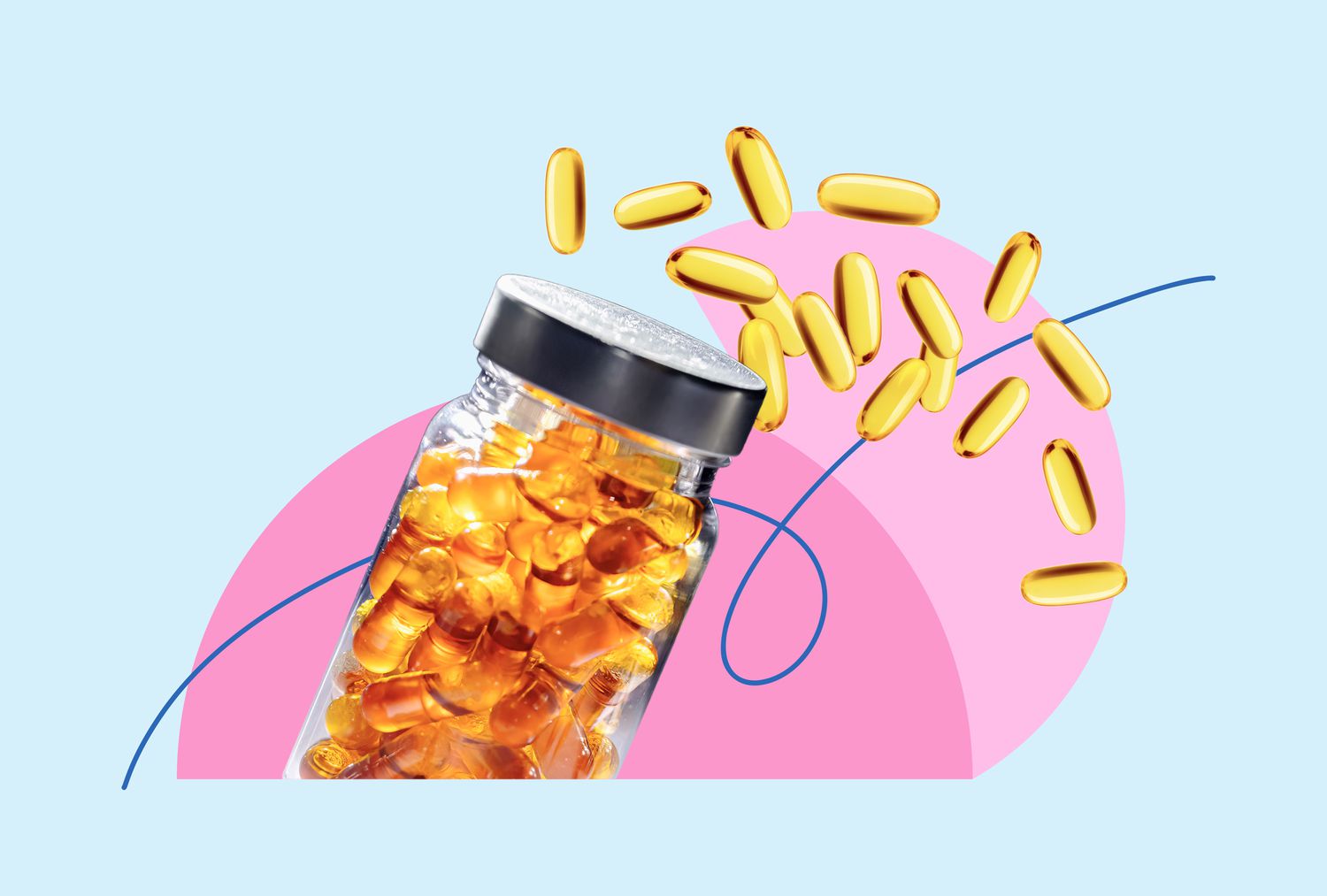
When determining your safe Vitamin E daily intake for liver patients, it is essential to consider your total antioxidant intake from food. While nuts, seeds, and leafy greens are excellent sources, the therapeutic levels required for MASH resolution are difficult to achieve through diet alone, making controlled supplementation necessary under medical supervision.
Risks and Long-Term Safety Concerns
Despite the clear benefits of Vitamin E for liver function, it is not a "more is better" supplement. High-dose Vitamin E has been a subject of debate in the medical community for years. One of the primary concerns is the potential link to an increased risk of hemorrhagic stroke, as Vitamin E has mild blood-thinning properties.
The American Heart Association has also raised warnings regarding an increased risk of heart failure in individuals taking more than 400 IU of Vitamin E daily, particularly those with pre-existing cardiovascular conditions. Furthermore, some studies have suggested a potential increase in the risk of prostate cancer in men taking high doses over long periods, although these findings remain controversial and are not consistently replicated across all trials.
Given these factors, the long-term safety of Vitamin E for metabolic liver disease depends heavily on patient selection. For instance, Vitamin E is currently not recommended as a first-line treatment for MASH patients who also have type 2 diabetes, as the evidence for its efficacy in this specific subgroup is less robust, and the metabolic complexities of diabetes may alter the risk-benefit ratio. Monitoring by a healthcare professional is mandatory to ensure that the benefits of Vitamin E for MASH continue to outweigh the potential risks over months or years of treatment.
FAQ
Is Vitamin E effective for treating MASH?
Yes, Vitamin E is effective at reducing liver inflammation and cell damage in non-diabetic patients with MASH. Clinical trials like PIVENS have shown that it can significantly improve liver histology, specifically by reducing hepatocyte ballooning and inflammation. However, it is less effective at reversing existing liver fibrosis or scarring.
What is the recommended dosage of Vitamin E for MASH?
The standard dose recommended by major liver associations is 800 IU of natural alpha-tocopherol daily for non-diabetic adults. However, recent 2025 data suggests that lower doses, such as 300 mg daily, may still offer significant benefits for liver function markers while potentially reducing the risk of side effects.
Are there risks to taking high-dose Vitamin E for liver disease?
Taking doses above 400 IU daily carries potential risks, including an increased risk of hemorrhagic stroke and heart failure, especially in those with existing heart conditions. There have also been debated concerns regarding an increased risk of prostate cancer in men. Because of these risks, supplementation should always be managed by a hepatologist.
Can Vitamin E help reverse liver fibrosis in MASH?
Current evidence suggests that Vitamin E does not significantly reverse liver fibrosis. While it is excellent at stopping the active inflammation that leads to scarring, it does not appear to break down established scar tissue. Its primary role is in MASH resolution, preventing the progression of the disease rather than reversing advanced stages of scarring.
How long should you take Vitamin E for MASH treatment?
In most clinical trials, patients were treated for approximately 96 weeks (about two years) to see significant histological changes. The duration of treatment depends on individual response, monitored through regular blood tests for ALT and AST levels, and should be determined by a medical professional based on the patient's overall metabolic health.
Consultation for Liver Health
If you have been diagnosed with MASLD or MASH, Vitamin E represents one of the few targeted antioxidant therapies available. However, because of the specific dosage requirements and the need to monitor for long-term safety, it is not a supplement to start on your own. Effective treatment requires a comprehensive approach that includes dietary changes, exercise, and metabolic management.
Always consult with a hepatologist to determine if Vitamin E for MASH is the right choice for your specific health profile, especially if you have co-existing conditions like diabetes or heart disease. Regular monitoring of liver enzymes and periodic imaging can help ensure that your treatment plan is both safe and effective in protecting your long-term liver health.