Quick Facts
- Incidence: The rate of kidney stones in teens has tripled since 1990 in the 12-17 age group.
- Hydration Rule: Aim to drink 1 ounce of fluid for every 2 lbs of body weight daily to maintain urine clarity.
- Sodium Cap: Adolescents should limit daily sodium intake to a maximum of 2,300mg to prevent calcium leaching.
- Primary Trigger: High consumption of ultra-processed foods and sugar-sweetened beverages is a leading driver of mineral crystallization.
- Demographic Shift: Recent data shows the most significant rise in symptomatic cases is among young women aged 18 to 39.
- Prevention Key: Balancing dietary calcium with oxalate-rich foods is more effective than cutting calcium out entirely.
Kidney stones in teens are increasingly common due to dietary shifts toward ultra-processed foods and high sodium intake. These habits, combined with inadequate hydration and the consumption of sugar-sweetened beverages, lead to concentrated urine and mineral crystallization. Adolescent obesity and metabolic factors also contribute to the rising incidence of nephrolithiasis among younger populations.
The Surge: Why Nephrolithiasis is Hitting Teens
For decades, kidney stones were viewed primarily as a mid-life affliction, something that affected older men after years of metabolic wear and tear. However, as an editor focused on mineral science, I have watched the data shift dramatically. The clinical landscape of pediatric urology is changing. Between 1997 and 2012, the annual incidence of kidney stones among adolescents increased by 4.7% per year, a trend that contributed to a doubling of the risk during childhood over that 16-year period.
This isn't just a minor statistical fluctuation; it is a public health signal. When we look closer at the demographics, the numbers become even more specific. A study of kidney stone incidence found that from 1997 through 2012, the rate for girls aged 15 to 19 increased by 28% over a five-year period, while the rate for boys in the same age group increased by 23%. Furthermore, Mayo Clinic research analyzing data from 1984 to 2012 indicated that the most significant rise in symptomatic kidney stone cases occurred among young adults, particularly women aged 18 to 39.
The reasons for this surge are multifaceted, but they center on the intersection of adolescent obesity and a radical change in the modern diet. We are also seeing a geographic influence known as the Stone Belt—a region across the Southern United States where higher temperatures lead to chronic dehydration, further increasing the risk of stone formation in younger populations. As global temperatures rise, this belt is expanding, making fluid homeostasis harder to maintain for active teenagers.
The Biological Breakdown: How Stones Form
To understand kidney stones in teens, we have to look at the chemistry of the urine. Our kidneys are filtration powerhouses designed to maintain fluid homeostasis. When the concentration of certain minerals—most commonly calcium, oxalate, and phosphorus—becomes too high relative to the amount of liquid available to dissolve them, they begin to cluster. These clusters grow into renal calculi, or what we commonly call kidney stones.
A common misconception in mineral science is that eating too much calcium causes stones. In reality, it is often a matter of hypercalciuria, where the body excretes too much calcium into the urine rather than keeping it in the bones. Under normal conditions, about 99% of our body's calcium is stored in the bones and teeth, with only 1% circulating in the blood. However, when a teenager’s diet is high in sodium, the kidneys are forced to excrete that extra salt. As sodium leaves the body through the urine, it "drags" calcium along with it. This creates an electrolyte imbalance and provides the raw material for crystallization.

Once these crystals form, they can become lodged in the small tubes of the kidney or the ureter. Even a tiny stone can cause immense pain because the ureter is a narrow, muscular tube not designed to accommodate hard, jagged mineral deposits.
Dietary Culprits: Sodium, Sugar, and Hidden Salts
The modern food environment is perhaps the biggest driver of the dietary causes of kidney stones in youth. We are seeing a generation raised on ultra-processed foods that are engineered for shelf-stability, which almost always means they are loaded with sodium.
There is a direct link between hidden salt in processed foods and teen kidney stones. Most teenagers consume far more than the recommended 2,300mg of sodium per day, often without realizing it. Sodium is hidden in "healthy" looking bread, deli meats, frozen pizzas, and even some breakfast cereals. When the kidney is flooded with sodium, it becomes a literal breeding ground for calcium-based stones.
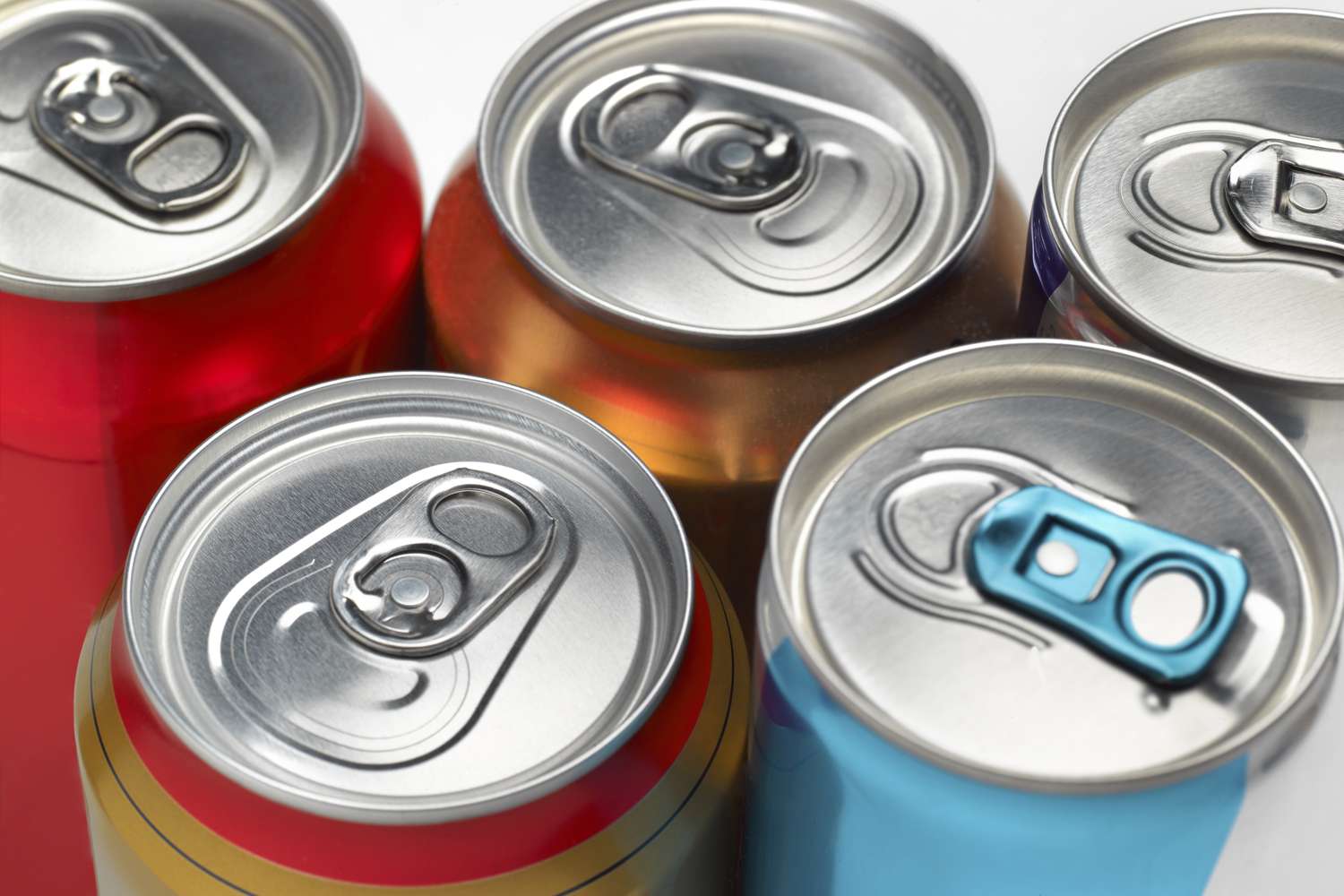
Furthermore, the rise of sugar-sweetened beverages—including sodas, energy drinks, and heavily sweetened sports drinks—compounds the problem. High fructose corn syrup can increase the excretion of calcium, oxalate, and uric acid, all of which contribute to stone formation. At the same time, many young adults are consuming high amounts of animal protein, which can increase urine acidity and lower levels of citrate, a substance that naturally helps prevent stones from sticking together.
| Nutrient Focus | Animal Protein (Higher Risk) | Plant Protein (Lower Risk) |
|---|---|---|
| Examples | Beef, Pork, Poultry, Shellfish | Beans, Lentils, Tofu, Nuts |
| Effect on Urine | Increases acidity; lowers citrate | More alkaline; often higher in fiber |
| Mineral Impact | Increases calcium excretion | Provides magnesium and phytates |
| Recommendation | Limit to 2 servings per day | Incorporate as a primary source |
Recognizing the Warning Signs
Identifying kidney stone symptoms in teenagers can be difficult because the pain often mimics other conditions, like appendicitis or a severe urinary tract infection. However, the hallmark of a kidney stone is the "waves" of intense pain.
The pain usually begins in the back or the side, just below the ribs. As the stone moves down the ureter toward the bladder, the pain often shifts toward the lower abdomen and groin. Parents should also look for microscopic hematuria—blood in the urine that may make the urine look pink, red, or tea-colored.
When to See a Doctor (Triage Checklist):
- Severe pain: Pain that is so intense the teenager cannot sit still or find a comfortable position.
- Nausea and Vomiting: Often a systemic response to the intensity of the renal pain.
- Fever and Chills: These are red flags that may indicate an infection is present alongside the stone, which is a medical emergency.
- Difficulty Urinating: Feeling the urge to go but only passing a small amount of urine, or seeing visible blood.
Learning how to manage kidney stone pain in youth at home usually involves over-the-counter anti-inflammatories under a doctor’s guidance and significant fluid intake, but if any of the "red flag" symptoms appear, a trip to the emergency room or a pediatric urology specialist is necessary.
Prevention Strategies: Hydration and Mineral Balance
The most effective way of preventing kidney stones in young adults is to change the environment of the bladder and kidneys through targeted nutrition and hydration.
The Hydration Rule
Hydration is the single most important factor in stone prevention. If the urine is diluted, minerals cannot stay together long enough to crystallize. A good rule of thumb for active teens is the 50% rule: take your body weight in pounds, divide it by two, and drink that many ounces of water every day. For a 150-pound teenager, that means 75 ounces of fluid.
Hydration Calculator Sidebar
- Weight (lbs) / 2 = Target Ounces per Day
- Example: 140 lbs / 2 = 70 oz (approx. 9 cups of water).
- Pro Tip: If you are an athlete or live in the Stone Belt, add an extra 8-16 oz for every hour of exercise.
Citrate and Mineral Synergy
Citrate is a powerful ally in the fight against stones. It binds with calcium in the urine, preventing it from binding with oxalate. Encouraging teens to choose citrate rich snacks for kidney stone prevention—such as oranges, lemons, and even a daily glass of lemonade (low sugar)—can significantly lower their risk.
Additionally, we must address the calcium and oxalate balance in teen diets. Many parents instinctively try to cut out calcium, but this can actually backfire. When you eat calcium-rich foods (like yogurt or fortified plant milks) alongside oxalate-rich foods (like spinach, beets, or almonds), the calcium and oxalate bind together in the digestive tract before they ever reach the kidneys. This allows them to pass safely through the stool rather than crystallizing in the urine.
Finally, implementing low sodium diet tips for teenagers with kidney stones is vital. Swap out processed chips for air-popped popcorn seasoned with herbs instead of salt, and choose fresh fruits over canned varieties.
FAQ
What are the most common causes of kidney stones in teenagers?
The most common causes include a diet high in sodium and ultra-processed foods, which forces the kidneys to excrete excess calcium. Chronic dehydration is another major factor, as it leads to highly concentrated urine. Additionally, the high consumption of sugar-sweetened beverages and rising rates of adolescent obesity contribute significantly to the formation of stones.
What are the early warning signs of kidney stones in adolescents?
Early signs often include vague aching in the back or side that may be mistaken for a muscle strain. As the stone moves, the pain becomes sharper and more intense, often occurring in waves. You may also notice microscopic hematuria, where the urine appears discolored (pink or brown), or the teenager may experience frequent urges to urinate with little output.
Can a 14-year-old get kidney stones?
Yes, a 14-year-old can certainly develop kidney stones. While once considered rare in childhood, the incidence in the 12-17 age group has tripled over the last few decades. Factors like genetics, diet, and hydration levels play a significant role in why someone as young as 14 might experience nephrolithiasis.
How long does it typically take for a teenager to pass a kidney stone?
The time it takes to pass a stone depends on its size and location. Small stones (less than 4mm) often pass on their own within one to two weeks with high fluid intake. Larger stones may take longer or may require medical intervention if they become stuck in the ureter or cause an obstruction.
When should I take my teenager to the emergency room for kidney pain?
You should seek emergency care if the pain is accompanied by a high fever and chills, as this can indicate a dangerous kidney infection. Other reasons for an ER visit include uncontrollable nausea and vomiting, an inability to pass urine at all, or pain that is so severe that it cannot be managed with standard over-the-counter medications.
Can dehydration in student athletes lead to kidney stones?
Absolutely. Student athletes are at a higher risk because they lose significant amounts of fluid and electrolytes through sweat. If these fluids are not replaced—specifically with water rather than just sugary sports drinks—the urine becomes very concentrated. Over time, this chronic dehydration provides the perfect environment for mineral crystallization.