Quick Facts
- Core Mechanism: The estrobolome produces beta-glucuronidase, an enzyme that reactivates estrogen for reabsorption.
- Top Nutrient: Sulforaphane and I3C found in cruciferous vegetables support the liver and gut pathways.
- Primary Metric: Aim for 30+ different plant species per week to maximize microbial diversity and hormonal stability.
- Supplement Protocol: Calcium D-Glucarate (500-1000mg) blocks reabsorption, while DIM (100-300mg) provides essential liver support.
- Clinical Insight: Postmenopausal estrogen levels show a correlation coefficient of 0.50 or higher with gut microbiome richness and alpha diversity.
- Estrogen Risk: Approximately 80% of breast cancer cases are classified as estrogen receptor-positive, a condition heavily influenced by the estrobolome.
The estrobolome is a specialized collection of gut bacteria responsible for regulating systemic estrogen levels. By producing the enzyme beta-glucuronidase, these microbes determine whether estrogen is safely excreted or deconjugated and recycled back into the bloodstream through enterohepatic recirculation. Maintaining a healthy estrobolome gut health is critical for preventing estrogen dominance and supporting hormonal balance.
Understanding the Estrobolome: The Liver-Gut Axis
For many women, hormonal balance feels like a moving target. We often focus on the ovaries or the thyroid, but the true conductor of your hormonal orchestra may actually reside in your digestive tract. This microbiome-estrogen axis is a complex communication network that dictates how much estrogen circulates in your body at any given time.
The process of managing estrogen is a three-step journey. It begins in the liver through the glucuronidation pathway, where the liver essentially packages used-up estrogen into a water-soluble form by attaching a glucuronic acid molecule to it. This "handcuff" makes the hormone inactive and ready for travel. From the liver, this packaged estrogen is sent to the bile and eventually into the intestines for excretion.
This is where the estrobolome and estrogen metabolism become inseparable. If your gut is healthy, this conjugated estrogen stays packaged and leaves the body through a bowel movement. However, certain bacteria in the estrobolome produce an enzyme called beta-glucuronidase. This enzyme acts like a key that unlocks the "handcuff" through a deconjugation process. Once the estrogen is unlocked, it becomes active again and is reabsorbed through the intestinal wall, entering the bloodstream once more via enterohepatic recirculation.
When your gut is in dysbiosis, you may produce too much of this enzyme, leading to high systemic hormonal exposure. Conversely, if your gut diversity is too low, you might not reabsorb enough, leading to deficiency. Understanding how to lower beta-glucuronidase in the gut is therefore a primary goal for anyone struggling with hormonal flares.

Symptoms of Estrogen Dominance and Gut Dysbiosis
When the estrobolome is out of balance, it often manifests as estrogen dominance. This isn't necessarily because your body is producing too much estrogen, but because your gut is failing to clear it efficiently. You might notice your luteal phase digestion changing—the two weeks before your period where bloating, constipation, or even "period flu" symptoms arise.
An imbalanced estrobolome is often the hidden link behind conditions like PCOS and endometriosis. In these cases, the gut-brain-skin connection becomes apparent as hormonal acne and mood swings fluctuate alongside digestive discomfort. If the gut lining is compromised, or "leaky," the recycled estrogen can trigger systemic inflammation, further complicating the clinical picture.
| Symptom Category | High Estrogen (Dominance) | Low Estrogen (Deficiency) |
|---|---|---|
| Menstrual Cycle | Heavy periods, painful cramps, short cycles | Irregular periods, skipped cycles, light flow |
| Mood & Brain | Anxiety, irritability, "brain fog" | Depression, low motivation, hot flashes |
| Physical Body | Breast tenderness, hip/thigh weight gain | Night sweats, vaginal dryness, joint pain |
| Skin & Hair | Hormonal acne (jawline), oily skin | Thinning hair, dry/inelastic skin |
| Digestion | Severe bloating, constipation | Slower metabolism, changed microbiome |
To better understand the hormones we are tracking, we can look at the E1-E4 Estrogen Taxonomy:
- E1 (Estrone): The primary estrogen after menopause, often converted from adrenal androgens.
- E2 (Estradiol): The strongest and most prevalent estrogen during reproductive years.
- E3 (Estriol): A weaker estrogen, most prominent during pregnancy.
- E4 (Estetrol): Produced only during pregnancy by the fetal liver.
Dietary Strategies: The '30 Plants' Rule and Estrogen Clearance
The most powerful tool for shaping your estrobolome is your fork. Research has shown that dietary patterns, particularly the Mediterranean diet, can lead to up to a 40% reduction in circulating estrogen levels compared to high-fat, low-fiber Western diets. This is largely due to the role of dietary fiber and estrobolome function. Fiber acts as a physical sponge, binding to estrogen and ensuring it stays in the stool.
To truly foster estrobolome gut health, we recommend the 30 plants rule. By consuming at least 30 different species of plants per week—including fruits, vegetables, grains, nuts, seeds, and herbs—you provide the diverse prebiotic fibers needed to nourish a wide range of beneficial bacteria. This diversity is the best defense against the overgrowth of microbes that produce excess beta-glucuronidase.
Specific foods to improve estrobolome health include:
- Cruciferous Vegetables: Broccoli, kale, and cauliflower contain indole-3-carbinol, which the body converts into DIM to support liver pathways.
- Flaxseeds: Rich in lignans, which can bind to estrogen receptors and provide a gentle balancing effect.
- Alliums: Leeks, onions, and garlic provide the prebiotic fuel for the microbiome-estrogen axis.
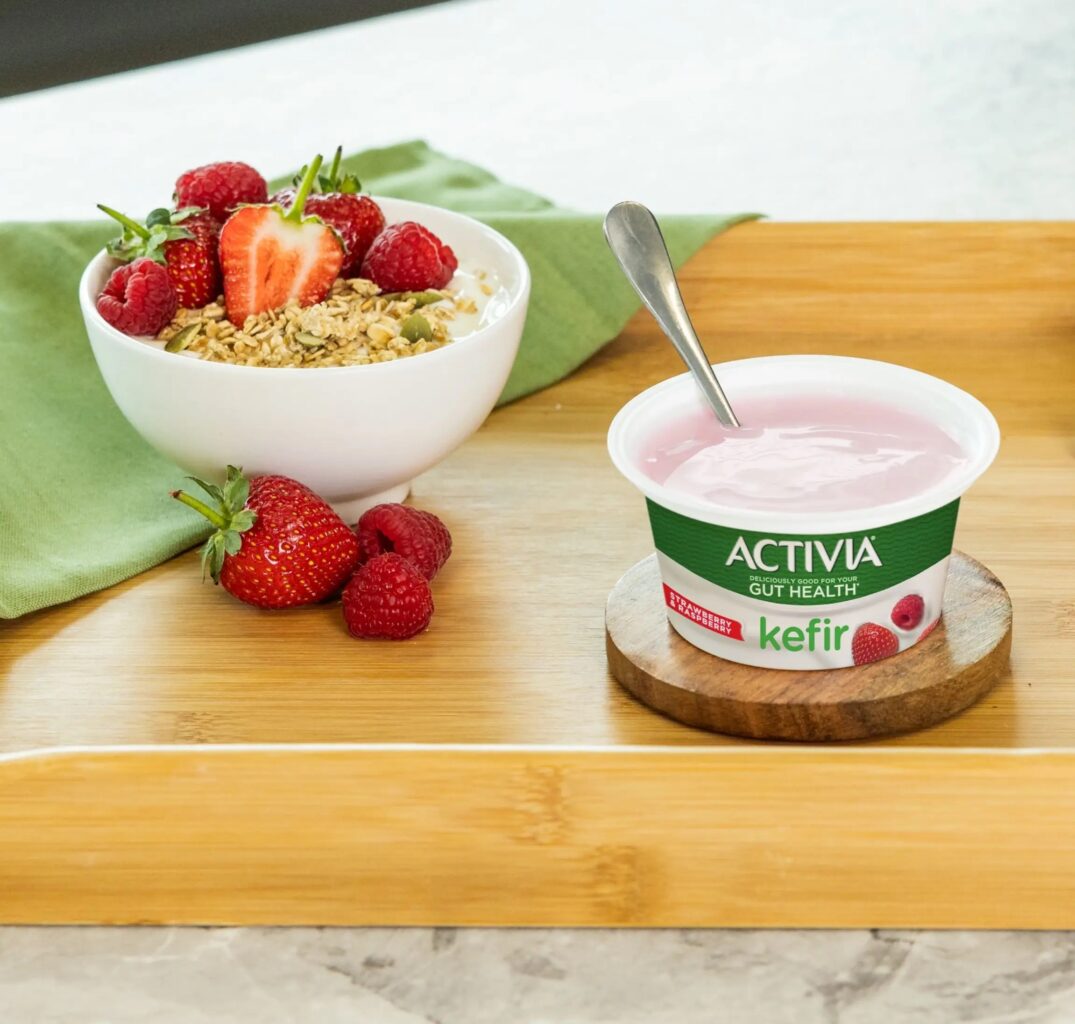
- Fermented Foods: Sauerkraut and kefir introduce beneficial strains that produce short-chain fatty acids (SCFAs), which heal the gut lining.
Cruciferous vegetable compounds are particularly vital because they contain sulforaphane, a potent inducer of Phase II detoxification in the liver. This ensures that the first step of estrogen clearance is working effectively before the hormone even reaches the estrobolome.
The Supplement Protocol: DIM, Calcium D-Glucarate, and Probiotics
While food is the foundation, functional nutrition often requires targeted supplementation to correct deep-seated imbalances. When looking at hormone balance supplements UK market options, two names frequently appear: DIM and Calcium D-Glucarate. While they both support estrogen, they work at different stages of the process.
The debate of calcium d-glucarate vs DIM for estrogen clearance is easily settled by looking at their mechanisms. DIM (diindolylmethane) supports the liver in choosing the "healthy" pathway for estrogen metabolism, ensuring more of the protective 2-OH estrogen is produced rather than the potentially harmful 16-OH pathway. Calcium D-Glucarate, on the other hand, works directly in the gut. It inhibits the enzyme beta-glucuronidase, preventing the "unlocking" of conjugated metabolites and ensuring estrogen is successfully excreted.
Pro-Tip: Dosage Guidelines
- Calcium D-Glucarate: 500-1000mg per day, typically taken with meals to ensure it is present in the gut during digestion.
- DIM: 100-300mg per day, ideally paired with a small amount of fat for better absorption.
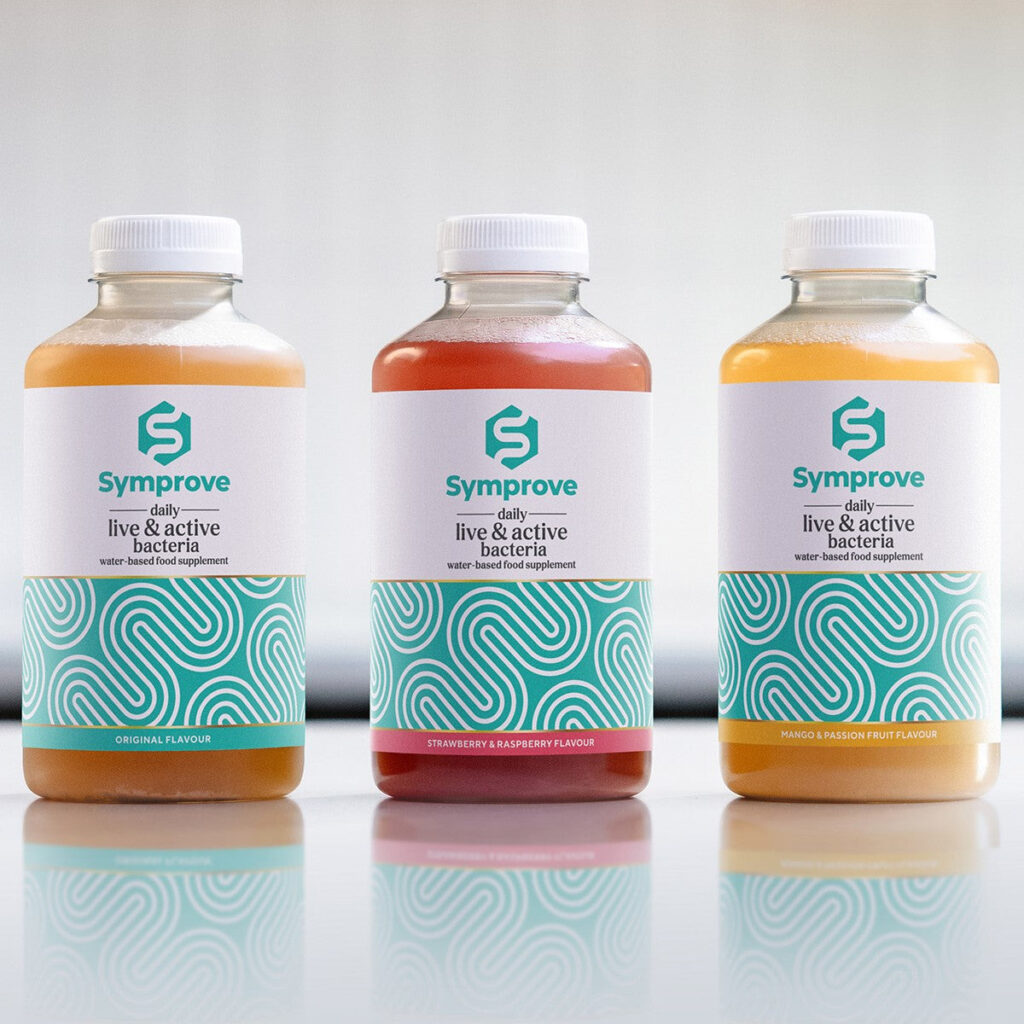
Finding the best probiotics for estrogen metabolism UK can also be a game-changer. You should look for formulations that include Bifidobacterium strains and Lactobacillus strains, such as Lactobacillus acidophilus. These specific microbes have been shown to stabilize the gut environment and help maintain a healthy balance of beta-glucuronidase activity.
Life Stages: Menopause and the 'Male-Like' Microbiome
As women transition into perimenopause and menopause, the estrobolome undergoes a significant shift. The decline in ovarian E2 (estradiol) production can lead to a less diverse gut microbiome, sometimes referred to as a "male-like" microbiome. This loss of diversity can impair the body's ability to manage the remaining E1 (estrone), which can exacerbate symptoms like weight gain and mood changes.
Using gut health tips for perimenopause estrogen balance is essential during this time. The estrobolome continues to regulate systemic levels, and maintaining its health can help mitigate the steep drop in hormones. Furthermore, there is a burgeoning link between gut health and DEXA bone density scores. A healthy gut ensures the absorption of bone-building minerals and helps maintain a baseline level of circulating estrogen, which is protective for bone health.
During this stage, we must also be wary of endocrine-disrupting chemicals (EDCs) found in plastics and certain personal care products. These "xenoestrogens" can mimic real estrogen and clog up the estrobolome's clearance pathways. By supporting the gut-hormone link, we give the body the best chance to navigate this transition with grace and vitality.

FAQ
What exactly is the estrobolome and how does it work?
The estrobolome is a specific community of bacteria in your gut that produces the enzyme beta-glucuronidase, which deconjugates inactive estrogen metabolites. This process decides whether estrogen is removed from your body as waste or recycled back into your blood to be used again.
How does gut health affect estrogen levels in the body?
Gut health regulates the recycling of estrogen. If the gut is unhealthy or lacks diversity, it may recycle too much estrogen (leading to dominance) or fail to recycle enough (leading to deficiency). The gut acts as the final checkpoint for hormonal balance before excretion.
What are the symptoms of an imbalanced estrobolome?
Common symptoms include severe bloating, heavy or painful periods, breast tenderness, and mood swings often associated with estrogen dominance. It can also contribute to more chronic conditions like endometriosis or hormonal acne.
How can I naturally improve my estrobolome health?
The most effective way is to increase microbial diversity by eating 30 or more different plant foods each week. Focus on fiber-rich foods, cruciferous vegetables like broccoli, and fermented foods like sauerkraut to nourish the bacteria that keep estrogen levels stable.
Can probiotics help balance estrogen through the gut?
Yes, certain probiotics, particularly those containing Lactobacillus and Bifidobacterium, help stabilize the gut environment. This reduces the overproduction of the enzymes that cause estrogen reabsorption, helping to maintain a healthier systemic balance.
How does the estrobolome impact menopause symptoms?
During menopause, a decrease in gut diversity can make symptoms like hot flashes and bone density loss worse. By supporting the estrobolome, postmenopausal women can better manage the transition from estradiol to estrone and maintain better metabolic health.