Quick Facts
- Initial Onset: Most patients begin to see the first signs of botox working within 3 to 5 days.
- Peak Effectiveness: Full results typically settle between day 10 and day 14.
- Standard Duration: Results generally last 3 to 4 months for most facial areas.
- Masseter Exception: Jaw slimming results take longer to appear (4-6 weeks) but last longer (up to 6 months).
- The 4/24 Rule: Stay upright for 4 hours and avoid vigorous exercise for 24 hours post-injection.
- Maintenance Strategy: Consistent treatments every 3 to 4 months can weaken target muscles, potentially extending longevity over time.
Most patients notice the Botox results timeline begin within 3 to 5 days, with full skin-smoothing effects peaking at day 14. This onset time depends on factors like metabolic speed, the specific area treated, and the dosage administered.
Understanding the Neuromodulator Mechanism
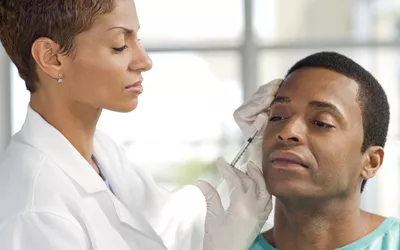
To understand why the Botox results timeline is not instantaneous, we must look at the underlying pharmacology. Botulinum toxin type A is a powerful neuromodulator that functions by intercepting the communication between nerves and muscles. Specifically, it targets the SNAP-25 protein, preventing the release of acetylcholine—the neurotransmitter responsible for triggering muscle contraction.
When the toxin is injected into a specific muscle, such as the frontalis in the forehead, it does not immediately freeze the area. Instead, it begins a molecular process of muscle contraction inhibition. Your body requires several days to complete this biochemical blockage. During the first few days, the nerve signals are gradually muffled rather than cut off entirely. This is why patients often report a "heavy" or "slow" feeling in their facial expressions before the skin actually appears smoother.
The gradual nature of this onset is actually an advantage for achieving a natural look. It allows the surrounding facial anatomy to adjust to the reduced movement of the treated muscle. According to clinical data, most patients begin to see the initial skin-smoothing effects of Botox within 3 to 5 days, which reflects the time it takes for the toxin to bind to the nerve terminals and begin its work.
The First 14 Days: A Day-by-Day Onset Guide
The Botox onset time is often a source of anxiety for first-time patients who expect to leave the clinic looking ten years younger. In reality, the transformation is a slow burn. Knowing what to expect 14 days after botox can help manage expectations and prevent unnecessary worry about whether the treatment "took."
| Timeline | What to Expect | Physical Sensation |
|---|---|---|
| Day 1-2 | No visible change in dynamic wrinkles. | Possible minor tenderness at injection sites. |
| Day 3-5 | Initial softening of lines; muscle movement begins to slow. | A slight "heaviness" in the treated area. |
| Day 7-9 | Significant smoothing of fine lines; limited muscle mobility. | Difficulty making deep scowls or high brow raises. |
| Day 10-14 | Peak results achieved; skin looks its smoothest and most settled. | Muscles are resting; the "frozen" or "refreshed" look is final. |
By day 14, the neuromodulator has reached its maximum binding capacity. This is the gold standard window for a follow-up or touch-up appointment. If you still have significant movement or deep lines after two weeks, your injector may need to adjust the units per area to better suit your muscle strength. It is essential to wait the full 14 days before requesting more toxin, as adding more too early can lead to an over-treated, expressionless appearance.
Factors That Influence Your Botox Results Timeline
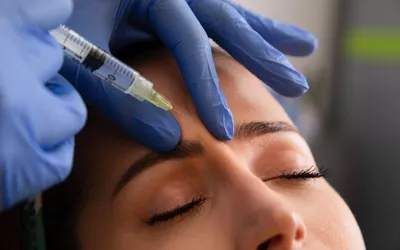
Not every face responds to Botulinum toxin type A at the same speed. Several biological and lifestyle variables act as Botox effectiveness factors, dictating both how quickly you see results and how long they last.
Metabolic Speed and Activity Levels One of the most significant factors that influence how fast botox works is your metabolic rate. Patients with a high basal metabolic rate—often athletes or those with high-intensity lifestyles—tend to process the toxin more quickly. While this might not drastically change the initial 14-day onset, it frequently shortens the duration of the results. If your body is highly efficient at cellular repair and turnover, it will work faster to create new nerve endings, bypassing the blocked ones and restoring muscle movement sooner.
Muscle Strength and Density The size and strength of the muscle being treated play a massive role. Men, for example, often have stronger facial muscles and thicker skin, which usually requires more units per area to achieve the same smoothing effect seen in women. If the dosage is too low for a strong muscle, you might find the results take longer to peak and fade significantly faster.
Dosage and Precision There is a direct correlation between the number of units injected and the longevity of the results. While a "Baby Botox" approach (using fewer units for a more mobile, natural look) is popular, it naturally results in a shorter Botox results timeline. More units generally lead to a more complete block of acetylcholine, extending the time before the muscle regains its strength.
Area-Specific Results: Forehead vs. Crow's Feet vs. Masseters
The location of the injection is perhaps the biggest determinant of how long for Botox to peak and how long the effect will endure. Different facial muscles vary in size, depth, and how frequently we use them.
- Forehead and Frown Lines: This is the most common area for treatment. The botox peak results timeline for forehead lines is usually 10 to 14 days. Because we use these muscles constantly for expression, the results typically last 3 to 4 months.
- Crow's Feet: The skin around the eyes is much thinner, and the orbicularis oculi muscle is quite active. Many patients report a faster onset here (sometimes within 48-72 hours), but the crow's feet botox timeline and longevity tend to be the shortest, often requiring a refresh every 2.5 to 3 months.
- Masseters (Jaw Slimming): This is a completely different experience. Because the masseter is a thick, powerful muscle used for chewing, the toxin takes much longer to atrophy the muscle. You may not see the slimming effect for 4 to 6 weeks. However, the reward is a much longer duration, often lasting 4 to 6 months.
Maintenance and 'Muscle Training': When to Rebook
The question of how often to get botox for maintenance is a common one in longevity circles. While the average duration is 3 to 4 months for most patients, regular users often find that their results last longer over time. This is due to a concept often called "muscle training" or muscle atrophy.
When a muscle is consistently inhibited from contracting, it gradually weakens from lack of use. Over several years of regular treatments, the muscle becomes thinner and less capable of creating deep dynamic wrinkles. Consequently, the skin stays smoother for longer intervals, and you may eventually be able to extend your appointments to every 5 or 6 months.
Decade-by-Decade Maintenance Summary
- The 20s (Preventative): Focus on low dosages in areas where fine lines first appear. Frequency: 1-2 times per year.
- The 30s (Corrective & Preventative): Targeting the "11" lines and forehead as they become more permanent. Frequency: Every 3-4 months.
- The 40s+ (Restorative): Managing deeper static lines and potentially combining with fillers. Frequency: Every 3 months to maintain muscle weakness.
Post-Treatment Aftercare: Maximizing Results
Your behavior in the first 24 hours after your appointment can significantly impact the Botox onset time and the overall quality of the result. Proper aftercare protocols are designed to ensure the toxin stays exactly where it was placed and binds effectively to the target nerves.
- The 4-Hour Rule: Remain upright. Lying down or bending over too soon can cause the toxin to migrate toward the orbital bone, potentially leading to unintended side effects like eyelid ptosis (drooping).
- The 24-Hour Activity Ban: Avoid vigorous exercise, saunas, and hot tubs. Increased blood flow to the face can diffuse the toxin away from the injection site, diluting its effectiveness.
- Hands Off: Do not massage or rub the treated areas. This is the most common cause of toxin migration.
- Blood Thinners: Avoid alcohol, aspirin, and Vitamin E for 24 hours to minimize the risk of bruising, which can distract from the smoothing results.
FAQ
How long does it take for Botox to start working?
Most patients begin to see the first signs of softening within 3 to 5 days after the procedure. This is the time required for the botulinum toxin to begin blocking the neurotransmitters that cause muscle contraction.
When will I see the full results of my Botox treatment?
The full skin-smoothing effects typically peak between day 10 and day 14. By the end of the second week, the muscle movement is at its lowest point and dynamic wrinkles should appear significantly reduced.
Does Botox work immediately after injection?
No, Botox does not work immediately. Unlike dermal fillers, which provide instant volume, Botox requires a biological process to inhibit nerve signals, which takes several days to manifest.
How long do the effects of Botox usually last?
On average, the results generally last between 3 to 4 months. However, this can vary based on the area treated, your metabolism, and the number of units used.
Is it normal for Botox to take 14 days to show results?
Yes, it is perfectly normal. In fact, clinical practitioners recommend waiting the full 14 days before evaluating the success of the treatment or seeking a touch-up, as the toxin continues to settle during this entire window.
Why do some people see Botox results sooner than others?
Individual factors such as a slower metabolism, smaller muscle mass, and the precision of the injection can all contribute to a faster onset. Conversely, those with very strong muscles or high physical activity levels may notice a slightly slower Botox results timeline.
If you are approaching the 14-day mark and have questions about your results, the best course of action is to schedule a follow-up with your certified injector to ensure your facial anatomy has responded as expected. Regular maintenance is the key to long-term skin longevity and a consistently refreshed appearance.