Quick Facts
- Preparation Time: 15 minutes
- Key Benefit: High prebiotic fiber for gut health
- Core Ingredients: Frozen peas, cottage cheese, wholemeal spelt flour
- Plant Diversity: Includes 3+ fresh herb varieties
- Nutritional Focus: Stable blood sugar and microbiome support
- Dietary Flexibility: Easily adaptable for vegan or dairy-free diets
Tim Spector’s savoury pea pancakes are a gut-friendly breakfast made with frozen peas, cottage cheese, wholemeal spelt flour, and fresh herbs. The recipe uses a blender to combine the wet ingredients and most of the peas into a textured batter, which is then mixed with lemon zest and spring onions to provide a significant source of prebiotic fiber and plant-based protein to support microbiome diversity.
The Microbiome Science: Why Peas for Breakfast?
As an editor focused on the inner workings of the human gut, I am often asked how to transition from a standard sugary breakfast to something that actually feeds your beneficial bacteria. The answer often lies in your freezer. Tim Spector, a leader in genetic epidemiology and co-founder of ZOE, has long championed the idea that our plates should be a playground for the microbiome. One of the core ZOE nutrition principles is the focus on quality over calorie counting, specifically looking at how food affects your unique blood sugar and fat responses.
Research from the American Gut Project, co-led by Dr. Tim Spector, found that individuals who consume 30 or more different types of plant foods per week have significantly more diverse gut microbiomes than those who eat 10 or fewer. This diversity is the hallmark of a healthy digestive system, linked to better immunity and even improved mood. Starting your day with savoury pea pancakes is a strategic move toward that 30-plant goal.
Frozen peas are the unsung heroes of the gut-health world. Far from being a simple side dish, a half-cup serving of green peas provides approximately 4.4 grams of fiber and 4.3 grams of protein. This combination is essential for feeding the microbes in your lower intestine that produce short-chain fatty acids, which help regulate inflammation. By using wholemeal spelt flour and protein-rich cottage cheese, these pancakes ensure a low glycemic response. Unlike a bowl of processed cereal that causes a spike and subsequent crash, these high fibre savoury pancakes for gut health provide slow-release energy, making them excellent blood sugar friendly savoury pancakes for breakfast.
Tim Spector’s Herby Pea Pancake Recipe
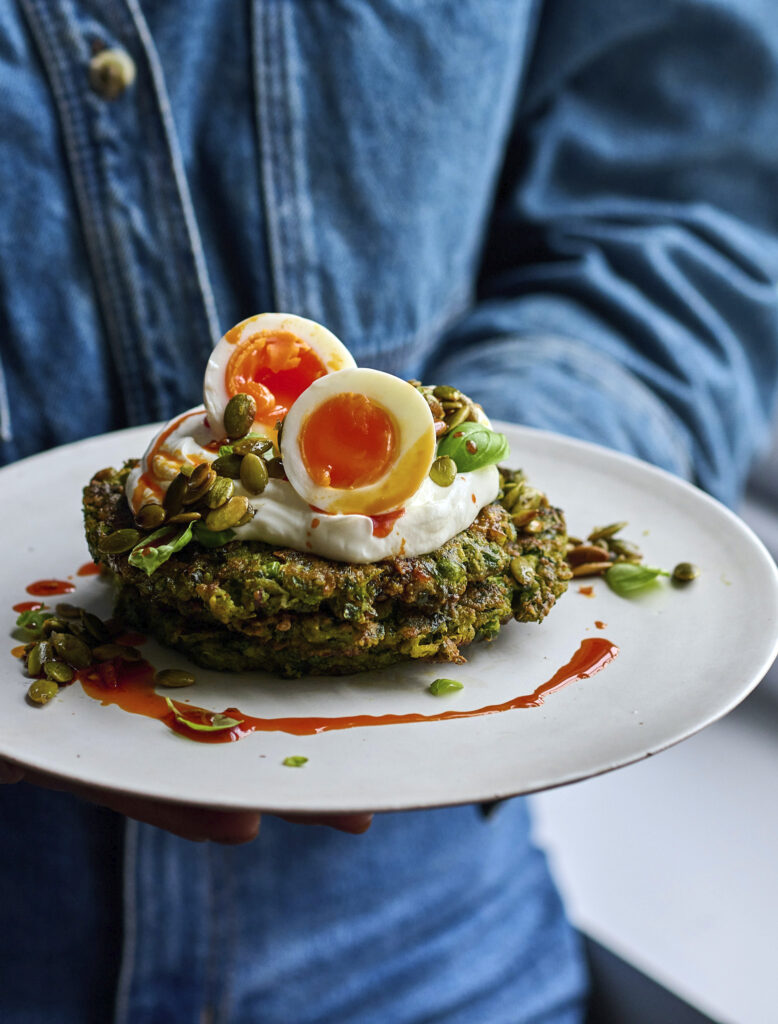
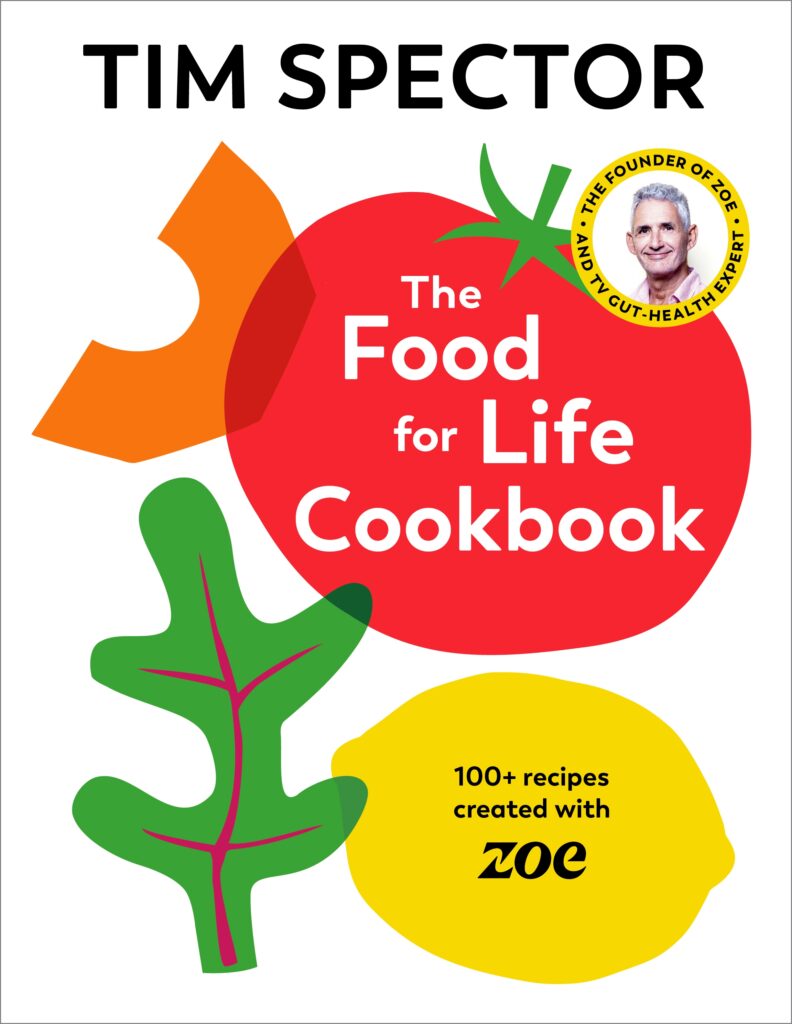
This recipe is a highlight from the ZOE community and Spector’s "The Food for Life Cookbook." It demonstrates how simple, nutrient-dense freezer staples can be transformed into a gourmet, gut-healthy meal. The beauty of the Tim Spector herby pea pancake recipe with cottage cheese lies in its texture—it is not a smooth, thin crepe but a chunky, satisfying fritter-style pancake.
To begin this easy savoury pancakes using frozen peas and herbs preparation, you will need a high-speed blender or food processor.
Ingredients:
- 150g frozen peas (no need to defrost, but a quick rinse in warm water helps)
- 120g–150g cottage cheese (full fat is preferred for satiety)
- 1 large egg (pasture-raised for extra Omega-3s)
- 50g wholemeal spelt flour
- A generous handful of fresh mint and basil
- 2 spring onions, finely sliced
- Zest of half a lemon
- Salt and black pepper to taste
- Extra virgin olive oil for frying
Step-by-Step Assembly:
- The Blitz: Place 100g of the peas, the cottage cheese, and the egg into a blender. Pulse until the mixture is combined but still retains some small chunks of pea. You don't want a liquid purée; you want a textured base.
- The Fold: Pour the mixture into a bowl. Stir in the wholemeal spelt flour, the remaining 50g of whole peas, the lemon zest, and the spring onions.
- The Herbs: Finely chop the fresh mint and basil and fold them into the batter. These herbs provide essential polyphenols—antioxidant compounds that act as fuel for your gut microbes.
- The Rest: Let the batter sit for about two minutes. This allows the fiber in the spelt flour to hydrate, resulting in a more cohesive pancake.
Mastering the Texture: Tips for Success
The most common question I receive regarding this recipe is how to get the right consistency for pea pancake batter. Because the moisture content of cottage cheese and the size of eggs can vary, you may need to make minor adjustments. The batter should be spoonable—meaning it holds its shape on a spoon and drops off in a thick dollop rather than pouring off like a traditional pancake mix.
If the batter feels too stiff, add a tablespoon of water or kefir. If it seems too runny, a teaspoon more of spelt flour will do the trick. Achieving the correct batter texture is vital for ensuring the pancakes don't fall apart in the pan.
When it comes to cooking, heat a tablespoon of extra virgin olive oil in a non-stick pan over medium heat. Drop large spoonfuls of the batter into the pan, flattening them slightly with the back of the spoon. Cook for approximately two minutes per side. You are looking for a golden-brown finish that signals the Maillard reaction, which adds depth of flavor. To make pea pancakes crispy, avoid overcrowding the pan; giving them space allows the edges to fry properly in the oil rather than steaming against each other.
Customization: Vegan Swaps & Meal Prep
One of the reasons I recommend these high protein savoury pancakes to my readers is their versatility. If you follow a plant-based diet, you can still achieve a similar nutritional profile by making a few simple adjustments to the Plant-based variety.
- The Protein Swap: Replace the cottage cheese with an equal amount of firm silken tofu. You will need to blitz this a bit more thoroughly to achieve the creamy consistency of cottage cheese.
- The Binder: Instead of a chicken egg, use a flax egg (1 tablespoon of ground flaxseed mixed with 3 tablespoons of water, left to thicken for 5 minutes). This adds even more prebiotic fiber to the dish.
- Flour Alternatives: If you are avoiding gluten, chickpea flour (gram flour) is an excellent substitute for spelt. It maintains the savoury profile and adds even more plant protein.
These pancakes are also a dream for those who value efficiency. I often suggest using the recipe for savoury pea pancakes for meal prep breakfast. You can cook a double batch on Sunday and store them in the refrigerator for up to three days. To keep them from getting soggy, reheat them in a dry frying pan or a toaster. This keeps the exterior crisp while the interior stays tender.
Serving Suggestions for Maximum Nutrition
To turn these pancakes into a complete, ZOE-approved meal, the toppings are just as important as the base. You want to aim for a combination of probiotics, healthy fats, and additional plant variety.
A dollop of Greek yoghurt or kefir labneh is the perfect probiotic companion, introducing live cultures to your digestive tract alongside the prebiotic fiber of the peas. For those who want more healthy fats, sliced avocado adds a creamy texture and monounsaturated fats that support heart health.
If you are particularly hungry, adding a poached egg on top increases the protein content even further, making this a powerhouse meal for muscle recovery. For a final touch, a drizzle of crispy chili oil or a sprinkle of toasted seeds provides extra polyphenols and a satisfying crunch. This approach to gut healthy breakfast ideas ensures that every bite is working toward a more diverse microbiome.
FAQ
Can I use frozen peas for pea pancakes?
Yes, frozen peas are actually preferred for this recipe. They are usually frozen at the peak of freshness, preserving their vitamin C and fiber content. You can blitz them straight from the freezer or give them a quick rinse in warm water to take the chill off before blending.
How do you make savoury pea pancakes from scratch?
Making these from scratch involves creating a textured batter by blending peas, cottage cheese, and eggs, then folding in wholemeal flour and fresh herbs. The process takes less than 15 minutes and requires only a blender and a frying pan, making it an accessible option for busy mornings.
What are the best toppings for savoury pea pancakes?
The best gut healthy toppings for savoury pea pancakes include probiotic-rich Greek yogurt, smoked salmon for omega-3s, or a poached egg. For added plant diversity, try sliced avocado, fresh sprouts, or a drizzle of extra virgin olive oil mixed with lemon and herbs.
How do you make pea pancakes crispy?
To achieve a crispy exterior, use a medium-hot pan with enough extra virgin olive oil to coat the bottom. Ensure the batter is thick and spoonable, and avoid flipping the pancakes too early. Let them develop a deep golden-brown crust for about two minutes on the first side before turning.
How do I make vegan savoury pea pancakes?
To make a vegan version, substitute the cottage cheese with silken tofu and use a flax egg (ground flaxseeds mixed with water) as a binder. Ensure your flour is plant-based, such as spelt or chickpea flour, and fry in olive oil as usual.