Quick Facts
- The Cortisol Catalyst: Chronic stress triggers the release of cortisol, which activates matrix metalloproteinases (MMPs), the enzymes responsible for breaking down the skin's structural proteins.
- Quantifiable Impact: Women experiencing moderate chronic stress show a nearly 33% increase in skin aging severity, including deeper fine lines and increased roughness.
- Structural Degradation: Elevated cortisol levels do not just break down existing fibers; they actively inhibit dermal fibroblasts from synthesizing new collagen for skin aging.
- The Bioavailability Solution: Double hydrolysed collagen provides peptides under 3kDa in size, which are absorbed more efficiently than standard versions to replenish the dermal matrix.
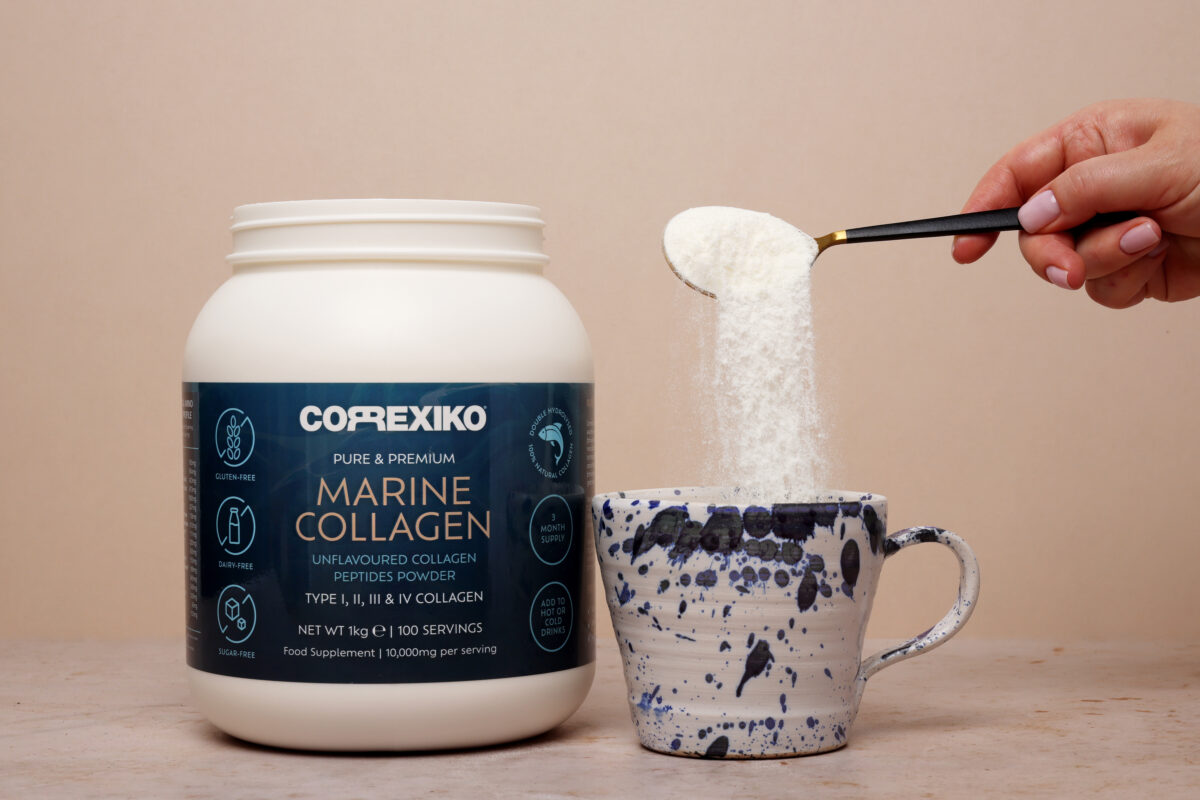
- Optimal Dosage Strategy: For clinical results, a daily intake of 10,000mg of collagen powder is significantly more effective than the 500mg typically found in capsules.
- Restoration Timeline: Users generally observe improved skin hydration within 1 to 2 weeks, while structural improvements like increased skin firmness take 4 to 8 weeks.
Stress causes the body to release cortisol, which triggers the production of matrix metalloproteinases (MMPs). These enzymes actively break down existing collagen and elastin fibers in the dermis. Furthermore, elevated cortisol levels inhibit the activity of dermal fibroblasts, the cells responsible for synthesizing new collagen, leading to a net loss of skin structural integrity and the premature appearance of wrinkles. By understanding this pathway, we can better utilize collagen for skin aging to counteract the biological toll of a high-pressure lifestyle.
The Cortisol Connection: How Stress Dismantles Your Dermal Matrix
As an editor focusing on longevity, I often see people overlooking the brain-skin axis. This biochemical highway connects our psychological state directly to our physical appearance. When you enter a state of chronic stress, your adrenal glands flood the system with cortisol. While this hormone is essential for the "fight or flight" response, its prolonged presence is catastrophic for skin health.
Chronic stress triggers the release of cortisol, which increases the production of matrix metalloproteinases (MMPs), enzymes that specifically accelerate the breakdown of collagen and elastin fibers in the skin's dermal matrix. Think of MMPs as "biological scissors." Under normal conditions, they help recycle old proteins. Under stress, they go into overdrive, shredding the very scaffold that keeps your skin taut and youthful.
Beyond the destruction of existing fibers, stress and collagen loss are linked through the suppression of dermal fibroblasts. These are the factory cells located in the dermis that produce new collagen, elastin, and hyaluronic acid. High cortisol levels essentially put these factories on strike. This creates a double-negative effect: you are losing collagen faster than ever before, and your body’s ability to replace it is being actively suppressed.
Identifying the Signs: Is Your Stress Showing on Your Face?
Not all aging is chronological. Stress-induced aging has a specific "look" that often bypasses the usual genetic timeline. A 2025 clinical study published in the Journal of Cosmetic Dermatology found that women experiencing moderate chronic stress showed a nearly 33% increase in the severity of skin aging manifestations, such as fine lines and skin roughness, compared to those with mild stress levels.
If you are wondering if your lifestyle is impacting your appearance, look for these specific signs of stress related collagen loss:
- The Jawline Drift: A sudden loss of definition around the jaw and neck, often caused by the degradation of elastin fibers and collagen for skin aging.
- Morning Puffiness and Slow Recovery: When you wake up with pillow marks that take hours to disappear, it is one of the primary signs of skin collagen depletion and a loss of skin elasticity.
- Stress Breakouts with Dryness: Cortisol increases oil production while simultaneously weakening the skin barrier, leading to a confusing combination of adult acne and flaky skin.
- Hollowed Under-Eyes: Rapid volume loss in the delicate periorbital area is a frequent result of how cortisol breaks down skin collagen in areas where the dermis is already thin.
Many readers ask about the best age to start collagen for skin aging. While our natural production begins to dip in our mid-20s, those in high-stress professions or undergoing significant life changes should consider starting a preventive protocol as early as 25 to protect their dermal thickness.
The Science of Repair: Why Double Hydrolysed Collagen Matters
When the dermal matrix is compromised, standard supplements often fall short. This is where the distinction between single and double hydrolysis becomes critical. Most commercial products are single hydrolysed, resulting in varying peptide sizes that the gut may struggle to absorb.
Double hydrolysed collagen undergoes two distinct rounds of enzymatic breakdown. This precision engineering creates smaller, more uniform peptides, typically with a molecular weight below 3kDa. The benefits of double hydrolysed collagen lie in its superior bioavailability. Because the molecules are so small, they can bypass traditional digestive hurdles and enter the bloodstream intact, signaling dermal fibroblasts to resume production.
For those targeting facial aesthetics, the debate of marine vs bovine collagen for facial wrinkles often arises. Marine collagen, primarily Type I, is often preferred for skin because its smaller particle size further enhances the double hydrolysed collagen benefits for aging skin. It specifically targets the upregulation of AQP3 (Aquaporin-3), a protein that facilitates water transport in the skin, addressing both structural loss and chronic dehydration.
Dosage Comparison: Powder vs. Capsules
When attempting to reverse the signs of skin collagen depletion, the delivery method determines the outcome.
| Feature | Collagen Powder | Collagen Capsules |
|---|---|---|
| Typical Dosage | 10,000mg - 15,000mg | 500mg - 1,000mg |
| Bioavailability | High (immediately soluble) | Medium (requires shell breakdown) |
| Efficacy for Stress | Optimized for structural repair | Better for maintenance only |
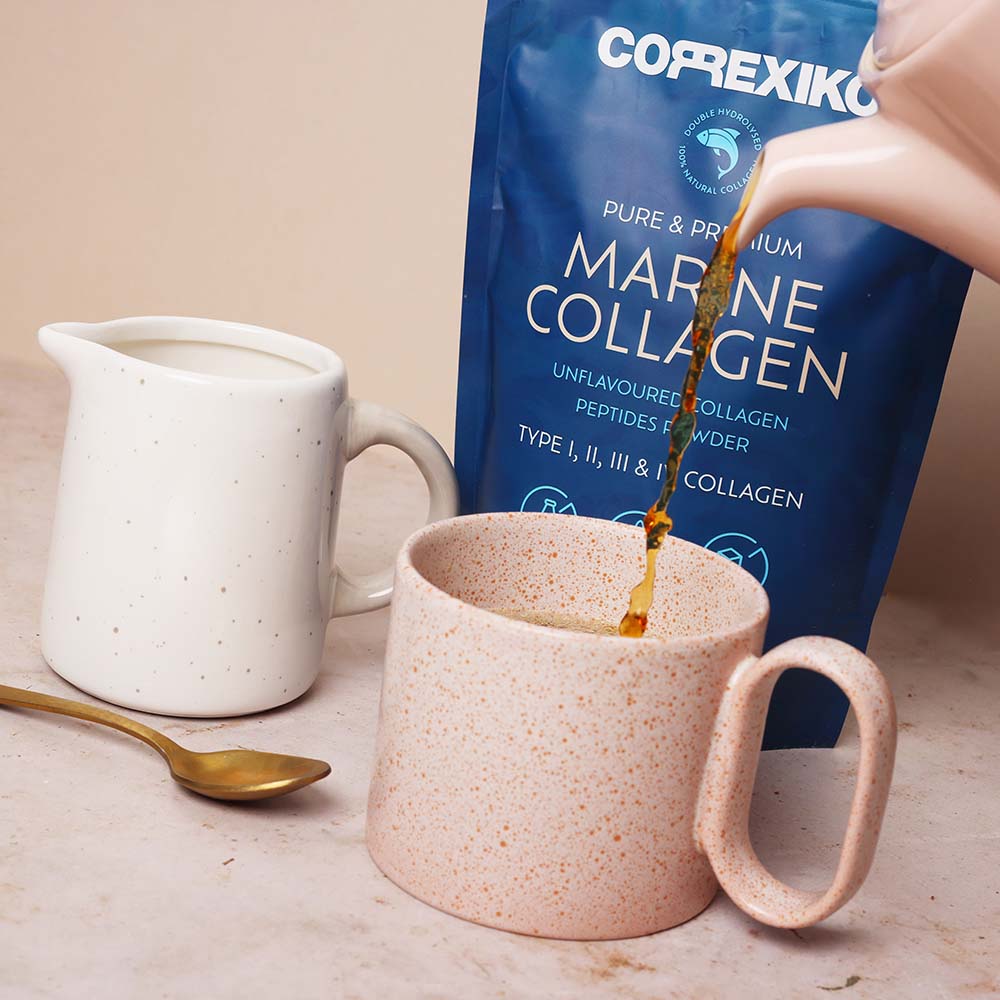
| Versatility | Can be mixed into functional coffees/smoothies | Fixed dose |
The Restoration Protocol: Restoring Your Skin Barrier
Repairing skin barrier after stress related collagen depletion requires a multi-faceted approach. You cannot simply supplement your way out of a high-cortisol environment without addressing the systemic inflammation that stress causes.
Chronic inflammation acts as a catalyst for collagen breakdown. To counteract this, I recommend pairing your collagen for skin aging with specific cofactors. Vitamin C is non-negotiable; it acts as the essential "glue" that stabilizes the triple helix structure of new collagen fibers. Additionally, Omega-3 fatty acids help dampen the cortisol response and repair the lipid barrier of the skin.
There is also a significant link between collagen peptides for gut health and skin aging. The "gut-skin axis" suggests that a stressed gut leads to a stressed complexion. Collagen peptides are rich in glycine and glutamine, amino acids that help seal the gut lining. By improving gut integrity, you reduce the systemic inflammation that triggers those "collagen-cutting" MMP enzymes in the first place.
Consider shifting your movement habits as well. During periods of extreme professional stress, swapping high-intensity interval training (which can further spike cortisol) for restorative yoga or zone 2 walking can preserve your skin elasticity by keeping your hormonal profile in check.
Results Timeline: What to Expect and When
One of the most frequent questions in my inbox is how long to see collagen supplement results for skin. Biological repair is not an overnight process, but it follows a predictable sequence.
- Week 1-2: The Hydration Phase: This is where the upregulation of Aquaporin-3 begins. You will notice improved skin hydration and a subtle "glow" as the skin’s moisture-retention capabilities improve.
- Week 4-8: The Structural Phase: By this point, the increased activity of dermal fibroblasts begins to manifest physically. You will see a visible reduction in fine lines and a measurable increase in skin firmness as the body replenishes its collagen stores.
- Month 3 and Beyond: The Cumulative Phase: This is when dermal thickness is significantly restored. The skin feels "denser" and more resilient to external stressors, effectively reversing several years of stress-induced aging.


FAQ
Does collagen actually help skin aging?
Yes, clinical evidence supports that specific collagen peptides, particularly those that are double hydrolysed, can stimulate dermal fibroblasts to produce new collagen. This process increases skin elasticity and reduces the depth of wrinkles caused by both chronological aging and environmental stress.
How long does it take for collagen to work on skin?
While individual results vary, most people notice an improvement in hydration within 1 to 2 weeks. More significant structural changes, such as increased firmness and the smoothing of fine lines, typically require 4 to 8 weeks of consistent daily use at a therapeutic dose of 10,000mg.
Which type of collagen is best for wrinkles?
Type I collagen is the most abundant form in the human skin. Marine collagen is highly regarded for facial wrinkles because it is primarily Type I and has a naturally smaller molecular weight, which enhances its absorption and effectiveness when targeting the face.
Can collagen supplements reverse skin aging?
Collagen supplements can significantly improve the signs of aging by restoring dermal thickness and moisture levels. While they cannot stop the biological clock entirely, they can effectively repair the damage caused by stress-induced cortisol and environmental factors, leading to a more youthful appearance.
At what age should you start taking collagen for skin?
While collagen levels begin to decline in the mid-20s, the ideal time to start is when you notice the first signs of skin collagen depletion or if you lead a high-stress lifestyle. For most, starting between ages 25 and 30 provides the best preventative and restorative balance.