Quick Facts
- Healing Time: Most small boils heal naturally within two to three weeks when managed with proper home care.
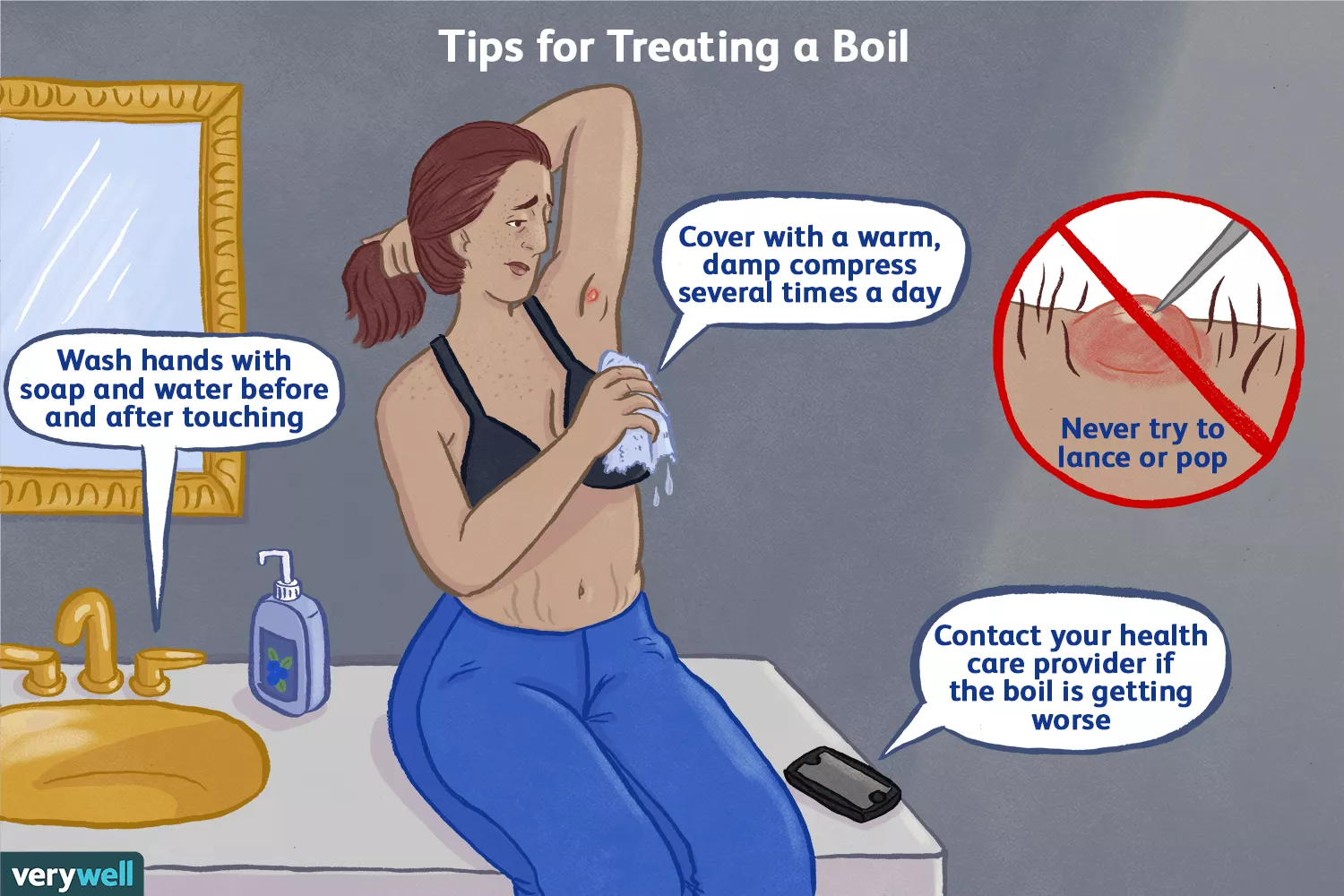
- The Golden Rule: Never attempt to squeeze, pick, or pop a boil, as this significantly increases the risk of spreading the infection.
- Primary Treatment: Consistent application of heat via a warm compress is the most effective way to encourage natural drainage.
- Natural Support: Diluted tea tree oil, turmeric paste, and castor oil offer evidence-based antibacterial and anti-inflammatory benefits.
- Recurrence Rate: Approximately 10 percent of individuals who develop a boil or abscess will experience a repeat infection within one year.
- Medical Intervention: Seek professional help immediately if you observe red streaks, develop a fever, or if the boil is located on the face or spine.
To treat a boil safely at home, apply a warm compress for 15 to 20 minutes three to four times daily to increase blood circulation and encourage natural drainage. Never attempt to squeeze or pop the boil, as this can push the infection deeper into the skin or lead to sepsis. Keep the area clean by washing with antiseptic soap and apply sterile bandages to prevent the spread of bacteria like Staphylococcus aureus.
Understanding Boils: Identification and Causes
When a painful, red lump appears on your skin, your first instinct might be to reach for a blemish treatment. However, if that lump is a boil, also known as a skin abscess, the approach must be much more cautious. A boil is a localized infection deep within the skin, usually starting in a hair follicle or oil gland. The primary culprit behind these painful lesions is Staphylococcus aureus, a type of bacteria commonly found on the skin and inside the nose.
While these bacteria are often harmless, they can cause significant trouble when they enter the body through a tiny nick or cut in the skin. Interestingly, science shows that 10 percent to 20 percent of people are asymptomatic carriers of these bacteria on their skin, making some individuals more susceptible to developing a skin abscess than others. When several boils cluster together, they form what is known as a carbuncle, which is a deeper and more severe infection that often requires medical attention.
Distinguishing a boil from a common cyst or simple folliculitis is the first step in ensuring a safe boil treatment. A boil is typically characterized by its rapid growth and intense pain as it fills with pus.
| Feature | Boil (Skin Abscess) | Skin Cyst |
|---|---|---|
| Pain Level | Usually very painful and tender. | Often painless unless ruptured. |
| Growth Speed | Develops rapidly over a few days. | Grows slowly over months or years. |
| Appearance | Red, swollen, and warm to the touch. | Skin-colored or yellowish, firm lump. |
| Pus | Develops a white or yellow center (head). | Contains keratin (thick, cheese-like material). |
| Cause | Bacterial infection (Staphylococcus aureus). | Clogged oil glands or hair follicles. |
The Essential Safety Rule: Why You Must Never Pop a Boil
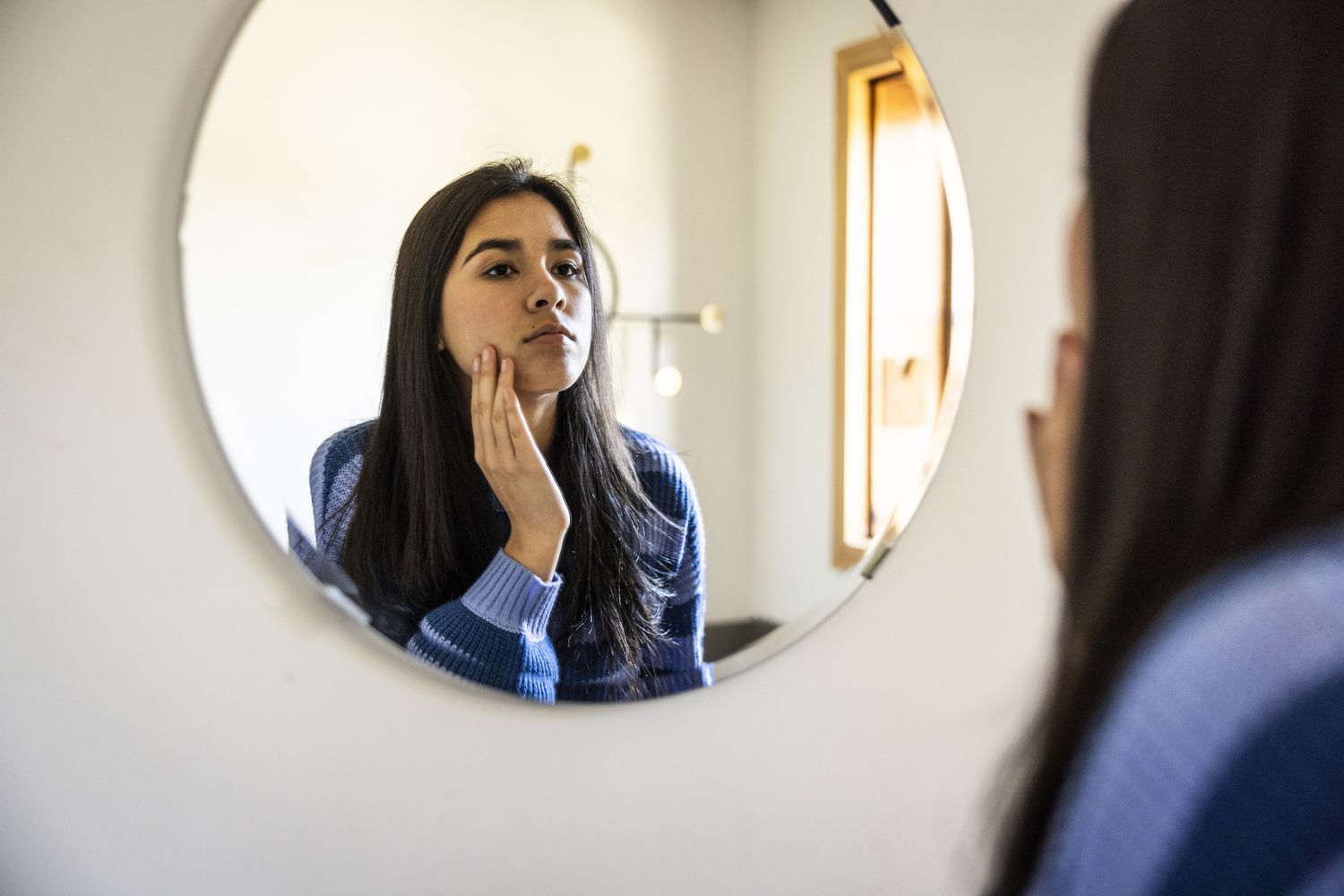
As an editor focusing on herbal remedies and safety, I cannot stress this enough: do not pop a boil. While the pressure of a skin abscess can be incredibly uncomfortable, taking a needle or your fingers to the site is a dangerous gamble. When you squeeze a boil, you aren't just trying to push the pus out; you are also applying pressure that can push the bacteria deeper into the surrounding tissue.
This self-treatment can lead to a much more serious condition known as cellulitis, where the infection spreads into the deeper layers of the skin. Even more concerning is the risk of the bacteria entering your bloodstream, which can lead to sepsis prevention becoming your primary medical concern. Sepsis is a life-threatening systemic reaction to infection. Furthermore, popping a boil at home often results in permanent scarring prevention being impossible, as the trauma to the skin tissue is much more severe than if the boil were allowed to drain naturally. Patience is truly a virtue when it comes to the inflammatory process of a boil.
5 Expert Steps for Safe Boil Relief
If you are dealing with a standard, uncomplicated boil, following a structured home care protocol can speed up the healing process while keeping the infection contained. Here are the five clinical-grade steps I recommend for how to treat a boil at home safely.
1. Harness the Power of Heat Therapy
The most effective boil treatment isn't a fancy cream, but simple heat. Applying a warm compress is essential because the heat dilates the blood vessels around the infection, increasing the delivery of white blood cells to the area. These cells are your body’s natural infantry against Staphylococcus aureus. To be effective, the warm compress frequency for boils should be 15 to 20 minutes, repeated three to four times throughout the day. Ensure the cloth is warm but not hot enough to scald the sensitive skin.
2. Maintain Impeccable Hygiene
Because the bacteria responsible for boils are highly contagious, hygiene is your best defense against spreading the infection to other parts of your body or to other people. Wash the affected area twice a day with a gentle antiseptic soap. Always wash your hands thoroughly with soap and water before and after touching the boil or applying any treatments. This prevents the "seeding" of bacteria into other hair follicles.
3. Apply Natural Antimicrobials
Many botanical extracts have potent antibacterial properties that can complement your body's healing process. If you want to know how to use tea tree oil on boils safely, remember that concentration matters. Tea tree oil contains terpinen-4-ol, which has been shown to kill various strains of bacteria. Always dilute it: mix 5 drops of tea tree oil with 1 teaspoon of a carrier oil like coconut or olive oil.
Other excellent home remedies for boils include turmeric paste (mixed with water or ginger) for inflammation reduction and castor oil. Castor oil contains ricinoleic acid, which acts as a natural anti-inflammatory agent. These substances can be applied topically to the boil once it has been cleaned.
4. Use Proper Dressing
Once you have cleaned the area and applied any natural remedies, cover the boil with sterile bandages. This serves two purposes: it protects the boil from further irritation and traps any pus that may begin to leak out. Change the bandage at least once a day, or more frequently if it becomes damp or soiled. Keeping the area covered is a key step in prevent the spread of bacteria.
5. Manage Pain and Inflammation
If the pain is interfering with your daily life, OTC options can provide relief. Ibuprofen can help with inflammation reduction and pain management. You may also apply a thin layer of topical antibiotics like Neosporin around the site (not inside a draining hole) to add an extra layer of protection against surface bacteria.
Monitoring Progress: Healing Signs vs. Medical Red Flags
Knowing how to tell if a boil is healing is vital for your peace of mind. A healing boil will typically follow a predictable path. First, the intense, throbbing pain will begin to subside. The lump may become softer and develop a visible white or yellow head. Eventually, the boil will open on its own and drain. After drainage, the site will form a crust or scab, and the redness will gradually fade over several days.
However, you must stay vigilant for signs of infected boil progression that require professional help. If the infection is winning the battle, you will see specific medical warning signs for boils that indicate the bacteria are moving beyond the local site.
Red Flag Box: When to See a Doctor
- Red Streaks: If you see thin red lines radiating away from the boil, the infection may be entering your lymphatic system.
- Fever and Chills: These are systemic signs that your body is struggling to contain the infection.
- Location: Boils on the face, spine, or near the anus are high-risk and should be evaluated by a professional.
- Duration: If the boil does not drain or show improvement after two weeks of home care.
- Size and Severity: If the boil grows larger than two inches or if the pain becomes unbearable.
For those with underlying conditions like diabetes or a compromised immune system, the threshold for seeking a dermatologist consultation should be much lower. A professional can perform a sterile incision and drainage, which is a quick procedure that provides immediate relief and prevents the infection from worsening.
FAQ
How do you get rid of a boil quickly?
The fastest way to encourage a boil to resolve is through the consistent use of warm compresses. Applying heat for 20 minutes several times a day increases blood flow and brings the boil to a head faster. Combined with natural antibacterials like diluted tea tree oil, this protocol supports the body's natural immune response. Never try to rush the process by squeezing it, as this will likely result in a much longer recovery time due to secondary infection.
Is it safe to squeeze or pop a boil at home?
No, it is never safe to squeeze or pop a boil at home. Doing so can force the Staphylococcus aureus bacteria deeper into the dermis or into the bloodstream, potentially leading to cellulitis or sepsis. A boil should only be opened by a healthcare professional using sterile instruments during an incision and drainage procedure.
What is the best home remedy for a boil?
The "gold standard" home remedy is a simple warm compress. Among herbal options, a turmeric paste or diluted tea tree oil are highly effective due to their natural antimicrobial and anti-inflammatory properties. Castor oil is also beneficial for its ability to draw out infection and reduce localized swelling.
How do you tell if a boil is infected?
While all boils are technically infections, signs that a boil is becoming dangerously infected or spreading include worsening redness that expands in diameter, the presence of red streaks leading away from the site, increased warmth, and systemic symptoms like fever or a general feeling of malaise. If the pain transitions from a localized throb to an intense, spreading ache, seek medical care.
When should I see a doctor for a boil?
You should consult a doctor if the boil is located on a sensitive area like the face or spine, if it is extremely large, or if it hasn't improved after two weeks. Immediate medical attention is required if you develop a fever, see red streaks, or if you have a pre-existing condition like diabetes that makes you more vulnerable to skin infections.