Quick Facts
- Prevalence: Approximately 125 million people worldwide live with this condition.
- The PsA Link: About 30 percent of patients eventually develop Psoriatic Arthritis.
- 2026 Breakthrough: FDA approval of icotrokinra marks the first oral IL-23 inhibitor for daily use.
- Shower Protocol: Limit bathing to 5 minutes using lukewarm water to protect natural oils.
- Primary Goal: Achieving long-term plaque clearance and sustainable skin barrier repair.
- Treatment Tier: Therapy ranges from topical creams for mild cases to biologics for severe symptoms.
Effective psoriasis treatment involves a multi-tiered approach tailored to disease severity. Topical corticosteroids and emollients help manage mild cases by reducing inflammation and repairing the skin barrier. For moderate-to-severe cases, systemic therapies including biologics like risankizumab and newer oral IL-23 inhibitors like icotrokinra provide significant skin clearance. Phototherapy and lifestyle adjustments, such as stress management and trigger avoidance, further support long-term symptom control.
Understanding Psoriasis: More Than Skin Deep
Psoriasis is often misunderstood as a simple skin condition, but it is actually a complex immune-mediated disease. It occurs when an overactive autoimmune response causes skin cells to grow at an accelerated rate. Instead of shedding every few weeks, these cells pile up on the surface in days, forming thick, itchy, or painful plaques. This chronic inflammation is a global health challenge, affecting approximately 125 million people worldwide, which represents roughly 2 to 3 percent of the global population.
Living with this condition requires more than just masking symptoms; it requires a proactive psoriasis treatment plan that addresses the underlying immune activity. Because the inflammation is systemic, it can affect other parts of the body as well. Research indicates that an estimated 30 percent of individuals with psoriasis will also develop psoriatic arthritis, a related condition that causes joint pain and stiffness. Early intervention and modern medical strategies are essential for maintaining both skin health and overall quality of life.
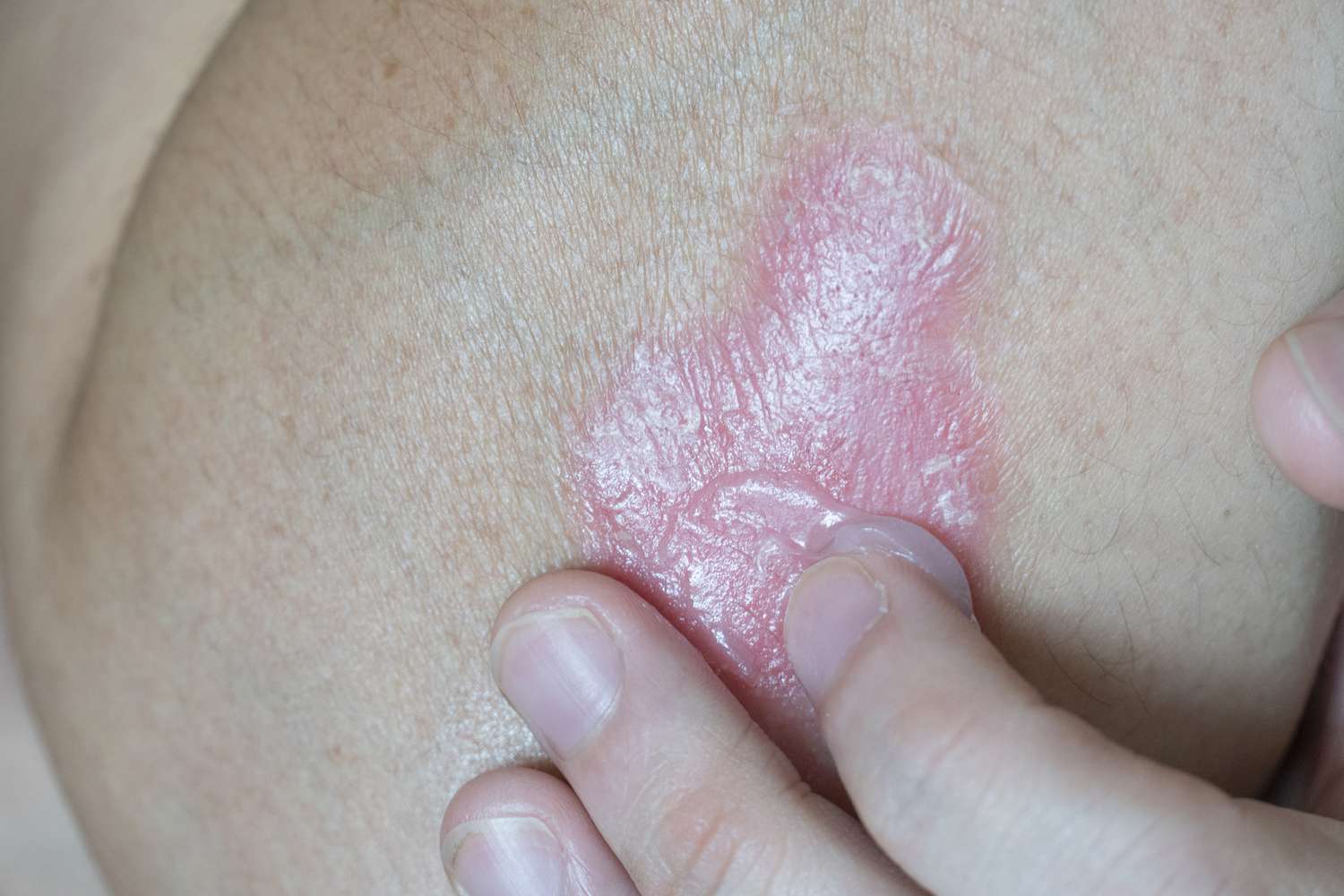
1. Topical Therapies and Skin Barrier Repair
For most people, the journey toward clearer skin begins with topical corticosteroids. These medications are applied directly to the affected areas to reduce redness and swelling. They work by suppressing the localized autoimmune response that drives plaque formation. However, because long-term use of high-potency steroids can thin the skin, dermatologists often rotate them with Vitamin D analogs or salicylic acid to maintain efficacy.
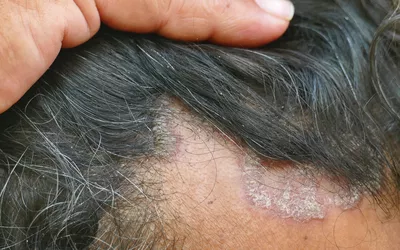
A critical but often overlooked component of psoriasis treatment is skin barrier repair. When the skin barrier is compromised, moisture escapes and irritants enter, leading to increased itching and secondary infections. Using thick, fragrance-free emollients helps lock in hydration. When managing scalp psoriasis with topical treatments, it is often helpful to use specialized foams or oils that can reach the skin through the hair, ensuring the active ingredients are absorbed where they are needed most.
2. Natural Home Remedies for Psoriasis Relief
While medical prescriptions are the heavy lifters, many patients find that home remedies for psoriasis can significantly improve daily comfort. One of the most effective natural home remedies for psoriasis relief is the therapeutic bath. Adding Epsom salts or Dead Sea salts to lukewarm water can help remove scales and soothe the itch. The magnesium in these salts is particularly noted for its ability to improve skin hydration and reduce inflammation.
To get the most benefit without causing further irritation, follow the 5-minute rule:
- Use lukewarm water rather than hot water, which can strip away protective oils.
- Limit the soak to five minutes.
- Pat the skin dry gently with a soft towel rather than rubbing.
- Apply a heavy moisturizer immediately while the skin is still damp to seal in the water.

3. How to Stop a Psoriasis Flare Fast
When a flare-up strikes, the priority is to halt the progression of inflammation before it spreads. To manage a psoriasis flare quickly, you must prioritize the consistent application of your prescribed high-potency topical treatments. These are designed to shut down the acute inflammatory response at the source. If you find yourself wondering how to stop a psoriasis flare fast, the answer often lies in a combination of medication and aggressive trigger avoidance.
Common triggers include skin injuries—known as the Koebner phenomenon—where a scratch or cut turns into a new psoriasis plaque. High stress levels are also notorious for triggering the immune system. Incorporating stress management techniques, such as deep breathing or daily walks, can help lower the cortisol levels that often fuel a flare. If a flare persists despite these efforts, it may be time to consult your doctor about adjusting your systemic therapy.

4. Phototherapy (Light Therapy)
Phototherapy remains a cornerstone of psoriasis treatment for those who have widespread plaques that are difficult to treat with creams alone. This process involves exposing the skin to specific wavelengths of ultraviolet (UV) light under medical supervision. The light penetrates the skin and slows the rapid growth of skin cells while suppressing the overactive immune cells in the dermis.
It is important to distinguish medical phototherapy from commercial tanning beds. Tanning beds emit uncontrolled amounts of UVA and UVB light, which increases the risk of skin cancer without providing the targeted therapeutic benefits of narrowband UVB therapy found in a clinical setting. Many patients see significant plaque clearance after a series of sessions, making it a reliable mid-tier option before moving to systemic drugs.
5. Dietary Changes and Metabolic Health
Emerging research has highlighted a powerful connection between metabolic health and skin clarity. Implementing dietary changes to improve psoriasis symptoms often focuses on an anti-inflammatory diet. This typically includes a high intake of leafy greens, fatty fish rich in omega-3s, and colorful fruits, while minimizing processed sugars and saturated fats.
Interestingly, clinical data suggests that managing systemic inflammation may involve more than just what we eat. There is growing evidence that metabolic treatments, such as GLP-1 agonists (originally designed for diabetes and weight loss), can work in synergy with traditional skin therapies to improve outcomes. By reducing overall systemic inflammation and improving metabolic markers, patients often find their skin responds more effectively to their standard psoriasis treatment regimen.
6. Advanced Systemics and Newest Psoriasis Biologics
For moderate-to-severe cases, the landscape has changed dramatically with the introduction of psoriasis biologics. These are monoclonal antibodies that target specific proteins in the immune system, such as IL-17 or IL-23, to stop the inflammatory cascade. The newest psoriasis biologics for moderate to severe cases, such as bimekizumab and guselkumab, have shown remarkable "drug survival," meaning patients stay clear for longer periods compared to older therapies.
The year 2026 has introduced a major milestone: the approval of icotrokinra. This is a highly effective once-daily oral IL-23 inhibitor. For many, the icotrokinra oral therapy for psoriasis results represent a shift in how we view convenience and efficacy, offering the power of a biologic in a simple pill form.
| Treatment Type | Administration | Primary Target | Best For |
|---|---|---|---|
| Biologics (e.g., Risankizumab) | Injection/Infusion | IL-23 / IL-17 | Severe, persistent plaques |
| Oral Synthetics (e.g., Deucravacitinib) | Daily Pill | TYK2 Enzyme | Moderate cases |
| New Oral IL-23 (Icotrokinra) | Daily Pill | IL-23 Protein | Moderate-to-severe cases |
| Traditional Systemics | Daily Pill | General Immune System | Broad inflammation |
7. Integrated Care: Dermatologists and Rheumatologists
Managing psoriasis is a marathon, not a sprint. Because of the 30 percent risk of joint involvement, integrated care between a dermatologist and a rheumatologist is vital. If you experience persistent morning stiffness or swollen "sausage-like" fingers, it is essential to mention these symptoms during your psoriasis treatment consultations. Early diagnosis of psoriatic arthritis can prevent permanent joint damage.
Modern care often utilizes technology to bridge the gap. Telehealth consultations allow patients to check in with specialists regularly, ensuring that their systemic therapy is working effectively and that any side effects are managed promptly. A holistic approach that monitors both skin and joints ensures that you are treating the whole person, not just the visible spots.

FAQ
What is the most effective treatment for psoriasis?
The most effective treatment depends on the severity of the condition. For mild cases, high-potency topical corticosteroids are the gold standard. For moderate-to-severe cases, biologics targeting the IL-23 or IL-17 pathways currently offer the highest rates of complete skin clearance.
What is the fastest way to clear up psoriasis?
The fastest way to reduce an active flare is through the consistent use of high-potency topical treatments combined with trigger avoidance. For widespread symptoms, starting a systemic therapy or biologic under a doctor's supervision typically produces visible results within a few weeks.
Are there any natural home remedies for psoriasis?
Yes, several natural options can soothe the skin. Epsom salt baths, Dead Sea salt soaks, and using heavy, fragrance-free moisturizers are excellent for reducing itch and scales. Maintaining proper indoor humidity also helps prevent the skin from drying out and cracking.
How do biologics help treat psoriasis?
Biologics are advanced medications made from living cells. They work by precisely targeting and blocking specific parts of the immune system that cause the overproduction of skin cells. By "switching off" these specific inflammatory signals, biologics can lead to long-term plaque clearance.
Is there a new treatment for psoriasis available?
The most recent advancement is the approval of icotrokinra, the first once-daily oral IL-23 inhibitor. This provides a convenient alternative to injections for patients with moderate-to-severe symptoms, offering durable results and a high safety profile.