Quick Facts
- Immediate Onset: A penis friction burn appears instantly after mechanical irritation, whereas herpes has an incubation period of 2 to 21 days.
- Visual Texture: Friction typically results in a flat skin abrasion or raw patch; herpes involves clusters of small, fluid-filled blisters.
- Systemic Health: Herpes often presents with flu-like symptoms such as fever and swollen lymph nodes, which are absent in cases of friction.
- Sensory Cues: Friction causes a stinging or sharp pain upon contact; herpes frequently begins with a tingling or itching prodromal stage.
- Healing Window: Most friction-related injuries show significant improvement within 48 to 72 hours if left to rest.
- Common Causes: Common triggers include dry masturbation, prolonged intercourse without water-based lubricant, or contact with rough fabrics.
A penis friction burn typically appears as a localized red abrasion or skin trauma immediately following mechanical irritation. Unlike herpes, which progresses from a tingling sensation to clusters of fluid-filled blisters and often includes systemic symptoms like fever or swollen lymph nodes, a friction burn remains stable in appearance and does not cause flu-like symptoms.
The 90/10 Rule: Visual Cues and Symptoms
When you first notice redness in the genital area, the natural response is often one of high anxiety. However, medical professionals often look at the situation through what we call the 90/10 rule: 90% of the diagnostic story is told through the visual cues and the immediate history of the injury. When assessing penis friction burn symptoms, the primary characteristic is a raw, red patch of skin that looks like a "strawberry" or a rug burn. This is a classic skin abrasion caused by the top layers of the epidermis being rubbed away.
The location of the redness is also a major clue. Friction tends to affect the most protruding or high-contact areas, such as the Glans penis or the top of the shaft. In contrast, the rash progression herpes vs friction burn follows a very specific viral cycle. Herpes does not start as a wide abrasion. Instead, it begins with small, localized bumps that quickly turn into clear, fluid-filled blisters. These blisters eventually pop, leaving behind small, circular ulcers that eventually crust over. If your skin looks like a single, consistent patch of raw redness rather than a "cluster of grapes," you are likely dealing with a mechanical injury rather than a viral outbreak.
Furthermore, the physical sensation provides a clear distinction. A friction burn feels exactly like a burn—it stings when you touch it, when soap hits it, or when fabric rubs against it. Herpes, meanwhile, is notorious for its prodromal stage. This is a period of 12 to 24 hours before any visible signs appear where the patient feels an unusual tingling, itching, or even a "zapping" sensation in the nerves of the groin.
Timing and Location: When and Where It Hurts
Timing is the most objective differentiator in the penis friction burn vs herpes debate. Mechanical irritation is an event-based injury. You can usually trace it back to a specific moment of high-friction activity, whether that was dry masturbation, a lack of water-based lubricant during intercourse, or even irritation from beard stubble or rough clothing. The redness appears almost immediately or within an hour of the activity.
Herpes does not work that way. Even if you were exposed to the HSV-2 virus during a specific encounter, the virus must undergo a period of replication before it manifests on the skin. This means a "burn" that appears five minutes after sex is physically impossible to be a new herpes outbreak. In fact, the World Health Organization estimates that approximately 5.3% of the global population aged 15 to 49 experienced at least one symptomatic episode of genital herpes in 2020, but these episodes always follow an incubation window of several days to weeks.
We also have to consider other mimics. When looking at a genital friction burn vs allergic reaction, for example, the location is often more diffuse in an allergy. If you are allergic to a specific laundry detergent or a new condom material, the redness usually covers the entire area that touched the allergen, rather than just the high-friction points on the shaft. This type of contact dermatitis is often much itchier than a friction burn, which is characterized primarily by sharp, stinging pain.
Healing Time and Home Treatment Protocols
The good news about mechanical injuries is that the human body is remarkably efficient at repairing skin trauma. The healing time for penis friction burn is generally short, with most men seeing a visible "drying out" and reduction in redness within 48 to 72 hours. Complete recovery, where the skin returns to its normal color and texture, usually takes about one week, provided the area is not subjected to further irritation.
If you are wondering how to treat friction burn on penis at home, the protocol is straightforward but requires discipline. The first and most important rule is pelvic rest. You must avoid all sexual activity, including masturbation, until the skin has fully repaired itself. Engaging in further friction will only reopen the wound and extend the healing time.
- Cleanliness: Gently wash the area with lukewarm water. Avoid harsh, scented soaps or alcohol-based wipes, which will cause intense stinging and further damage the delicate skin.
- Protection: Applying a thin layer of a fragrance-free barrier cream or a plain petroleum-based jelly can help protect the raw skin from rubbing against your clothing.
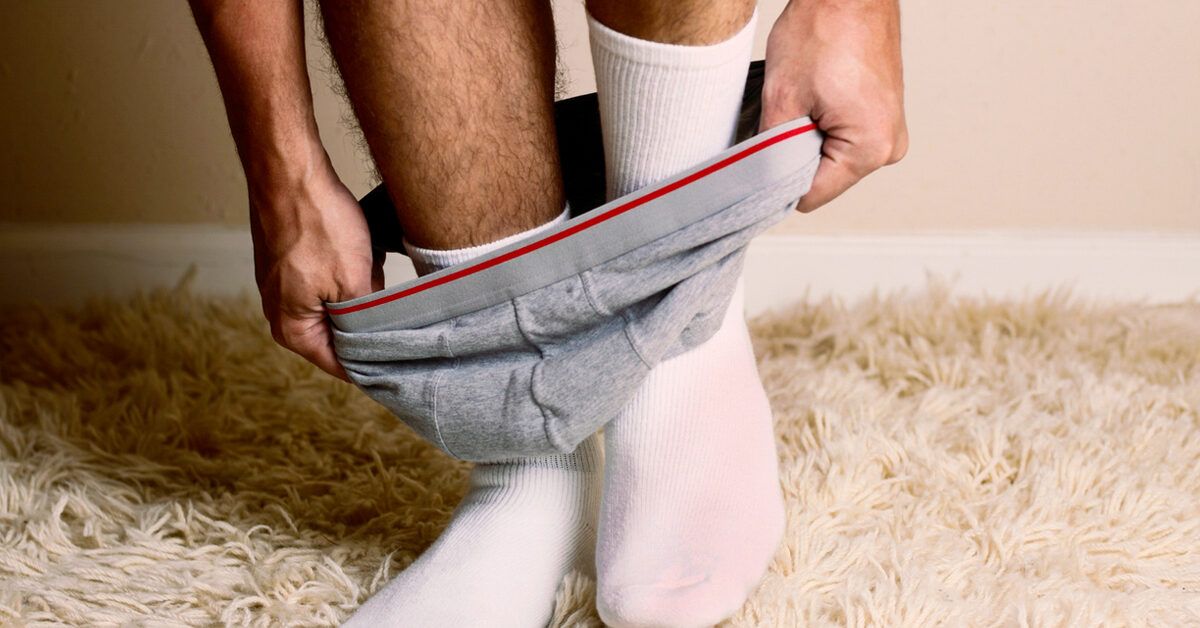
- Breathability: Switch to loose-fitting cotton underwear. Tight synthetic fabrics trap moisture and heat, which can lead to complications like a yeast infection.
- Lubrication: Once healed, always use a water-based lubricant for future activities to prevent a recurrence of chafing.
It is important to realize that minor injuries in this area are more common than many people think. In a prospective cohort study of women after consensual sexual intercourse, 72.73% of participants were found to have at least one genital or anal injury, such as redness, swelling, or skin irritation. While this study focused on women, it highlights that mechanical irritation is a frequent byproduct of sexual activity for all genders.
Sometimes, the diagnosis isn't between a burn and an STD, but rather a burn and a fungal issue. The penis friction burn vs yeast infection comparison is important because a yeast infection, or Balanitis, can also cause redness on the glans. However, yeast infections usually come with a persistent, dull itch and may produce a thick, white discharge or small red dots rather than a flat, raw abrasion.
Red Flags: When Friction Becomes a Concern
While most friction burns heal on their own, you must monitor the area for signs of secondary complications. Because a burn is essentially an open wound, it can become a gateway for bacteria. You should seek medical attention if you notice signs of infected penis friction burn.
Identifying Complications
Watch for spreading redness that moves beyond the initial site of the injury. If the area begins to ooze yellow or green pus, or if you develop a foul odor that wasn't there before, these are clear indicators of a bacterial infection. Furthermore, pay attention to your systemic symptoms. A simple skin abrasion should not cause a fever, chills, or body aches. If you feel like you are coming down with the flu while dealing with genital redness, it is time to see a doctor for testing, as this often points toward a viral inflammatory response rather than a simple burn.
Another red flag is swollen lymph nodes in the groin. If you feel hard, tender lumps in the crease of your leg, your immune system is responding to something more significant than a surface-level scrape. While an infected burn can cause this, it is also a hallmark sign of a primary herpes outbreak. When in doubt, a professional swab test is the only way to get 100% certainty and peace of mind.
FAQ
How long does it take for a friction burn on the penis to heal?
Most minor friction burns will show significant improvement within two to three days and should be fully healed within seven days. If the skin does not show signs of closing or if the redness is spreading after 48 hours of rest, you should consult a healthcare provider.
What does a penis friction burn look like?
It usually appears as a localized area of shiny, raw, or bright red skin. It looks very similar to a "rug burn" or a "strawberry" scrape you might get on your knee. Unlike blisters, it is generally flat and follows the areas that experienced the most physical rubbing.
How can I treat a friction burn on my penis at home?
The best approach is to keep the area clean and dry while avoiding all sexual activity. You can apply a plain, fragrance-free barrier cream like petroleum jelly to protect the area from further chafing against clothing. Wear loose cotton underwear to allow the skin to breathe.
Can a friction burn look like an STI?
Yes, in its early stages, the redness of a friction burn can be mistaken for the initial redness of a herpes outbreak or a yeast infection. However, a burn appears immediately after activity and lacks the fluid-filled blisters, tingling sensations, or systemic symptoms like fever that are common with STIs.
How do I know if my friction burn is infected?
Signs of infection include the presence of pus, an increasing level of pain or swelling, a foul smell, or the development of a fever. If the redness starts to spread rapidly away from the original site of the burn, this may indicate a bacterial infection like cellulitis that requires antibiotics.