Quick Facts
- Primary Function: Digestive enzymes act as biochemical scissors that break down complex food molecules into smaller, absorbable nutrients.
- Core Types: The three main categories are amylase for carbohydrates, protease for proteins, and lipase for fats.
- Natural Sources: Foods like pineapple, papaya, and fermented vegetables like kimchi are naturally rich in these digestive catalysts.
- Key Statistics: Approximately 68 percent of the world's population is estimated to have lactose malabsorption due to low levels of the enzyme lactase.
- Clinical Prevalence: Exocrine pancreatic insufficiency affects between 10% and 20% in the general population, leading to significant digestion issues.
- Market Trends: Proteases are expected to hold 31.2% of the global digestive enzyme market revenue share by 2025 because of their vital role in protein processing.
The primary types of digestive enzymes include amylase, protease, and lipase, each specializing in breaking down specific macronutrients. Amylase begins carbohydrate digestion in the mouth and continues in the small intestine, while proteases like pepsin and trypsin break proteins into amino acids. Lipase is essential for processing fats, ensuring that the body can effectively absorb and utilize nutrients for energy and repair.
The Biological Scissors: How Digestive Enzymes Work
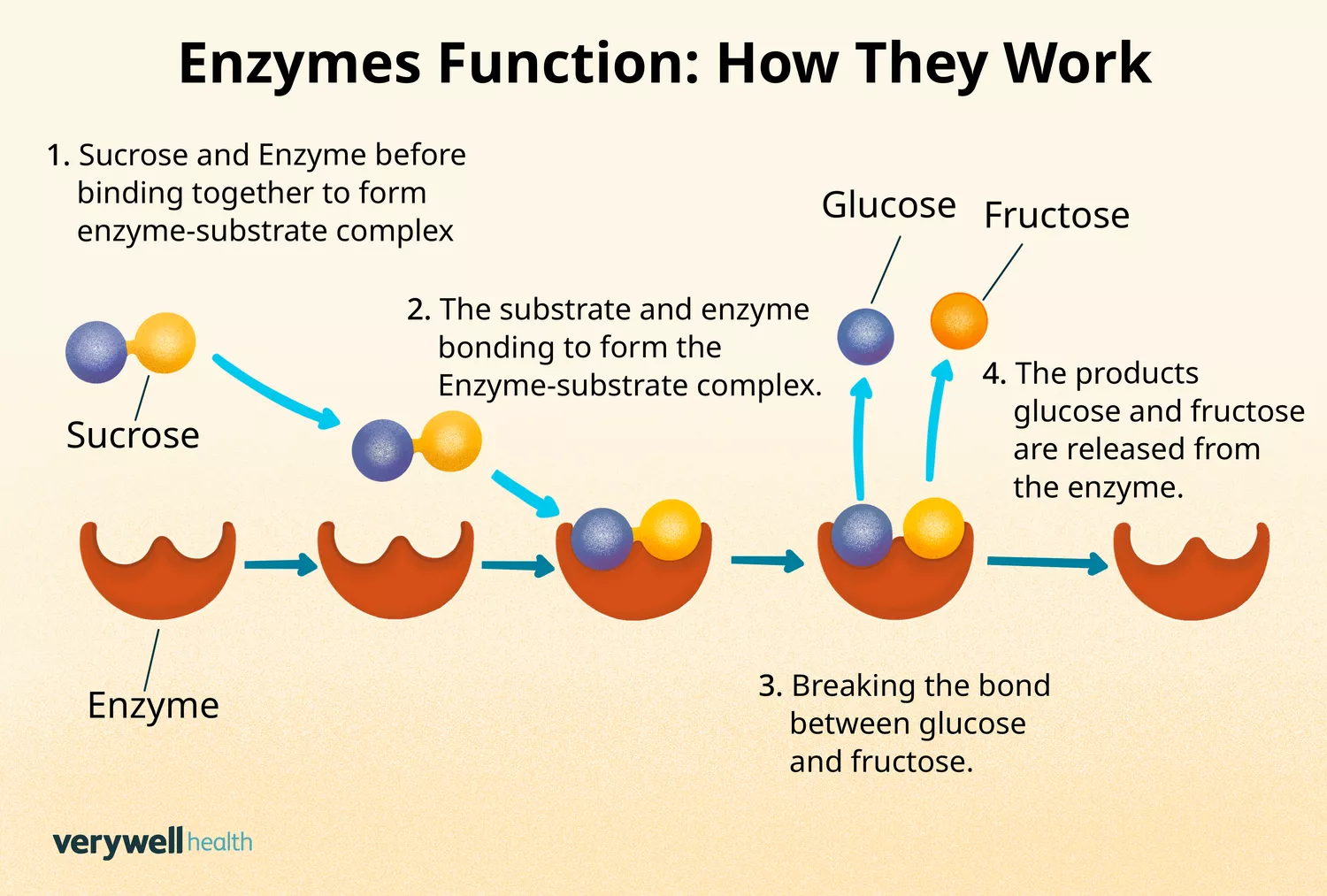
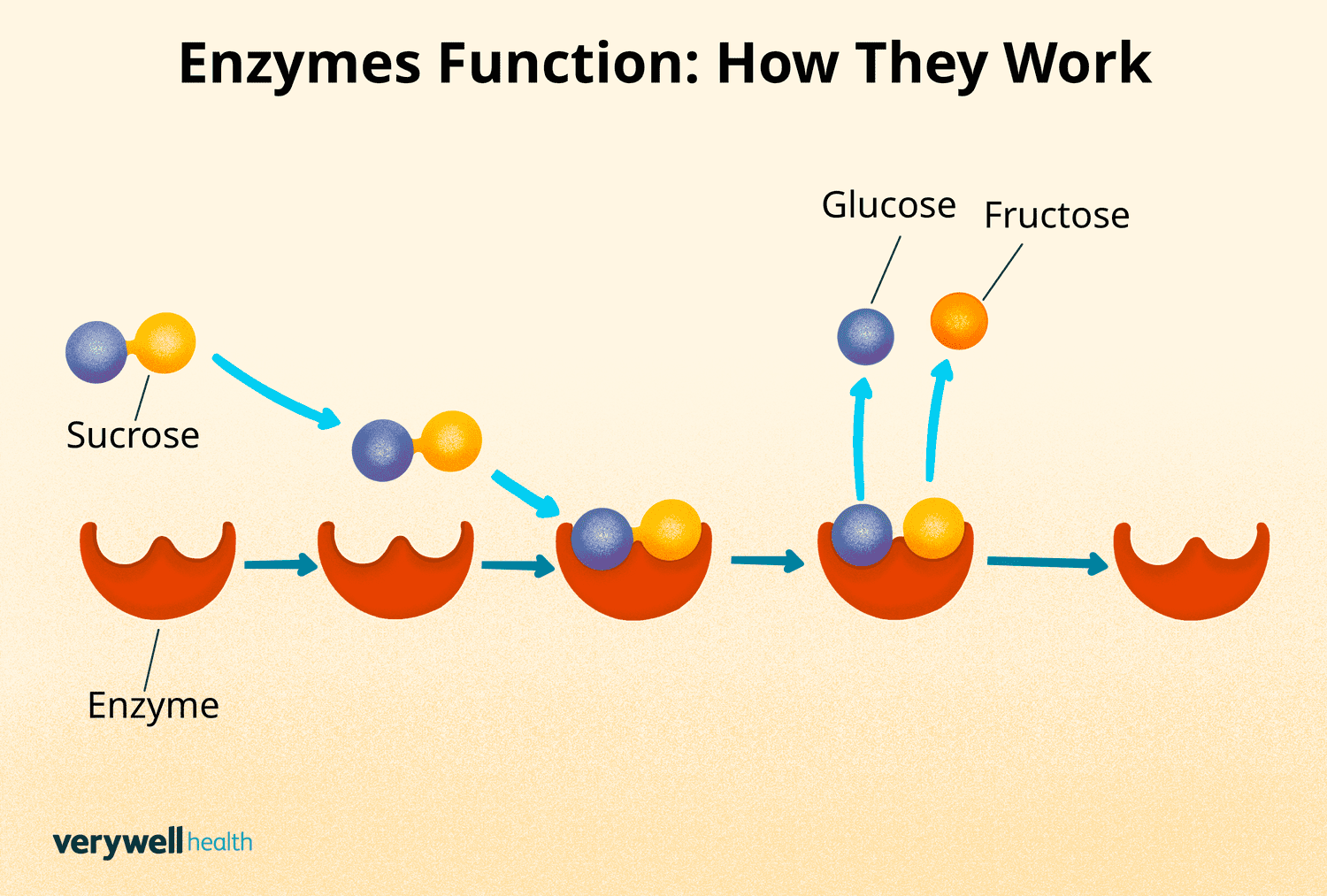
To understand how your body turns a turkey sandwich into cellular energy, you have to look at the chemistry of hydrolysis. Digestive enzymes are essentially specialized proteins that speed up chemical reactions in the gastrointestinal tract. They function using a lock and key mechanism, where each enzyme has a specific shape that fits perfectly with a specific nutrient molecule. By lowering the activation energy required for these reactions, they ensure that food doesn't just sit in your stomach but is efficiently dismantled.
These biological catalysts are highly sensitive to their environment. For instance, pepsin, which digests protein in the stomach, thrives in a highly acidic environment. However, once food moves into the small intestine, the environment becomes more alkaline, requiring a different set of enzymes to take over. This precise chemical digestion ensures high bioavailability, meaning your body can actually use the vitamins and minerals found in your food rather than letting them pass through your system unused.
The Big Three: Role of Amylase, Protease, and Lipase
While your body produces dozens of different enzymes, the heavy lifting is done by three main categories. Each one targets a specific macronutrient to ensure improving nutrient absorption across your entire diet.
Amylase is the first responder of the digestive world. It is secreted by your salivary glands the moment you start chewing, beginning the breakdown of complex starches into simple sugars. This process continues in the small intestine where pancreatic amylase finishes the job. Without sufficient amylase, undigested starches can ferment in the gut, leading to bloating and discomfort.
Protease focuses on breaking down the sturdy bonds of proteins into individual amino acids, which are the building blocks for your muscles and neurotransmitters. Because protein is often the hardest macronutrient to process, the role of amylase and protease in digestion cannot be overstated. Finally, lipase works alongside bile produced by the liver to emulsify and break down fats. This is crucial for absorbing fat-soluble vitamins like A, D, E, and K.
| Enzyme Type | Primary Function | Primary Source | Target Nutrient |
|---|---|---|---|
| Amylase | Breaks down starches/carbs | Saliva, Pancreas | Complex Carbohydrates |
| Protease | Breaks down proteins | Stomach, Pancreas | Meats, Legumes, Dairy |
| Lipase | Breaks down fats | Pancreas, Mouth | Oils, Butter, Animal Fats |
Natural Sources: Best Foods High in Natural Enzymes
If you want to support your gastrointestinal tract without immediately jumping to supplements, the produce aisle is your best friend. Many whole foods contain bioactive compounds that mimic the enzymes your body produces naturally.
Pineapple is perhaps the most famous example, as it contains bromelain, a powerful protease that helps break down tough protein fibers. Similarly, papaya contains papain, which is so effective at protein digestion that it is often used as a natural meat tenderizer. Kiwifruit is another excellent choice, containing actinidin, which assists in the digestion of dairy and meat proteins.
Beyond fruits, fermented options provide a double benefit for the gut microbiome. Kimchi, sauerkraut, and kefir are not just rich in probiotics; they also contain active enzymes produced during the fermentation process. Raw honey is also a notable source of natural amylase and diastase, which can help those who struggle with carbohydrate-rich meals. Incorporating these foods high in natural enzymes into your daily routine is one of the most effective ways to maintain metabolic health naturally.
- Pineapple: Rich in bromelain for protein support.
- Papaya: Contains papain to soothe the stomach and aid protein breakdown.
- Mangoes and Bananas: Provide amylase to help process starches as they ripen.
- Kimchi and Sauerkraut: Offer a mix of enzymes and beneficial bacteria.
- Kefir: Contains lactase, which may help some individuals digest dairy more easily.
Signs You Need Digestive Enzyme Supplements
Even with a perfect diet, sometimes your body’s endogenous production isn't enough. You might start noticing signs you need digestive enzyme supplements if you frequently experience heavy bloating, gas, or undigested food in your stool. These symptoms often point to a gap between the food you eat and your body's ability to process it.
Food intolerance is a major indicator of enzyme deficiency. For example, the high global prevalence of lactose malabsorption means many people simply lack the lactase needed to enjoy dairy without distress. Furthermore, for those with more serious conditions like pancreatic insufficiency, the pancreas fails to send enough enzymes to the small intestine. In these cases, taking supplemental digestive enzymes can provide significant indigestion relief.
When choosing a supplement, you will likely see a difference between plant based and animal digestive enzymes. Plant-based enzymes, often derived from fungi or fruit like papaya, tend to be stable across a wider range of pH levels in the gut. Animal-derived enzymes, usually porcine (pig) in origin, are often more similar to human pancreatic enzymes and are frequently used in clinical settings. Finding the best digestive enzymes for 2026 gut health means looking for a broad-spectrum formula that covers all three major macronutrients.
Daily Habits to Boost Natural Enzyme Production
While supplements and specific foods are helpful, your lifestyle choices dictate how well your internal "enzyme factory" operates. One of the most overlooked daily habits to boost natural enzyme production is simply chewing your food thoroughly. Mastication doesn't just physically break food down; it triggers the release of salivary amylase and signals the rest of the gastrointestinal tract to prepare for digestion.
Stress management is another critical factor. When you are in "fight or flight" mode, your body diverts energy away from the digestive system, which can inhibit enzyme secretion. Practicing mindful eating and taking a few deep breaths before a meal can switch your body into the "rest and digest" state. Additionally, staying hydrated is vital because the process of hydrolysis—the chemical breakdown of food—literally requires water to function. By combining these habits with a diet rich in natural enzymes, you create an environment where improving nutrient absorption becomes effortless.
FAQ
What do digestive enzymes do?
Digestive enzymes act as biological catalysts that break down large food molecules like proteins, carbohydrates, and fats into smaller units like amino acids, simple sugars, and fatty acids. This process allows these nutrients to pass through the intestinal wall and enter the bloodstream to fuel your body.
How do I know if I need digestive enzyme supplements?
Common signs include chronic bloating, excessive gas, feeling "heavy" for hours after eating, and noticing undigested food in your stool. If you have a known food intolerance, such as a struggle with dairy or beans, specific enzymes like lactase or alpha-galactosidase can be particularly helpful.
Are digestive enzymes the same as probiotics?
No, they serve different functions. Digestive enzymes are proteins that break down food molecules through chemical reactions. Probiotics are living beneficial bacteria that support the gut microbiome, help regulate the immune system, and can even help produce some vitamins and enzymes, but they do not perform the primary task of breaking down your lunch.
Can digestive enzymes help with bloating and gas?
Yes, they can be very effective for indigestion relief. Bloating and gas are often caused by undigested food reaching the large intestine, where it is fermented by bacteria. By ensuring food is properly broken down in the stomach and small intestine, enzymes reduce the "fuel" available for gas-producing bacteria.
Is it better to take digestive enzymes before or after a meal?
For the best results, you should take digestive enzymes right before you start eating or with your first few bites. This ensures the enzymes are present in the stomach and small intestine at the same time as the food, allowing them to begin the breakdown process immediately.
Moving Toward Better Gut Health
As we look toward the best digestive enzymes for 2026 gut health, the focus is shifting toward personalized nutrition. Understanding that your body is a unique chemical laboratory is the first step toward mastering your digestion. Whether you decide to add more papaya to your breakfast or opt for a high-quality supplement to manage food intolerance, the goal is the same: providing your body with the tools it needs to thrive.
Before starting any new supplement regimen, especially if you suspect you have a clinical condition like pancreatic insufficiency, it is essential to consult with a healthcare provider. They can help you determine if your symptoms require medical intervention or if simple dietary shifts and daily habits will be enough to get your digestion back on track. Focus on the fundamentals—chew well, stay hydrated, and eat mindfully—to support your natural enzyme production for years to come.