Quick Facts
- First Approved Drug: Rezdiffra (resmetirom) was the first treatment indicated for F2-F3 fibrosis in MASH patients.
- 2026 New Entrant: Foundayo (orforglipron) has emerged as a critical tool for managing the metabolic drivers of liver disease.
- Success Benchmark: A 30% relative reduction in liver fat via MRI-PDFF is the gold standard for predicting histologic response.
- Weight Loss Target: Clinical evidence confirms that 7-10% total body weight loss is necessary to trigger fibrosis regression.
- Diagnostic Standard: Non-invasive tests (NITs) like FibroScan and MRI-PDFF have largely superseded traditional liver biopsies for routine monitoring.
As of April 2026, MASH treatment has entered a new era with multiple FDA-approved pharmacological options. While lifestyle modification remains foundational, breakthroughs like the THR-beta agonist Resmetirom and dual GIP/GLP-1 agonists now offer targeted ways to achieve steatohepatitis resolution and reduce liver fat.
The Shift from NASH to MASH: Understanding the 2026 Landscape
The medical community has undergone a significant paradigm shift, moving away from the older terms non-alcoholic fatty liver disease (NAFLD) and non-alcoholic steatohepatitis (NASH). This change to MASLD nomenclature (metabolic dysfunction-associated steatotic liver disease) and MASH treatment focus is not merely semantic. It reflects a deeper clinical understanding that liver inflammation and scarring are usually the hepatic manifestation of systemic metabolic syndrome.
By 2026, healthcare providers no longer view the liver in isolation. Instead, MASH is managed as a core component of cardiometabolic health. The prevalence of metabolic syndrome has necessitated a shift in diagnostic focus, moving toward identifying patients who exhibit not just liver fat, but active hepatocyte ballooning (cell injury) and progressive scarring. As of 2026, Resmetirom is the primary FDA-approved MASH treatment, specifically for those with moderate to advanced liver scarring, representing the first targeted therapy to address the root mechanisms of the disease.
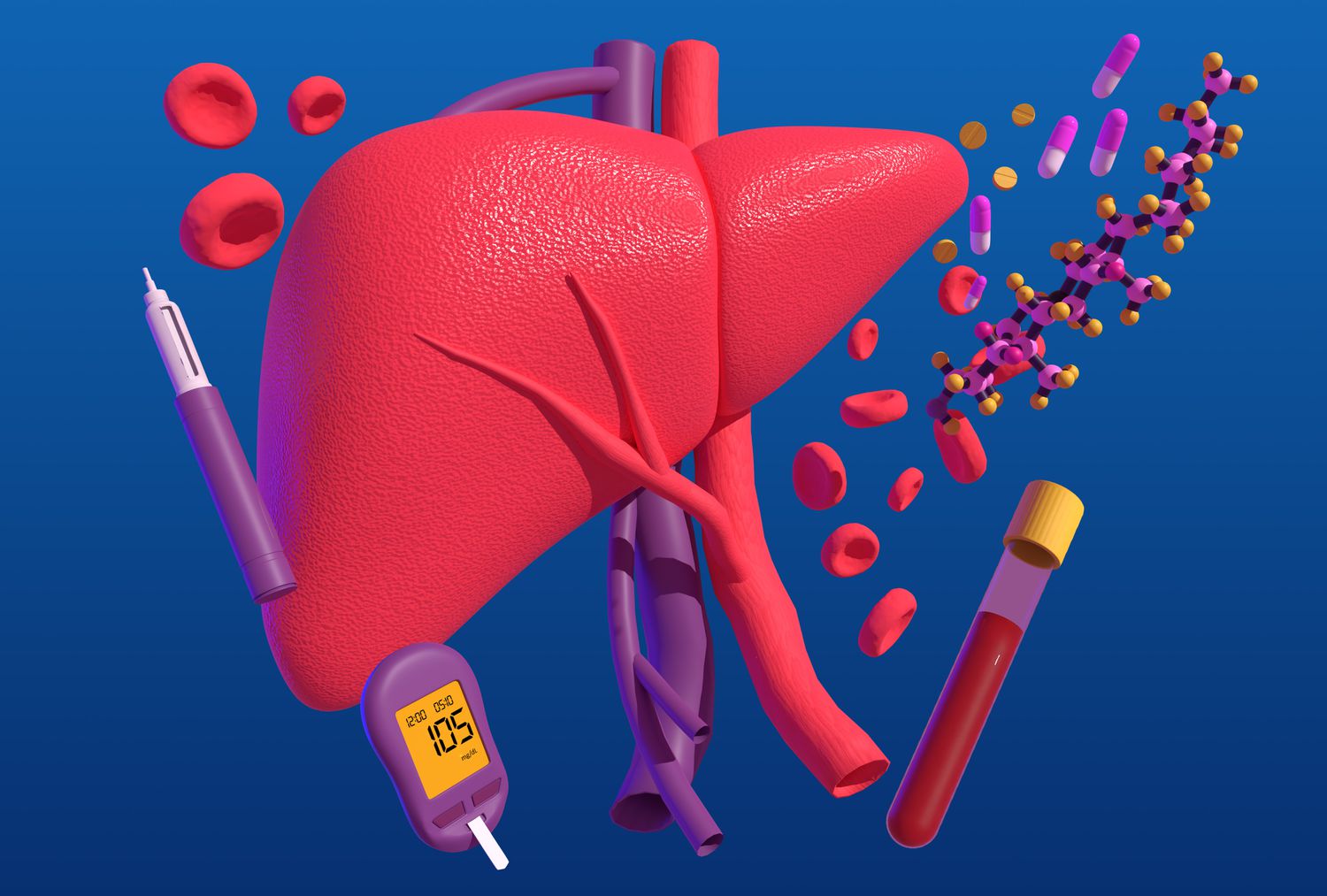
2026 FDA Breakthroughs: Rezdiffra and Beyond
The regulatory landscape reached a historic milestone when, in March 2024, the U.S. Food and Drug Administration approved Rezdiffra (resmetirom) as the first-ever medication for adults with noncirrhotic metabolic dysfunction-associated steatohepatitis (MASH) with moderate to advanced liver scarring. This medication functions as a THR-beta agonist, essentially mimicking the action of thyroid hormone in the liver to accelerate the breakdown of fats and reduce the toxic accumulation of lipids that drive inflammation.
By early 2026, the arsenal of FDA approved drugs for MASH has expanded. While Rezdiffra remains the cornerstone for direct fibrosis resolution, new therapies for MASH have integrated metabolic management. For instance, the approval of Foundayo (orforglipron) has provided an oral option for patients struggling with obesity-driven liver stress. Furthermore, Awiqli has been introduced to streamline the management of patients with co-occurring type 2 diabetes. These new therapies for MASH fibrosis resolution are specifically targeted at patients in fibrosis stage F2-F3, where the risk of progressing to cirrhosis is highest. These medications work by reducing hepatocyte ballooning and inflammation, allowing the liver tissue to begin the slow process of remodeling and repair.
Comparing Efficacy: Resmetirom vs Tirzepatide for MASH
When evaluating MASH management strategies, a frequent comparison arises between liver-directed therapies and systemic metabolic agents. Mechanistically, Resmetirom targets the thyroid hormone receptor pathway within the liver, whereas agents like tirzepatide act as dual GIP/GLP-1 receptor agonists to improve insulin sensitivity and drive significant weight loss.
Clinical trials have established a 30% relative decline in MRI-PDFF as a reliable predictor of whether a patient will achieve steatohepatitis resolution. While THR-beta agonists like Resmetirom directly stimulate hepatic lipid metabolism, tirzepatide has shown remarkable indirect benefits by reducing the influx of fatty acids into the liver. Specifically, the results for the dual agonist survodutide presented in 2024 demonstrated that 64.5% of adults with moderate to advanced liver fibrosis achieved an improvement in scarring without worsening of MASH symptoms.
| Feature | Resmetirom (Rezdiffra) | Tirzepatide / Dual Agonists |
|---|---|---|
| Primary Mechanism | THR-beta agonist | GIP/GLP-1 receptor agonist |
| Direct Liver Effect | High (lipid metabolism) | Moderate (reduced lipogenesis) |
| Weight Loss Impact | Minimal | High |
| FDA Approval Status | Approved for MASH (F2-F3) | Approved for Obesity/T2D |
| Administration | Oral Daily | Subcutaneous Weekly |
The choice between Resmetirom vs Tirzepatide for MASH often depends on the patient's specific metabolic profile. For individuals where obesity is the primary driver, how to reduce liver fat MRI PDFF scores often involves the rapid weight loss facilitated by GLP-1s. Conversely, for patients with "lean MASH" or those who do not tolerate GLP-1s, the direct hepatic action of Resmetirom is indispensable.
Diagnostic Revolution: Non-Invasive Monitoring
The era of painful, invasive liver biopsies is rapidly coming to a close. In 2026, MASH management strategies rely heavily on non-invasive tests (NITs) to monitor patient progress and medication efficacy. These tools allow for frequent "check-ins" on liver health without the risks associated with needle biopsies.
- Vibration-controlled transient elastography (FibroScan): This bedside tool measures liver stiffness (fibrosis) and controlled attenuation parameter (fat). It is now the standard of care for initial screening and annual follow-up.
- MRI-PDFF (Proton Density Fat Fraction): This is the gold standard for quantifying hepatic steatosis. A reduction in MRI-PDFF is often the first sign that a MASH treatment is working, long before fibrosis changes are visible.
- Blood-Based Biomarkers: New panels, such as the ELF (Enhanced Liver Fibrosis) score, provide a molecular snapshot of scarring activity, helping clinicians adjust dosages of FDA approved drugs for MASH 2026.
These NITs are essential for tracking liver-related clinical outcomes, ensuring that the prescribed therapy is effectively halting the progression of hepatocyte ballooning and collagen deposition.
Lifestyle and Medication: A Synergistic Strategy
Despite the arrival of powerful pharmaceuticals, lifestyle changes to support MASH medication remain the bedrock of successful recovery. The goal of MASH treatment is not just to clear the liver, but to restore overall cardiometabolic health.
Research consistently shows that a weight loss of 7% can resolve steatohepatitis in many patients, while a 10% reduction is often required to see a regression in fibrosis. MASH management strategies for weight loss typically involve a Mediterranean-style dietary pattern, which is high in anti-inflammatory fats and low in processed sugars like fructose. Fructose is particularly problematic for MASH patients as it bypasses normal metabolic checkpoints and is converted directly into liver fat.
Physical activity also plays a non-negotiable role. Resistance training and aerobic exercise improve peripheral insulin sensitivity, reducing the "toxic" load of free fatty acids sent to the liver. When combined with modern medications, these lifestyle modifications create a synergistic effect, significantly increasing the likelihood of achieving long-term liver health and reducing the risk of cardiovascular events, which remains the leading cause of mortality in MASH patients.
FAQ
What is the most effective treatment for MASH?
The most effective MASH treatment is currently a combination of the FDA-approved drug Rezdiffra (resmetirom) and structured lifestyle modifications. For patients with significant obesity, GLP-1 or dual GIP/GLP-1 agonists may be used alongside liver-specific therapies to address the underlying metabolic dysfunction.
Are there any FDA-approved medications for MASH?
Yes, as of 2026, there are several FDA approved drugs for MASH and its underlying causes. Rezdiffra (resmetirom) was the first to receive approval specifically for treating MASH with moderate to advanced fibrosis. Other medications like Foundayo (orforglipron) are used to manage the weight and metabolic factors that drive liver disease.
Can MASH be reversed with diet and exercise?
MASH can often be reversed in its early stages (F0-F2) through significant lifestyle changes. Achieving a weight loss of 7-10% is the clinical benchmark for reversing inflammation and potentially improving fibrosis. However, for patients at fibrosis stage F3, medication is usually required in conjunction with diet and exercise to achieve meaningful regression.
What is the difference between NASH and MASH treatment?
There is no functional difference in the clinical goal; MASH is simply the updated medical term for what was previously called NASH. The transition to MASLD nomenclature emphasizes that the disease is rooted in metabolic dysfunction rather than just the absence of alcohol use. Treatment strategies remain focused on reducing liver fat, inflammation, and scarring.
What are the latest medical breakthroughs in MASH treatment?
The latest medical breakthroughs include the clinical success of THR-beta agonists like resmetirom and the emergence of non-invasive tests (NITs) that allow doctors to monitor liver fat and scarring without a biopsy. Additionally, new therapies for MASH involving oral GLP-1 agonists and triple agonists are showing promise in achieving higher rates of fibrosis resolution in late-stage clinical trials.
Summary of Management Benchmarks
To ensure the best outcomes, patients and clinicians should aim for the following benchmarks in their MASH management strategies:
- MRI-PDFF Reduction: Aim for a >30% relative reduction in liver fat within the first 6 months of therapy.
- Weight Loss: Target a minimum of 7% total body weight reduction to resolve inflammation.
- ALT/AST Normalization: Monitor liver enzymes monthly during the initiation of new medications.
- FibroScan Score: Look for a downward trend in kilopascals (kPa) to confirm that liver stiffness is decreasing.
By integrating these precision diagnostics with the latest pharmacological breakthroughs, the management of fatty liver disease has transformed from a "wait and see" approach to a proactive, curative strategy.