Quick Facts
- Prevalence: Nausea is the most common side effect of GLP-1 receptor agonists, reported by up to 44% of patients in clinical trials.
- Initial Phase: Approximately 50% to 60% of patients experience gastrointestinal disturbances during the initial treatment phase as the body adjusts to the hormone.
- Peak Nausea: Symptoms of nausea usually peak around weeks 4 to 5, typically lasting about 8 days per occurrence, while constipation can persist for an average of 47 days.
- Gastroparesis Risk: The risk of developing gastroparesis, a condition that slows stomach emptying, is four times higher for individuals taking these medications.
- Hydration Goal: Achieving a daily intake of at least 64 ounces of water is essential to counter the thirst suppression often associated with these drugs.
- 2026 Update: Newer oral options like Foundayo (orforglipron) are showing slightly different gastrointestinal profiles compared to traditional injectables, though the management strategies remain similar.
Managing GLP-1 side effects like nausea and bloating requires a proactive approach centered on eating smaller portions, staying hydrated with electrolytes, and strictly avoiding greasy foods or sweeteners ending in -ol during the titration phase.
As a gut health editor, I have spent years looking at how the microbiome reacts to various supplements and medications. The rise of GLP-1 receptor agonists like Semaglutide and Tirzepatide has introduced a new chapter in metabolic health, but it has also brought a unique set of digestive challenges. These medications work by mimicking a natural hormone that slows down gastric emptying, which is excellent for satiety but can be taxing on the stomach.
Understanding the biology of your gut-brain axis is the first step toward relief. When the stomach empties more slowly, the signals sent to your brain can occasionally manifest as discomfort. Most gastrointestinal side effects from GLP-1 medications are temporary and typically improve within four to eight weeks as the body adjusts. However, the way you navigate those initial weeks can make the difference between staying on track with your health goals and feeling overwhelmed by stomach issues.
Solving the Nausea Puzzle: GLP-1 Nausea Relief
Nausea is the most frequent hurdle patients face, especially when starting a new prescription or increasing a dose. To manage nausea from GLP-1 medications like Semaglutide or Tirzepatide, prioritize eating smaller, more frequent meals and staying hydrated with small sips of water. Avoiding greasy, fried, or spicy foods can significantly reduce stomach upset.
A highly effective method for managing these transitions is the Traffic Light protocol. This system helps you decide how to handle your next dose based on your current symptoms. If you are in the Green zone (minimal symptoms), you continue as prescribed. The Yellow zone means you are experiencing manageable nausea; in this case, you might pause at your current dose for an extra week instead of increasing it. The Red zone involves persistent vomiting or inability to eat, which requires a de-escalation of the dose under medical supervision.
Strategic eating is another cornerstone of GLP-1 nausea relief. Because your gastric emptying is slower, the old rule of eating until you are full no longer applies. Instead, aim to stop eating when you are about 80% full. This leaves room for the stomach to process food without becoming overextended. Ginger-based remedies, such as ginger tea or chews, and bland foods like white rice or plain crackers are also effective for easing immediate discomfort during dose titration.
| Food Category | Eat This for Relief | Avoid to Prevent Upset |
|---|---|---|
| Grains | White rice, plain crackers, dry toast | High-fiber bran, heavy pastries, sugary cereals |
| Fruits | Bananas, applesauce, melons | Acidic citrus, large amounts of raw berries |
| Proteins | Boiled chicken, egg whites, steamed fish | Greasy bacon, fried chicken, heavy stews |
| Beverages | Electrolyte water, ginger tea, flat water | Carbonated sodas, alcohol, sugary juices |
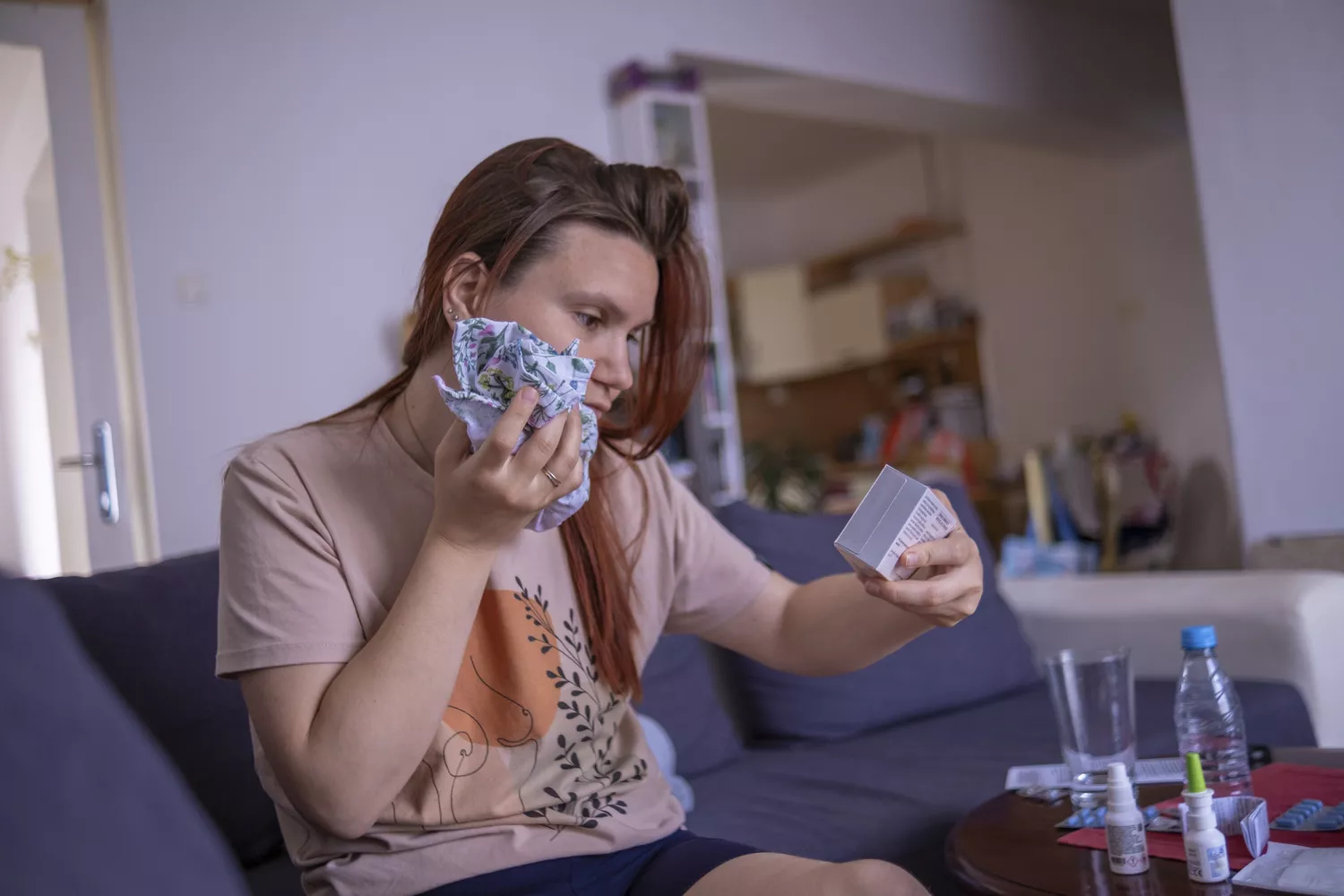
Timing your meals and knowing how to prevent nausea after GLP-1 injection can also change your experience. Many users find that injecting the medication in the evening allows them to sleep through the initial peak of symptoms. Additionally, rotating the injection site, such as moving from the abdomen to the thigh, has been reported by many patients to reduce the intensity of gastrointestinal side effects.
Managing Constipation and Diarrhea: The High-Fiber vs. Low-Fiber Paradox
The way GLP-1 medications influence gut motility can lead to two opposite problems: constipation and diarrhea. Managing constipation on GLP-1 medications requires proactive fiber intake and consistent movement. When the digestive tract slows down, waste stays in the colon longer, where water is absorbed, leading to harder stools. To counter this, increase fiber intake with chia seeds, leafy greens, and whole grains while maintaining high hydration levels.
On the other hand, some patients experience the opposite effect. To stop GLP-1 diarrhea, you should temporarily shift toward a low-fiber, bland diet. The BRAT diet—consisting of bananas, rice, applesauce, and toast—is a reliable standby for firming up stools and soothing an overactive gut. It is also wise to avoid carbonated drinks and cruciferous vegetables like broccoli or cabbage, which can further help reduce abdominal bloating and discomfort during these episodes.
The role of electrolytes cannot be overstated. When dealing with either constipation or diarrhea, your fluid balance is at risk. Standard water is often not enough because these medications can suppress the thirst mechanism. Adding an electrolyte powder to your water ensures that your gut has the necessary minerals to maintain proper motility and hydration.
Navigating the Titration Phase: Tips for Dose Increases
The titration phase is the period where your doctor gradually increases your dose to reach the target level. This is typically when GLP-1 side effects are most prominent. Reducing side effects during GLP-1 dose titration often involves a more flexible scheduling approach. If you know a dose increase is coming, simplify your diet 24 hours before and after the injection to give your digestive system a break.
One often overlooked aspect of dose escalation is protein intake. Because these drugs can lead to rapid weight loss, there is a risk of losing muscle mass along with fat. Aiming for high-quality protein sources at every meal helps preserve muscle while your body adapts to the medication. Symptoms like nausea and bloating are most common during the initial weeks of a new dose level, but they should eventually subside as your satiety signals stabilize.
If you find that side effects return with a vengeance every time you step up a dose, speak with your provider about a slower titration protocol. There is no prize for reaching the maximum dose quickly; the goal is sustainable health improvement with minimal disruption to your daily life.
Red Flags: When to See a Doctor for GLP-1 Side Effects
While most gastrointestinal issues are part of the adjustment period, it is vital to know when symptoms cross the line from uncomfortable to dangerous. Understanding when to see a doctor for GLP-1 side effects is a critical part of your safety plan.
If side effects persist beyond twelve weeks or become severe, such as persistent vomiting that prevents you from keeping down fluids, you must consult a healthcare provider. There is a small but serious pancreatitis risk associated with these medications. If you experience intense abdominal pain that radiates to your back, accompanied by a fever or a rapid heart rate, seek medical attention immediately. Severe dehydration is another red flag; if you feel dizzy, confused, or notice a significant drop in urine output, do not wait to get help.
FAQ
What are the most common side effects of GLP-1 medications?
The most frequently reported issues are gastrointestinal in nature. These include nausea, vomiting, diarrhea, constipation, and abdominal bloating. Nausea affects nearly half of all users at some point during their treatment, especially during the first few months.
How long do GLP-1 side effects typically last?
For the majority of users, these symptoms are temporary. Most gastrointestinal side effects improve within four to eight weeks as the body becomes accustomed to the medication. However, certain symptoms like constipation may last longer and require ongoing dietary management.
How can I manage nausea while taking GLP-1 agonists?
Management involves a combination of eating habits to reduce GLP-1 gastrointestinal side effects and lifestyle changes. Focus on eating smaller, frequent meals, staying hydrated with electrolytes, and avoiding fatty or spicy foods. Ginger and the BRAT diet are excellent for short-term relief.
What should I do if I experience severe stomach pain on a GLP-1?
Severe, persistent abdominal pain can be a sign of a serious condition like pancreatitis or a bowel obstruction. If the pain is intense, does not go away, or radiates to your back, you should contact your healthcare provider immediately or seek emergency care.
Are there specific foods to avoid to minimize GLP-1 side effects?
Yes, it is best to avoid greasy, fried, and highly processed foods, as these are harder for a slow-moving stomach to digest. You should also limit alcohol and foods containing sugar alcohols like sorbitol or xylitol, which can exacerbate bloating and diarrhea.
Do side effects return when increasing the GLP-1 dosage?
It is very common for side effects to resurface during the titration phase when the dose is increased. Most users find that these symptoms are milder than the initial start-up phase and usually resolve within a week or two of the new dose level.