Quick Facts
- Primary Link: The gut-brain axis connects microbiome health to neuroinflammation through a constant bidirectional stream of chemical signals.
- Serotonin Stat: Roughly 95% of the body's serotonin is produced in the enteric nervous system, rather than the brain.
- Top Probiotic Recommendation: Look for spore-forming strains like Bacillus coagulans that are designed to survive the harsh acidity of the stomach.
- Recovery Window: Most individuals notice digestive improvements within 7 to 14 days, while peak mental focus typically returns between 30 and 60 days.
- Fiber Goals: Aim for 25 grams daily for women and 38 grams for men to support the production of short-chain fatty acids.
- Warning: Avoid pasteurized "fermented" products found on room-temperature shelves, as the heat treatment kills the beneficial live cultures.
Gut health and brain fog are closely linked through the gut-brain axis, where an imbalance in intestinal bacteria can trigger systemic neuroinflammation. When the gut microbiome is compromised, it can affect the production of essential neurotransmitters and increase intestinal permeability. This process often results in cognitive symptoms such as reduced concentration, memory lapses, and mental fatigue.
The Connection: Signs Your Brain Fog is Caused by Gut Health
If you have ever felt "spaced out" after a heavy meal or struggled to find words during a meeting despite getting a full night's sleep, you may be experiencing the cognitive fallout of digestive distress. As an editor specializing in microbiome science, I often see patients and readers overlook the direct physical highway between the stomach and the skull. This highway is known as the vagus nerve, the primary component of the enteric nervous system that allows your gut to talk to your brain.
When your internal ecosystem falls into a state of Dysbiosis—an imbalance of "good" versus "bad" bacteria—the consequences are rarely confined to your bathroom habits. Research published in the Journal of Clinical Gastroenterology found that over 50% of patients with Small Intestinal Bacterial Overgrowth (SIBO) and intestinal methanogen overgrowth (IMO) experience brain fog alongside their digestive symptoms. This suggests that the fuzzy thinking you feel is a biological response to bacterial activity in the wrong parts of your digestive tract.
The mechanism behind this is often related to Intestinal permeability, popularly known as "leaky gut." When the lining of your intestines becomes compromised, undigested food particles and bacterial toxins can enter the bloodstream. This triggers an immune response that leads to Neuroinflammation, where the brain's immune cells become overactive. This inflammation slows down neural processing, making simple tasks feel like wading through mental mud. Furthermore, studies indicate that 60% to 80% of individuals diagnosed with Irritable Bowel Syndrome (IBS) may have SIBO as an underlying cause, which is significantly associated with mental fatigue and lack of focus. If your mental fatigue is accompanied by bloating, gas, or irregular movements, it is a clear sign your brain fog is caused by gut health imbalances.
13 Foods to Eat: The Gut Health Brain Fog Diet Plan
Restoring mental clarity requires more than just a cup of coffee; it requires a targeted gut brain axis diet that repairs the intestinal lining and balances the microbiome. The following 13 foods are selected for their ability to reduce inflammation and provide the raw materials for Serotonin synthesis and other essential neurotransmitters.
Category 1: Prebiotics (The Fuel)
Prebiotic fiber acts as the "fertilizer" for your beneficial bacteria. When these fibers are fermented in the colon, they produce short-chain fatty acids like butyrate, which help seal the gut lining and protect the brain.
- Garlic: High in inulin, garlic supports the growth of Bifidobacteria, which are associated with lower levels of anxiety and better focus.
- Leeks: These are a potent source of flavonoids and prebiotic fibers that help maintain stable blood sugar levels, preventing the afternoon "crash" that mimics brain fog.
- Onions: Rich in quercetin and inulin, onions help reduce the oxidative stress that can damage the enteric nervous system.
Category 2: Psychobiotics (Live Cultures)
Psychobiotics are a specific class of probiotics that provide mental health benefits. By diversifying your Microbiome diversity, you can lower cortisol levels and improve your resilience to stress.
- Kefir: This fermented dairy (or coconut) drink contains a diverse range of yeast and bacteria. Look for brands containing L. helveticus R0052, which has been studied for its role in reducing stress-induced cognitive fatigue.
- Sauerkraut: Real, unpasteurized sauerkraut provides a massive dose of lactic acid bacteria. This is one of the best fermented foods for brain fog relief because it assists in breaking down nutrients that are vital for brain energy.

- Kimchi: This spicy Korean staple introduces unique strains that are highly effective at combating the inflammation caused by bad bacterial overgrowth.
- Coconut Yogurt: For those sensitive to dairy, coconut yogurt enriched with live cultures like Bifidobacterium lactis offers a brain-boosting alternative.
Category 3: Neuro-Protective Fats
Your brain is about 60% fat, making the quality of your dietary fats crucial for improving gut health for mental focus.
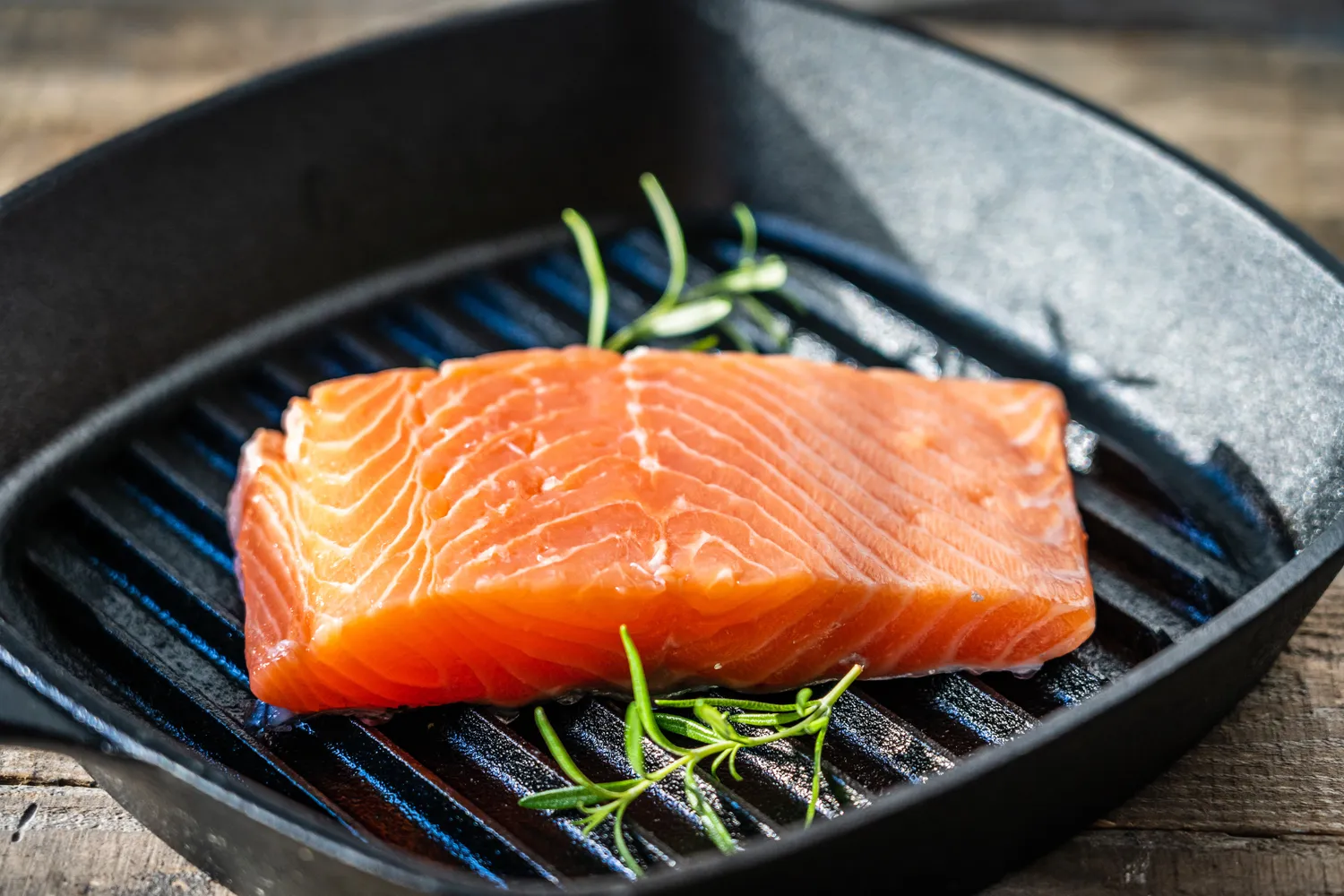
- Wild-caught Salmon: This is a powerhouse of Omega-3 fatty acids, specifically EPA and DHA. These fats are essential for maintaining the integrity of the blood-brain barrier.
- Walnuts: These nuts contain alpha-linolenic acid and polyphenols that support Vagus nerve stimulation and reduce the inflammatory markers that cloud your thinking.
Category 4: Polyphenols & Functional Mushrooms
Polyphenols feed beneficial microbes while mushrooms offer unique compounds that directly stimulate nerve growth.
- Blueberries: Known as "brain berries," their high anthocyanin content improves communication between neurons and supports a healthy gut environment.
- Lion’s Mane Mushroom: This functional mushroom contains Hericenones and Erinacines, which stimulate Nerve Growth Factor (NGF). It is frequently cited as one of the best foods for gut health and mental clarity because it bridges the gap between digestive health and neurogenesis.
Category 5: Ancient Grains
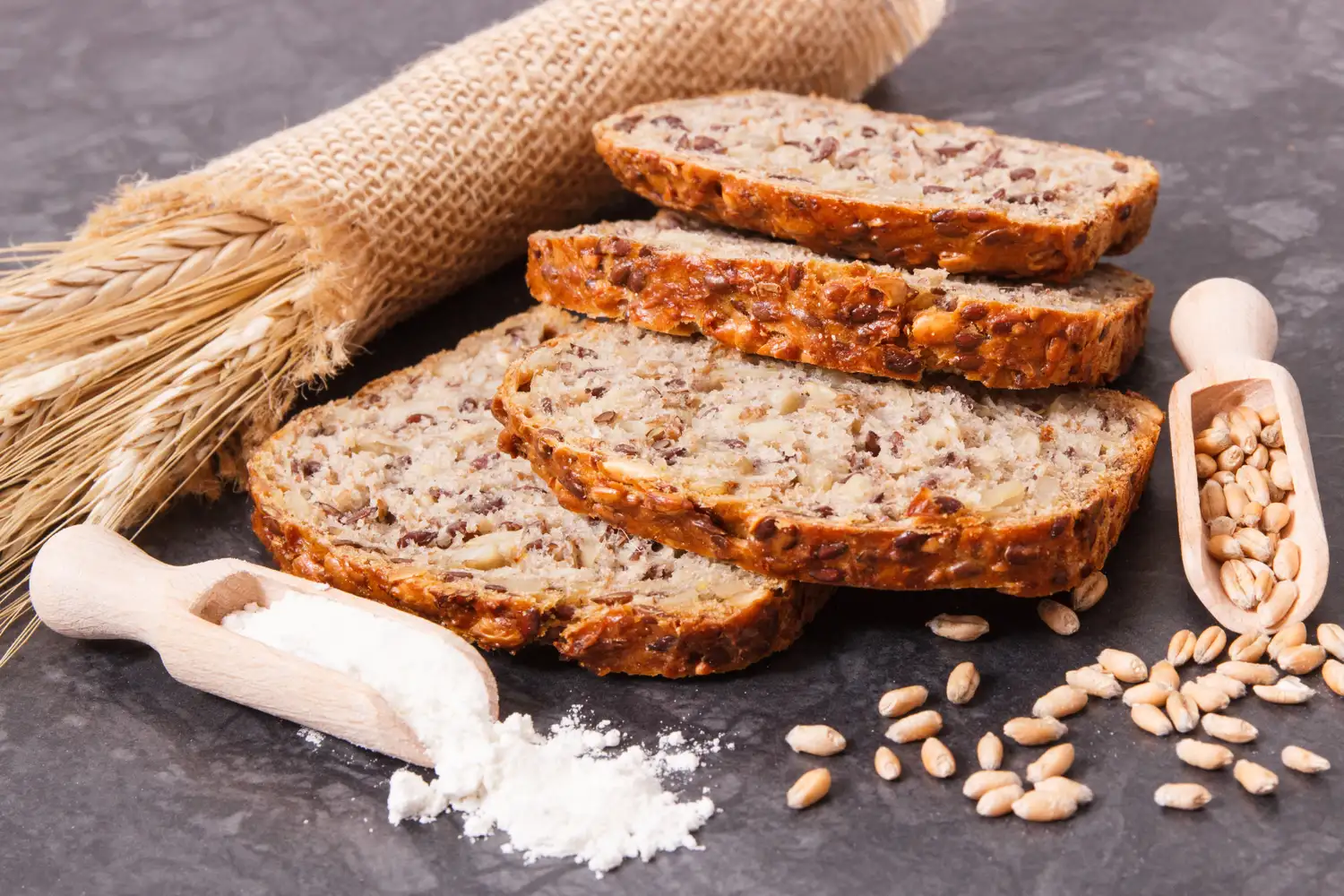
Stable energy is the enemy of brain fog. Switching to ancient grains provides the slow-burning fuel your brain needs without the inflammatory spikes of refined wheat.
- Teff: This tiny grain is packed with resistant starch, which feeds the bacteria in the lower gut responsible for producing focus-enhancing metabolites.
- Farro: High in fiber and protein, farro provides a steady release of glucose, ensuring your cognitive performance doesn't dip between meals.
Recovery Roadmap: The Gut Health Brain Fog Recovery Timeline
Healing the gut is not an overnight process, but the results follow a predictable pattern. Understanding the gut health brain fog recovery timeline can help you stay committed when the changes seem subtle.
- Phase 1 (Days 1-7): The Microbiome Shift As you introduce prebiotic fiber and fermented foods, you may experience temporary bloating as your bacteria adjust. This is the "transition phase" where the bad bacteria begin to die off, sometimes called a Herxheimer reaction.
- Phase 2 (Days 7-14): Reduced Systemic Inflammation Digestion begins to regulate. You will likely notice less abdominal pressure and a slight lift in your morning energy. The "heavy" feeling in your head starts to dissipate.
- Phase 3 (Days 14-30): Improved Serotonin Synthesis With the gut lining beginning to repair, your body becomes more efficient at producing neurotransmitters. You may find it easier to concentrate on complex tasks for longer periods.
- Phase 4 (Days 30-60): Peak Cognitive Performance Long-term dietary consistency results in a resilient microbiome. At this stage, how to clear brain fog through gut health becomes a matter of maintenance rather than repair. Your memory, mood, and mental stamina reach their new baseline.
Smart Shopping: Love This vs. Leave That
Making the right choices in the grocery aisle is the difference between feeding your focus and feeding your fatigue. Use this table as your guide for foods for mental clarity and digestion.
| Category | Love This (Buy) | Leave That (Avoid) |
|---|---|---|
| Pickled Foods | Refrigerated, live-culture pickles (look for "naturally fermented") | Shelf-stable vinegar pickles (boiled and pasteurized) |
| Supplements | Spore-forming probiotics like Bacillus subtilis | Generic, low-count brands with no listed strains |
| Grains | Whole ancient grains (Teff, Farro, Quinoa) | Refined white flour and "fortified" sugary cereals |
| Sweeteners | Raw honey or Monk fruit (in moderation) | High-fructose corn syrup and artificial sweeteners |
| Habits | Post-meal walking (Movement snacks) | Sedentary digestion (sitting for hours after eating) |
The evidence for this dietary shift is compelling. In a clinical study of patients with unexplained brain fog and bloating, 85% of participants experienced a complete resolution of their cognitive symptoms after completing antimicrobial treatment and adjusting their probiotic and food intake. This highlights that personalized nutrition is key; sometimes, even "healthy" probiotics can cause issues if you have an underlying condition like SIBO.

FAQ
Can gut health issues cause brain fog?
Yes, gut health issues are a frequent root cause of brain fog. When the microbiome is out of balance, it can lead to increased intestinal permeability, allowing toxins to enter the bloodstream and trigger inflammation in the brain. This neuroinflammation disrupts the normal firing of neurons, leading to that "cloudy" mental feeling.
How do I know if my brain fog is related to my gut?
If your mental fatigue occurs alongside digestive symptoms like bloating, gas, constipation, or diarrhea, it is highly likely they are connected. Another indicator is "post-prandial" brain fog, where your mental clarity significantly drops specifically after eating certain meals, especially those high in sugar or refined carbohydrates.
How long does it take to heal your gut and clear brain fog?
While every individual is different, most people see a significant improvement within 30 to 60 days of consistent dietary changes. Initial digestive relief often occurs within the first two weeks, but it takes longer for systemic inflammation to subside and for the brain to regain peak cognitive performance.
What are the best foods to eat for gut health and mental clarity?
The best foods for gut health and mental clarity include prebiotic fibers (garlic, onions, leeks) to fuel good bacteria, fermented foods (kefir, sauerkraut) to add beneficial strains, and Omega-3 rich fats (wild salmon, walnuts) to protect the brain. Polyphenol-rich foods like blueberries and Lion's Mane mushrooms are also highly effective.
Is there a link between leaky gut and brain fog?
There is a very strong link. A leaky gut allows lipopolysaccharides (LPS)—pro-inflammatory bacterial toxins—to escape the digestive tract. These toxins can cross the blood-brain barrier, directly causing the neuroinflammation that manifests as brain fog, lack of focus, and memory lapses.
To begin your journey toward clarity, I recommend a "3-day fiber ramp-up." Start by adding one serving of prebiotic fiber (like sautéed leeks) and one small serving of fermented food (like two tablespoons of sauerkraut) to your daily routine. By gradually shifting your internal ecosystem, you can clear the mental haze and reclaim your focus.