Waking up to a face that feels heavy, soft, and uncharacteristically round can be a jarring experience. You might have followed your evening skincare routine to the letter, stayed away from late-night salty snacks, and yet, the reflection in the morning mirror shows a version of yourself that looks perpetually tired or "puffy." In the wellness community, this phenomenon has recently been dubbed cortisol face, a term that describes how our internal stress levels manifest physically in our facial features.
Quick Facts
- Immediate Relief: Cold therapy and lymphatic drainage offer the fastest visible results for morning swelling.
- Root Cause: High cortisol levels upregulate MMP-1 enzymes, which actively degrade the skin’s collagen matrix.
- Hydration Target: Women should aim for 2.7 liters of water daily to assist the body in flushing excess fluid.
- Dietary Focus: A low-sodium and high-potassium intake stabilizes the endocrine system and reduces water retention.
- Wait Time: While tools provide instant relief, structural skin changes and fat redistribution usually take several weeks of consistent stress management to improve.
To fix cortisol face, prioritize reducing systemic inflammation through a low-sodium diet, consistent hydration, and lymphatic drainage techniques like Gua Sha. These habits help regulate the endocrine system and fluid retention caused by high stress, allowing your natural facial contouring to return over time.
Understanding the Science: Why Stress Causes Facial Puffiness
To understand how to address this issue, we must look at the Brain-Skin Axis. Our skin is not just a barrier; it is an immediate reflection of our internal hormonal environment. When we experience chronic stress, the HPA axis (hypothalamic-pituitary-adrenal axis) becomes overactive. This triggers the adrenal glands to release cortisol, the body’s primary stress hormone. While cortisol is essential for our "fight or flight" response, its prolonged presence in the bloodstream acts as a signal for the body to store fat and retain salt.
This hormonal shift often leads to what clinicians call moon face, a rounded facial appearance caused by fat deposits and fluid retention. While many people notice these changes due to lifestyle stress, others experience them as a side effect of medication. In fact, over 10 million Americans annually take glucocorticoids, a class of steroid medications recognized as one of the most common external causes of facial swelling.
Beyond medication, the prevalence of these symptoms varies by demographic. Women are approximately three times more likely than men to be diagnosed with Cushing’s syndrome, which is the clinical extreme of high cortisol. However, even for those without a clinical diagnosis, the impact of cortisol on skin health is significant. High levels of this hormone upregulate enzymes known as MMP-1, which break down collagen and elastin, leading to a loss of facial contouring and a more "inflated" appearance.
Immediate Relief: External Anti-Inflammatory Skincare Routine
While long-term hormonal balance is the goal, most of us want to know how to reduce cortisol face puffiness in the morning so we can feel confident heading into the day. An effective anti-inflammatory skincare routine focuses on vasoconstriction and calming the skin’s immune response.
One of the most effective skincare ingredients for cortisol face is caffeine. When applied topically, caffeine acts as a vasoconstrictor, shrinking blood vessels and reducing the amount of fluid that leaks into the surrounding tissue. Look for eye creams or full-face serums containing green tea extract or pure caffeine. Additionally, peptides like Acetyl Hexapeptide-8 can help improve skin density, making the puffiness less apparent by tightening the overall skin structure.
Cold therapy is another indispensable tool. Using ice rollers or chilled spoons helps to decrease histamine mediators in the skin that contribute to swelling. By applying cold pressure for just two to three minutes, you can significantly reduce facial puffiness and wake up the complexion.
| Fix Type | Method | Primary Benefit |
|---|---|---|
| External | Cold Therapy / Ice Rolling | Immediate vasoconstriction and reduction of swelling. |
| External | Caffeine Topicals | Constricts blood vessels to minimize fluid buildup. |
| Internal | Potassium-Rich Foods | Counters sodium to reduce systemic fluid retention. |
| Internal | Magnesium Supplementation | Supports the adrenal glands and improves sleep quality. |
Manual Drainage: Gua Sha and Lymphatic Support
The lymphatic system is responsible for carrying waste and excess fluid away from our tissues. Unlike the circulatory system, it doesn't have a pump (like the heart), so it relies on movement and manual manipulation. When cortisol levels are high, this system can become sluggish, leading to fluid stagnation in the cheeks and jawline.
Implementing gua sha techniques for facial lymphatic drainage is one of the most effective ways to restore your natural facial contouring. Here is a simple routine to follow:
- Prep the Skin: Apply a facial oil to provide "slip" so the tool doesn't tug on your skin.
- The Neck First: Always start by massaging the neck in downward strokes. This "opens the gates" so the fluid from your face has somewhere to go.
- Jawline to Ear: Place your tool at the center of your chin and sweep it along the jawline toward your earlobe. Use light pressure; lymphatic vessels are just beneath the surface.
- Cheek Sweep: Move the tool from the side of your nose across your cheekbone toward your temple. This is the primary area where cortisol face puffiness accumulates.
- Under Eye: Use the smallest edge of your tool and very light pressure to sweep from the inner corner of the eye toward the hairline.
- Repetition: Repeat each stroke 3-5 times for the best results.
By incorporating this into your morning routine, you provide a physical outlet for the fluid retention that stress creates overnight.
Internal Fixes: Diet and Lifestyle Changes to Lower Cortisol Naturally
To achieve a realistic timeline for reducing cortisol face, we must move beyond the surface. Topical treatments are the bandage, but lifestyle changes for skin inflammation are the cure.
Balancing Sodium and Potassium
The most immediate dietary change you can make is managing your sodium-potassium balance. Sodium causes the body to hold onto water, while potassium helps flush it out. If you are struggling with a puffy face, increase your intake of potassium-rich foods like bananas, avocados, and spinach. Furthermore, staying hydrated is non-negotiable. While it seems counterintuitive to drink more water when you feel "waterlogged," dehydration actually signals the body to retain even more fluid. Aim for the 2.7 liters of water daily recommended for women to keep the system moving.
Choosing Anti-Inflammatory Foods
Your diet should act as a tool for stress management. Some of the best anti-inflammatory foods for puffy face include:
- Fatty Fish: Rich in Omega-3s which lower systemic inflammation.
- Berries: High in antioxidants that protect collagen from MMP-1 enzymes.
- Dandelion Tea: A natural, gentle diuretic that helps reduce fluid retention without stripping electrolytes.
- Leafy Greens: Provide magnesium, which is essential for regulating the endocrine system.
Prioritizing Sleep and Circadian Rhythm
Your cortisol levels are dictated by your circadian rhythm. Ideally, cortisol should be high in the morning to help you wake up and low at night to allow for rest. Chronic stress flips this script, leading to "tired but wired" nights and puffy mornings. Establishing a consistent bedtime routine—limiting blue light and practicing deep breathing—helps lower nighttime cortisol. This allows your skin’s repair mechanisms to take over, reducing the chronic inflammation that leads to a swollen appearance.
FAQ
What does a cortisol face look like?
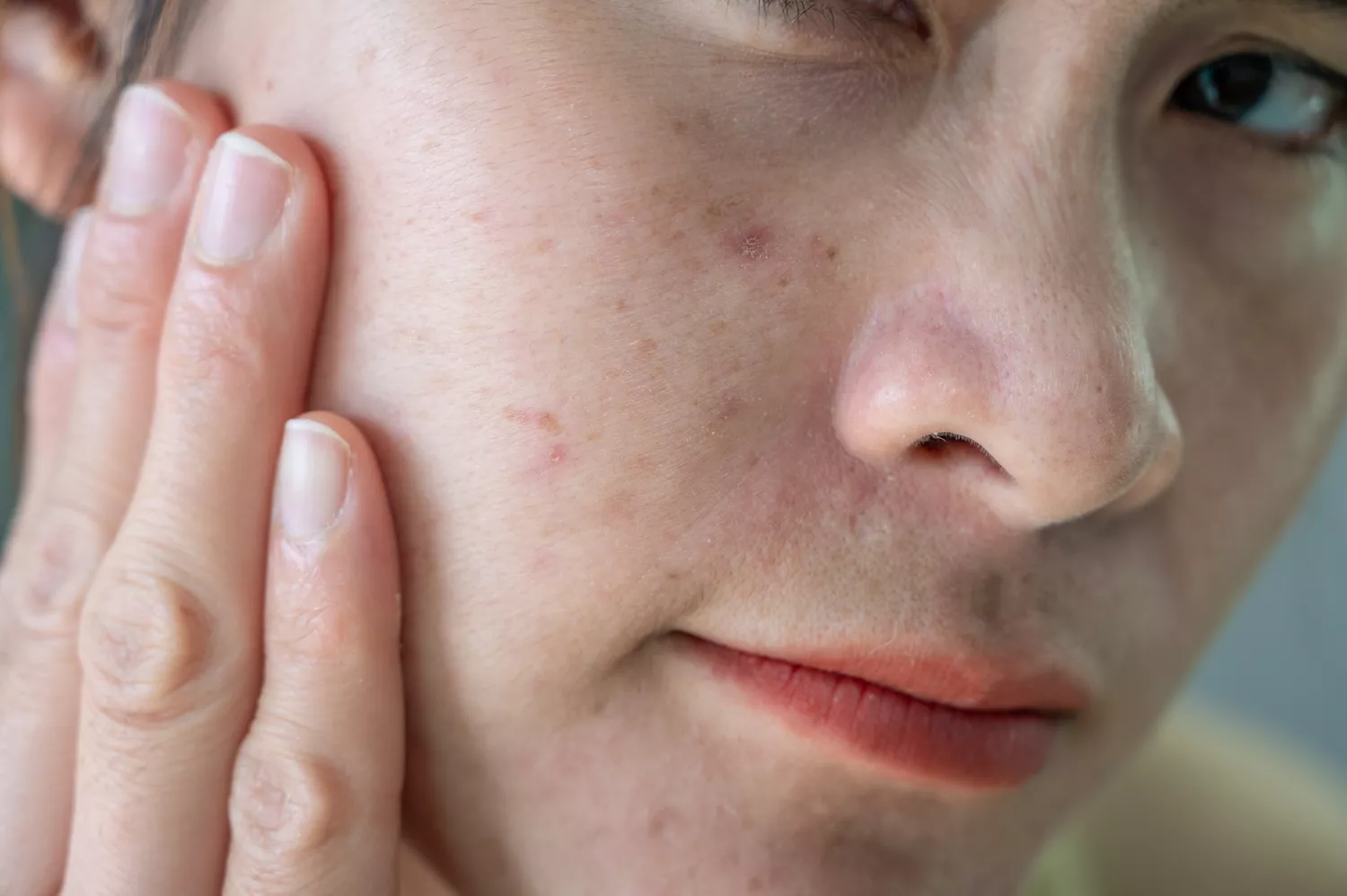
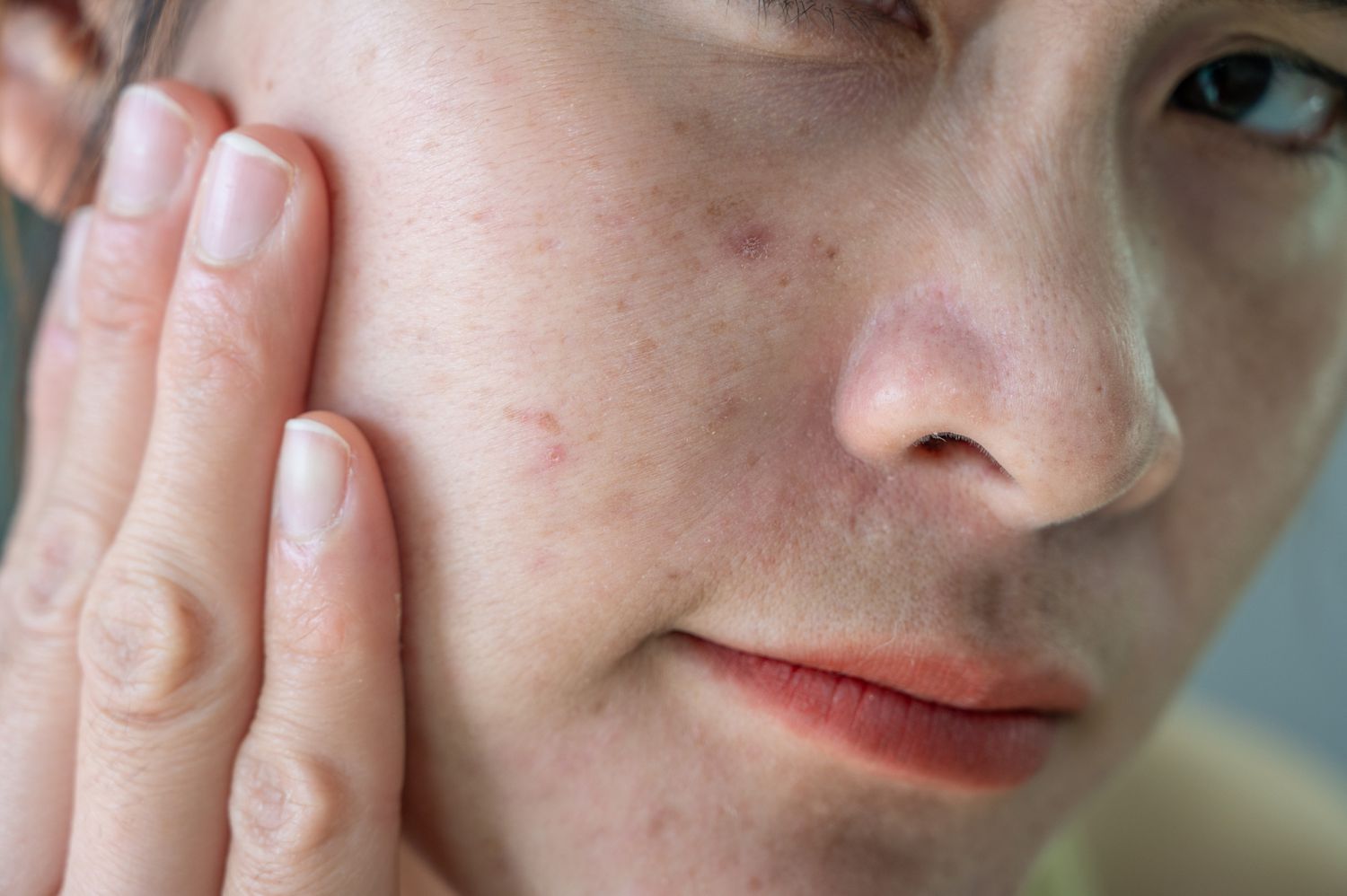
A cortisol face typically appears as a sudden or gradual rounding of the facial features, particularly in the cheeks and jawline. It is often accompanied by a "soft" or "puffy" texture to the skin, and in some cases, a reddish hue due to increased blood flow or inflammation. Unlike typical weight gain, this puffiness can fluctuate throughout the day.
How do you get rid of cortisol face?
Getting rid of the puffiness requires a two-pronged approach: immediate lymphatic drainage (like gua sha or cold therapy) to move stagnant fluid, and long-term lifestyle changes to lower cortisol naturally for skin. This includes reducing sodium, increasing potassium, staying hydrated, and managing stress through consistent sleep hygiene.
Can stress cause your face to look puffy?
Yes, stress triggers the HPA axis to release cortisol, which signals the kidneys to retain sodium and water. This fluid retention often settles in the facial tissues. Additionally, chronic stress promotes systemic inflammation, which can degrade the collagen matrix and make the face appear less contoured and more swollen.
How long does it take for cortisol face to go away?
While you can see immediate improvement in fluid retention using tools like a jade roller or ice, the structural changes associated with cortisol face usually require more time. With consistent stress management and dietary adjustments, most people notice a significant difference in their facial contouring within three to six weeks.
Is cortisol face the same as moon face?
In a wellness context, people often use these terms interchangeably. However, "moon face" is a specific clinical term often used to describe a primary symptom of Cushing’s syndrome or a side effect of high-dose steroid medications. While cortisol face is a broader term used for stress-related puffiness, the biological mechanism—elevated cortisol—remains the same.
Managing cortisol face is about more than just aesthetics; it is a signal from your body that your internal systems need a moment of grace. By combining empathetic self-care with clinically backed nutrition and skincare, you can restore both your facial contouring and your inner peace.