Quick Facts
- Core Difference: A stye is an acute infection, while a chalazion is a chronic inflammatory blockage.
- Healing Time: Styes typically resolve within one to two weeks, whereas a chalazion can take months.
- Primary Cause: Approximately 90% to 95% of styes result from an infection caused by Staphylococcus aureus.
- Main Symptom: Pain and redness usually signal a stye; a firm, painless lump usually indicates a chalazion.
- Golden Rule: Never attempt to squeeze or pop an eyelid bump to avoid spreading the infection.
- Best Treatment: Consistent heat through warm compresses is the most effective first-line therapy.
Identifying an eyelid bump can be confusing. Whether it's a painful stye or a firm chalazion, understanding the cause is the first step to relief. A stye is typically a painful, red bump caused by a bacterial infection of an oil gland, whereas a chalazion is a firm, usually painless lump resulting from a blocked Meibomian gland. Most eyelid bumps resolve with warm compresses, but persistent lumps may require medical intervention.
Stye vs. Chalazion: The Diagnostic Triad
When you first notice a lump on your lid, the instinct is often one of worry. However, most occurrences fall into two very specific categories. To help you figure out what you are dealing with, I use a framework called the Diagnostic Triad: Pain, Location, and Speed. This stye vs chalazion identification guide is designed to help you differentiate between these two common conditions before you even step into a clinic.
A stye, medically known as a hordeolum, is a localized infection. If it occurs at the base of an eyelash, it is an External hordeolum. If it develops deeper within the lid, it is an Internal hordeolum. You will know it is a stye because it develops quickly—often overnight—and is significantly tender to the touch. It looks like a bright red pimple near the eyelid edge.
A chalazion, on the other hand, is not an infection but a Glandular blockage. It occurs when the oil produced by the Meibomian glands becomes too thick to flow, leading to a backup. Think of it as a traffic jam in the eyelid’s plumbing. These grow much more slowly and are rarely painful unless they become secondary sites for Bacterial colonization.
| Feature | Stye (Hordeolum) | Chalazion |
|---|---|---|
| Pain Level | Acute tenderness and pain | Usually painless, though may feel heavy |
| Location | Eyelid margin (edge) | Further back on the eyelid |
| Speed of Growth | Rapid (1–3 days) | Slow (weeks to months) |
| Appearance | Red, swollen, looks like a pimple | Firm, round, skin-colored lump |
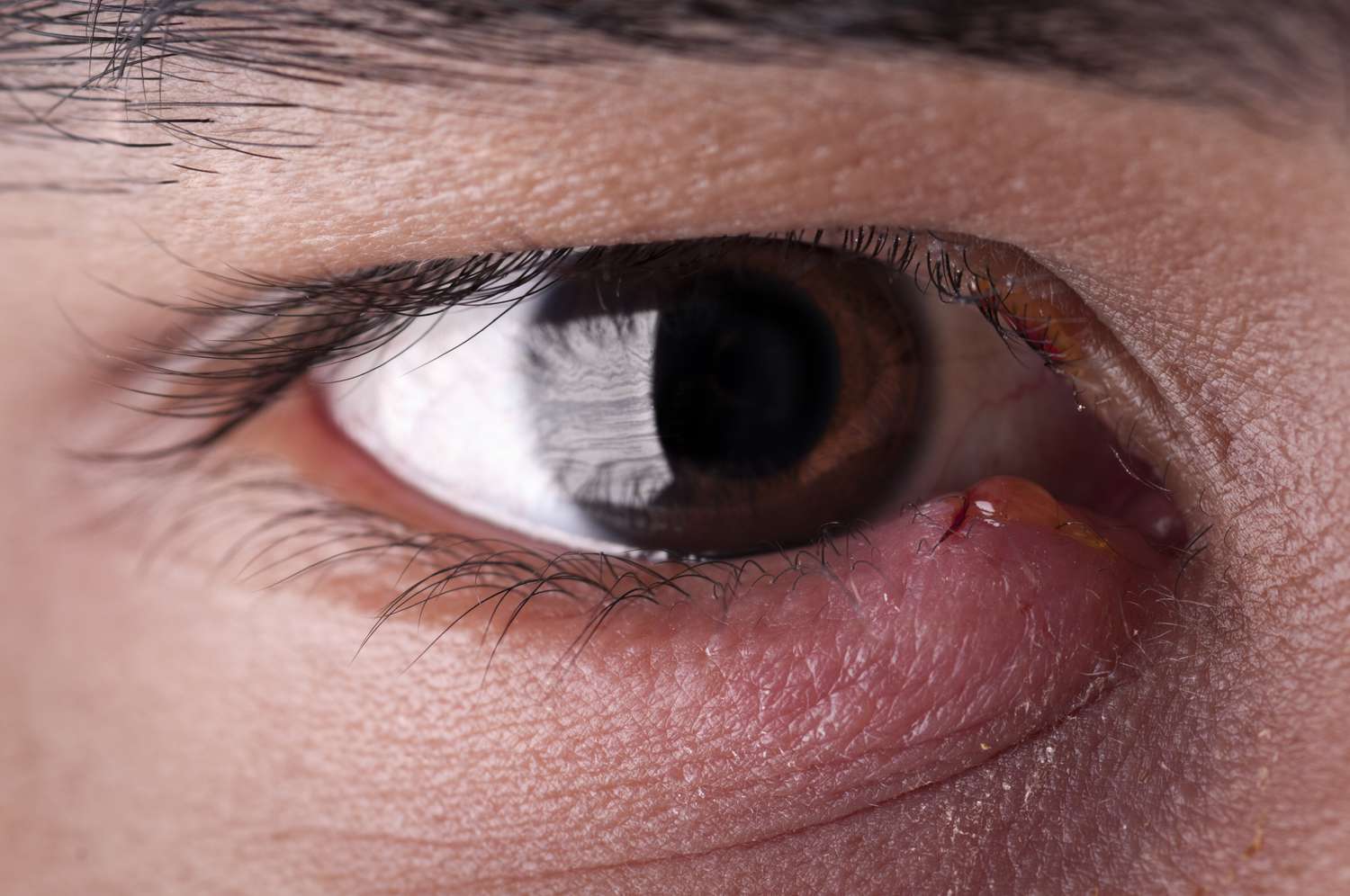
It is important to note that these conditions are related. Sometimes, the initial inflammation of an Internal hordeolum subsides, but the Glandular blockage remains. In these cases, a stye can essentially "turn into" a chalazion, leaving behind a firm, painless cyst that lingers for months.
Other Common Eyelid Lumps
While the stye and chalazion are the most frequent visitors to the eye area, they aren't the only possibilities. Your eyelid is a complex piece of anatomy with skin, muscle, and various glands, all of which can develop different types of growths.
- Milia: These are tiny, white, pearl-like bumps that often appear in clusters. They are essentially small cysts filled with keratin and are completely harmless, though many people find them aesthetically bothersome.
- Xanthelasma: These appear as yellowish, flat plaques on the eyelids, usually near the nose. They are deposits of cholesterol and can sometimes be an indicator of high lipid levels in the blood.
- Skin Tags: Small, flesh-colored growths that hang off the skin. They are common as we age and are generally benign.
While most lumps are benign, we must keep an eye out for more serious issues. Statistical data shows that Basal cell carcinoma is the most common malignant lesion found on the eyelids, representing about 90% of all eyelid malignancies. These typically appear as a firm, pearly nodule that may eventually crust or bleed. If a bump has irregular borders, loses eyelashes in that specific area, or bleeds spontaneously, an Ophthalmologist consultation is mandatory.
At-Home Care: Relieving a Painful Eyelid Lump
The good news is that most cases of a minor eyelid bump can be managed effectively without a prescription. The goal of home care for eyelid cysts is to liquefy the hardened oils trapped inside the gland and encourage natural drainage.
If you are seeking painful eyelid lump relief at home, the warm compress is your most powerful tool. However, most people do not do it long enough or often enough to see results. Follow this protocol for the best chance of success:
- Temperature Check: Use a clean washcloth soaked in warm water (not scalding, but comfortably hot).
- The 15-Minute Rule: Apply the compress to the closed eyelid for 10 to 15 minutes. You may need to re-dip the cloth every few minutes to maintain the heat.
- Frequency: Perform this routine 3 to 5 times daily. Consistency is the key to softening a stubborn Glandular blockage.
- Directional Massage: After the heat has softened the oils, use a clean finger to apply very gentle pressure. For an eyelid bump on the upper lid, massage in a downward motion toward the lashes. For the lower lid, massage upward. This helps "milk" the material out of the gland.
- Hygiene: Use a cotton swab and a bit of diluted baby shampoo or a dedicated eyelid scrub to clean the lash line. This maintains Ocular surface hygiene and prevents further Bacterial colonization.
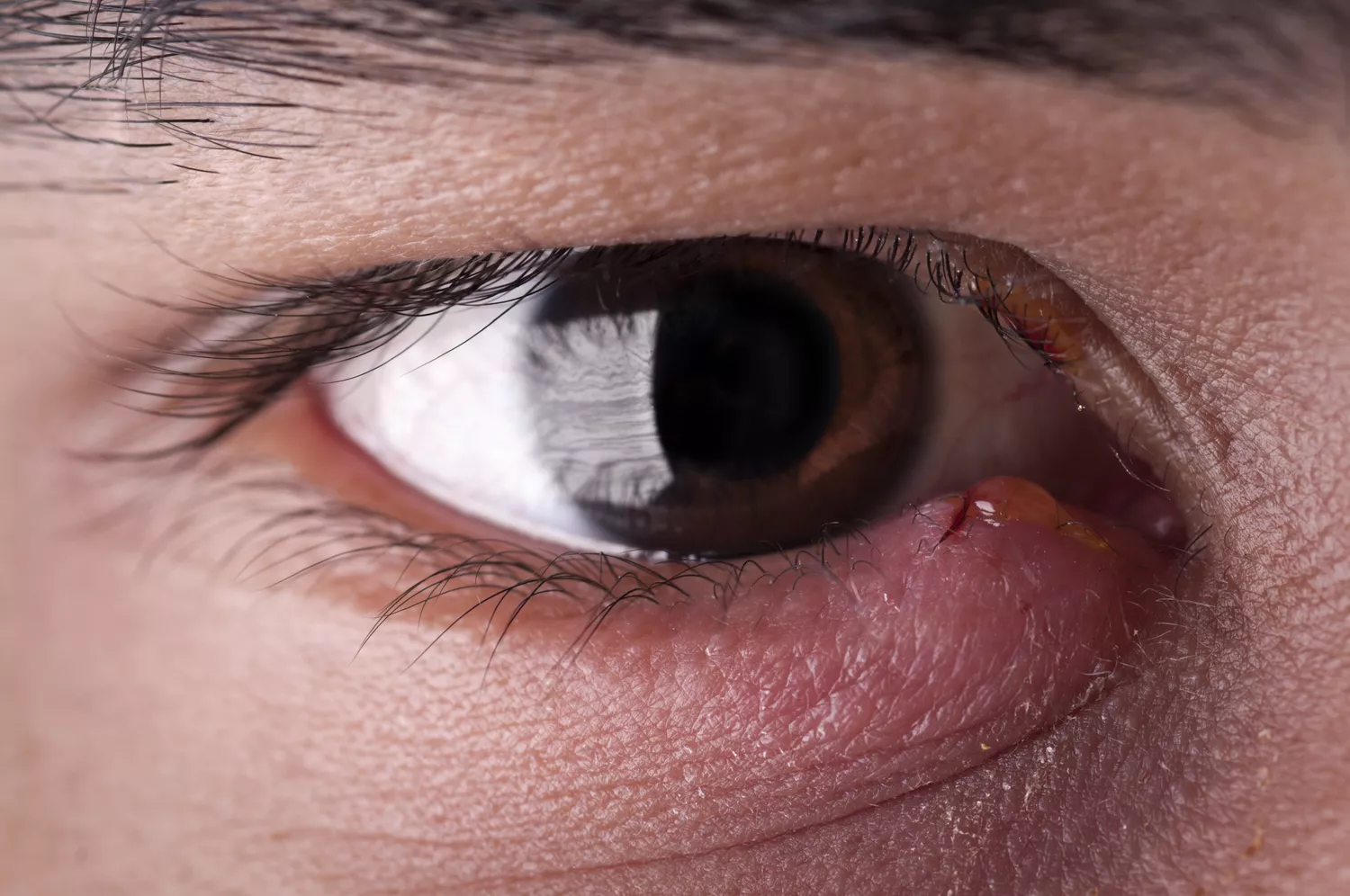
One of the biggest dangers of popping an eyelid stye is the risk of cellulitis. The tissue around the eye is very loose and thin, allowing infections to spread rapidly to the rest of the face or even the eye socket if you break the skin and push bacteria deeper. Let the heat do the work for you; if it doesn't drain on its own, it’s time to see a professional.
Medical and Surgical Treatments
When home care fails to yield results after two weeks, or if the bump is large enough to press against the eyeball and blur your vision, professional intervention becomes necessary. Modern medicine offers a variety of ways to handle a stubborn eyelid bump that refuses to quit.
During your visit, a doctor might prescribe Erythromycin ointment or other topical antibiotics if they suspect an active infection. While these don't always penetrate deep enough to "cure" a chalazion, they are excellent for managing the bacteria on the surface of the lid. If the primary issue is significant swelling, your doctor may suggest Corticosteroids. These can be applied as drops or, in some cases, injected directly into the lump to shrink the inflammation from the inside out.
For a chalazion that persists for several months despite all conservative efforts, a minor surgical procedure called Incision and curettage may be recommended. This is usually done in the office under local anesthesia. The eyelid is numbed, a small incision is made on the underside of the lid (so there is no visible scar), and the trapped contents are cleared out.
Red Flag Sidebar: When to See a Doctor Seek an immediate Ophthalmologist consultation if you experience:
- Vision changes or persistent blurring.
- The entire eyelid becomes red, hot, and swollen (possible cellulitis).
- The bump is so large it prevents your eye from opening fully.
- The lump bleeds or has a jagged, ulcerated appearance.
- The bump returns repeatedly in the exact same spot.
Prevention: Stopping Recurrent Bumps
If you find yourself dealing with one eyelid bump after another, it is likely that an underlying condition is at play. The most common culprit is Chronic blepharitis, a condition where the eyelids are persistently inflamed and prone to oil buildup.
Preventing eyelid bumps with blepharitis care involves a daily commitment to lid hygiene. Just as you brush your teeth every morning, you may need to clean your lash line daily to prevent Meibomian gland dysfunction. Other systemic conditions, such as ocular rosacea or diabetes, can also change the consistency of your oil or weaken your immune response to skin bacteria, making you more prone to styes.
For those who wear makeup, hygiene is paramount. Bacteria love to grow in mascara tubes and eyeliner pencils. I recommend replacing your eye makeup every three months and never sharing tools with others. Additionally, always remove your makeup before bed; sleeping in eyeliner is a guaranteed way to clog those delicate pores. Contact lens wearers should also be cautious, ensuring they wash their hands thoroughly before touching their eyes and giving their eyes "rest days" by wearing glasses.
FAQ
What is the difference between a stye and a chalazion?
A stye is an acute, painful infection of an oil gland or eyelash follicle, often appearing red and pimple-like. A chalazion is a chronic, usually painless lump caused by a blockage in the Meibomian gland. While a stye pops up quickly, a chalazion grows slowly over several weeks.
How do I get rid of a bump on my eyelid?
The most effective home treatment is the frequent application of warm compresses for 10 to 15 minutes, 3 to 5 times a day. This heat softens the trapped oils. Following the compress with a gentle massage toward the lash line can help encourage the bump to drain naturally.
When should I see a doctor for a bump on my eyelid?
You should schedule an appointment if the bump does not improve after two weeks of home care, if it causes significant pain, or if it interferes with your vision. You should also seek help if the redness starts spreading to the rest of the eyelid or cheek.
Can you pop a bump on your eyelid?
No, you should never attempt to squeeze or pop a bump on your eyelid. Doing so can push the infection deeper into the eyelid tissue or lead to a much more serious infection called orbital cellulitis, which can threaten your vision.
How long does it take for an eyelid bump to go away?
A stye typically resolves within one to two weeks with proper care. A chalazion is more stubborn and may take several weeks or even a few months to completely disappear. If it lingers beyond this timeframe, medical intervention like a steroid shot or minor drainage may be required.