Quick Facts
- Prevalence: Hyperhidrosis is estimated to affect approximately 4.8% of the U.S. population, yet nearly half of those with the condition have never discussed their symptoms with a healthcare professional.
- Core Difference: Excessive sweating causes are split into primary focal hyperhidrosis (usually genetic and localized) and secondary generalized hyperhidrosis (caused by underlying health issues or medications).
- Clinical Diagnostic Rule: A diagnosis typically requires experiencing focal, visible, and excessive sweating for at least six months without an apparent cause, occurring at least once per week.
- Red Flags: Seek immediate medical attention if sweating is accompanied by chest pain, fever, chills, lightheadedness, or nausea, which may signal a serious systemic condition.
- Self-Assessment: Use the ABCDEFG mnemonic (Age of onset, Bilateral/symmetric, Cessation during sleep, Duration, External factors, Family history, Generalized) to help differentiate your symptoms.
- Medication Triggers: Common pharmacological side effects from SSRIs, antidepressants, and beta blockers are frequent contributors to increased perspiration.
Excessive sweating causes are categorized into primary and secondary hyperhidrosis. Primary hyperhidrosis is often a hereditary condition where focal sweating occurs in specific areas like the palms, soles, or face without an underlying medical trigger. In contrast, secondary hyperhidrosis is caused by an external factor, such as a medical condition or medication side effect, and typically results in generalized sweating across the entire body.
Understanding Primary Focal Hyperhidrosis: The Genetic Factor
When we talk about primary hyperhidrosis, we are describing a condition where the autonomic nervous system sends overactive signals to the eccrine sweat glands. For most people, sweating is a necessary part of thermoregulation—the body’s way of cooling itself down. However, for those with primary hyperhidrosis, the "thermostat" is essentially broken, leading to moisture production that far exceeds what is needed for temperature control.
The hallmark of this condition is that it is localized. You won't typically sweat from head to toe; instead, it targets specific areas like the armpits, the palms of the hands, the soles of the feet, or the face and scalp. Medical professionals look for very specific hyperhidrosis symptoms and signs to confirm this type. For instance, the sweating must be bilateral and symmetrical, meaning it happens on both hands or both feet at the same time.
There is a significant hereditary component to this condition. Research suggests that up to two-thirds of patients have a family history of excessive sweating, pointing toward genetic triggers. Typically, the onset occurs before the age of 25, and one of the most distinguishing features is that the sweating stops entirely during sleep. If you are dry at night but struggle with damp palms the moment you wake up, you are likely dealing with the difference between primary and secondary hyperhidrosis.
To help patients and clinicians, a hyperhidrosis symptoms and diagnostic criteria checklist often includes the following:
- Sweating that impairs daily activities.
- At least one episode per week.
- Age of onset under 25 years.
- Family history of the condition.
- Cessation of focal sweating during sleep.
- Bilateral and relatively symmetric sweating.
Secondary Generalized Hyperhidrosis: Medical Triggers & Medications
Unlike the focal version, secondary hyperhidrosis is usually a symptom of something else going on within the body. It is often referred to as generalized sweating because it tends to affect larger areas or the entire body rather than just the palms or armpits. Understanding the medical conditions that cause sweating throughout the body is crucial because these symptoms can sometimes be the first warning sign of an underlying systemic issue.
One of the most common endocrine-related causes is hyperthyroidism. When the thyroid gland is overactive, it speeds up the body’s metabolic processes, leading to increased heat production and subsequent perspiration. Similarly, hypoglycemia—or low blood sugar—is a frequent trigger. When blood sugar drops, the body releases adrenaline, which activates the sweat glands as part of a "fight or flight" response. This is why many people with diabetes may experience sudden bouts of dampness.
Hormonal shifts are also significant players. Menopause symptoms, specifically hot flashes, are perhaps the most well-known cause of secondary sweating in women. These episodes are driven by changes in how the brain perceives body temperature, leading to sudden, intense heat and perspiration. However, it is also vital to watch for night sweats triggers that might point to more serious concerns. Chronic infections like tuberculosis or malignancies such as lymphoma and leukemia often present with drenching night sweats and weight loss.
We must also consider the role of chemistry. Many common prescriptions list increased perspiration as a primary side effect. In particular, excessive sweating side effects of antidepressants and beta blockers are well-documented. Selective serotonin reuptake inhibitors (SSRIs) can alter the thermoregulation centers in the brain, while beta blockers, though used for heart health and anxiety, can sometimes interfere with how the autonomic nervous system manages sweat production.
| Feature | Primary Focal Hyperhidrosis | Secondary Generalized Hyperhidrosis |
|---|---|---|
| Location | Localized (hands, feet, face, armpits) | Generalized (entire body) |
| Symmetry | Symmetric (both sides) | Can be asymmetric or whole-body |
| Night Sweating | Rare (stops during sleep) | Common (often occurs during sleep) |
| Age of Onset | Usually <25 years old | Can occur at any age, often >40 |
| Cause | Genetic / Idiopathic | Medical condition or medication |
| Systemic Symptoms | None | Fever, weight loss, or fatigue common |
The "When to See a Doctor" Checklist (Red Flags)
While sweating is a natural bodily function, certain patterns should prompt an immediate dermatological evaluation. If you find yourself wondering when to seek help, look for what clinicians call "red flags." These are signs that the sweating is not just a localized quirk of your biology but a signal of a potential systemic illness or malignancy signs.
The following checklist can help you determine if your excessive sweating causes warrant a professional consultation:
Red Flag Warning Signs
- Sudden Onset: If you are an adult over 40 and suddenly start sweating excessively without a change in activity level or environment.
- Night Sweats: If you wake up and need to change your pajamas or bedsheets because they are soaked through.
- Asymmetrical Sweating: If you notice you only sweat on one side of your body (e.g., only the right palm).
- Systemic Symptoms: Sweating accompanied by unexplained weight loss, persistent fever, or chronic fatigue.
- Physical Distress: Any sweating that occurs alongside chest pain, heart palpitations, or shortness of breath.
- Sleep Interruption: If the sweating is severe enough to wake you from a deep sleep.
If you are experiencing a sudden onset of excessive sweating in adults over 40, it is particularly important to rule out cardiovascular issues or new-onset endocrine disorders. Furthermore, when to see a doctor for night sweats and fatigue is a question of urgency; these combined symptoms are classic red flags for secondary hyperhidrosis and when to seek help should be your top priority. Excessive sweating accompanied by weight loss and fever is never considered normal and requires a full medical workup to ensure no serious underlying conditions are present.
Measuring Severity: From Sweat Stains to HDSS
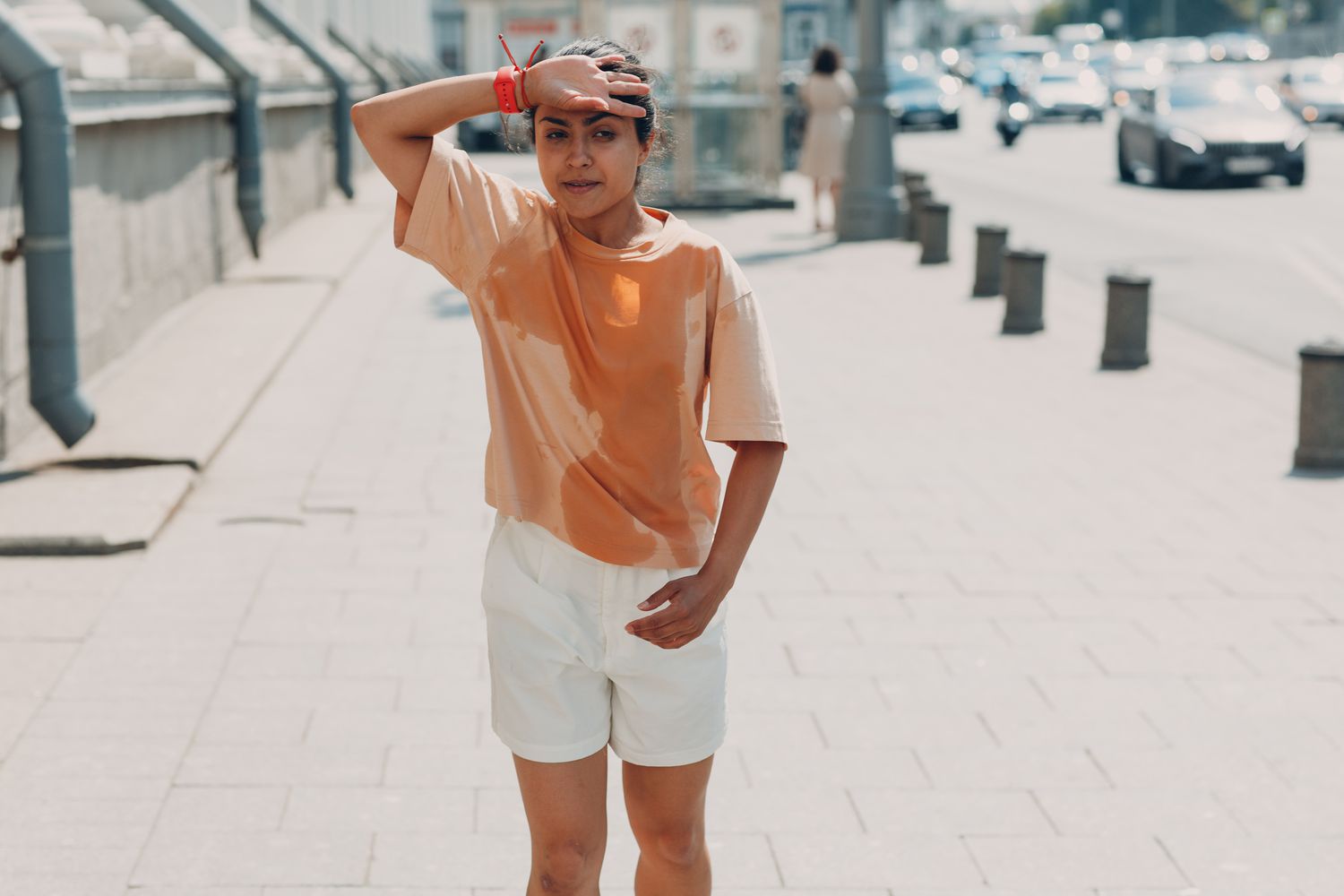
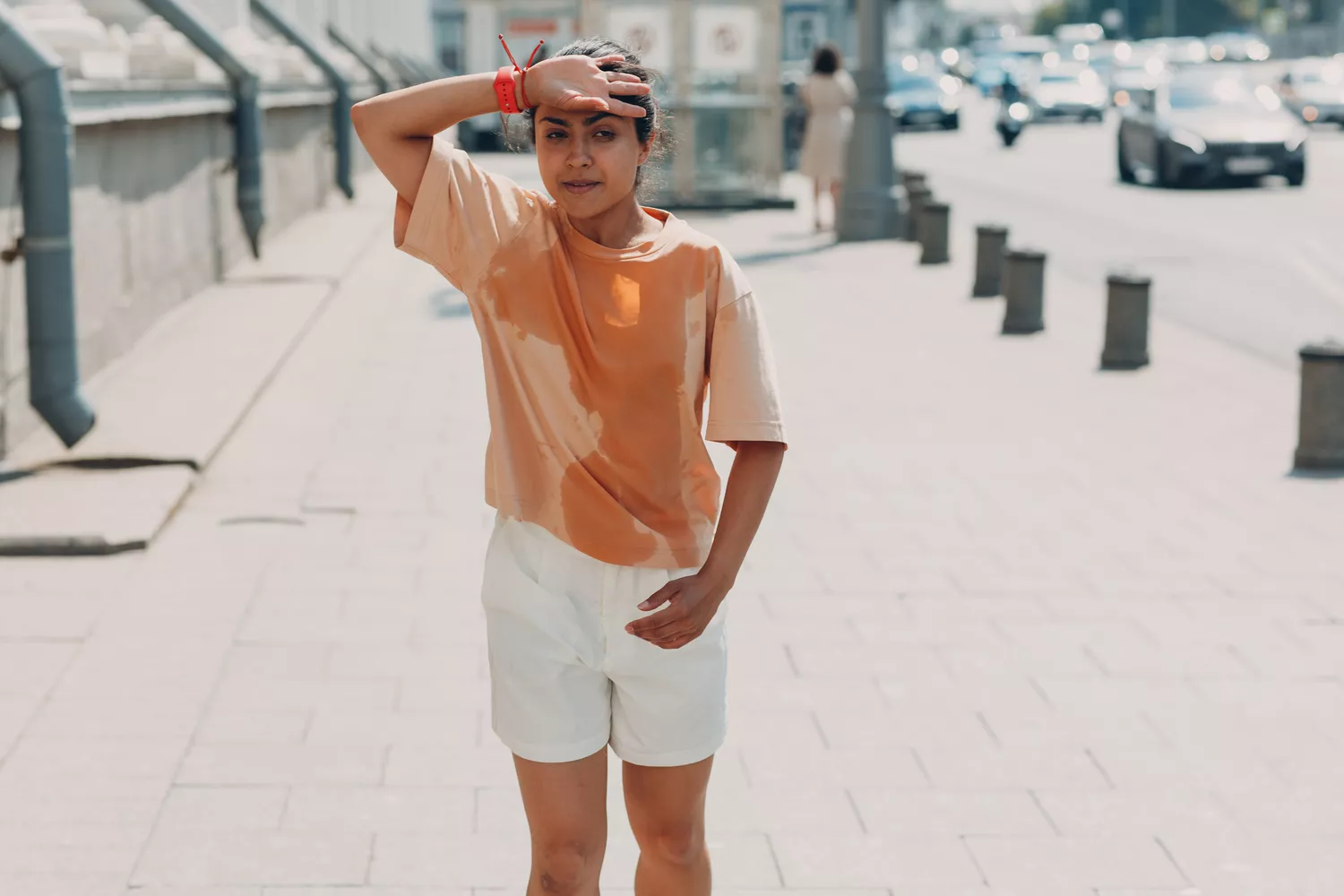
How much sweat is "too much"? Since everyone’s baseline is different, doctors often use objective benchmarks to quantify the severity of the condition. One common method is looking at sweat stain diameters on clothing under normal conditions. This helps move the conversation from subjective "I feel sweaty" to objective clinical benchmarks.
- Mild: Sweat stains are roughly 5cm to 10cm in diameter and are confined to the underarm area.
- Moderate: Stains reach 10cm to 20cm and may begin to limit your clothing choices.
- Severe: Stains exceed 20cm, often soaking through multiple layers of clothing and occurring regardless of the ambient temperature.
Beyond physical stains, the Hyperhidrosis Disease Severity Scale (HDSS) is a diagnostic tool used to measure the impact of sweating on a person's life. A score of 1 means the sweating is never noticeable and never interferes with daily life, while a score of 4 means the sweating is intolerable and always interferes with daily activities.
Understanding the underlying causes of localized excessive sweating on hands and feet often starts with these measurements. Why do i sweat so much even when it is not hot? For many, the answer lies in an over-sensitized autonomic nervous system that reacts to emotional stress or minor sensory input rather than heat. If you find that your sweating consistently rates as a 3 or 4 on the HDSS scale, it is time to discuss treatment options—ranging from topical aluminum chloride to clinical procedures like Botox or iontophoresis—with a specialist.
FAQ
What is the most common cause of excessive sweating?
The most common cause is primary focal hyperhidrosis. This is a condition where the sweat glands are overactive without a specific medical trigger. It is typically genetic and affects localized areas like the hands, feet, or underarms.
Can excessive sweating be a sign of a serious medical condition?
Yes, when sweating is generalized or occurs at night, it can be a symptom of secondary hyperhidrosis. This may be caused by conditions such as hyperthyroidism, diabetes, infections like tuberculosis, or in rarer cases, certain types of cancer like lymphoma.
Why do I sweat so much even when it is not hot?
This is a hallmark of hyperhidrosis. Your body’s thermoregulation system is misfiring, causing the eccrine sweat glands to produce moisture even when your body temperature does not need to be lowered. Emotional stress, anxiety, or simply waking up can trigger these episodes.
What medications are known to cause excessive sweating?
Several classes of medication can trigger increased perspiration as a side effect. The most common include antidepressants (especially SSRIs), certain antipsychotics, and beta blockers used for heart conditions or high blood pressure.
How do I know if my sweating is normal or hyperhidrosis?
The general rule of thumb used by dermatologists is the six-month mark. If you have experienced visible, excessive sweating in specific areas for at least six months, and it occurs at least once a week without a clear reason (like exercise), it is likely hyperhidrosis.
When should I see a doctor about my sweating?
You should consult a healthcare professional if your sweating starts suddenly after age 40, occurs primarily at night, or is accompanied by systemic symptoms like fever and weight loss. Additionally, if the sweating significantly interferes with your work or social life, a doctor can help provide effective treatment options.