
Quick Facts
- Definition: Complete loss of all hair on the scalp and across the entire body.
- Prevalence: A rare condition affecting approximately 1 in 4,000 people worldwide.
- Primary Cause: An autoimmune response where T-cells attack healthy hair follicles.
- Success Rate: Spontaneous full recovery is rare, with fewer than 10% of patients experiencing full regrowth without intervention.
- Breakthrough Treatment: JAK inhibitors represent the most significant recent advancement in systemic therapy.
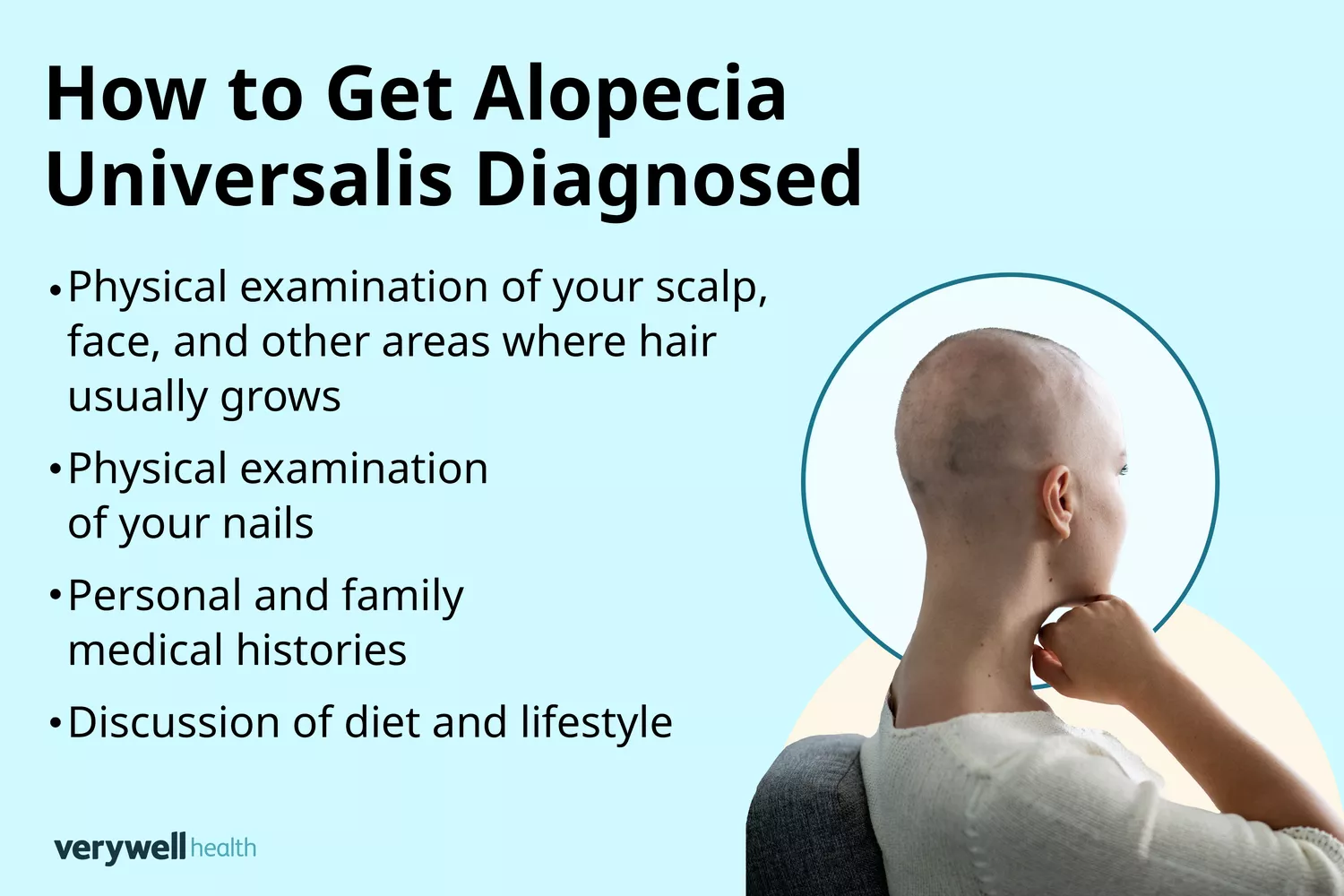
- Diagnosis: Typically identified via clinical observation of 100% hair loss and confirmed by a dermatology specialist.
Alopecia Universalis (AU) is an advanced autoimmune condition characterized by the complete loss of hair on the scalp and the entire body, including eyebrows, eyelashes, and pubic hair. It occurs when the immune system's T-cells mistakenly attack the hair follicles, causing them to stop producing hair. While it is related to alopecia areata and alopecia totalis, AU is the most extensive form of the disorder.
Defining the Spectrum: Alopecia Universalis vs. Totalis
Understanding hair loss requires a clear grasp of the alopecia spectrum. While many people use the term alopecia generically to describe any thinning or balding, dermatologists categorize these conditions based on the extent of hair loss. This classification is vital because the prognosis and treatment strategies change significantly as the condition moves from localized patches to systemic involvement.
Alopecia Universalis and its closely related counterparts, alopecia areata and alopecia totalis, are considered non-scarring forms of hair loss. This means the hair follicles remain alive beneath the surface of the skin; however, they have been forced into a dormant state by the immune system. Between 5% and 10% of all alopecia areata cases eventually progress to either alopecia totalis or Alopecia Universalis.
The following table highlights the primary alopecia universalis vs totalis differences and how they compare to the more common patchy form:
| Condition | Scope of Hair Loss | Identifying Characteristics |
|---|---|---|
| Alopecia Areata | Partial/Patchy | Small, round bald spots on the scalp or beard. |
| Alopecia Totalis | Scalp Only | 100% loss of hair on the scalp but body hair remains. |
| Alopecia Universalis | Full Body | 100% loss of all hair, including eyebrows, eyelashes, and limbs. |
For a patient, the transition from patchy loss to total body loss can be rapid or occur over several years. Because Alopecia Universalis is the most extreme expression of this autoimmune response, it often requires more aggressive and systemic management than the localized versions of the disease.
The Root Causes: Why the Body Attacks Its Own Hair
The scientific community identifies the autoimmune causes of total hair loss as a complex interplay between genetics and environmental triggers. In a healthy body, the immune system distinguishes between harmful invaders like viruses and the body's own healthy cells. In a person with Alopecia Universalis, this "immune privilege" of the hair follicle is breached.
The primary mechanism involves the activation of T-cells. These white blood cells are designed to protect the body, but in AU, they cluster around the hair follicles. This inflammation signals the follicle to enter the telogen (resting) phase prematurely and stay there. This specific immune pathway is often governed by the JAK-STAT signaling system. When this pathway is overactive, it keeps the follicles in a state of constant suppression.
Genetics play a significant role as well. While not a simple "one-gene" disease, Alopecia Universalis is considered polygenic, meaning it results from the combined influence of many different genes. Research suggests that a person may inherit a predisposition for the condition from both parents. However, having the genes does not guarantee the condition will manifest. Often, an external trigger—such as extreme emotional stress, a severe viral infection, or significant environmental changes—acts as the catalyst that prompts the immune system to begin its attack.
Clinical Symptoms and Associated Conditions
The most obvious symptom of Alopecia Universalis is the total absence of hair. However, the condition is not merely an aesthetic concern; it has functional and secondary physical implications that require careful management.
When a patient experiences the total loss of eyelashes and eyebrows, the eyes become vulnerable to dust, debris, and sweat. Many individuals report frequent eye irritation or the need to wear protective eyewear even indoors. Similarly, the loss of nasal hair can lead to increased sensitivity to allergens and a higher frequency of runny noses, as the natural filtration system of the nostrils is gone.
Beyond hair loss, the condition often presents with other clinical markers:
- Nail Pitting: Between 10% and 20% of patients notice changes in their fingernails or toenails. This can manifest as tiny dents (pitting), ridges, or a sandpaper-like texture (trachyonychia).
- Skin Comorbidities: Because the underlying cause is autoimmune, patients may also have other conditions like vitiligo (loss of skin pigment) or thyroid disorders.
- Atopic Conditions: There is a higher prevalence of asthma, eczema, and seasonal allergies among those with total body hair loss.
The psychological impact of managing total body hair loss is perhaps the most profound symptom. The sudden change in appearance can lead to identity crises, social withdrawal, and anxiety. Recognizing that the condition is a systemic medical disorder, rather than just a cosmetic issue, is the first step toward effective management.
Modern Treatment Options: From Topicals to JAK Inhibitors
Treating Alopecia Universalis is historically difficult. Traditional hair loss medications, such as minoxidil or topical steroids, which might work for male pattern baldness or small patches of alopecia areata, are generally ineffective for total body loss. Because the inflammation is widespread, the intervention must also be systemic.
In recent years, the emergence of JAK inhibitors for alopecia universalis treatment has revolutionized the field. These drugs work by blocking the specific pathways (Janus kinases) that allow the immune system to attack the follicles.
Systemic and Targeted Interventions
The current landscape of alopecia universalis treatment options includes:
- JAK Inhibitors: Drugs like Tofacitinib and Baricitinib have shown remarkable results in clinical trials. By quieting the immune response at the cellular level, these medications allow hair to regrow even after years of dormancy.
- Topical Immunotherapy: This involves applying a chemical (such as squaric acid dibutyl ester) to the skin to create a controlled allergic reaction. This "distraction" can sometimes reset the immune response and allow hair to grow back.
- Systemic Immunosuppressants: Medications like methotrexate or azathioprine are occasionally used to dampen the overall immune system, though their use is often limited by potential side effects.
- Cranial Prostheses: For many, high-quality wigs or vacuum-sealed prostheses provide the most immediate and reliable way to manage the impact of the condition on daily life.
Dosage and Efficacy Call-out: In many clinical studies involving Tofacitinib for severe alopecia, a dosage of 5mg BID (twice daily) is commonly cited. Patients often require several months of consistent use before significant terminal hair regrowth is observed.
Expectations: Regrowth Timelines and Maintenance
For those beginning a treatment journey, patience is essential. There is no overnight fix for an autoimmune condition of this magnitude. When a treatment like a JAK inhibitor is successful, the realistic timeline for alopecia universalis regrowth usually spans six to twelve months. Initially, the hair may grow back as fine, white "vellus" hair before eventually gaining its natural pigment and texture.
However, the medical community emphasizes that AU is a chronic condition. Because the underlying genetic predisposition remains, there is a high risk of relapse if treatment is discontinued. Many patients find that while they can achieve full regrowth, they must remain on a maintenance dose of medication to keep the immune system from attacking the follicles again.
Managing the condition also involves practical tips for living with total body hair loss. Using high-SPF sunscreen on the entire scalp and body is mandatory, as the skin lacks its natural UV protection. Additionally, many find relief through cosmetic solutions like microblading for eyebrows or the use of magnetic eyelashes to restore the face's natural framing.
While the statistics suggest that spontaneous recovery is rare, the recent breakthroughs in biological therapies provide more hope today than at any other time in medical history.
FAQ
What is the main cause of alopecia universalis?
The primary cause is an autoimmune malfunction where the body's immune system, specifically T-cells, attacks the hair follicles. This is thought to be triggered by a combination of polygenic inheritance and environmental stressors that disrupt the immune system's normal behavior.
Can hair grow back if you have alopecia universalis?
Yes, hair can grow back because the follicles are not dead; they are simply dormant. While spontaneous regrowth occurs in less than 10% of cases, modern systemic treatments like JAK inhibitors have significantly increased the chances of successful regrowth for many patients.
What is the difference between alopecia areata and alopecia universalis?
The difference lies in the extent of the hair loss. Alopecia areata typically involves patchy bald spots on the scalp, whereas Alopecia Universalis involves the 100% loss of all hair on the scalp and the entire body, including limbs and pubic hair.
Is alopecia universalis considered an autoimmune disease?
Yes, it is classified as an organ-specific autoimmune disease. In this condition, the immune system fails to recognize the hair follicles as "self" and targets them as if they were foreign invaders, causing widespread inflammation and subsequent hair loss.
How is alopecia universalis treated?
Treatment usually involves systemic therapies because topical solutions are often insufficient for total body loss. Options include JAK inhibitors like Tofacitinib, systemic immunosuppressants, topical immunotherapy, and the use of cranial prostheses for aesthetic management.