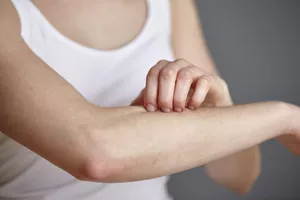
Quick Facts
- Primary Goal: Transitioning from reactive flare-up management to proactive, long-term skin maintenance.
- 2026 Update: Recent FDA approval of difamilast offers a new non-steroidal option for mild-to-moderate cases.
- Itch Relief: New topical roflumilast cream 0.15% is shown to provide significant pruritus reduction within the first 24 hours.
- Global Impact: Eczema affects 10% to 20% of children and 2% to 10% of adults worldwide.
- Prevalence: An estimated 31.6 million people in the United States live with some form of this condition.
- Top Tip: Prioritize skin barrier integrity by applying hypoallergenic emollients within three minutes of a lukewarm bath.
Eczema management in 2026 has evolved from reactive flare control to proactive maintenance. With 31.6 million Americans affected, new FDA-approved options like difamilast provide targeted relief. Recent 2026 FDA approvals have expanded eczema management options through targeted biologics and oral JAK inhibitors. Advanced biologics like lebrikizumab and nemolizumab address specific inflammatory pathways to provide long-term symptom control. For those seeking non-steroidal options, new topical treatments such as roflumilast cream and ruxolitinib provide rapid relief from pruritus and inflammation in both adults and pediatric patients.
Understanding Symptoms: From Infancy to Adulthood
When we talk about atopic dermatitis treatment options, we must first understand that the disease looks very different depending on when it starts. While 80% of individuals with atopic dermatitis experience the onset of symptoms before they reach age six, nearly one in four adults report adult-onset symptoms. This life-stage segmentation is vital because it dictates where and how symptoms manifest on the body.
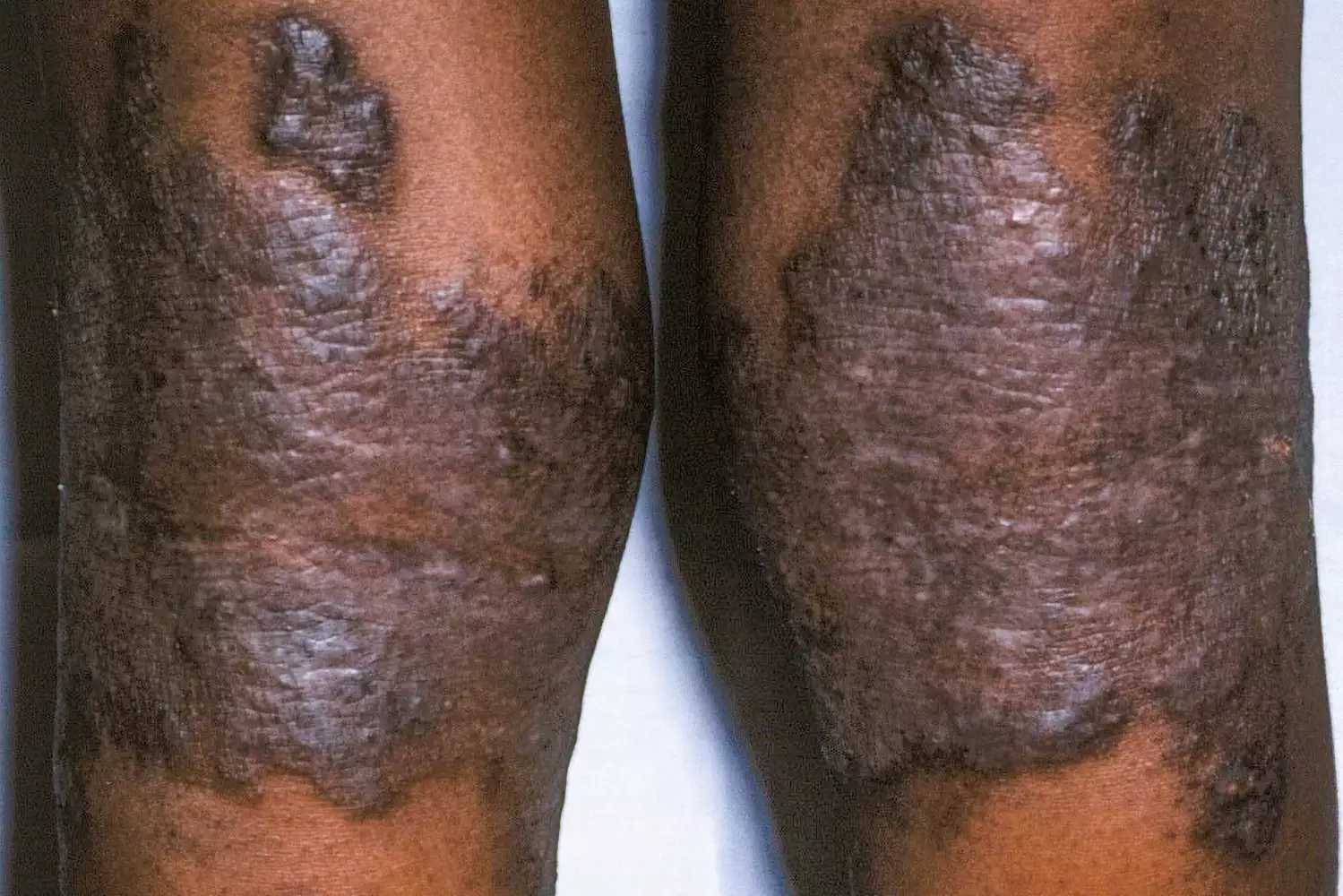
In infants, the condition typically appears as dry, scaly patches on the cheeks, scalp, and the fronts of the arms and legs. As children grow into adolescence, the presentation often shifts to the flexural areas—the creases of the elbows and the backs of the knees. For adults, the condition may become more localized but more severe, often focusing on the hands, eyelids, or neck. Regardless of age, the hallmark of the disease remains the same: a relentless, debilitating itch. In fact, about 86% of patients with atopic dermatitis experience itching on a daily basis, and over 60% of adults with moderate to severe forms of the disease describe this itch as severe or unbearable.
Effective pruritus management requires more than just scratching the surface. Chronic scratching leads to erythema and lichenification, a process where the skin becomes thick and leathery. If you notice these changes, it is time to consult a board-certified dermatologist who can distinguish between common atopic dermatitis and other conditions like irritant contact dermatitis. Recognizing these physical signs early is the first step toward reclaiming your skin health.
Identifying and Avoiding Eczema Triggers
The road to clear skin often starts with a detective’s mindset. Identifying eczema triggers is a personalized process because what causes a flare-up for one person might be perfectly fine for another. While many patients instinctively look toward their diet, clinical data suggests that environmental factors often play a much larger role than food allergies for the majority of adults.
Common environmental eczema triggers include seasonal shifts in humidity, exposure to harsh household cleansers, and even the type of fabric in your wardrobe. Wool and certain synthetic fibers can cause physical irritation that breaches the skin barrier. A board-certified dermatologist may recommend a formal patch testing protocol to pinpoint specific chemical sensitivities, such as reactions to nickel, fragrances, or preservatives found in everyday soaps.
To stay ahead of flares, many patients now keep a symptom diary. By tracking daily activities alongside skin condition, you can begin to see patterns related to stress levels, pollen counts, or even temperature changes in your home. Maintaining a healthy skin microbiome balance is also crucial; over-cleansing or using antibacterial soaps can strip the skin of beneficial bacteria, leaving it vulnerable to the overgrowth of Staphylococcus aureus, which is known to worsen inflammation.
Itch-Relief Cheat Sheet
- Cooling: Apply a cold compress or a refrigerated lotion to "confuse" the nerve endings.
- Distraction: Use stress-relief techniques to reduce the psychological urge to scratch.
- Fabric: Stick to 100% cotton or silk to minimize friction.
- Nail Care: Keep fingernails short and smooth to prevent skin tearing during sleep.
Building a Professional Eczema Skin Care Routine
If you want to maintain long-term remission, learning how to build an eczema skin care routine is non-negotiable. The primary goal of any daily regimen is to support skin barrier integrity and prevent transepidermal water loss. When the skin barrier is compromised, moisture escapes and irritants enter, creating a cycle of dryness and inflammation.
A successful eczema skin care routine starts in the bathroom. Contrary to old advice, daily bathing is often recommended, provided it is done correctly. Use lukewarm water rather than hot, and limit the session to 10 minutes. Use a gentle, fragrance-free cleanser only on areas that need it, such as the underarms and groin. Immediately after patting the skin dry—while it is still slightly damp—apply hypoallergenic emollients. These thick creams or ointments act as a physical shield, sealing in the water absorbed during the bath.
For those experiencing moderate to severe flares, wet wrap therapy remains a gold-standard home intervention. This involves applying a layer of topical medication or moisturizer, followed by a layer of damp gauze or cotton clothing, and then a dry outer layer. This technique significantly increases the absorption of treatments and provides a cooling effect that reduces the urge to itch. By consistently using irritant-free products, you can help restore the skin microbiome balance and reduce the frequency of future flares.
2026 Treatment Hierarchy: Topicals, Biologics, and JAKs
The therapeutic landscape has changed dramatically with the introduction of the latest 2026 FDA approved eczema treatments. We are no longer limited to topical steroids, which many patients avoid due to concerns about skin thinning—a phenomenon often called topical steroid phobia. Today, the treatment hierarchy is more nuanced, offering non-steroidal topical options for mild eczema and systemic therapies for more aggressive cases.
For mild-to-moderate cases, PDE4 inhibitors and new formulations like roflumilast cream offer effective alternatives to traditional steroids. These treatments work by blocking specific enzymes that cause inflammation without the side effects associated with long-term steroid use. If these topicals are not enough, the conversation often shifts to the benefits of biologics for moderate to severe eczema. These injectable medications, such as lebrikizumab and nemolizumab, are Interleukin inhibitors that target the specific pathways (like IL-13 or IL-31) responsible for the "itch-scratch cycle."
Another revolutionary option involves oral JAK inhibitors vs topical treatments for eczema. While topicals work on the surface, oral JAK inhibitors work systemically to block the signaling of multiple cytokines at once, often providing the fastest relief from itching. However, because they are systemic, they require closer monitoring by a healthcare professional compared to local creams.
| Treatment Type | Administration | Best For | Key Benefit |
|---|---|---|---|
| New Topicals (e.g., Difamilast) | Cream/Ointment | Mild to Moderate | Non-steroidal, low side-effect profile |
| Biologics (e.g., Lebrikizumab) | Injection | Moderate to Severe | Targets specific inflammation pathways |
| JAK Inhibitors (Oral) | Tablet | Severe/Refractory | Rapid relief from intense pruritus |
| Phototherapy | UV Light | Chronic/Stable | Reduces inflammation via light waves |
As we look toward the future of atopic dermatitis treatment options, the focus is clearly on precision medicine. By matching the treatment to the specific biological drivers of a patient's eczema, dermatologists can provide more effective, personalized care than ever before.
FAQ
What is the best way to manage eczema?
The most effective way to manage eczema is through a dual approach: a consistent daily eczema skin care routine to maintain the skin barrier and the use of targeted medical therapies to control inflammation. This includes using hypoallergenic emollients daily, avoiding known environmental triggers, and working with a professional to utilize the latest 2026 FDA approved eczema treatments when flares occur.
How do you stop an eczema flare-up fast?
To stop a flare-up quickly, doctors often recommend a combination of "soak and seal" bathing followed by high-potency topical treatments or new non-steroidal options like ruxolitinib. For extreme itching, wet wrap therapy can provide rapid relief by increasing medication absorption and cooling the skin. In some cases, oral JAK inhibitors may be prescribed for their ability to reduce pruritus within hours.
What are the most common triggers for eczema?
Common triggers include environmental allergens like dust mites and pet dander, weather changes (especially dry winter air), and household irritants like harsh soaps and detergents. Psychological stress is also a major trigger that can worsen the itch-scratch cycle. Identifying eczema triggers often requires a symptom diary and potentially a patch testing protocol conducted by a specialist.
Can eczema be cured permanently?
Currently, there is no permanent cure for eczema, but it can be managed so effectively that many patients experience long periods of clear skin. Many children with atopic dermatitis find that their symptoms improve or disappear as they grow older, though the underlying skin sensitivity often remains. The goal of modern eczema management is to achieve "minimal to no symptoms" through proactive care.
What is the most effective cream for eczema?
The "most effective" cream depends on the severity of the condition. For daily maintenance, thick, fragrance-free hypoallergenic emollients are best. For active inflammation, non-steroidal topicals like roflumilast or tapinarof are highly effective in 2026. For severe cases, a board-certified dermatologist might prescribe a short course of topical steroids or a calcineurin inhibitor to bring the flare under control.
How can I manage eczema naturally at home?
Natural management focuses on protecting the skin barrier. This includes taking lukewarm baths with colloidal oatmeal, using sunflower seed oil or coconut oil as natural moisturizers (if not allergic), and wearing breathable cotton clothing. Managing stress through meditation or exercise can also help reduce the frequency of flares caused by the mind-skin connection.
If you are struggling with persistent itching or frequent flares, the best course of action is to consult a board-certified dermatologist. They can help you navigate the 2026 treatment hierarchy and create a personalized plan that addresses your unique triggers and lifestyle needs.