Our Top Picks
The Whoop 4.0 is the best distraction-free tracker for serious athletes who prioritize training optimization and biofeedback over smartphone notifications. While its in-depth recovery and strain metrics are world-class, the high long-term cost remains a hurdle for casual users.
The Whoop 4.0 is a screen-free fitness tracker designed primarily for athletes and runners who prioritize in-depth recovery and strain data. In this Whoop 4.0 review, we find that it excels at tracking heart rate variability (HRV), sleep architecture, and cardiovascular load to provide personalized coaching, though its subscription model and lack of a step counter may feel over-engineered for casual users.
Hardware and Design: The Screenless Philosophy
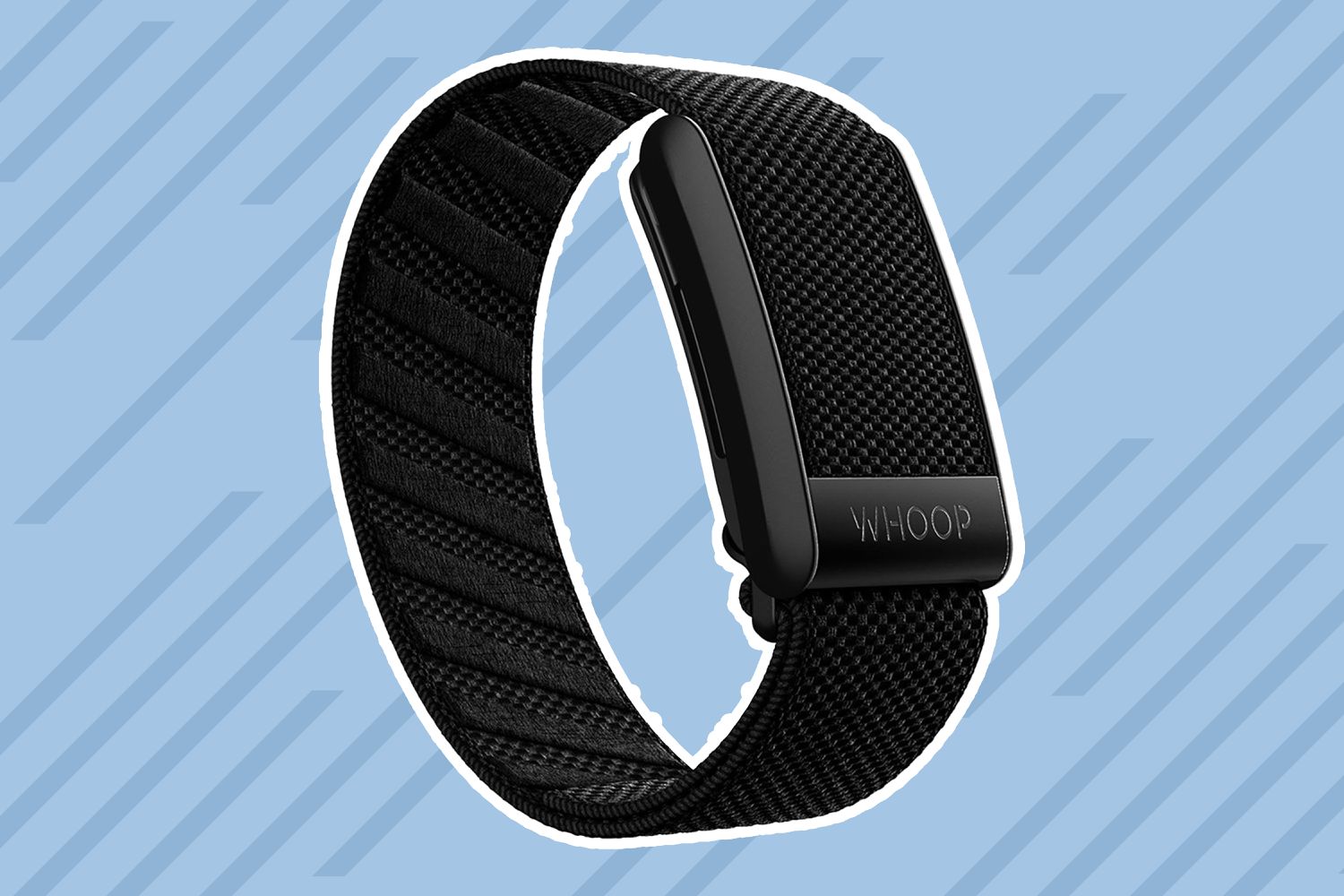
In a world dominated by vibrant OLED displays and constant notifications, the Whoop 4.0 stands out by saying absolutely nothing. There is no screen. There are no buttons. It is a minimalist sensor housed in a rugged, interchangeable band. For athletes who want to disconnect from digital noise during a training session, this is a feature, not a bug.
The device is 33% smaller than its predecessor and represents a significant engineering leap. It is the first consumer wearable to utilize silicon anode battery technology. This innovation allows for 17% higher energy density than standard batteries, which is how Whoop maintains a solid five-day battery life despite the reduced footprint.
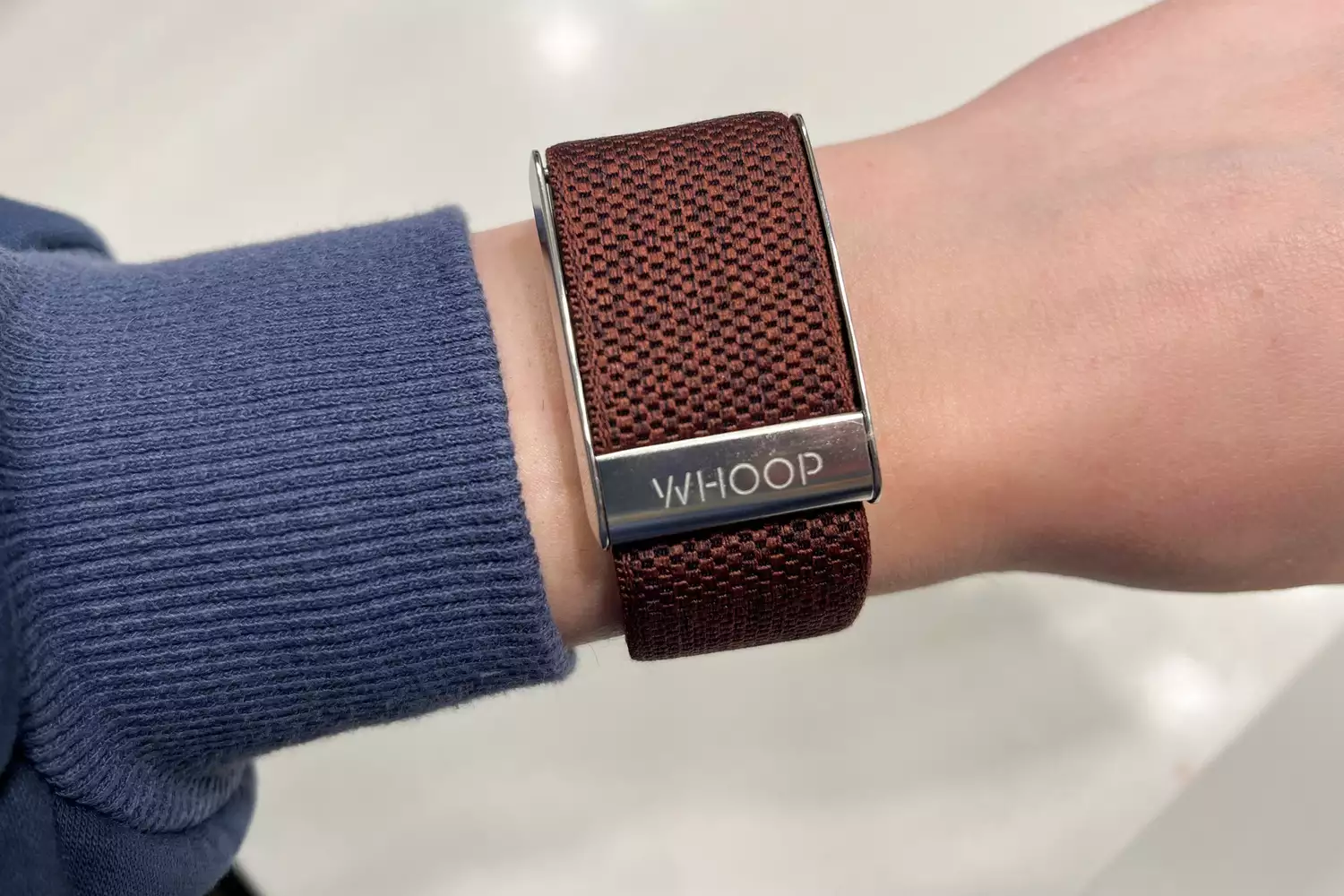
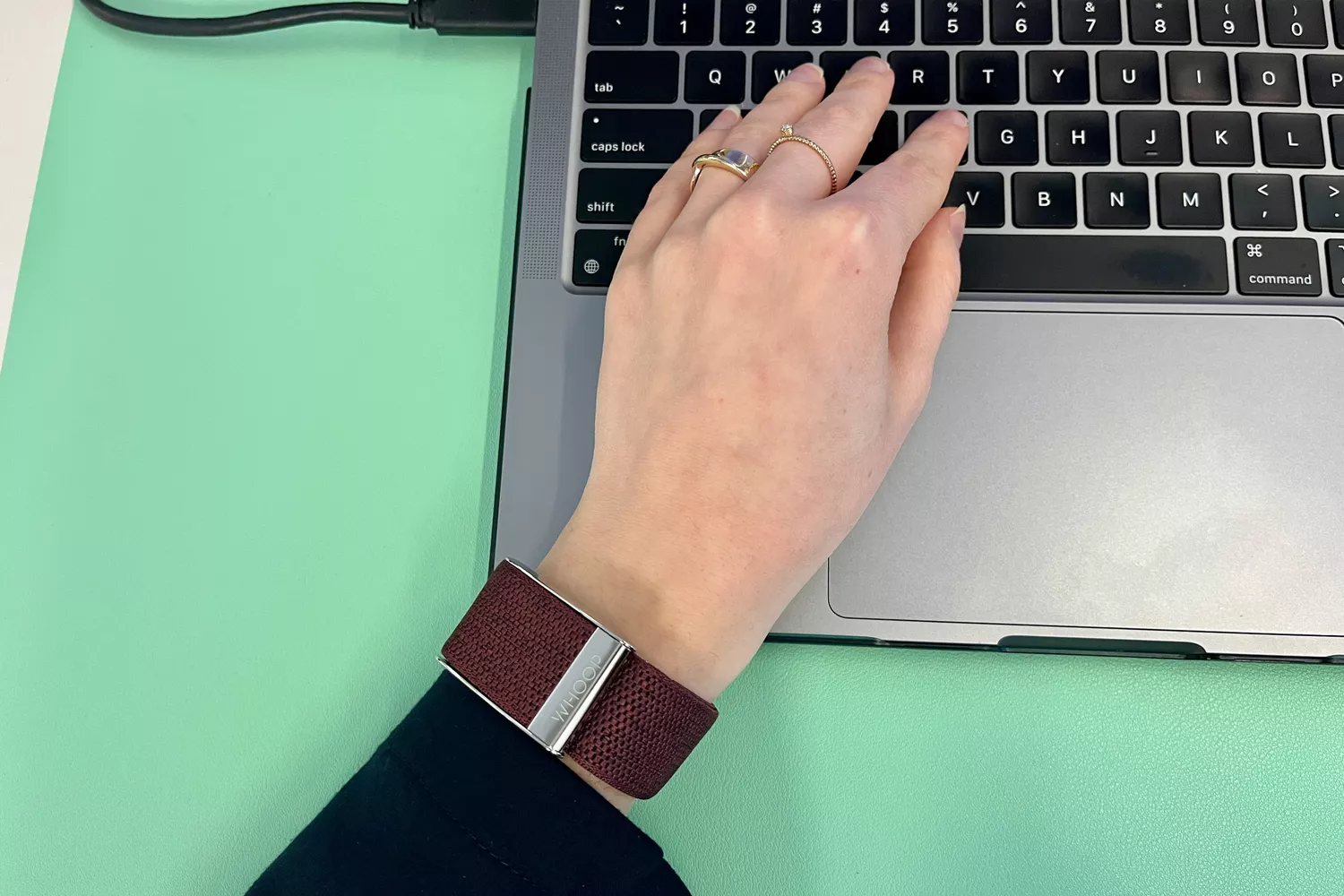
One of the standout design elements is the Whoop Body ecosystem, often referred to as bicep band apparel. While most users start with the wrist strap, serious trainees often migrate to the bicep band. By moving the sensor away from the wrist, you reduce "noise" caused by wrist movement during activities like CrossFit or rowing, leading to cleaner data. The device also features a haptic silent alarm that vibrates on your skin—a gentle way to wake up that doesn’t disturb a partner.
Charging is equally unconventional. You don't take the Whoop 4.0 off to charge it. Instead, you slide a waterproof charging pack over the sensor. This ensures you never miss a minute of data, supporting the 24/7 monitoring philosophy that defines the brand. If you are looking for fitness trackers without screens similar to whoop, you will find very few that match this level of build quality and sensor sophistication.
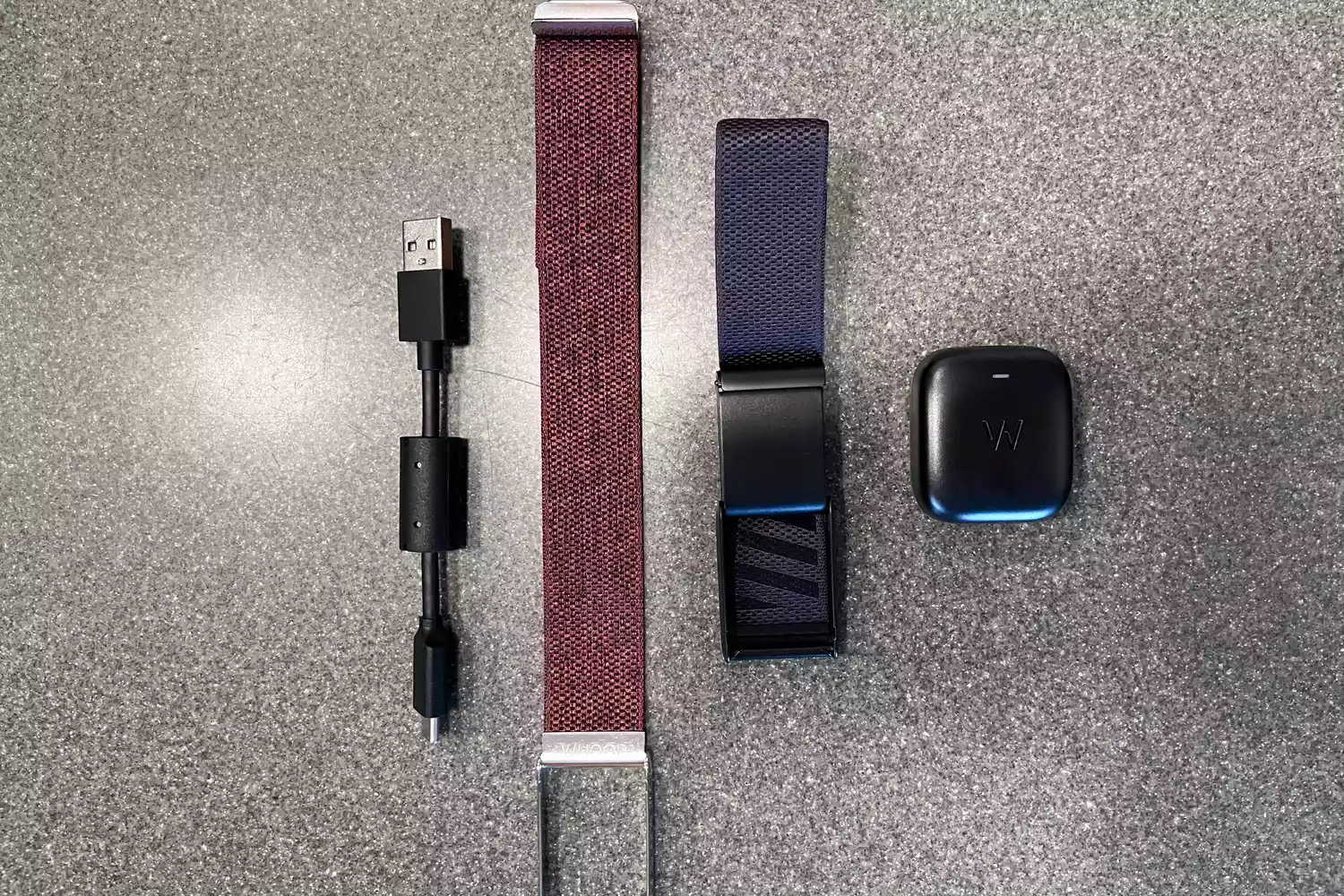
Expert Note: The lack of GPS and a traditional step counter can be jarring. If you need to see your real-time pace on your wrist during a run, this isn't the tool for you. However, if you want a device that disappears into your lifestyle while collecting pro-level data, the Whoop 4.0 battery life and charging pack guide becomes second nature within a week.
Performance Metrics: Decoding Strain and Recovery
The core of the Whoop experience lies in how whoop 4.0 strain and recovery scores work. Instead of telling you how many steps you took, Whoop measures your cardiovascular load. The upgraded sensor configuration, which features five LEDs and four photodiodes, has achieved a 10% average improvement in heart rate accuracy across various activities compared to the previous model.
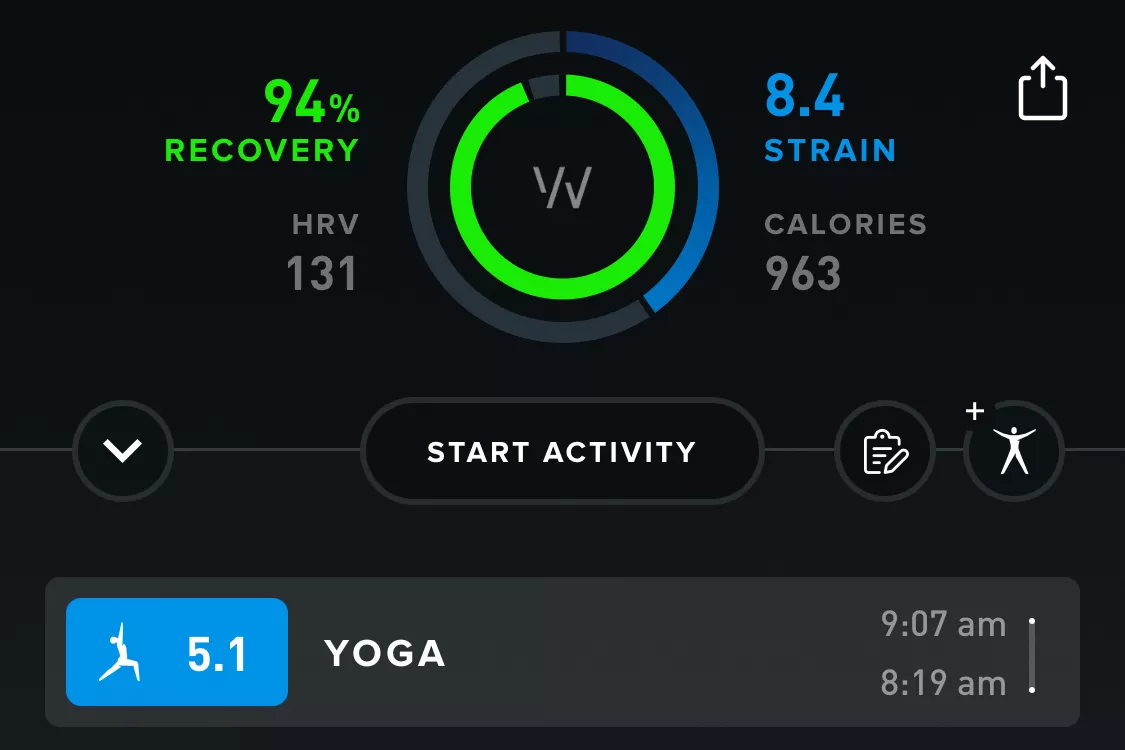
Your daily Strain is a score from 0 to 21, calculated based on the time spent in elevated heart rate zones. It accounts for both your deliberate workouts and the hidden stressors of your day, such as a stressful meeting or a long walk. Meanwhile, your Recovery score is a percentage that tells you how prepared your body is for that strain. This score is heavily weighted by heart rate variability (HRV) and resting heart rate (RHR) measured during your deepest period of sleep.
Whoop 4.0 recovery and strain metrics are further refined by a skin temperature sensor and a blood oxygen (SpO2) monitor. These sensors allow the app to detect early signs of illness or overtraining. For instance, a sudden spike in skin temperature paired with a tanking HRV is a clear biofeedback signal to dial back the intensity.
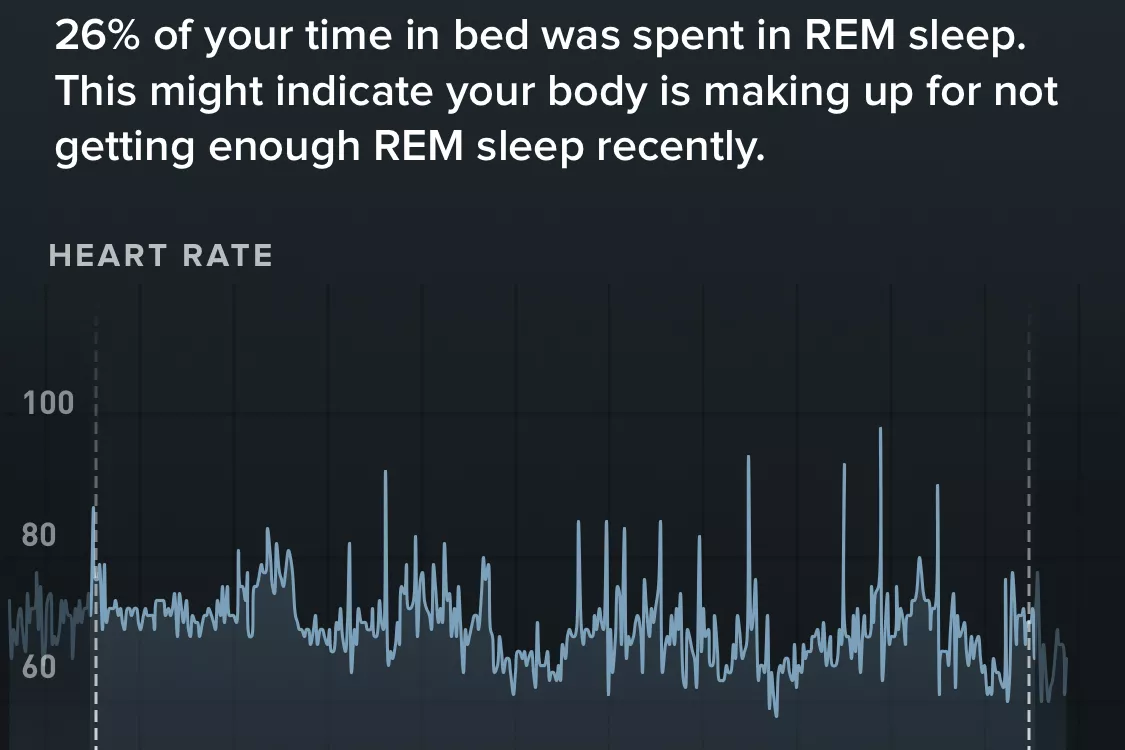
Sleep tracking is where Whoop truly shines. It provides a detailed breakdown of your sleep architecture, including light, REM, and deep sleep stages. By sampling your RMSSD (Root Mean Square of Successive Differences) during your last period of slow-wave sleep, it provides a highly accurate snapshot of your autonomic nervous system. This level of detail helps athletes understand how lifestyle factors—like a late-night meal or an evening drink—directly impact their next-day performance.
The Cost of Commitment: Subscription vs Value
The most controversial aspect of this device is the Whoop 4.0 subscription cost vs value. Unlike Garmin or Apple, you cannot buy the Whoop 4.0 hardware outright. You are essentially leasing the hardware and paying for the data processing and coaching service. As of 2026, the brand has grown significantly, reporting that it has reached 2.5 million members with an annualized revenue run rate of approximately $1.1 billion.
If you stop paying the monthly fee, the device effectively becomes a "brick." It will not collect data, and you will lose access to your health metrics dashboard. To understand if a whoop 4.0 review 2026 worth it conclusion fits your budget, you have to look at the three-year Total Cost of Ownership (TCO).
| Ownership Period | Monthly Subscription ($30/mo) | Annual Membership ($239/yr) | 2-Year Membership ($399 upfront) |
|---|---|---|---|
| Year 1 | $360 | $239 | $199.50 |
| Year 2 | $720 | $478 | $399 |
| Year 3 | $1,080 | $717 | $598.50 |
For a professional athlete, $200 to $300 a year for world-class training optimization is a rounding error. For a casual gym-goer, that same amount could buy a flagship smartwatch that offers GPS, music, and cellular connectivity without an ongoing fee.
Whoop vs. The World: Oura Ring 4 and Apple Watch Ultra
When comparing Whoop vs other fitness trackers, the choice usually comes down to form factor and data philosophy.
In a head-to-head of whoop 4.0 vs apple watch ultra for athletes, the Apple Watch wins on utility. It has GPS, a screen for pacing, and integration with your phone. However, the Whoop 4.0 is superior for 24/7 wear. It is far more comfortable to sleep in, and its focus on cardiovascular load provides a better long-term view of overreaching prevention. The Apple Watch is a general-purpose computer on your wrist; the Whoop is a dedicated physiological monitor.
Comparing whoop 4.0 vs oura ring 4 for recovery is more nuanced. The Oura Ring 4 is more discreet and excels at sleep tracking and general wellness. However, for active training, a ring can be a liability during heavy weightlifting or high-impact sports. Whoop’s bicep band apparel makes it the more versatile choice for high-intensity training sessions where a ring or a bulky watch would be uncomfortable.
Flaws but Not Dealbreakers: Transparency Check
No device is perfect, and the Whoop 4.0 has its limitations. The lack of built-in GPS is the biggest hurdle for runners and cyclists who want to leave their phones at home. Furthermore, while Whoop is excellent at measuring cardiovascular load, it historically struggled to quantify the muscular load of heavy weightlifting. They have introduced "Strength Trainer" to address this, but it requires manual input of your reps and sets, which breaks the "set it and forget it" magic of the device.
There is also the matter of regulatory scrutiny. In 2025, the brand received an FDA warning regarding certain marketing claims related to blood pressure and disease detection. This serves as a reminder that while the biofeedback is incredibly useful for training, the device is not a substitute for clinical medical equipment.
Finally, the reliance on the phone app for everything—from checking your heart rate to seeing the time—can be frustrating if you are trying to reduce your overall screen time.
Conclusion: Who Should Buy the Whoop 4.0?
The Whoop 4.0 remains the gold standard for athletes who live and die by their recovery data. It is a tool for the disciplined, designed for those who want to know exactly how their choices impact their performance.
Who This Is For
- Professional and competitive amateur athletes.
- Runners and triathletes focusing on cardiovascular load.
- Users who want a screen-free, distraction-free lifestyle.
- Individuals interested in long-term sleep architecture trends.
Who This Is Not For
- Casual users who only want to count steps.
- Athletes who need real-time GPS pacing on their wrist.
- Users who are averse to recurring subscription models.
FAQ
Is the Whoop 4.0 worth the monthly subscription cost?
For serious athletes, the cost is justified by the actionable insights into recovery and training readiness. However, if you do not plan to change your behavior based on the data, the $30 monthly fee may not provide enough value compared to one-time-purchase trackers.
Does Whoop 4.0 track steps and GPS?
The Whoop 4.0 does not track steps as a primary metric, focusing instead on cardiovascular strain. It also does not have built-in GPS; it relies on your phone's GPS via the mobile app to map runs and rides.
Is Whoop 4.0 more accurate than an Apple Watch?
While the Apple Watch is highly accurate for heart rate during steady-state cardio, the Whoop 4.0 with a bicep band often provides more consistent data during high-intensity functional training. Whoop's software is also more specialized for interpreting that data into recovery scores.
Can you use Whoop 4.0 without a membership?
No. The Whoop 4.0 hardware requires an active membership to function. Without a subscription, the sensor will not sync data to the app, effectively making the device unusable.
How does Whoop 4.0 measure sleep and recovery?
Whoop measures sleep by tracking your heart rate, respiratory rate, and movement to determine sleep architecture. Recovery is calculated by analyzing your heart rate variability (HRV) and resting heart rate (RHR) during your deep sleep cycles, comparing these to your personal baseline.