Quick Facts
- Optimal Sleep Duration: Children aged 6 to 12 should ideally receive 9 to 12 hours of rest daily.
- Safety Standard: Prioritize melatonin free sleep supplements for kids and non-habit-forming ingredients.
- Ideal Temperature: Maintain a nursery or bedroom climate between 68 and 72°F (20–22°C).
- Material Choice: Opt for organic cotton, bamboo, and natural latex to prevent overheating.
- Lighting Goal: Transition to amber-shift lighting at least 60 minutes before the desired sleep time.
- Routine Impact: A consistent bedtime routine reduces nighttime awakenings and shortens the time it takes to fall asleep.
- Top Recommendation: Combine magnesium-based topical aids with environmental controls like white noise and breathable bedding.
| Essential Category | Best For | Key Benefit |
|---|---|---|
| Magnesium Flakes | Sensory relaxation | Soothes the nervous system via bath ritual |
| L-Theanine Aids | Anxious sleepers | Promotes relaxation without morning grogginess |
| Room Thermometers | Safety & Comfort | Prevents SIDS risks and wake-ups from cold |
| Organic Bedding | Heat regulation | Highly breathable and chemical-free |
| Sleep Bags | Active toddlers | Prevents entanglement and keeps warmth even |
| Audio Devices | Sound masking | Provides a consistent sensory cue for sleep |
| Amber Lighting | Circadian support | Minimizes blue light melatonin suppression |
The best kids sleep essentials focus on supporting the natural circadian rhythm through temperature control, breathable organic materials, and magnesium-based relaxation aids. Avoid routine melatonin use and prioritize environmental anchors like white noise and amber lighting to ensure restorative rest.
Establishing a healthy sleep foundation is one of the most critical aspects of pediatric development. As an editor specializing in micronutrients, I often see parents reaching for hormonal supplements as a first resort. However, restorative rest is best achieved through a holistic approach that targets the biological and environmental triggers of sleep. According to the American Academy of Pediatrics, children aged 6 to 12 years should regularly sleep 9 to 12 hours per 24 hours to promote optimal health. When they fall short, it impacts everything from cognitive function to emotional regulation.
Currently, we are facing a pediatric sleep crisis. A study published by the CDC found that 34.9 percent of children in the United States sleep less than the recommended amount for their age. This deficit often stems from irregular schedules and stimulating environments. By curating a selection of kids sleep essentials that emphasize safety and physiological support, you can help your child bridge the gap between daytime activity and nighttime recovery.
1. Magnesium Bath Flakes for Relaxation
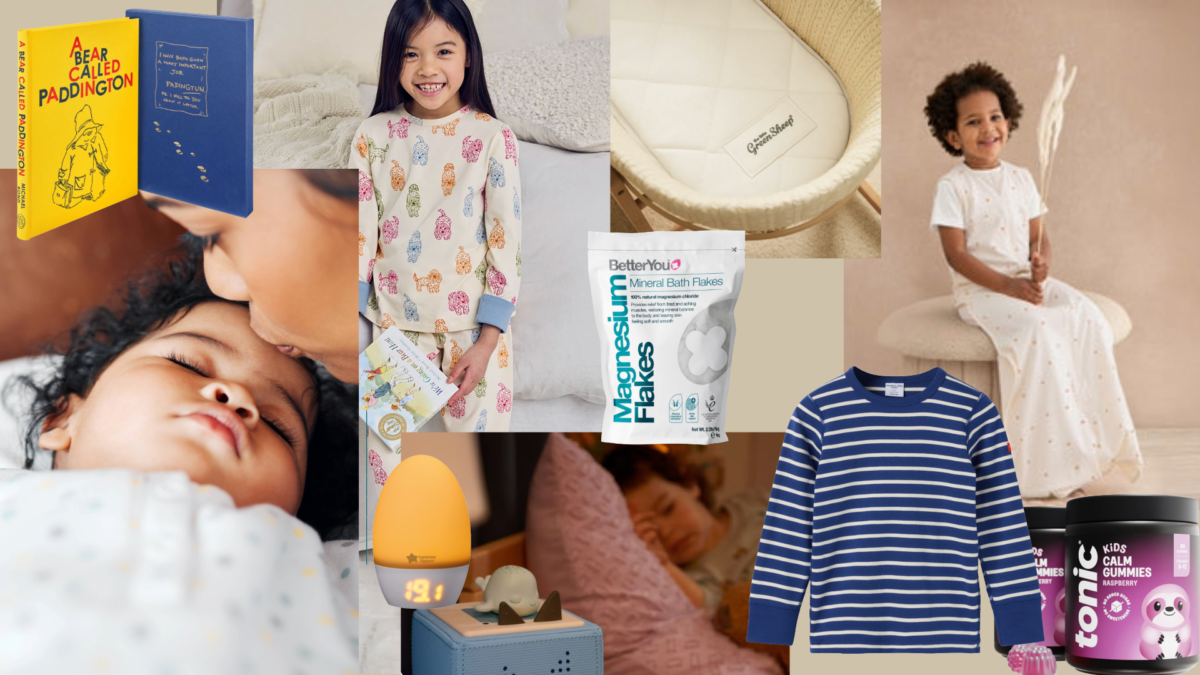
Magnesium is often called the relaxation mineral, and for good reason. It plays a vital role in over 300 enzymatic reactions, including those that regulate the nervous system. Using magnesium bath flakes for child relaxation offers a dual benefit: the chemical property of the mineral helps soothe tired muscles, while the warm bath serves as a Sensory Bridge, signaling the brain that the evening wind-down has begun.
While oral magnesium is an option, a bath allows for a gentle, transdermal experience that is often more palatable for young children. The "crackle and fizz" of the flakes provides a light sensory engagement that can be very grounding for children who have had a high-stimulation day. It is an ideal first step in any set of bedtime routine products for kids.
Sensory Bridge: A ritualized activity that transitions a child from the "high-alert" state of play to the "low-alert" state of rest.
- Best For: Children with high physical energy or growing pains.
- Material/Safety Spec: Pure Magnesium Chloride flakes; fragrance-free and USP grade.
2. Melatonin-Free Sleep Supplements
In the world of vitamins and minerals, few topics are as debated as pediatric melatonin use. While it can be helpful for specific clinical sleep disorders, I advocate for a cautious approach. The surge in melatonin use has led to concerns about hormonal disruption and accidental ingestion. Instead, the modern approach to kids sleep essentials favors amino acids and minerals that support the body's own sleep machinery.
Consider melatonin free sleep supplements for kids that utilize L-theanine and GABA. L-theanine, an amino acid found in green tea, promotes relaxation without sedation, helping to quiet a "busy brain." GABA is a neurotransmitter that inhibits over-activity in the central nervous system. When combined with marine magnesium, these ingredients offer a non-habit forming way to help a child drift off naturally.
- Best For: School-age children who struggle with "busy brain" or mild evening anxiety.
- Material/Safety Spec: Third-party lab tested; sugar-free formulations; recommended for ages 4+.
3. Room Thermometers & Climate Control
Sleep hygiene isn't just about what your child ingests; it is about the environment they inhabit. The human body needs to drop its core temperature by about 2 to 3 degrees Fahrenheit to initiate sleep. If the room is too warm, the body struggles to enter deep, restorative rest. This makes a room thermometer for nursery sleep safety an essential tool for parents.
A room thermometer for nursery sleep safety, such as the Groegg2, provides a visual cue through color-coded alerts. If the light turns red, the room is too hot; if it is blue, it is too cold. Maintaining an ambient temperature of 68–72°F is the gold standard for pediatric sleep safety and comfort. It reduces the risk of overheating, which is a known factor in sleep disturbances for toddlers.
- Best For: Infants and toddlers who cannot yet articulate that they are too hot or cold.
- Material/Safety Spec: BPA-free plastic; digital precision sensor; adjustable brightness.
4. Natural Fiber Pajamas & Bedding
Following the logic of climate control, what your child wears is just as important as the room temperature. Synthetic fabrics like polyester can trap heat and sweat, leading to discomfort and midnight wake-ups. Switching to natural fiber kids pajamas for better rest is one of the most effective ways to regulate body heat.
Materials like organic cotton and bamboo are highly breathable and possess moisture-wicking properties. Organic cotton is particularly recommended for children with sensitive skin or eczema, as it lacks the harsh chemical residues found in conventional textiles. When selecting calming sleep gear for children, always look for GOTS (Global Organic Textile Standard) certification to ensure the highest safety levels.
- Best For: "Hot sleepers" and children with skin sensitivities.
- Material/Safety Spec: GOTS-certified organic cotton or OEKO-TEX bamboo viscose.
5. Toddler Sleep Bags & Safety Wearables
For active sleepers who frequently kick off their covers, toddler sleep bags for active sleepers are a game-changer. These wearable blankets eliminate the risk of entanglement and ensure that the child stays at a consistent temperature throughout the night.
Using a sleep bag also provides a sense of physical security, similar to a gentle hug, which can reduce the startle reflex in younger children. As toddlers transition into larger beds, a sleep bag can prevent them from feeling "lost" in the sheets, maintaining that familiar feeling of being tucked in even as they move around.
- Best For: Toddlers transitioning from a crib or those who move excessively during sleep.
- Material/Safety Spec: 1.0 to 2.5 TOG ratings depending on season; chin guards on zippers.
6. Calming Audio & Sound Machines
The nighttime environment is often filled with sudden noises—a dog barking, a car driving by, or floorboards creaking. These sounds can easily pull a child out of a light sleep cycle. Calming audio devices for kids bedtime create a "sound cocoon" that masks these disruptions.
Instead of looping tracks that the brain can eventually predict, look for high-quality white noise machines or devices that offer ocean sounds and nature soundscapes. Some modern devices also include a storytelling ritual component, which can be a wonderful screen-free way to occupy a child's mind as they drift off. These devices act as a consistent sensory cue, telling the brain that it is time for restorative rest.
- Best For: Children in urban environments or those sensitive to household noise.
- Material/Safety Spec: Decibel-limited (below 50dB); non-looping digital sound.
7. Amber-Shift Smart Lighting
Light is the primary driver of the circadian rhythm. Blue light, emitted by many LED bulbs and screens, signals to the brain that it is daytime, effectively suppressing the natural production of melatonin. To combat this, parents should implement an Amber Shift in the hour leading up to bedtime.
Amber-shift lighting uses warm-spectrum LEDs that do not interfere with the body's evening wind-down process. By swapping out standard bedside lamps for amber bulbs, you provide the biological signaling necessary for the body to prepare for sleep. This simple change in sleep hygiene can significantly reduce the time it takes for a child to fall asleep.
Amber Shift: The practice of transitioning home lighting from blue-rich white light to warm, amber tones 60 minutes before bed to protect natural melatonin production.
- Best For: Children who use screens or those who are afraid of the dark.
- Material/Safety Spec: Blue-light-free LEDs; dimmable settings; flicker-free technology.
FAQ
What are the must-have sleep essentials for kids?
The most critical essentials include a consistent routine, a cool room temperature (68-72°F), and breathable bedding. From a supplement perspective, magnesium bath flakes or melatonin-free aids containing L-theanine are excellent for supporting relaxation without disrupting natural hormones.
Are white noise machines safe for children?
Yes, white noise machines are safe as long as they are kept at a moderate volume and placed several feet away from the child's head. It is recommended to keep the volume below 50 decibels to protect developing hearing while still providing effective sound masking.
Are weighted blankets recommended for kids?
Weighted blankets can be beneficial for some children, particularly those with sensory processing needs, but they must be used with caution. A weighted blanket should never exceed 10% of a child’s body weight and should never be used for infants or children who cannot move the blanket off themselves independently.
What should kids wear to bed for optimal sleep quality?
Children sleep best in loose-fitting pajamas made from natural fibers like organic cotton or bamboo. these materials allow for better thermoregulation and prevent the skin irritation that can lead to nighttime awakenings.
How can I make my child's room better for sleep?
Start by ensuring the room is dark, using blackout curtains if necessary, and introduce amber-shift lighting for the bedtime routine. Keep the room cool and use a sound machine to mask household noise. Removing electronic screens from the bedroom is also vital for maintaining a healthy circadian rhythm.
In summary, the journey to better sleep for your child doesn't require "magic" cures or heavy sedation. By focusing on the 7 best kids sleep essentials—ranging from magnesium-based relaxation to environmental climate control—you are giving your child the tools they need for a lifetime of healthy sleep. Remember that consistency is the most powerful ingredient in any bedtime routine. When you combine the right gear with a predictable schedule, you create the emotional and physical security necessary for deep, restorative rest.