Quick Facts
- Top Overall: Apple Watch Series 11 (Heart rate error <1%)
- Best for Android: Samsung Galaxy Watch 8 (3,000-nit display)
- Best Battery Life: Amazfit Band 7 (20 days)
- Medical Grade: KardiaMobile 6L (6-lead ECG)
- Safety First: Devices with integrated fall detection and Emergency SOS
- User Interface: High-visibility screens with 3,000-nit peak brightness for easy reading
As we enter 2026, the senior fitness tracker market has shifted from simple step counting to comprehensive heart health monitoring. For older adults, choosing an ECG smartwatch for elderly users is no longer just about tech; it's about maintaining independence and peace of mind. The best senior fitness trackers in 2026 prioritize heart health features such as FDA-cleared ECG sensors and atrial fibrillation alerts. Essential capabilities for older adults include integrated fall detection, emergency SOS functions, and high-visibility displays with large text. Modern devices often sync directly with gym equipment and offer pulse oximetry to monitor oxygen levels during rest and activity.
Why Heart Health Monitoring Matters for Seniors in 2026
The landscape of wearable technology has undergone a significant transformation. We are no longer just looking at how many steps we took during a morning walk; we are looking at the intricate rhythms of the heart. For many seniors, managing chronic conditions is a daily reality. In fact, in 2026, health monitoring and chronic disease management have emerged as the leading use cases for wearable technology, cited by 38% of users compared to 32% who use the devices primarily for fitness tracking.
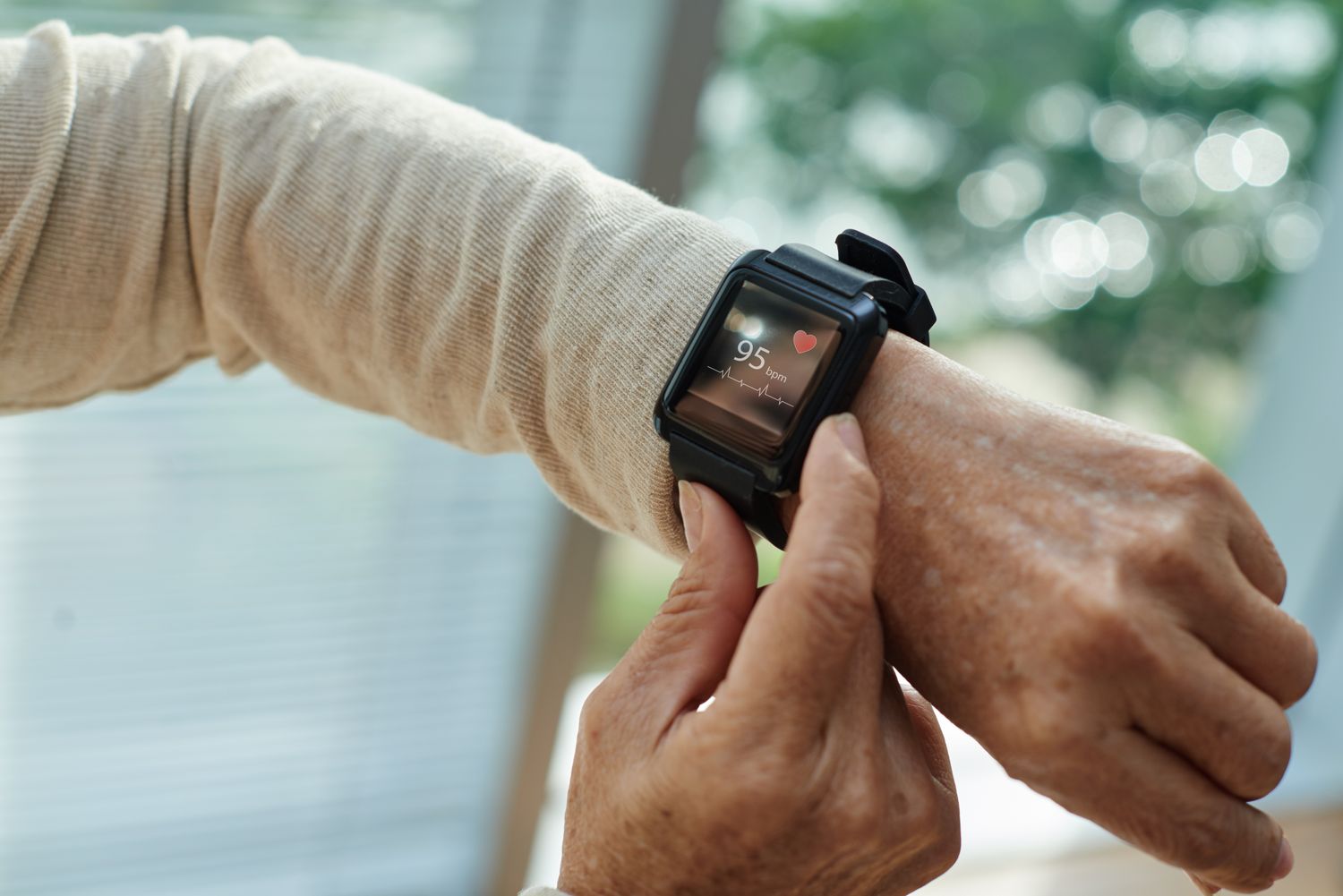
This shift toward clinical-grade data on the wrist allows for a more proactive approach to wellness. Modern senior fitness tracker options now focus heavily on Atrial fibrillation detection and monitoring heart rate variability to catch potential issues before they become emergencies. By tracking cardiovascular metrics over time, these devices provide a historical record that can be invaluable during a check-up. Instead of trying to describe a fleeting feeling of palpitations to a cardiologist, a user can simply show a recorded ECG strip from their wearable health technology for older adults. This data-driven peace of mind is why adoption is soaring, with approximately 15% of seniors aged 65 and older using smartwatches as of 2026.
Essential Features for Older Adults: Beyond the Step Counter
When selecting the best senior fitness tracker, the "standard" features often matter less than the specific accessibility and safety tools. For many of my readers, ease of use is the deciding factor. A device can have every sensor in the world, but if the text is too small to read or the navigation is confusing, it will end up in a bedside drawer.
High-visibility UI is now a benchmark in 2026. With screens reaching 3,000-nit brightness, even those with vision impairment can read their heart rate while walking outdoors in direct sunlight. Furthermore, safety features like fall detection and emergency SOS functions have become sophisticated. These systems don't just detect a hard impact; they use AI to differentiate between a fall and a person sitting down quickly. If a fall is detected and the user is unresponsive, the device can automatically notify emergency services and family members via a caregiver portal.
Beyond safety, we are seeing a focus on comprehensive wellness through sleep apnea detection and pulse oximetry. These tools work overnight to ensure oxygen levels remain stable, providing a fuller picture of respiratory and heart health. For those who want the easiest to use wearable health technology for older adults, look for models that offer haptic feedback—gentle vibrations that confirm an action has been taken—and clear medication reminders.
Best ECG Smartwatches for Seniors: 2026 Reviews
The global fitness tracker market is projected to reach a value of approximately $84.91 billion by 2026, and a huge portion of that growth is in specialized devices for older adults. Here is how the top contenders for 2026 stack up.
Apple Watch Series 11
The Apple Watch remains the gold standard for accuracy. Its ECG feature is FDA-cleared and widely recognized by medical professionals. For seniors already using an iPhone, the integration is seamless. The Series 11 has refined its fall detection algorithms to be more sensitive to the specific movement patterns of older adults. It also offers a sleek interface with high-contrast text options.
Samsung Galaxy Watch 8
For Android users, this is the premier choice. The standout feature is the 3,000-nit peak brightness display, which is arguably the easiest to read on the market. It provides robust heart health monitoring wearables for seniors, including blood pressure monitoring (in select regions) and an advanced ECG smartwatch for elderly feature set.
Fitbit Sense 2
If you want something that balances health data with budget, the Sense 2 is excellent. It focuses heavily on stress management and heart health. It is also one of the top rated fitness trackers for elderly with long battery life, lasting nearly a week on a single charge. It includes FDA-cleared sensors for Atrial fibrillation tracking.
Garmin Enduro 3
For the active senior who enjoys hiking or long walks, the Enduro 3 is a powerhouse. It uses solar charging to extend its battery life to weeks, not days. It is also one of the best waterproof fitness trackers for seniors for pool exercises, featuring a rugged design that handles aquatic aerobics with ease.
Comparison Table: Top 2026 ECG Wearables
| Model | Display Type | Battery Life | ECG Grade |
|---|---|---|---|
| Apple Watch S11 | OLED (2,000 nits) | 18–36 Hours | FDA-Cleared (Single Lead) |
| Samsung Galaxy W8 | Super AMOLED (3,000 nits) | 40–80 Hours | FDA-Cleared (Single Lead) |
| Fitbit Sense 2 | AMOLED | 6+ Days | FDA-Cleared (Single Lead) |
| Garmin Enduro 3 | MIP (Solar) | 13–30 Days | FDA-Cleared (Single Lead) |
Pro Tip: When setting up a senior fitness tracker, always enable the caregiver portal. This allows a designated family member to see if the device hasn't been worn or if a heart rate alert has been triggered, providing an extra layer of remote safety.
Standalone Options: Trackers That Don't Require a Smartphone
Not every senior wants to manage a smartphone app. For some, the best fitness tracker for seniors without a smartphone is a dedicated medical device. These products focus on one thing and do it exceptionally well.
The KardiaMobile 6L is a prime example. While not a wearable you keep on your wrist all day, it is a pocket-sized device that provides a 6-lead ECG, offering much more detail than a smartwatch. It is the best ecg smartwatch for seniors with afib alerts alternative because it can store readings directly on the device or send them to a tablet via Bluetooth.
Another strong contender is the Omron Complete. This is a blood pressure monitor with a built-in ECG. It allows users to take both readings simultaneously, which is a major win for those managing hypertension and heart rhythm issues. These devices feature intuitive navigation and physical buttons rather than complex touchscreens, catering to those who prefer a more tactile experience. They also often include simple medication reminders that chime directly from the base station or the device itself.
Using Your Data: From Wrist to Doctor’s Office
Owning a senior fitness tracker is only the first step; the real value lies in how you use the data. In 2026, most top-tier wearables allow you to generate a PDF health report directly from the app. This report summarizes your heart rate variability, any detected Atrial fibrillation episodes, and your average blood oxygen levels.
When you visit your primary care physician, having these cardiovascular metrics ready can change the conversation. Instead of general observations, you have hard data. Many families also utilize the caregiver portal features to stay connected. If a senior's heart rate stays elevated for too long or if the watch detects an irregular heart rhythm, an alert can be sent to a daughter or son across the country. This connectivity is the cornerstone of modern independent living, ensuring that "alone" does not mean "unwatched."
FAQ
What is the best fitness tracker for seniors?
The best fitness tracker for seniors depends on their specific needs. For overall accuracy and safety features like fall detection, the Apple Watch Series 11 is the top choice. For those who prioritize battery life and simplicity, the Fitbit Sense 2 or a specialized device like the Amazfit Band 7 are excellent alternatives.
Do fitness trackers detect falls for elderly users?
Yes, many modern senior fitness tracker models include integrated fall detection. These devices use accelerometers and gyroscopes to detect the sudden impact of a fall. If the user does not move for a certain period after the impact, the device can automatically call emergency services and alert family members.
What is the easiest fitness tracker for an older person to use?
The easiest to use wearable health technology for older adults is typically one with a large, high-contrast screen and a simple interface. The Samsung Galaxy Watch 8 is highly recommended for its 3,000-nit brightness and large text options. For those who want to avoid smartwatches entirely, the KardiaMobile 6L offers a very simple, single-purpose interface.
Do seniors need a smartphone to use a fitness tracker?
While most smartwatches require a smartphone for the initial setup and to view long-term data trends, there are standalone options. Devices like the Omron Complete or specific senior-focused trackers are designed to function independently or with a simple tablet, making them a great best fitness tracker for seniors without a smartphone.
Which fitness tracker has a large, easy-to-read display?
The Samsung Galaxy Watch 8 currently leads the market with its Super AMOLED display that reaches 3,000 nits of brightness. This makes it exceptionally easy to read in all lighting conditions. The Apple Watch Series 11 also offers excellent visibility with high-contrast modes and adjustable text sizes.
Conclusion & Choosing the Right Wearable
Selecting a senior fitness tracker in 2026 is a personal journey that should be based on your specific health priorities. If your main concern is Atrial fibrillation, look for an ECG smartwatch for elderly users with FDA-cleared sensors. If mobility and safety are the primary goals, ensure the device has top-rated fall detection and emergency SOS capabilities.
Remember that these devices are tools to complement professional medical advice, not replace it. By choosing a wearable that fits your lifestyle—whether it's a waterproof fitness trackers for seniors for pool exercises or a standalone heart monitor—you are taking a significant step toward maintaining your independence and health for years to come. Take the time to find a device that feels comfortable on your wrist and easy on your eyes; the best technology is the one you actually enjoy wearing every day.