Quick Facts
- The Mechanism: vitamin patches use transdermal nutrient delivery to bypass the gut and liver.
- Key Advantage: Eliminates pill burden and potential gastrointestinal irritation from traditional tablets.
- Efficacy: Best suited for lipid-soluble nutrients like Vitamin D or small-molecule vitamins like B12.
- Duration: Provides steady-state delivery of active ingredients over an 8–12 hour window.
- Future Tech: Emerging integration with microneedle technology and real-time biosensors for personalized dosing.
- Market Growth: The global market is projected to reach $532.1 million by 2030 with a 16.1% CAGR.
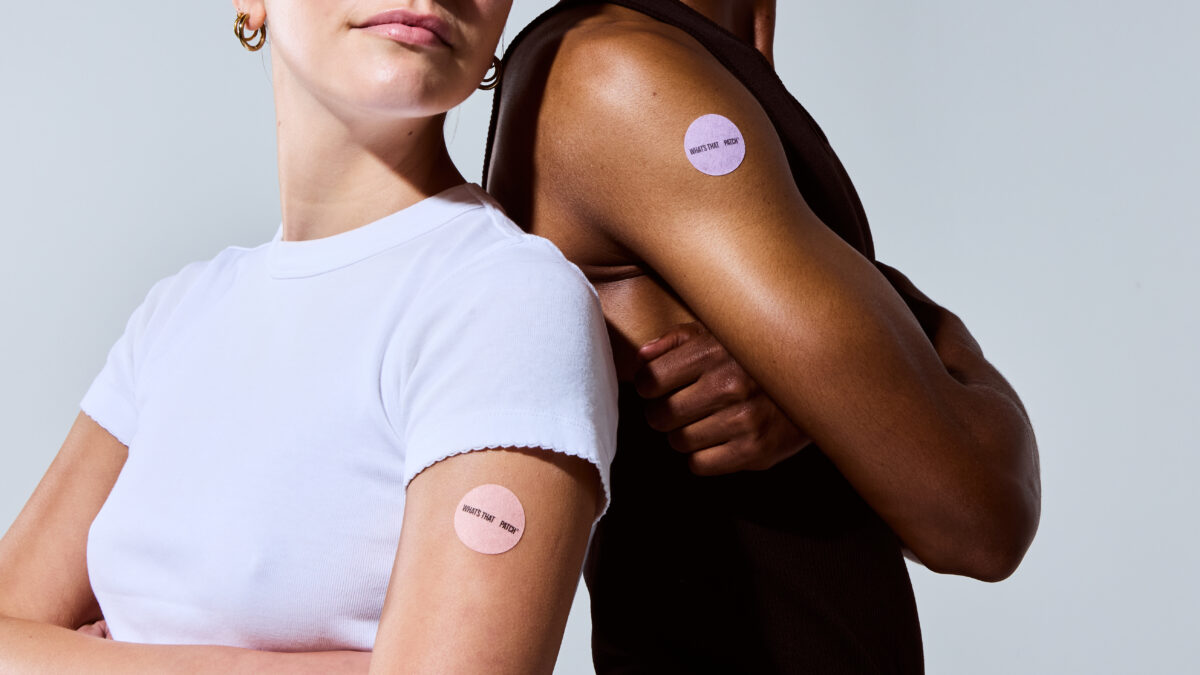
Vitamin patches deliver nutrients directly through the skin's lipid layers into the systemic circulation. By utilizing transdermal delivery, active ingredients bypass the digestive system and the liver’s first-pass metabolism, which can often degrade the potency of oral supplements. This method allows for a steady, sustained release of vitamins over several hours, maintaining more consistent blood levels compared to the absorption peaks and troughs associated with traditional pills.
The Science of Absorption: How Transdermal Systems Work
In the world of functional health, we often talk about bioavailability—the fraction of a nutrient that actually reaches your bloodstream. For decades, the gold standard has been oral capsules, but these are subject to the harsh environment of the stomach. Stomach acid, bile salts, and digestive enzymes act as a gauntlet, breaking down compounds before they ever reach the small intestine for absorption.
Transdermal nutrient delivery offers a elegant detour. The skin is not just a protective barrier; it is a complex organ capable of transporting specific molecules into the body. The primary hurdle is the stratum corneum, the outermost layer of the skin, often described as a brick-and-mortar structure. To pass through this barrier, a nutrient must have a specific molecular weight and high skin permeability.
When you apply a patch, a concentration gradient is created. The nutrients move from the high-concentration adhesive matrix of the patch into the lower-concentration environment of your skin cells and eventually into the capillary beds. This creates a drip-feed effect. Unlike the large hit of a 1000mg vitamin C pill that may lead to a rapid spike and subsequent excretion via urine, vitamin patches offer steady-state delivery. This is particularly vital for water-soluble vitamins that the body cannot store for long periods.
Lipid-soluble nutrients are the ideal candidates for this system. Because the cell membranes in our skin are made of lipids, fat-soluble vitamins like Vitamin D, Vitamin K, and Vitamin E can migrate through the skin layers with relative ease. As we refine the adhesive technology, we are seeing better results with a wider range of compounds, making these wearables a cornerstone of modern functional wellness.
Vitamin Patches vs. Oral Supplements: The Efficacy Comparison
When evaluating vitamin patches vs oral supplements efficacy comparison, we have to look at how the body handles the "first-pass." When you swallow a pill, it goes to the liver first. This is known as first-pass metabolism, and the liver is incredibly efficient at filtering and neutralizing substances. For some supplements, this means only 10% to 20% of the active ingredient ever makes it to your systemic circulation.
Furthermore, many people suffer from pill burden—the psychological and physical exhaustion of swallowing a handful of tablets every morning. For individuals with gastrointestinal sensitivities or those who have undergone bariatric surgery, the gut may not be a reliable route for nutrition.
However, the efficacy of patches is not universal across all populations. A clinical study published in Obesity Surgery found that 82.35% of patients using vitamin patches after gastric bypass surgery experienced at least one nutrient deficiency after one year, compared to 40.74% of patients who took oral supplements. This suggests that while vitamin patches are excellent for healthy individuals looking for sustained energy or wellness support, they may not yet replace medical-grade oral supplementation for those with severe malabsorption issues.
| Feature | Oral Supplements | Vitamin Patches |
|---|---|---|
| Primary Route | Digestive tract & Liver | Skin to systemic circulation |
| Metabolism | High first-pass metabolism | Bypasses first-pass metabolism |
| Absorption Rate | Rapid peaks and valleys | Sustained, steady-state delivery |
| Digestive Impact | Possible nausea or irritation | No gastrointestinal bypass required |
| Convenience | Requires water and swallowing | Simple adhesive application |
| Best For | High-dose acute needs | Long-term functional wellness |
For the average biohacker or busy professional, transitioning from oral pills to vitamin patch systems can simplify a morning routine while providing more consistent nutrient levels throughout the day. It effectively eliminates the nutrient competition that happens in the gut when different minerals (like calcium and iron) fight for the same transporters.
Beyond Adhesives: The Future of Wearable Nutrition
The current generation of vitamin patches is just the beginning. We are moving toward a future where wearable vitamin patches integrated with health tracking become the standard. Imagine a patch that doesn't just passively release B vitamins, but instead uses biosensors to monitor your physiological data in real-time.
One of the most exciting developments in this space is microneedle technology. Rather than relying on simple diffusion through the skin, these patches use microscopic, painless needles to create tiny channels in the stratum corneum. This dramatically increases skin permeability, allowing for the delivery of larger protein molecules and even more complex anti-aging compounds that were previously only available via injection.
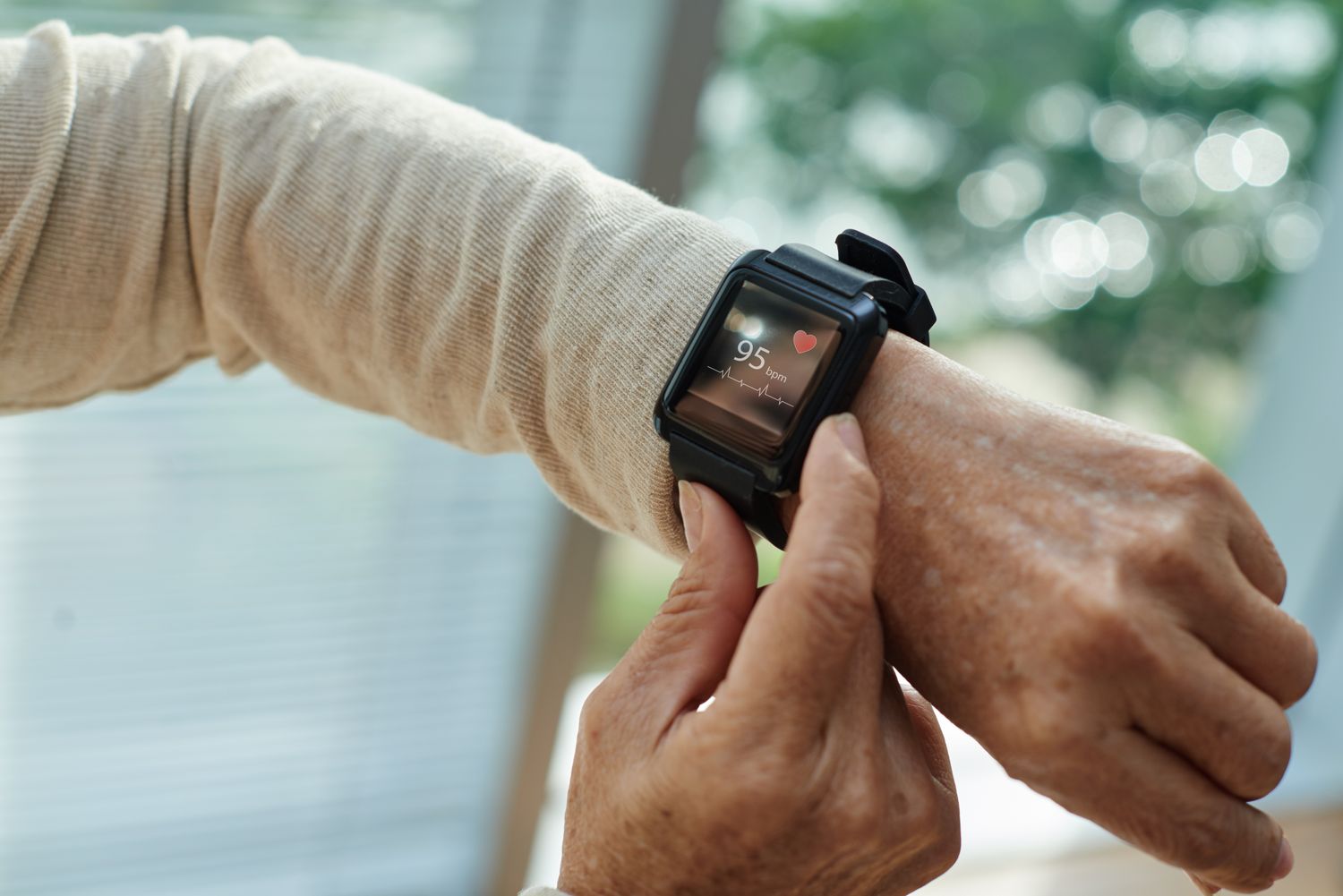
We are also seeing the rise of smart patches. By connecting to a smartphone or smartwatch, these devices could theoretically adjust their delivery rate based on your stress levels, sleep quality, or athletic recovery needs. If your wearable detects a spike in cortisol, it could trigger the release of calming magnesium or specific nootropics.
For those with demanding careers, transdermal B12 patches for consistent energy delivery are already proving to be a game-changer. Instead of the mid-afternoon crash associated with caffeine or oral sugar-loaded supplements, these sustained release vitamin patches for busy schedules provide a smooth, 12-hour energy arc. As personalized nutrition evolves, your patch will likely be customized to your specific DNA and blood work, delivering exactly what your body needs at the precise moment it needs it.
Safety and Selection: How to Choose High-Quality Patches
As with any emerging health tech, quality varies wildly between brands. When you are looking for how to use vitamin patches for maximum absorption, the first step is selecting a product that uses medical-grade adhesive. Low-quality adhesives can cause contact dermatitis or skin irritation, which defeats the purpose of a non-invasive delivery system.
Here is what I look for when vetting a new brand:
- Third-Party Testing: Look for a Certificate of Analysis (COA) to ensure the patch actually contains the dosages listed on the packaging.
- Adhesive Quality: Ensure the company uses hypoallergenic, medical-grade adhesive that is breathable.
- Stability Testing: Vitamins can be sensitive to light and heat; a high-quality patch will have data showing the ingredients remain active throughout the wear time.
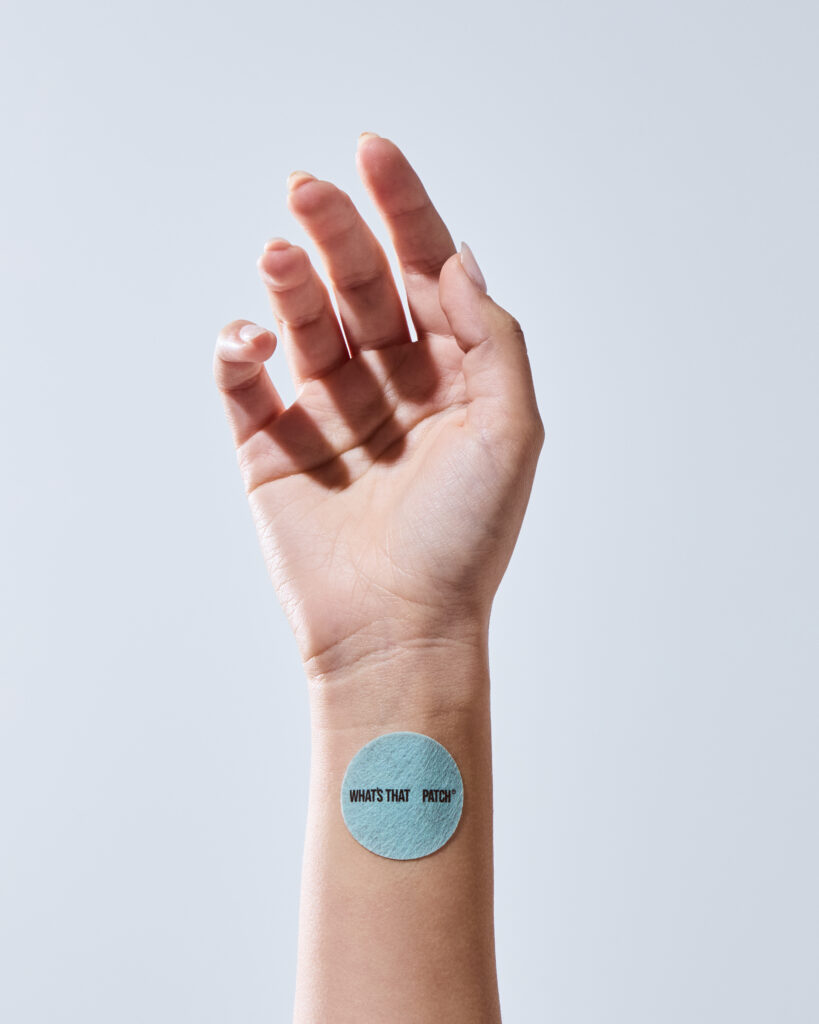
- Placement Matters: For the best results, apply patches to areas with thin skin and low hair density, such as the inner wrist, the upper shoulder, or the hip. This increases the vitamin patch absorption efficacy by shortening the distance to the capillary beds.
Preventing skin irritation from adhesive vitamin patches is mostly about rotation. Don't place a new patch in the exact same spot two days in a row. By giving the skin a "break," you maintain the integrity of the barrier and ensure consistent systemic circulation of the nutrients.
FAQ
Do vitamin patches actually work?
Yes, vitamin patches work by utilizing a concentration gradient to move nutrients through the skin and into the bloodstream. This method, known as transdermal delivery, has been used in medicine for decades (such as nicotine or hormone patches) and is now being applied to functional wellness and nutrition.
Are vitamin patches better than oral supplements?
They are not necessarily "better" in all cases, but they offer distinct advantages. Patches are superior for people with sensitive stomachs, pill fatigue, or those who want a steady, 8-to-12-hour release of nutrients rather than a single spike. However, for certain high-dose requirements, oral supplements may still be necessary.
How long do vitamin patches take to work?
Most users begin to feel the effects of energy-focused patches, such as those containing B12 or caffeine, within 30 to 60 minutes. Because the delivery is sustained, the peak effect is usually reached a few hours into the wear time and maintained until the patch is removed.
Where is the best place to apply a vitamin patch?
The best skin placement for transdermal nutrient patches is an area that is clean, dry, and relatively hair-free. Common locations include the inner wrist, the top of the foot, the shoulder, or the small of the back. These areas typically have higher blood flow near the surface, which aids absorption.
Do vitamin patches bypass the digestive system?
Yes, this is one of the primary benefits of the technology. By delivering nutrients through the skin, the active ingredients enter the bloodstream directly, avoiding the harsh acids of the stomach and the first-pass metabolism of the liver, which can significantly improve the bioavailability of certain compounds.
The evolution of vitamin patches represents a significant shift toward proactive, frictionless health. As we move from basic adhesive strips to integrated biosensors and microneedle technology, the way we "take" our vitamins will likely become as seamless as wearing a smartwatch. For those looking to optimize their longevity and daily performance, transdermal systems are no longer just a trend—they are a legitimate pillar of modern health tech.