Quick Facts
- Top Foundation: A combination of magnesium glycinate and vitamin D3 paired with K2 for skeletal and hormonal support.
- Key Biological Change: A typical 30-40% decline in stomach acid production, which significantly hinders the absorption of B12 and calcium.
- Bone Health Ratio: Maintaining a 2:1 calcium-to-magnesium ratio is vital for ensuring mineral balance and preventing calcification.
- Critical Metric: Roughly 40% of women possess genetic variants requiring methylated B vitamins for effective energy metabolism.
- Market Insight: The 39.41% of total revenue in 2024 attributed to the 31-50 age group highlights the growing demand for targeted female wellness solutions.
- Bone Density Loss: Women can lose up to 20% of their bone density during the perimenopause and early menopause transition.
Women in their 40s should prioritize supplements that support hormone balance, bone density, and cognitive health. Key nutrients include magnesium glycinate for improved sleep and mood, omega-3 fatty acids for inflammation, and vitamin D3 paired with K2. This guide explores the best supplements for women over 40 based on the menopause transition and bioavailability.

The Biological Shift: Why Your 40s Demand a New Approach
Entering your 40s is often a biological paradox. On the surface, you are likely at the peak of your career and personal life, but internally, the delicate machinery of your endocrine system is beginning a significant recalibration. This era, often termed the menopause transition, involves much more than just the end of a cycle. It is characterized by a gradual estrogen decline that ripples through almost every system in your body, from your brain to your bones.
One of the most overlooked changes during this decade is the steady decline in nutrient bioavailability. As we age, our production of hydrochloric acid in the stomach can drop by as much as 30-40%. This shift in pH makes it increasingly difficult to extract essential micronutrients like Vitamin B12 and calcium from our food. Consequently, even a pristine diet might leave you with micronutrient gaps that manifest as fatigue or brittle nails.
Furthermore, we must consider the Estrobolome—a specific collection of bacteria in the gut responsible for metabolizing and recycling estrogen. As hormonal shifts occur, the health of your gut-brain axis becomes paramount. If the Estrobolome is out of balance, you may experience intensified symptoms of perimenopause, such as hot flashes and heightened anxiety, because your body isn't processing estrogen efficiently. Protecting your bone mineral density also becomes a race against time, as the drop in estrogen can lead to significant bone loss if the right structural supports aren't in place.

Foundational Essentials: The 'Big Six' for Midlife Wellness
When constructing a supplement protocol, I always advise focusing on the "Big Six"—nutrients that provide the highest return on investment for midlife health. These are not just generic vitamins; they are functional tools designed to address the specific physiological shifts of the 40s.
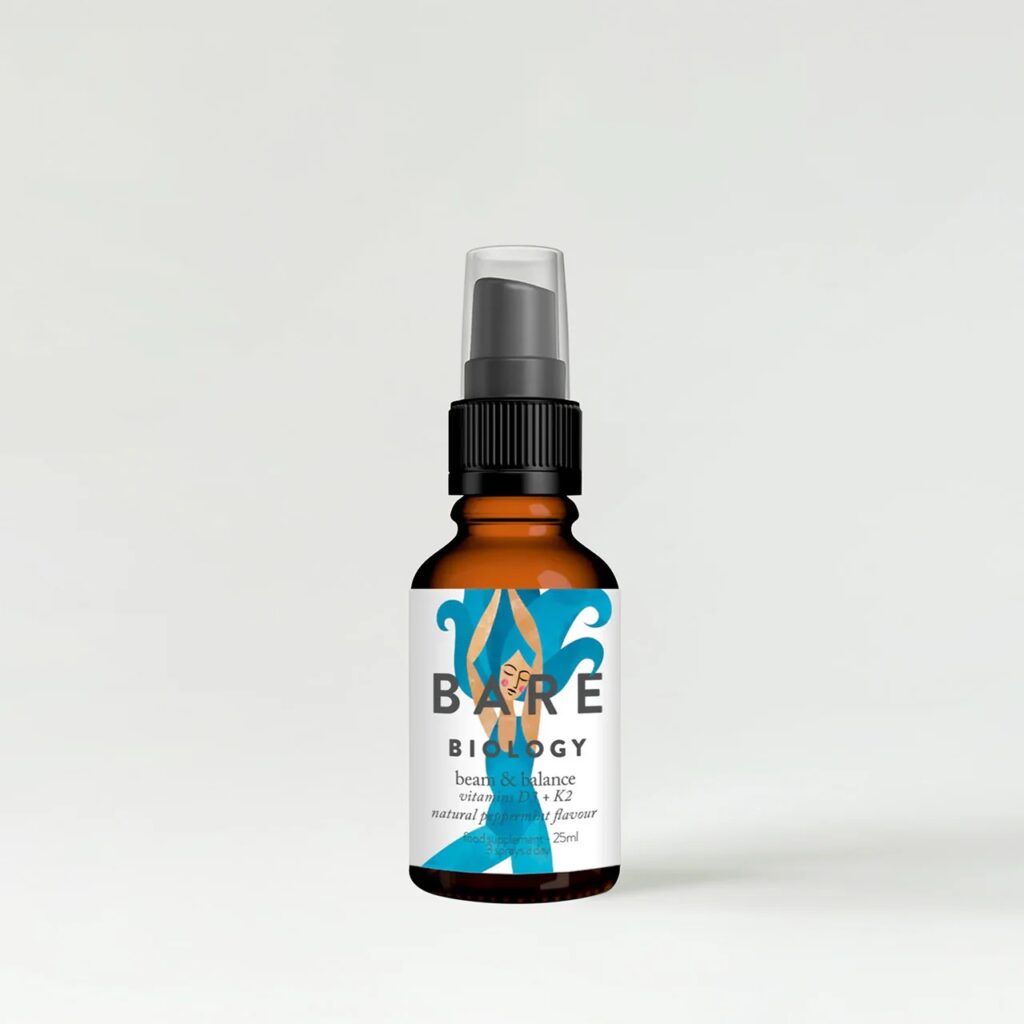
First, we must address the synergistic relationship between Vitamin D3 and K2. While Vitamin D3 is essential for immune support and calcium absorption, it requires Vitamin K2 (specifically in the MK-7 form) to act as a "traffic cop." K2 ensures that the calcium you absorb is directed toward your bones and teeth rather than accumulating in your arteries or kidneys. This is particularly important because the recommended dietary allowance for calcium increases to 1,200 mg for those over 50, making efficient utilization more critical than ever.
Another pillar is the use of methylated b vitamins for energy during perimenopause. A large portion of the population carries the MTHFR gene variant, which prevents them from converting standard folic acid and B12 into their active forms. By choosing methylated versions like methylfolate and methylcobalamin, you bypass this genetic bottleneck, supporting mitochondrial support and reducing the "tired but wired" feeling so common in your 40s.
The Foundation List:
- Calcium and Magnesium: Aim for a 2:1 ratio. If you take 500mg of calcium, ensure you are getting at least 250mg of magnesium to prevent constipation and support muscle relaxation.
- Vitamin D3/K2 Synergy: Essential for maintaining bone health and cardiovascular integrity.
- Methylated B-Complex: Necessary for homocysteine regulation and neurotransmitter production.
- Omega-3 Fatty Acids: Specifically high EPA/DHA ratios to combat the low-grade inflammation that often accompanies estrogen decline.
Symptom-Based Stacks: Targeting Perimenopause
In my practice, I find that women are often less interested in "general health" and more interested in solving specific problems like brain fog, sleep disturbances, and the loss of lean muscle mass. This is where we move from foundational health to symptom-based stacking.
For many, bioavailable magnesium for perimenopause sleep and mood is the single most transformative addition. Specifically, magnesium bisglycinate is chelated with the amino acid glycine, which has independent calming effects on the brain. This form is highly absorbable and less likely to cause digestive upset than magnesium oxide. It acts on the GABA receptors to quiet the nervous system, making it easier to fall asleep and stay asleep despite nighttime temperature fluctuations.
We also need to discuss sarcopenia prevention. Sarcopenia, or the age-related loss of muscle, accelerates as estrogen levels drop. This is why I frequently recommend creatine monohydrate to my female clients. While often associated with bodybuilders, creatine benefits for women in perimenopause are profound. It supports cellular energy, helps maintain muscle mass, and provides cognitive resilience during the "brain fog" years.
Targeted Solutions:
- For Sleep & Anxiety: Bioavailable magnesium for perimenopause, specifically the glycinate or malate forms, taken in the evening.
- For Brain Fog & Muscle Tone: Creatine monohydrate (3-5g daily) to support ATP production in both the brain and muscles.
- For Inflammation & Joints: Omega-3 fatty acids to assist with cortisol regulation and keep joints lubricated as systemic inflammation rises.

How to Avoid 'Fairy Dusting': A Clean Label Guide
As a specialist, the most frustrating trend I see in the supplement industry is Fairy Dusting. This occurs when a brand includes a popular ingredient—like ashwagandha or collagen—at a dose so low it has no therapeutic effect, just so they can put it on the label. To ensure you are getting hormone balance supplements for women in their 40s that actually work, you must become a savvy label reader.
First, look for a therapeutic dosage. For example, if a study shows that 300mg of a specific herb is effective, but your multivitamin only contains 10mg, you are being "fairy dusted." Second, prioritize chelated minerals. These are minerals bound to amino acids (like magnesium bisglycinate or zinc picolinate), which the body recognizes and absorbs much more efficiently than cheaper salts like carbonates or oxides.
Avoid unnecessary fillers and additives. Many mass-market supplements use magnesium stearate, titanium dioxide, or artificial colors as flow agents or coatings. A high-quality supplement should have a "clean label" with minimal inactive ingredients. When looking for supplements for muscle mass and bone health over 40, transparency is your best friend.

The Roadmap: Timing and Protocol
Taking the right supplements is only half the battle; taking them at the right time is what maximizes their efficacy. For instance, B vitamins are energizing and should be taken in the morning to support energy metabolism. Conversely, magnesium is best taken in the evening to take advantage of its muscle-relaxing and sleep-inducing properties.
| Nutrient | Best Time to Take | Why? |
|---|---|---|
| B-Complex | Morning (with food) | Boosts energy and supports cognitive function for the day ahead. |
| Vitamin D3/K2 | Morning/Afternoon (with fat) | Fat-soluble; requires dietary fat for absorption; may interfere with melatonin if taken too late. |
| Omega-3 | With your largest meal | Enhances absorption and prevents "fishy burps." |
| Magnesium | 30-60 mins before bed | Supports GABA production and relaxes muscles for better sleep. |
| Creatine | Any time (consistent) | Works via saturation; timing is less important than daily consistency. |
When starting a new protocol, I recommend the "Introduction Rule": introduce only one new supplement every four to seven days. This allows you to monitor how your body responds and identify the source of any potential side effects or, more importantly, the source of your newfound energy.
FAQ
What are the most essential vitamins for women over 40?
The most essential vitamins during this life stage are Vitamin D3, Vitamin K2, and a methylated B-complex. These support bone health, immune function, and energy production, all of which face challenges during the perimenopause transition. Additionally, getting enough Vitamin B12 is vital due to the common decline in stomach acid as we age.
What supplements help with perimenopause symptoms?
Magnesium glycinate is excellent for sleep and mood swings, while Omega-3 fatty acids help manage systemic inflammation and "brain fog." Many women also find relief with adaptogens that support cortisol regulation, helping the body handle the stress of hormonal fluctuations more effectively.
Do I need to take calcium and Vitamin D after age 40?
Yes, but they must be taken strategically. Because estrogen decline leads to a rapid reduction in bone mineral density, ensuring adequate intake is vital. However, you should always pair Vitamin D with K2 to ensure the calcium is deposited in the bones rather than the soft tissues like arteries.
What are the best supplements for hormone balance in your 40s?
The best hormone balance supplements for women in their 40s include those that support the estrobolome and liver detoxification, such as probiotics and sulforaphane. Magnesium and Vitamin B6 are also critical for supporting progesterone production and balancing the "estrogen dominance" that often occurs in early perimenopause.
Which supplements help boost energy and reduce fatigue in women over 40?
Methylated B vitamins for energy during perimenopause are the gold standard because they support the mitochondria directly. Additionally, creatine monohydrate can help reduce physical and mental fatigue by improving cellular energy recycling, which is often compromised as estrogen levels shift.
Navigating midlife wellness doesn't have to be a guessing game. By focusing on nutrient bioavailability and choosing supplements for women over 40 that respect your changing physiology, you can transition through your 40s with resilience. Remember to always consult with a healthcare professional to tailor these recommendations to your specific blood work and health history.