Quick Facts
- Market Growth: Smart ring shipments are projected to increase by 49% in 2025, far exceeding the 6% growth rate for watches.
- Form Factor: Extremely lightweight designs weighing only 4-8 grams compared to 30-60 grams for most smartwatches.
- Battery Life: Average of 5 to 10 days of continuous use, solving the common daily charging gap seen in wrist-based wearables.
- Tracking Philosophy: A shift from active, notification-heavy interactions to passive monitoring focused on long-term health trends.
- Accuracy: Superior biometric data capture via the finger’s capillary network, particularly for sleep and heart rate variability.
- Cost Structure: Market split between one-time purchases and monthly subscription models like Oura’s.
Smart rings offer a discreet, passive tracking experience compared to the active, notification-heavy interface of smartwatches. They excel in sleep and recovery monitoring due to their lightweight form factor and the ability to capture high-quality biometric data from the finger's capillary network. For those looking to reduce screen time while maintaining 24/7 health insights like heart rate variability and skin temperature, rings provide a distraction-free alternative.
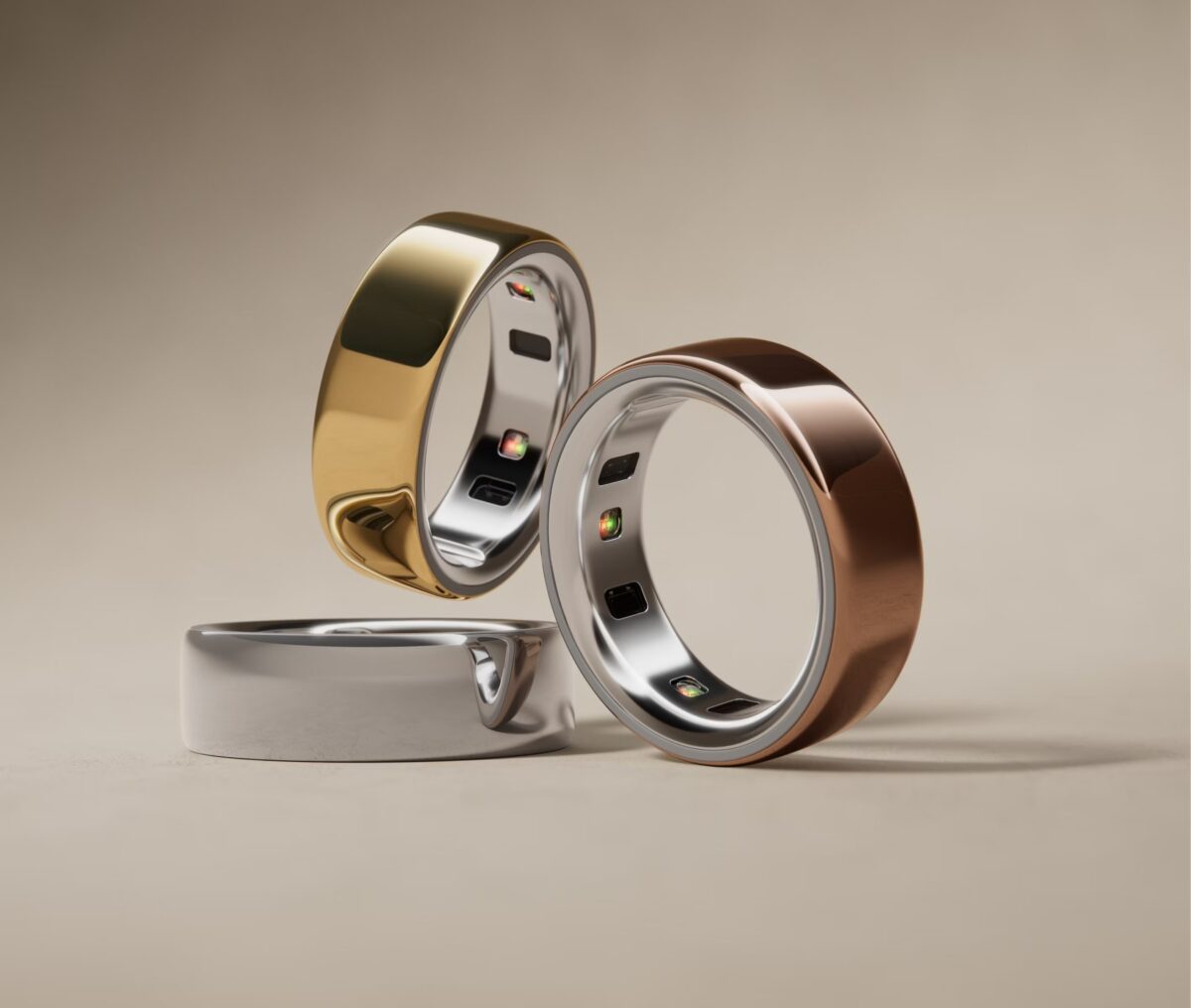
The wearable technology landscape is undergoing a fundamental shift. For years, the smartwatch has been the undisputed king of the wrist, serving as a second screen for our smartphones. However, recent market data suggests a change in consumer sentiment. While global smartwatch shipments declined by 2% year-over-year in the first quarter of 2025, the smart ring market is expected to expand at a compound annual growth rate of approximately 21% through 2030.
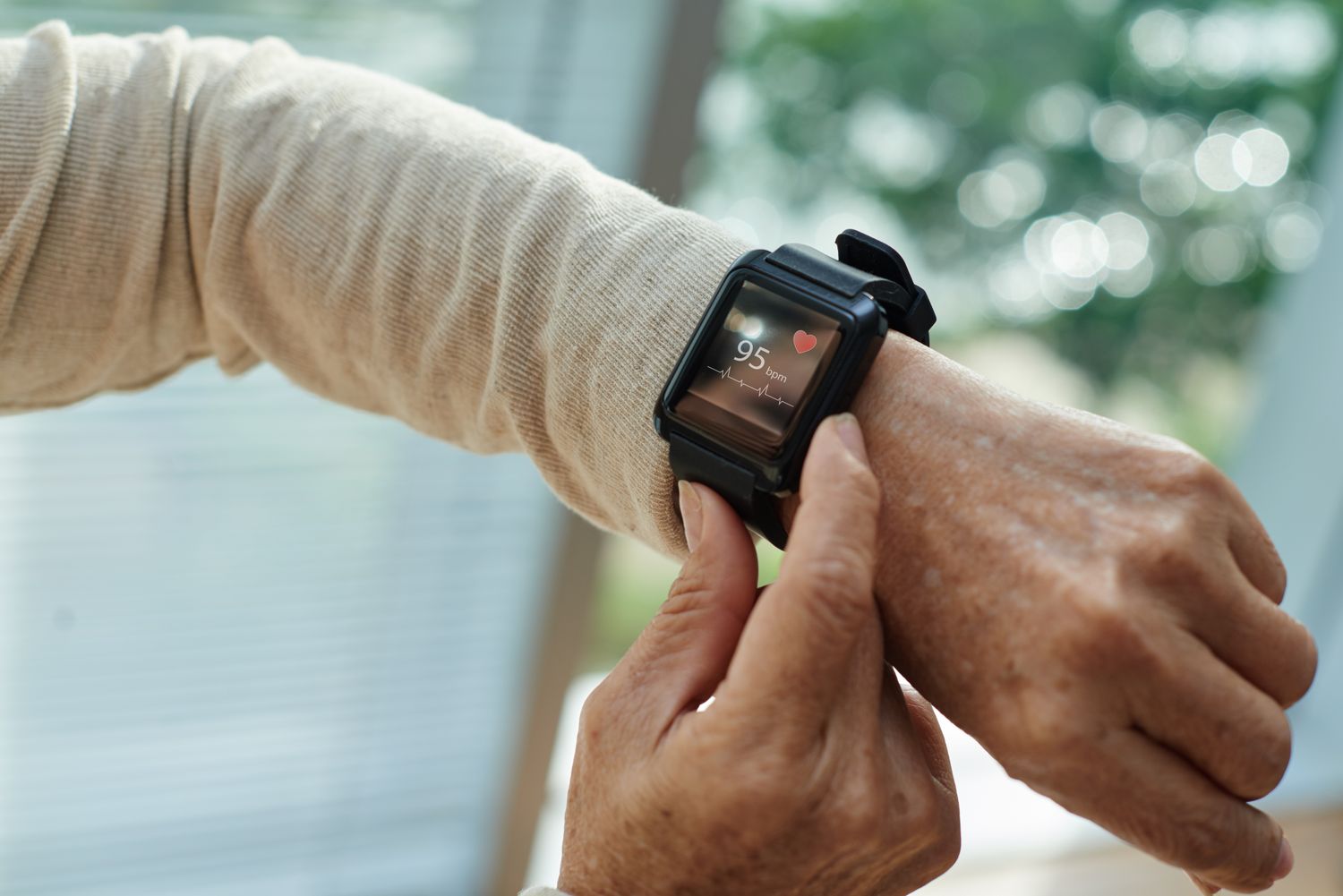
This transition represents more than just a change in hardware; it is a shift in philosophy. We are moving away from the active monitoring era—where our wrists buzz with every email and text—toward a passive monitoring era. Users are increasingly choosing the smart ring vs smartwatch because they want the data without the digital noise. The ring is a tool for those who prioritize wellness over connectivity, seeking to understand their bodies without being tethered to another screen.
The Physiological Advantage: Why the Finger Wins
To understand why smart ring health monitoring accuracy often surpasses that of a wrist-based device, we have to look at human anatomy. Smartwatches attempt to read biometrics through the top of the wrist, an area crowded with bone, tendon, and thick skin. In contrast, the finger is home to a dense capillary blood flow network located much closer to the surface.
The biometric sensors in a ring utilize photoplethysmography (PPG) to shine light into these capillaries. Because the skin on the finger is thinner and the arteries are more accessible, the sensors can achieve a much higher signal-to-noise ratio. This is particularly vital for measuring heart rate variability (HRV) and oxygen saturation. When comparing smart ring health monitoring accuracy vs traditional smartwatches, the ring provides a more stable environment because it fits snugly around the finger with minimal movement, whereas a watch can slide up and down the wrist, leading to data gaps during exercise or sleep.
Furthermore, many users are switching to smart ring to reduce screen time and notifications. The modern smartwatch has become a source of anxiety for many, offering a constant stream of pings that interrupt focus and increase stress. By moving the sensors to a screenless ring, users can maintain high-level insights into their metabolic health and circadian rhythm without the temptation to check a wrist-based display every few minutes. It is the ultimate expression of distraction-free tracking.
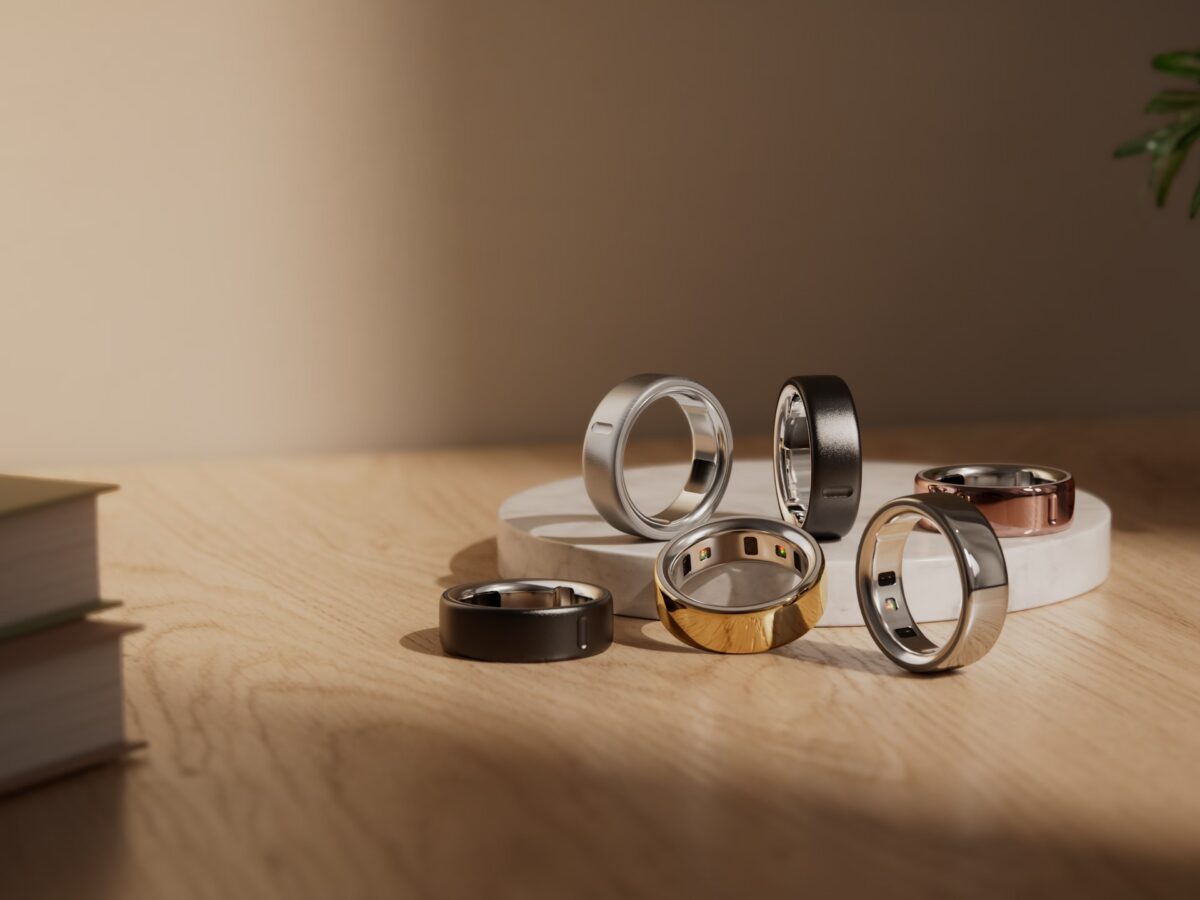
Scientific Evidence: In a landmark study on sleep classification, the Oura Ring demonstrated a 79% accuracy rate in identifying sleep stages, aligning closely with medical-grade polysomnography. This high level of precision is largely attributed to the finger-based PPG placement.
Samsung Galaxy Ring vs Oura Ring 4: The 2026 Battle
The choice between the two industry titans usually comes down to your digital ecosystem and how you feel about recurring costs. The Samsung Galaxy Ring vs Oura Ring 4 debate is the primary crossroad for most new buyers in 2026.
The Android Loyalist The Samsung Galaxy Ring is a masterclass in ecosystem integration. For those already using a Samsung smartphone and the Samsung Health app, the ring offers a seamless experience with no mandatory subscription fees. It uses high-grade titanium construction and integrates deeply with Samsung's AI-driven Energy Score. If you want a "set it and forget it" device that feeds into a wider health platform you already use, this is the clear winner.
The Data Purist The Oura Ring 4 remains the gold standard for algorithmic maturity. Oura has been in the market longer than almost anyone, and their readiness score is widely considered the most reliable metric for recovery in the industry. However, this precision comes with a caveat: a monthly subscription is required to see anything beyond basic data. For users on iOS or those who want the most validated sleep and recovery insights available, the Oura remains the top choice despite the ongoing cost.
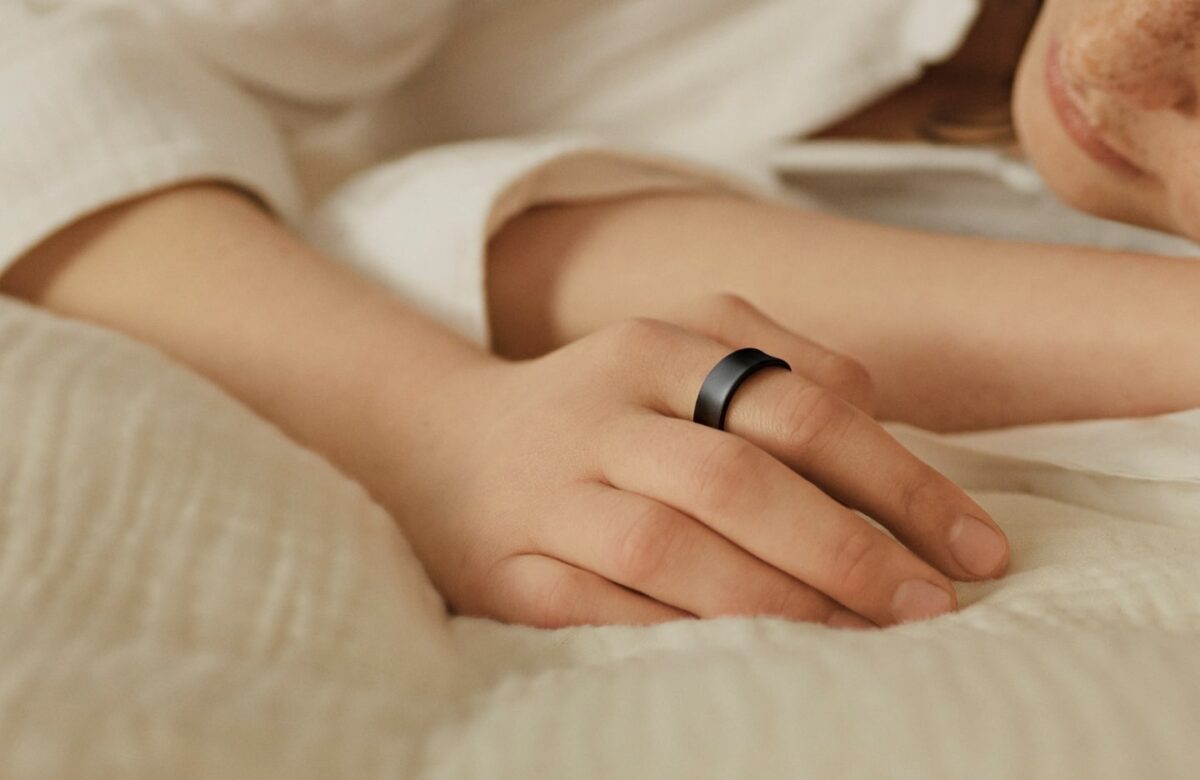
Sleep and Recovery: Solving the Daily Charging Gap
One of the most significant pain points of the smartwatch era has been battery longevity. Most high-performance smartwatches require charging every 24 to 48 hours. This creates a "charging gap" where the user must choose between tracking their daytime activity or their nighttime recovery. Unfortunately, most choose to charge at night, missing out on critical sleep data.
Smart rings have solved this issue. With a battery life of 5 to 10 days, they are the best smart rings for sleep tracking because they never need to leave your finger. This continuous wear allows the device to establish a baseline for your circadian rhythm and skin temperature more effectively than a watch that is frequently removed.
When choosing between smart ring and smartwatch for sleep tracking, the ring’s form factor is also a major comfort factor. A bulky, glowing watch can be intrusive in bed, often snagging on sheets or waking the wearer with accidental screen activations. A ring is virtually unnoticeable. For those seeking the best smart rings for fitness and recovery tracking 2026, the ability to capture uninterrupted 24/7 data is the most compelling reason to make the switch.
Budget and Niche Alternatives: Beyond the Big Two
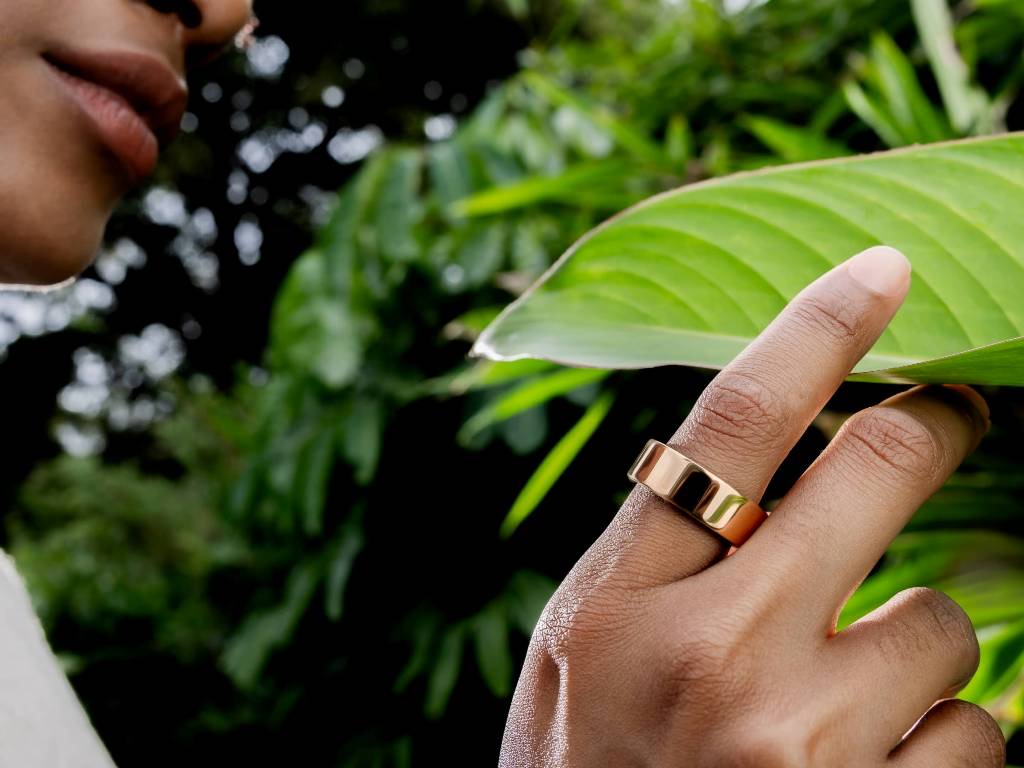
While Samsung and Oura dominate the headlines, the market is filled with innovative alternatives that cater to specific needs. For example, the Ultrahuman Ring Air has gained a following among those interested in metabolic health, offering deep insights into how food and movement affect glucose levels and energy.
For the budget-conscious consumer, looking at a no subscription smart rings comparison for budget buyers reveals gems like the RingConn Gen 2. This device offers an impressive 10-day battery life and comprehensive health tracking without any monthly fees. These smaller players are pushing the boundaries of what a screenless wearable can do, often offering faster charging and thinner profiles than the market leaders.
Total Cost of Ownership (TCO) Breakdown
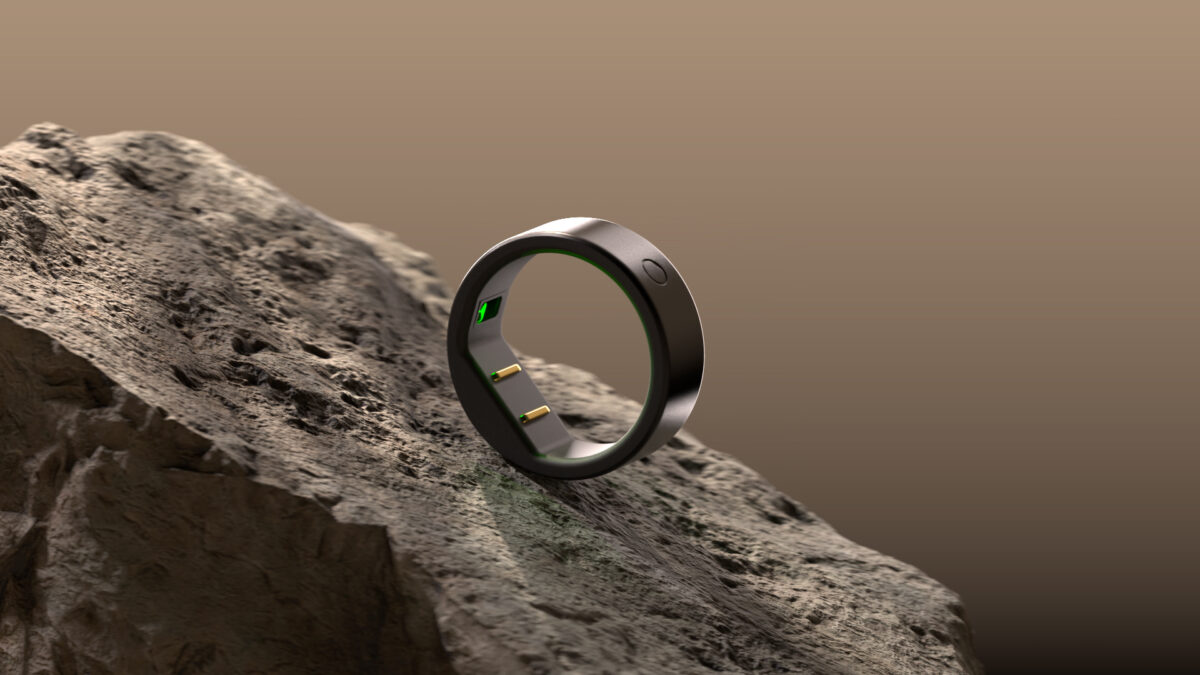
When evaluating the smart ring vs smartwatch price point, you must look beyond the initial sticker price. Many users find that nearly 29% of smartwatch users abandon their devices within six months, often due to the friction of daily charging or notification fatigue. In contrast, the higher retention rate of rings makes them a better long-term investment.
Below is a breakdown of the three-year cost for the leading models, highlighting the Samsung Galaxy Ring vs Oura Ring 4 subscription costs.
| Feature | Samsung Galaxy Ring | Oura Ring 4 | RingConn Gen 2 |
|---|---|---|---|
| Initial Price | $399 | $349 | $299 |
| Monthly Fee | $0 | $5.99 | $0 |
| 3-Year TCO | $399 | $564.64 | $299 |
| Ecosystem | Android (Best on Samsung) | iOS & Android | iOS & Android |
| Subscription | No | Yes | No |
As the table shows, a "cheaper" ring like the Oura can actually become the most expensive option over a three-year period. However, for many, the depth of Oura's data and their pioneering work in women’s health and recovery algorithms justifies the premium.
FAQ
Is a smart ring better than a smartwatch?
It depends on your goals. A smart ring is superior for passive monitoring, sleep tracking, and those who want to reduce screen time. However, a smartwatch is still better for active fitness tracking, GPS navigation, and receiving real-time notifications or taking calls.
Which is more accurate for sleep tracking: a smart ring or a smartwatch?
Generally, a smart ring is more accurate for sleep tracking. The sensors on the finger have better access to blood flow data, and the ring's lightweight design leads to higher user compliance, meaning it is more likely to be worn every single night compared to a bulky watch.
How does the battery life of a smart ring compare to a smartwatch?
Smart rings significantly outperform most smartwatches in battery longevity. Most rings last between 5 to 10 days on a single charge, whereas popular smartwatches like the Apple Watch or Pixel Watch typically require charging every 1 to 2 days.
Can a smart ring receive notifications like a smartwatch?
Most smart rings do not have screens or vibration motors for notifications, as they are designed for distraction-free tracking. While a few niche models offer haptic alerts, the primary goal of a smart ring is to move away from the constant pings of a watch.
Is a smart ring worth it if I already have a smartwatch?
Many enthusiasts wear both. They use the smartwatch for active workouts and daytime notifications, but rely on the smart ring for 24/7 health baselines and sleep tracking. If you find your smartwatch uncomfortable for sleep or annoying due to notifications, a ring is a worthy replacement or supplement.
Choosing Your Path
The transition from a smartwatch to a smart ring is essentially a choice to reclaim your attention. By opting for a device that lives quietly on your finger, you are choosing to prioritize internal health metrics over external digital demands.
Whether you opt for the ecosystem synergy of the Samsung Galaxy Ring, the clinical-grade insights of the Oura Ring 4, or a subscription-free alternative like RingConn, the shift toward passive monitoring is clear. With smart ring shipments outpacing smartwatches by a massive margin, it’s evident that the future of wearables isn't on our wrists—it's on our fingers.