Our Top Picks
- Best for Beginners: The Vertical Strip Method using medical-grade adhesive tape provides a safety margin for mouth breathing if needed.
- Best for Maximum Security: MyoTape or specialized lip-surrounding tapes that encourage a lip seal without covering the lips entirely.
- Best for Sensitive Skin: Silicone-based tape or hypoallergenic paper tape to minimize skin irritation and rashes.
- The Verdict: Mouth tape works primarily as a behavioral cue for nasal breathing, but its efficacy depends on nasal patency and the absence of underlying sleep disorders.
Mouth tape promotes nasal breathing, which increases nitric oxide production and improves restorative sleep cycles. While it can reduce mild snoring and dry mouth, scientific evidence is limited and it is not safe for those with obstructive sleep apnea (OSA).
The Viral Trend: From Buteyko to TikTok
In the hyper-optimized world of modern wellness, few interventions have migrated from clinical obscurity to viral sensation as rapidly as mouth tape. What was once a niche practice associated with the Buteyko technique—a breathing method developed in the 1950s by Russian physician Konstantin Buteyko—has now become a staple of TikTok sleep hygiene routines. Influencers claim that a simple piece of sleep tape review can transform everything from jawline definition to deep sleep architecture.
However, as a functional health editor, I look past the aesthetic claims toward the underlying physiological reality. The movement is rooted in the idea that modern humans are chronic mouth breathers, a habit that reportedly disrupts microbiome balance in the oral cavity and degrades sleep quality. While the hype often outpaces the data, the transition from mouth breathing to nasal breathing is a legitimate pillar of respiratory health. How to use mouth tape for beginners often starts with understanding that the tape is not a permanent fix, but a biohacking tool designed to retrain the body for a more efficient nocturnal state.
The Science of Nasal Breathing
The primary objective of using mouth tape is to force the body to utilize the nose, an organ specifically designed for respiration. Unlike the mouth, the nasal passages act as a sophisticated filtration and humidification system. When you breathe through your nose, the air is warmed and moistened before it reaches the lungs, reducing the risk of irritation in the bronchial tubes.
Perhaps the most significant biological benefit is nitric oxide production. Nitric oxide is a vasodilator produced in the paranasal sinuses. When you inhale through the nose, this gas is carried into the lungs, where it helps dilate blood vessels and improves oxygen saturation throughout the body. This process is essential for reaching deeper, more restorative sleep cycles.
Furthermore, maintaining a consistent lip seal helps prevent xerostomia, the clinical term for dry mouth. Chronic mouth breathing during sleep evaporates saliva, which is the first line of defense against oral pathogens. By using mouth tape for dry mouth and oral health, individuals may reduce their risk of cavities, gum disease, and bad breath. Beyond oral health, nasal breathing encourages diaphragmatic breathing, which engages the lower lobes of the lungs and activates the parasympathetic nervous system, effectively lowering the heart rate and promoting a state of calm.
Safety First: The Sleep Apnea Trap and Side Effects
Before reaching for the adhesive, one must address the critical safety concerns. The most significant danger is the sleep apnea trap. For individuals with undiagnosed obstructive sleep apnea (OSA), the mouth often acts as a secondary airway when the primary nasal path is compromised. If you suffer from OSA, mouth taping can be dangerous because it may increase airway resistance if nasal passages are restricted by a deviated septum or inflammation.
A clinical study of patients with mild obstructive sleep apnea found that using mouth tape reduced the median apnea/hypopnea index and the median snoring index by 47% each. While this suggests potential benefits for mild cases, it is vital to note that this study was conducted under medical supervision. Is mouth taping safe for sleep apnea? Generally, no, unless cleared by a sleep specialist. It should never be used as a replacement for CPAP therapy.
Red Flag Checklist: Who Should Avoid Mouth Taping
- Individuals with diagnosed or suspected Obstructive Sleep Apnea (OSA).
- Those with a significantly deviated septum or chronic nasal congestion.
- People who have consumed alcohol or sedatives before bed.
- Individuals with a high BMI (obesity can increase the risk of airway collapse).
- Anyone feeling nauseated (to prevent aspiration in case of vomiting).
Common mouth taping side effects include skin irritation from poor-quality adhesives, anxiety or feelings of claustrophobia, and sleep disruption if the user cannot get enough air through their nose. Awareness of these mouth taping side effects is crucial for a safe experience.
How to Use Mouth Tape Safely (Beginner's Guide)
If you have cleared the safety hurdles, the next step is implementation. Most people fail because they jump into a full lip seal on night one. The key to success is a gradual transition.
The Nose Unblocking Exercise
Before applying any tape, you must ensure your nasal passages are clear. Try this Buteyko-inspired exercise:
- Sit upright and take a small breath in and out through your nose.
- Pinch your nose and hold your breath while gently nodding your head or swaying.
- Hold until you feel a strong urge to breathe.
- Release and breathe through your nose immediately.
Step-by-Step Application
For those wondering how to use mouth tape for beginners, start with a daytime trial. Wear the tape for 30 minutes while reading or watching TV to ensure you don't feel panicked.
- Clean the area: Ensure the skin around your lips is dry and free of oils or lip balm.
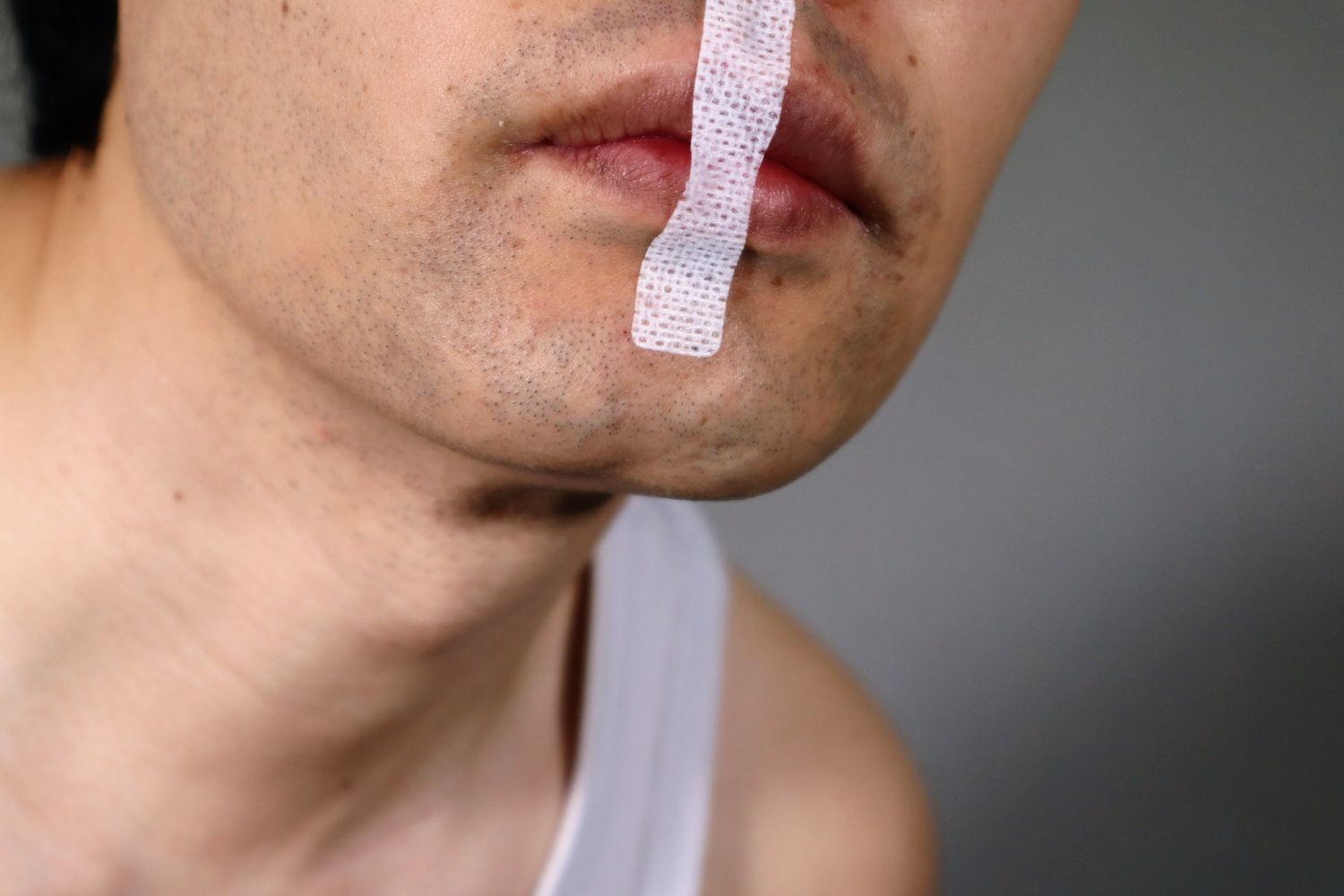
- The Vertical Strip Method: Instead of taping the entire mouth shut, place a single vertical strip of mouth tape across the center of your lips. This ensures a lip seal but allows for air to escape through the corners of the mouth if necessary.
- Folding the ends: Fold a small tab at the end of the tape so you can easily rip it off in the dark if you feel respiratory distress.
Does mouth tape help with snoring? Yes, for many people, the vertical strip provides enough of a behavioral cue to keep the jaw closed, which prevents the tongue from falling back and vibrating against the soft palate.
Choosing the Right Tape: Materials Matter
A common mistake in the biohacking community is using whatever is in the junk drawer. Standard medical tape, or worse, duct tape, can cause significant damage to the delicate skin of the lips. When selecting a product, the priority should be a medical-grade adhesive that is breathable and easy to remove.
The best hypoallergenic tape for mouth taping is usually a silicone-based tape. Silicone adhesives provide a secure hold throughout the night but release easily without pulling the skin or leaving a sticky residue.
| Tape Type | Adhesive Base | Skin Safety | Breathability |
|---|---|---|---|
| Specialized Sleep Tape | Hypoallergenic Acrylic | High | High |
| Silicone Medical Tape | Silicone | Highest | Moderate |
| Standard Paper Tape | Synthetic | Moderate | High |
| Duct Tape / Household | Industrial | Dangerous | Zero |
Using a silicone-based tape is particularly important for those with sensitive skin or facial hair, as it minimizes the mechanical trauma of removal. Always look for products labeled as latex-free and hypoallergenic.
FAQ
Is it safe to sleep with tape over your mouth?
For healthy individuals with clear nasal passages and no history of sleep disorders, it is generally safe when using the correct materials. However, it carries risks for those with underlying respiratory issues or those who have consumed alcohol. Using a vertical strip rather than a full horizontal seal is a safer way to start.
Does mouth taping help with snoring?
Mouth tape can be effective for reducing snoring caused by open-mouth breathing. By keeping the mouth closed, it encourages the tongue to stay forward, which can keep the airway open. However, if the snoring is a symptom of obstructive sleep apnea, tape will not solve the underlying issue and could potentially worsen the condition.
Can mouth taping improve sleep quality?
By promoting nasal breathing and increasing nitric oxide production, mouth taping can lead to more restorative sleep cycles. Many users report waking up feeling more refreshed and having less dry mouth. However, clinical evidence for broad sleep quality improvements in healthy populations is still emerging.
Is mouth taping effective for people with sleep apnea?
Mouth taping is generally not recommended for those with obstructive sleep apnea (OSA). In OSA, the airway collapses regardless of whether the mouth is open or closed. Taping the mouth shut could restrict a secondary airway, leading to decreased oxygen levels. Always consult a physician for a formal sleep study if you suspect you have apnea.
Who should avoid using mouth tape?
You should avoid mouth tape if you have a cold or allergies that block your nose, a deviated septum that makes nasal breathing difficult, or if you have consumed alcohol or sedatives. It is also not recommended for children, people with very low blood pressure, or anyone with a high risk of vomiting during the night.
Summary of the Evidence
While the viral trend may make mouth tape look like a miracle cure, it is best viewed as a supplemental tool in a broader sleep hygiene strategy. Its primary benefit—encouraging nasal breathing—is physiologically sound, but the delivery method requires caution.
If you find yourself constantly waking up with a dry mouth or experiencing daytime sleepiness despite a full night's rest, do not rely on tape alone. Consult a medical professional to rule out obstructive sleep apnea or other respiratory obstructions. For the healthy optimizer, a high-quality silicone-based tape used with the vertical strip method can be a safe and effective way to harness the power of nitric oxide and improve the overall quality of your rest.