Quick Facts
- Primary Benefit: Repairs and strengthens the intestinal lining to restore the mucosal barrier.
- Key Amino Acids: High concentrations of Glycine, Proline, and Glutamine.
- Dosage Range: Effective therapeutic range is 2.5g to 15g daily.
- Timeline: Clinical observations typically show gut lining repair within 8-12 weeks of consistent use.
- Superiority: Marine collagen is primarily Type I and offers 1.5x faster absorption than bovine sources due to smaller molecule size.
- Prebiotic Effect: Acts as a specialized food source for beneficial bacteria to support a diverse microbiome.
Marine collagen for gut health is more than a beauty trend; it is a clinical powerhouse for digestive wellness. By providing the essential building blocks for the intestinal lining, marine collagen for gut health helps seal tight junctions and reduce inflammation. It delivers vital peptides that reinforce the epithelial cell structure, effectively reducing intestinal permeability and preventing systemic irritation.

The Biochemistry of Gut Repair: Glycine, Proline, and Glutamine
To understand the benefits of wild caught marine collagen, we must look at its molecular makeup. Approximately 90% of the collagen found in the human body is Type I collagen, which is exactly what marine sources provide in abundance. When you consume hydrolyzed marine collagen, the body breaks it down into specific amino acids that act as structural raw materials for the gut wall.
Glycine is perhaps the most critical component. It has been shown to stimulate the production of gastric juices and bile, which are essential for the proper breakdown of food and nutrient absorption. Furthermore, proline and glutamine work in tandem to protect the gut. Glutamine, in particular, serves as the primary fuel source for epithelial cells, the specialized cells that line your digestive tract.
Definition: Extracellular Matrix (ECM) The ECM is a complex network of proteins and molecules that provide structural support to cells. In the gut, a strong extracellular matrix is essential for maintaining the physical shape and strength of the intestinal wall, preventing it from becoming fragile or easily damaged.
By supporting the extracellular matrix, marine collagen helps create a resilient environment where cells can flourish. This structural reinforcement is what makes it a superior choice for those looking to manage chronic digestive discomfort.
Sealing the Barrier: Marine Collagen for Leaky Gut Repair
One of the most significant challenges in modern digestive health is intestinal permeability, commonly known as leaky gut. This condition occurs when the tight junctions in the intestinal wall become loose, allowing undigested food particles and toxins to enter the bloodstream. Since roughly 70% of the immune system resides in the gut-associated lymphoid tissue, or GALT, a compromised barrier can lead to systemic inflammation and immune sensitivity.
Using marine collagen for leaky gut repair targets these structural gaps directly. Research published in the Journal of Clinical Gastroenterology found that patients with inflammatory bowel disease (IBD) have significantly lower levels of collagen in their intestinal tissue compared to healthy individuals. This suggests that replenishing collagen stores is a necessary step in the healing process.
Definition: Tight Junctions Tight junctions are the "gatekeepers" of the gut. They are protein complexes that hold the cells of the intestinal lining together, ensuring that only nutrients pass through while keeping pathogens out.
Laboratory studies using Caco-2 cell monolayers demonstrate that marine collagen peptides can increase the expression of tight junction proteins, such as ZO-1 and occludin. These proteins act like "cellular glue," sealing the gaps and reducing the symptoms of marine collagen for bloating and gas relief by preventing the inflammatory cascades that cause distension.
The Microbiome Connection: Prebiotic Effects of Marine Peptides
While we often focus on the physical structure of the gut, the bacteria living within it are equally important. Emerging research indicates that marine collagen peptides gut microbiome interactions go beyond simple structural repair. These peptides may actually function as a prebiotic source.
When you consume marine collagen, the peptides provide a specialized nitrogen source for beneficial bacteria. By feeding these microbes, you stimulate the production of short-chain fatty acids (SCFAs). These fermentation products are essential for maintaining a low-inflammation environment in the colon and improving metabolic health.
The marine collagen prebiotic effects on gut microbiome diversity help crowd out opportunistic pathogens. A more diverse microbiome is linked to better immune function and a clearer gut-skin axis, meaning the health of your digestion is often reflected in the clarity of your complexion.
Marine vs. Bovine: Why Molecular Weight Matters
When choosing a supplement, consumers often ask about marine collagen peptides vs bovine for gut lining support. The primary difference lies in bioavailability and sustainability. Marine collagen is sourced from the skin and scales of fish, which are processed into much smaller peptides than those found in cattle hides.
| Feature | Marine Collagen | Bovine Collagen |
|---|---|---|
| Primary Type | Type I | Type I & III |
| Molecular Weight | Low (approx. 2000 Daltons) | High (3000-5000 Daltons) |
| Absorption Rate | High (1.5x faster) | Moderate |
| Sustainability | High (Often MSC-certified) | Variable |
| Primary Benefit | Gut & Skin Barrier Repair | Muscle & Joint Support |
Marine collagen peptides are characterized by high bioavailability, with absorption rates reaching up to 90% within six hours of consumption. This rapid delivery system ensures that the amino acids reach the gut wall quickly to begin the repair process. When choosing non-GMO wild caught marine collagen powder, you are also opting for a product that is often free from the hormones and antibiotics sometimes associated with land-based livestock.

Protocols: Dosage, Timing, and Safety
To get the most out of your supplement, consistency is the key factor. For those wondering how to use marine collagen for digestive health, the standard therapeutic hydrolyzed marine collagen dosage for gut repair ranges from 5 to 10 grams daily, though some protocols allow up to 15 grams for acute repair phases.
- Consistency: It takes time to rebuild the mucosal barrier. Aim for an 8-12 week window to see significant changes in digestion and bloating.
- Best Time to Take: The best time to take marine collagen for gut health is typically on an empty stomach, either first thing in the morning or right before bed. This allows the stomach to process the peptides without competing with other protein sources.
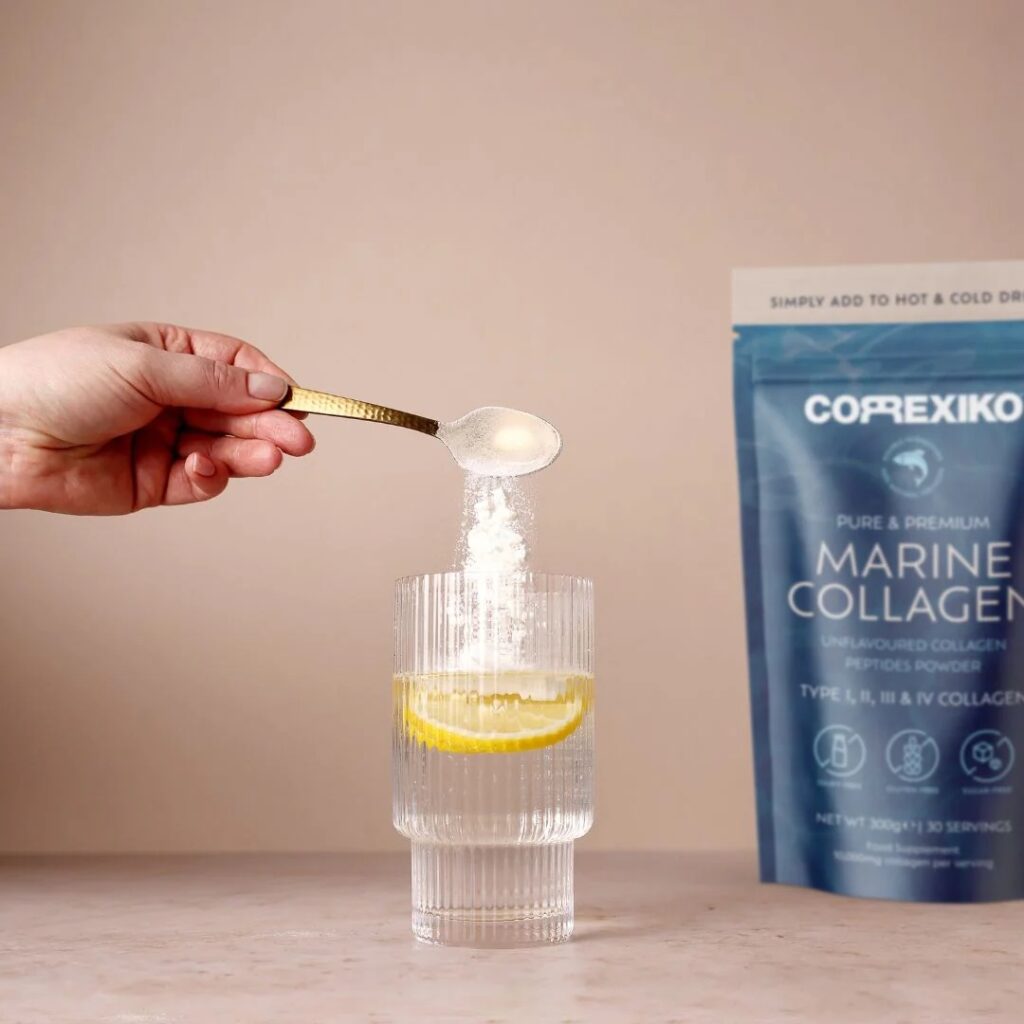
- Mixing: Hydrolyzed powders dissolve easily in coffee, tea, or smoothies. Because they are heat-stable, they can be added to warm liquids without losing their structural integrity.
While marine collagen is generally safe, there are a few safety signals to monitor. Those with a known fish allergy should avoid marine sources entirely. Additionally, because collagen is high in certain amino acids, individuals with severe kidney issues or those prone to oxalate-based kidney stones should consult a physician. In rare cases, very high doses may lead to a feeling of heaviness or mild digestive upset if the body is not used to the protein load.
FAQ
Does marine collagen heal your gut?
Marine collagen provides the amino acids glycine and glutamine which are essential for repairing the epithelial cells of the intestinal lining. By reinforcing the structural matrix of the gut wall, it helps restore the mucosal barrier and reduces inflammation associated with digestive distress.
Which type of collagen is best for gut health?
Type I collagen is considered the most effective for gut health because it is the most abundant form of collagen found in the human intestinal tract. Marine collagen is almost exclusively Type I and has a smaller molecular size, making it easier for the gut to absorb and utilize for tissue repair.
How long does it take to see gut health results from marine collagen?
Most clinical studies and practitioner observations suggest a timeline of 8 to 12 weeks of daily, consistent use. While some users report reduced bloating within the first few weeks, the structural repair of the intestinal lining is a biological process that requires several months of steady nutrient supply.
Can marine collagen cause digestive issues?
While generally well-tolerated, some individuals may experience mild bloating or a feeling of fullness when first starting marine collagen. This is usually due to the high protein concentration. Starting with a smaller dose and gradually increasing to the full daily amount can help the digestive system adjust.
Is marine collagen better than bovine collagen for the gut?
Marine collagen is often preferred for gut repair due to its superior bioavailability. Its peptides are smaller than those in bovine collagen, allowing them to pass through the intestinal wall and enter the bloodstream up to 1.5 times more efficiently. This makes it more effective at targeting the gut's extracellular matrix quickly.
Does marine collagen help with leaky gut syndrome?
Yes, marine collagen is highly effective for addressing leaky gut by increasing the expression of tight junction proteins like occludin and ZO-1. These proteins seal the gaps between intestinal cells, reducing intestinal permeability and preventing toxins from leaking into the systemic circulation.