Quick Facts
- The Expert Hook: Dr. Daniel Amen, a renowned psychiatrist and brain health expert, often identifies long-term Ginkgo users as having the healthiest-looking scans in his practice.
- Core Mechanism: The primary mechanism involves enhancing microcirculation and vasodilation, which optimizes the delivery of vital oxygen and nutrients to neural tissues.
- Standardization: High-quality efficacy depends on a specific standardized extract containing 24% flavone glycosides and 6% terpene trilactones.
- Market Growth: Driven by a surge in demand for cognitive enhancement, the global Ginkgo Biloba extract market was valued at approximately $1.73 billion in 2023.
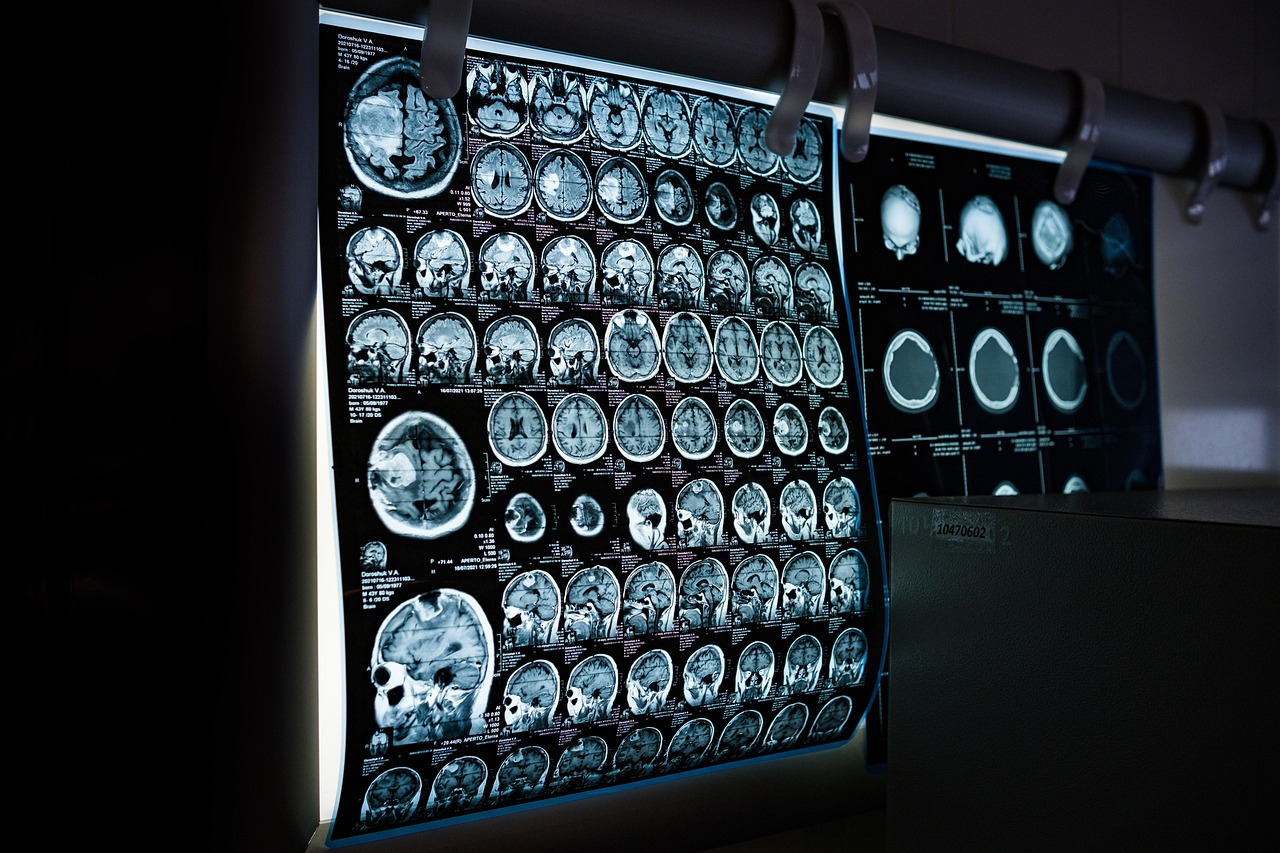
- Clinical Evidence: Dr. Amen utilizes SPECT imaging to demonstrate how ginkgo biloba for brain blood flow can physically alter the brain's activity levels.
- Safety First: While generally safe, the extract is a potent vasodilator and should be avoided by those taking specific anticoagulants.
Ginkgo biloba benefits the brain primarily by enhancing microcirculation and vasodilation, which increases oxygen and nutrient delivery to neural tissues. This process supports improved memory, concentration, and cognitive clarity. Dr. Daniel Amen notes that regular users often show improved brain activity on SPECT scans due to these neuroprotective and circulatory effects.
The 'Prettiest Brains': Dr. Amen’s Clinical Evidence
In the world of clinical psychiatry, few names carry as much weight in the realm of brain imaging as Dr. Daniel Amen. Through his work at Amen Clinics, he has performed over 200,000 SPECT scans—a technology that measures blood flow and activity patterns in the brain. Over decades of observation, Dr. Amen began to notice a recurring pattern. He famously remarked that individuals who use certain supplements regularly often possess the "prettiest brains" in his clinic, characterized by full, even, and symmetrical activity.
The dr amen ginkgo biloba recommendation stems from these visual outcomes. Unlike many trends that fade, Ginkgo Biloba has remained a staple in his protocols because the SPECT imaging provides a "before and after" look at neural health. When blood flow is restricted, scans often show "holes" or areas of low activity. After consistent use of Ginkgo Biloba, these areas often fill in as the botanical promotes better vascular health.
Dr. Amen views this ancient leaf not just as a memory aid, but as a multifunctional Mood Manager and Energy Enhancer. By optimizing the way the brain receives fuel, the supplement helps stabilize the emotional centers of the brain while providing the cognitive stamina required for modern life. This clinical observation is backed by a massive consumer shift; in 2024, herbal extracts including Ginkgo Biloba held the largest share of the global brain health supplements market, accounting for approximately 44.3% of the total revenue.
How It Works: Vasodilation and Neuroprotection
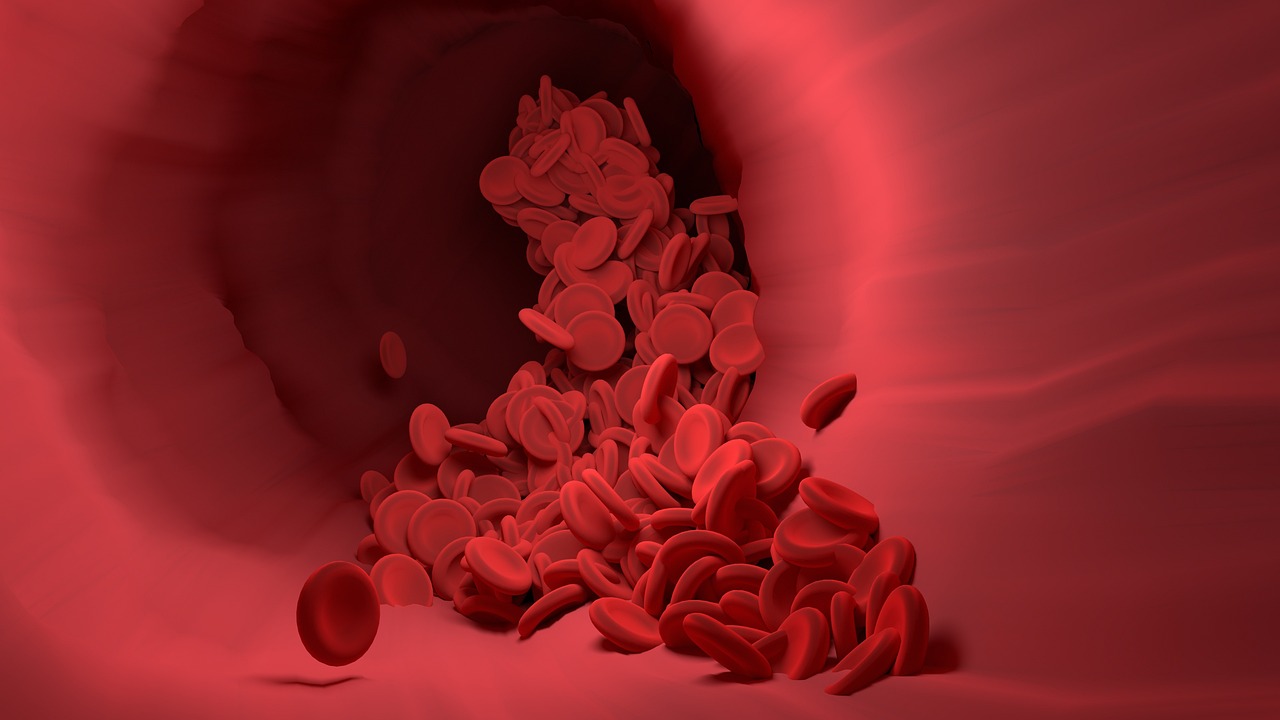
To understand why this plant is so effective, we have to look at its cellular mechanics. The magic of the Ginkgo tree—a "living fossil" that has survived for over 200 million years—lies in its unique chemical profile, specifically flavone glycosides and terpene trilactones. These compounds work in tandem to produce what we call vasodilation, the widening of blood vessels.
When blood vessels in the brain dilate, resistance decreases, allowing a more robust flow of oxygenated blood to reach the smallest capillaries. This is the essence of microcirculation. For the brain, which consumes about 20% of the body's total oxygen despite being only 2% of its weight, this increased flow is transformative.
Beyond blood flow, the extract offers significant neuroprotection. Our neurons are constantly under attack from oxidative stress and free radicals, which can damage the delicate membranes of our brain cells. The flavone glycosides act as potent antioxidants, neutralizing these free radicals before they can cause harm. Simultaneously, terpene trilactones support mitochondrial support, ensuring that the "power plants" of our cells produce energy efficiently. A 2003 double-blind SPECT trial further validated this, showing that Ginkgo Biloba improved blood flow in both hemispheres of the brain, not just in localized areas.
Targeted Benefits: Memory, Focus, and Beyond
While many seek out ginkgo biloba for memory and focus, the botanical’s reach extends much further into various aspects of human physiology. Because it addresses the fundamental issue of circulation, its benefits are systemic.
- Cognitive Performance: By increasing the speed at which the brain receives glucose and oxygen, users often report a "lifting of the fog," leading to better concentration and faster information processing.
- Vision and Retinal Health: The ginkgo biloba benefits for eye health and vision are becoming increasingly recognized. By improving blood flow to the optic nerve and the retina, it may help protect against degenerative conditions that lead to vision loss.
- Stress Resilience: Ginkgo functions as an ginkgo biloba as an adaptogen for stress relief. It helps the body modulate its response to stressors by regulating cortisol levels. This prevents the "adrenal burn" that often leads to mental fatigue.
- Aging Support: The ginkgo biloba anti inflammatory benefits for brain aging help reduce the chronic low-grade inflammation that is a hallmark of cognitive decline.
| Condition | Observed Efficacy | Notes |
|---|---|---|
| Dementia / Alzheimer’s | Moderate to High | Most effective for managing symptoms and slowing progression in early stages. |
| General Memory Loss | High | Significant improvement in "working memory" and recall speed in healthy adults. |
| Tinnitus (Ringing in ears) | Variable | Success is often linked to the cause being vascular (blood flow) in nature. |
| Focus & Attention | High | Acts as a mild stimulant without the "crash" associated with caffeine. |
| PMS Symptoms | Moderate | Helps with both physical tenderness and the psychological "mood swings." |

Usage Guide: Dosage and Standardization
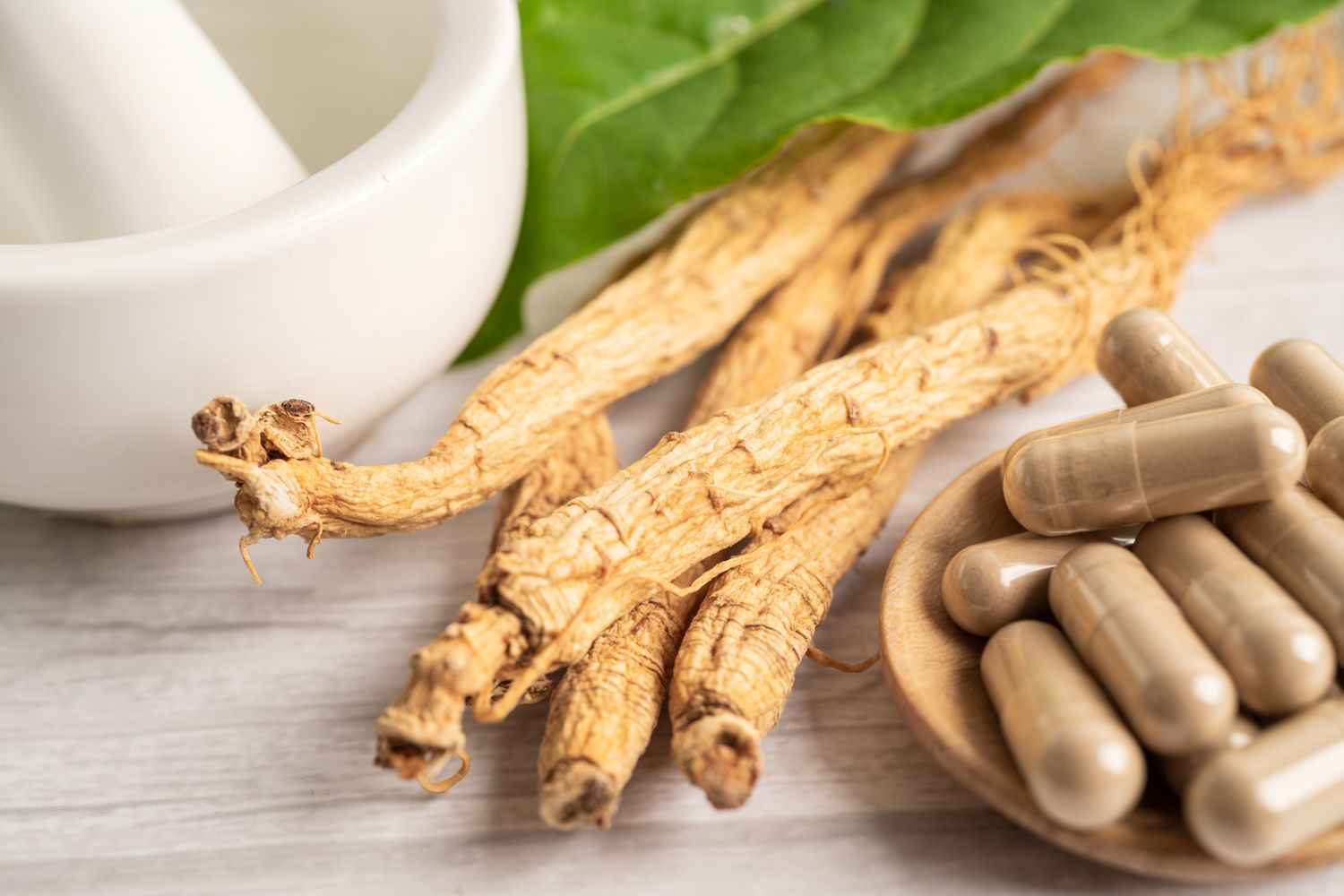
If you are looking to integrate this into your routine, quality is the most critical factor. Not all Ginkgo supplements are created equal. In fact, raw ginkgo leaves or seeds can be toxic, containing high levels of ginkgolic acid which can cause severe allergic reactions or cellular damage. Therefore, you must only use a highly refined, standardized extract.
The clinical standard used in almost all successful trials—and the one Dr. Amen refers to—is the "24/6" ratio. This means the extract is concentrated so that it contains exactly 24% flavone glycosides and 6% terpene trilactones.
Standardization Checklist
- Standardized Label: Look for "EGb 761" or "24/6 extract."
- Flavone Glycosides: Must be 24%.
- Terpene Trilactones: Must be 6%.
- Form: Capsules or tinctures are preferred over "leaf powder."
- Purity: Ensure the product is tested for ginkgolic acid (it should be less than 5 ppm).
Regarding the ginkgo biloba dosage guide, most experts suggest a range between 120mg and 240mg per day. It is often best to split this into two doses (e.g., 60mg or 120mg in the morning and again in the afternoon) to maintain consistent levels in the bloodstream. Consistency is paramount. While some people feel a difference within a few days, the full ginkgo biloba benefits for memory and focus typically manifest after 4 to 6 weeks of daily ginkgo biloba dosage for brain health.
Safety and Scientific Consensus
As with any powerful botanical, a "reality check" is necessary. While Dr. Amen’s observations are compelling, the scientific community at large maintains a cautious but optimistic stance. For instance, the Cochrane review—one of the most rigorous scientific meta-analyses—has looked at data from over 10,000 participants. Their findings suggest that while Ginkgo may not "cure" advanced dementia, it shows significant promise in managing mild cognitive impairment (MCI) and age-related memory decline.
The most important safety consideration involves its primary function: blood flow. Because Ginkgo reduces the "stickiness" of platelets to promote circulation, it can act as a mild blood thinner.
- Contraindications: If you are taking anticoagulants like Warfarin (Coumadin), aspirin, or other NSAIDs daily, you must consult your doctor. There is an increased risk of bruising or bleeding if combined without supervision.
- Surgery: Most surgeons recommend stopping Ginkgo Biloba at least two weeks before any scheduled procedure to ensure proper blood clotting.
- Side Effects: These are rare but can include mild gastrointestinal discomfort, headaches, or dizziness as the body adjusts to increased blood flow.
Despite these precautions, Ginkgo remains one of the most studied and safest herbs on the market when used correctly. Its role in neuroprotection and supporting the aging brain makes it a cornerstone of modern holistic wellness.

FAQ
What are the main health benefits of ginkgo biloba?
The main health benefits revolve around its ability to improve vascular health and protect the nervous system. Specifically, it enhances blood flow to the brain and extremities, acts as a powerful antioxidant to fight cellular aging, and helps regulate stress hormones. It is also used to support vision, reduce the symptoms of tinnitus, and improve overall mental clarity.
Does ginkgo biloba help with memory and concentration?
Yes, clinical research suggests that by increasing oxygen and glucose delivery to neurons, Ginkgo Biloba can significantly improve working memory, focus, and the speed of mental processing. It is particularly effective for those experiencing age-related "senior moments" or individuals looking to improve their attention span during demanding tasks.
Does ginkgo biloba improve blood circulation?
Ginkgo is one of the most effective herbal vasodilators available. It works by inhibiting platelet-activating factor (PAF), which reduces blood viscosity and allows blood to flow more easily through narrow vessels. This improvement in microcirculation is why it is recommended not just for the brain, but also for conditions like Raynaud’s disease or poor circulation in the legs.
Is it safe to take ginkgo biloba every day?
For most healthy adults, taking a standardized extract daily is considered safe and is actually the recommended way to achieve long-term cognitive results. However, because its effects on blood flow are cumulative, it is important to stick to the recommended dosage and monitor for any signs of excessive blood thinning, such as easy bruising.
Who should avoid taking ginkgo biloba supplements?
Individuals taking blood-thinning medications (anticoagulants) should avoid Ginkgo unless supervised by a physician. It is also not recommended for pregnant or breastfeeding women due to a lack of safety data in those populations. Additionally, people with a history of seizures should exercise caution, as certain compounds in low-quality Ginkgo seeds have been known to interfere with anti-seizure medications.