Quick Facts
- The Verdict: CGMs are superior for tracking patterns and trends, while traditional glucometers remain the gold standard for immediate medical validation.
- Accuracy Metric: Modern sensors in 2026 have achieved a MARD percentage of less than 10%, bringing them closer than ever to the precision of blood-based monitors.
- 2026 Cost: Entry-level OTC CGM options like Stelo now cost approximately $89 per month, whereas traditional finger-stick supplies typically range from $15 to $75 depending on testing frequency.
- Top Feature: The most significant advantage of continuous monitoring is the ability to track Time-in-Range, with a common clinical target of staying between 70–180 mg/dL for at least 70% of the day.
- Wearability: New hardware like the SIBIONICS GS3 is incredibly discreet, weighing only 1.5g and featuring an IP38 waterproof rating for full lifestyle integration.
- Safety: Automated high and low glucose alarms provide a critical safety net during sleep, something manual testing simply cannot offer.
Choosing between a CGM vs glucometer depends on your health goals. A continuous glucose monitor offers 24/7 data, while a traditional finger stick provides a point-in-time snapshot. The primary difference between a CGM and a traditional glucometer lies in data frequency and measurement source. A CGM provides continuous, 24/7 glucose readings by measuring interstitial fluid through a wearable sensor, offering real-time trend arrows and hypoglycemia alerts. A glucometer measures capillary blood from a finger-stick at a single point in time, requiring manual testing for every data point but generally involving lower initial equipment costs.
The Snapshot vs. The Movie: Understanding the Core Difference
When explaining the pros and cons of CGM vs glucometer to my readers, I often use the analogy of a photograph versus a movie. A traditional glucometer provides a single photograph. It tells you exactly what is happening at the moment you prick your finger, but it says nothing about where your sugar was ten minutes ago or where it is headed next. A continuous glucose monitor, or CGM, is the movie. It provides a stream of data that reveals the full narrative of your metabolic health tracking journey.
The biological difference is just as important. A glucometer measures capillary blood glucose directly from the small vessels in your fingertip. In contrast, a CGM measures glucose in the interstitial fluid, which is the fluid surrounding your cells. Because glucose travels from the blood into the fluid, there is a natural physiological delay. However, the modern CGM makes up for this by providing real-time trend arrows. These arrows tell you not just your current number, but the velocity and direction of your glucose levels, allowing for proactive adjustments rather than reactive corrections.
Accuracy and Expectations: MARD and the 15-Minute Lag
One of the most common points of confusion is the continuous glucose monitor vs finger stick accuracy debate. Users often get frustrated when their CGM reading doesn't perfectly match their finger stick. It is vital to understand the 5-15 minute lag time between blood and interstitial fluid. If your glucose is rising rapidly after a meal, your finger stick will show a higher number than your sensor because the blood is "ahead" of the fluid.
To quantify accuracy, researchers use a metric called MARD percentage (Mean Absolute Relative Difference). The lower the MARD, the more accurate the device. Most top-tier sensors in 2026 now boast a MARD below 10%, which is the threshold often cited for making insulin dosing decisions without a backup check. Furthermore, the rise of no finger prick calibration CGM brands 2026, such as the SIBIONICS GS3 and the Dexcom G7, means that these devices come factory-calibrated. You no longer need to prick your finger twice a day just to keep the sensor accurate, though medical experts still recommend a manual check if your symptoms don't match the screen.
The "Lag Time" Factor: Think of a CGM as a passenger in a car trailing a few minutes behind the lead car (the blood glucose). When the road is straight and speed is constant, they are in the same place. When the lead car accelerates or turns sharply, it takes a few minutes for the second car to reach that same point.
2026 Market Landscape: OTC vs. Prescription
The landscape of glucose monitoring has shifted dramatically with the introduction of over-the-counter (OTC) options. Previously, obtaining a CGM required a prescription and a diagnosis of diabetes. Today, the market is split between high-end clinical systems and lifestyle-focused models.
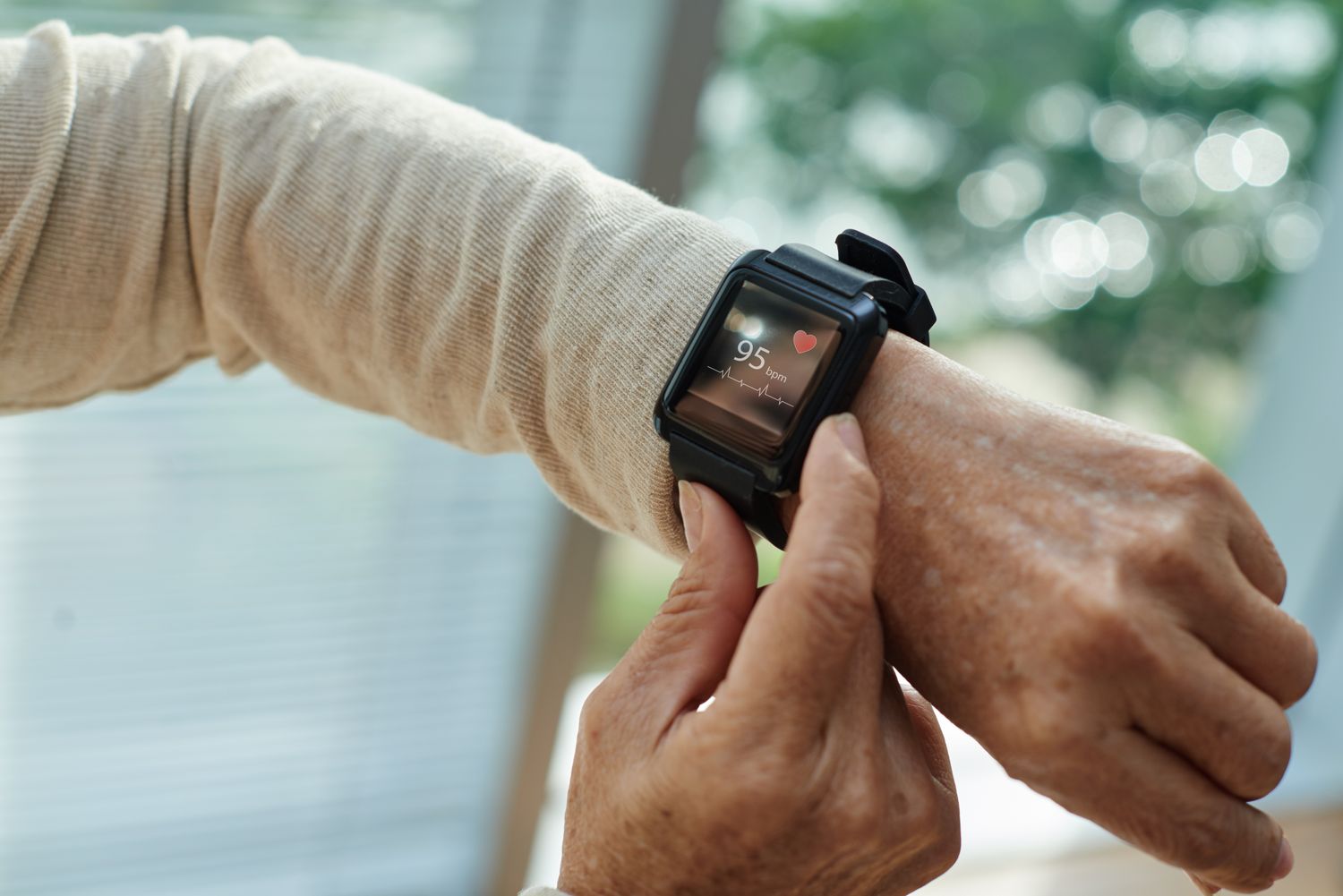
For those managing insulin-dependent diabetes, prescription systems remain the gold standard because they offer the best continuous glucose monitor for nighttime hypoglycemia alerts. These systems integrate with insulin pumps to create "closed-loop" environments. On the other side, OTC CGM vs prescription glucometer options like Dexcom Stelo or Abbott Lingo are designed for those with Type 2 diabetes not using insulin, or for health-conscious individuals interested in how sleep and stress affect their metabolism. We are also seeing a massive surge in CGM vs smartwatch glucose monitoring integration, where your watch acts as a secondary display for your sensor data via Bluetooth Low Energy, making monitoring as discreet as checking the time.
Lifestyle and Practicality: Wearability vs. Manual Testing
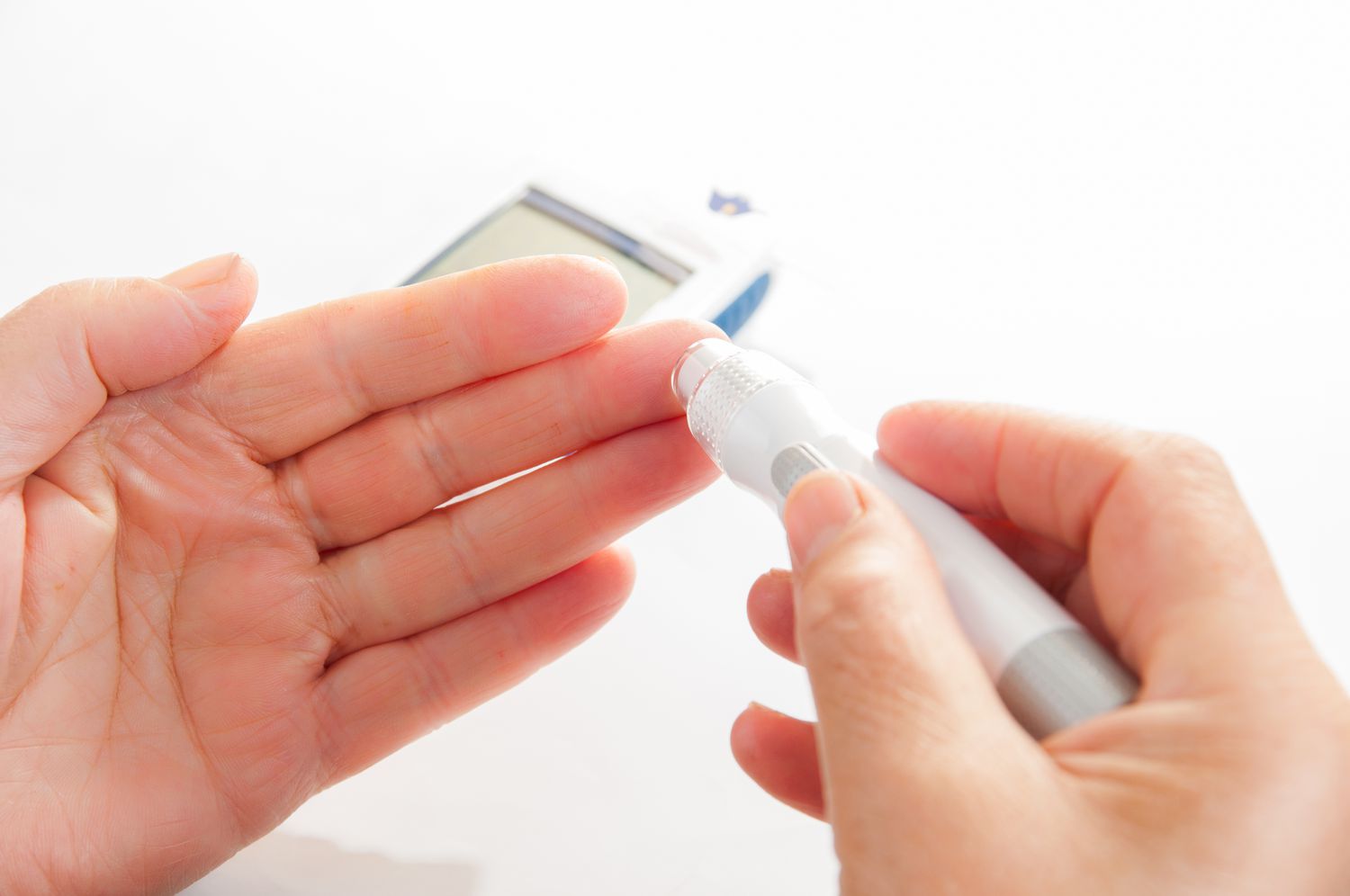
The physical experience of these two methods couldn't be more different. Traditional monitoring requires carrying a kit filled with lancets and test strips, finding a private place to test, and dealing with the cumulative soreness of repeated finger pricks. It is a manual, often intrusive process that many find difficult to maintain over the long term.
A CGM uses an adhesive skin patch that houses a tiny, flexible filament. Modern sensors have perfected CGM sensor wearability for swimming and active lifestyles, with many devices holding an IP38 rating, meaning they can withstand immersion in water. This makes them ideal for athletes or anyone with an active routine.
For those considering switching from finger sticks to CGM for type 2 diabetes management, the benefits extend beyond comfort. By seeing how specific foods impact your glycemic variability in real-time, you can make immediate dietary choices. A meta-analysis of randomized controlled trials demonstrated that CGM is more effective than traditional self-monitoring, reducing HbA1c by a mean difference of 0.25% in patients with type 2 diabetes.
Financial Breakdown: The True Cost of Monitoring
While the technology of a CGM is superior, the cost of CGM vs traditional blood glucose monitoring is still the deciding factor for many. While insurance coverage is expanding, many users still pay out-of-pocket for the convenience of continuous data.
| Feature | Traditional Glucometer | Continuous Glucose Monitor (CGM) |
|---|---|---|
| Upfront Cost | $20 - $50 (Meter) | $0 - $100 (Reader/App) |
| Monthly Supplies | $15 - $75 (Strips/Lancets) | $89 - $350 (Sensors) |
| Calibration | Manual for every result | Mostly factory-calibrated |
| Data Points | ~120 per month (4x daily) | ~8,640 per month (every 5 mins) |
| Alarms | None | High/Low/Urgent Low Alerts |
Many manufacturers now offer subscription models or discount coupons to make the monthly investment more manageable. For many, the "ROI" comes in the form of avoided complications and better daily energy levels.
Decision Framework: Which is Best for You?
Choosing your path requires a bit of self-reflection. Ask yourself the following:
- Do you frequently experience "lows" at night that you are unaware of?
- Is the pain or inconvenience of finger pricks preventing you from testing as often as your doctor recommends?
- Are you looking to understand how specific exercises or meals affect your sugar levels in real-time?
- Does your budget allow for a recurring monthly subscription, or do you prefer a pay-as-you-go approach?
For Type 1 diabetics and "brittle" Type 2 patients, a CGM is almost always the recommended choice for safety. For those focused on prediabetes monitoring or general wellness, an OTC CGM provides the most actionable data. However, even the most dedicated CGM users should keep a basic glucometer in their medicine cabinet for those moments when the sensor might fail or when they need to verify an extreme reading.
FAQ
What is the difference between a CGM and a glucometer?
A glucometer is a handheld device that measures blood sugar from a drop of blood at a specific moment. A CGM is a wearable sensor that stays on the body for 10 to 14 days, providing constant readings every few minutes without the need for manual finger pricks.
Is a CGM more accurate than a traditional finger-prick meter?
Both are considered accurate, but they measure different things. A glucometer measures capillary blood, which is the current gold standard for immediate accuracy. A CGM measures interstitial fluid, which has a slight lag time but provides a more comprehensive view of trends and patterns over time.
Can a CGM replace a glucometer entirely?
Not quite yet. While modern CGMs are highly reliable, you still need a glucometer to confirm readings if the sensor data doesn't match how you feel, if the sensor is in its first 24 hours of warm-up, or if you receive a critically high or low alert that requires immediate medical action.
How do the costs of CGMs compare to standard blood glucose monitors?
The cost of CGM vs traditional blood glucose monitoring is generally higher. Traditional testing costs between $15 and $75 per month for strips, while CGM sensors typically cost between $89 and $300 per month depending on the brand and insurance coverage.
How often do you need to calibrate a CGM with a glucometer?
Most 2026 models are factory-calibrated and require zero manual finger sticks for calibration. However, some older models or specific medical-grade sensors may still require one or two calibrations per day to ensure the MARD percentage remains within a safe range.