Quick Facts
- The Bottom Line: Traditional fingerstick testing generally maintains a slight edge in raw accuracy, particularly during rapid glucose fluctuations. While modern continuous glucose monitors (CGMs) offer high reliability and convenience, fingersticks remain the clinical standard for confirming readings when symptoms do not match sensor data.
- Accuracy Metric: Modern CGMs have achieved MARD scores as low as 7.9% and 8.2%, compared to a range of 5.6% to 20.8% for traditional finger-stick meters.
- Safety Advantage: CGMs are highly effective at identifying the 62.9% of hypoglycemic events typically missed by intermittent finger-sticks.
- Clinical Outcome: In a 12-month study, CGM usage was associated with a 15.2% greater improvement in Time in Range compared to traditional monitoring.
- HbA1c Impact: Clinical studies show that starting CGM therapy leads to an average HbA1c reduction of approximately 0.7% to 0.9% in patients with type 2 diabetes.
- The Gap: There is a natural physiological lag of 5 to 15 minutes between glucose levels in blood versus tissue fluid.
Traditional fingerstick testing generally maintains a slight edge in raw accuracy, particularly during rapid glucose fluctuations. While modern continuous glucose monitors (CGMs) offer high reliability and convenience, fingersticks remain the clinical standard for confirming readings when symptoms do not match sensor data or when immediate precision is required for treatment decisions. When debating CGM vs fingersticks, it is important to remember that they often work best as a team rather than as a total replacement for one another.
Snapshot vs. Video: How the Tech Differs
To understand the diabetes management device comparison between these two tools, think of a traditional glucose meter as a "snapshot" and a CGM as a "continuous video." When you use a traditional meter, you are measuring capillary glucose. This provides a single data point of exactly what your sugar level is at that specific second. It is precise, but it does not tell you if your sugar is screaming upward after a meal or plummeting during a walk.
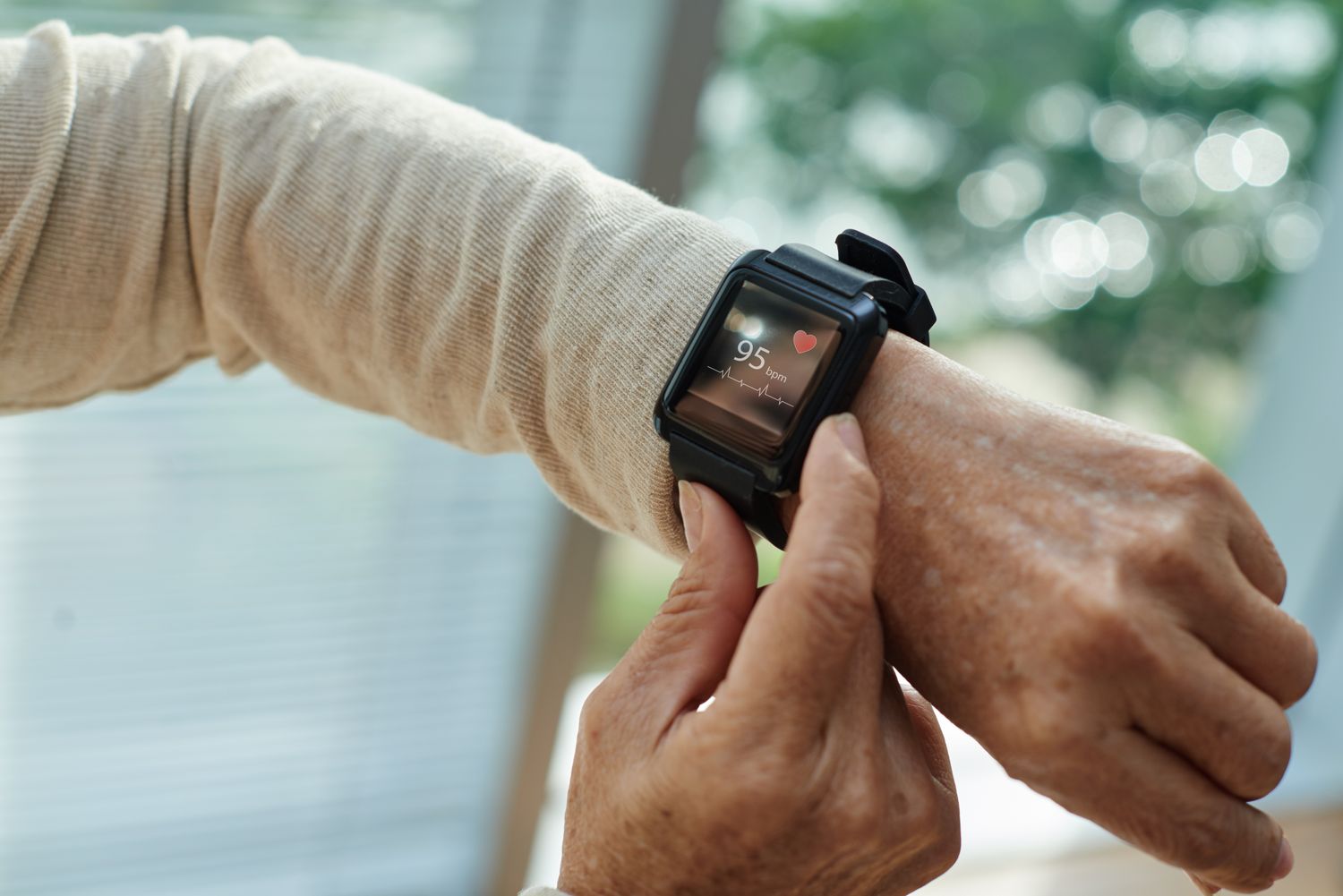
A continuous glucose monitor works differently. Instead of measuring blood, it uses a small sensor insertion site to reach the interstitial fluid—the fluid surrounding your cells. Because the sensor stays on your body for 10 to 14 days, it provides a constant stream of data. This allows you to see trend arrows that indicate the speed and direction of your sugar levels. This constant feedback helps users manage glycemic variability much more effectively than four or five isolated finger pricks a day.

The Accuracy Debate: MARD Scores vs. ISO Standards
When comparing traditional glucose meter accuracy vs CGM, we look at different sets of rules. Finger-stick meters must follow ISO 15197 standards, which require them to be within 15% of a lab value most of the time. CGMs, on the other hand, are measured by a MARD score (Mean Absolute Relative Difference). A lower MARD score means better accuracy.
Modern sensors have closed the gap significantly. For example, the Dexcom G7 and FreeStyle Libre 3 have MARD scores under 9%, which is incredibly close to the performance of high-end handheld meters. However, CGM vs fingerstick accuracy during rapid glucose changes remains a point of contention. Because the CGM is reading fluid rather than blood, its accuracy can dip slightly during intense exercise or immediately after a high-carb meal.
| Device Brand | Average MARD Score | Technology Type |
|---|---|---|
| Traditional Fingerstick | 5.6% - 20.8% | Capillary Blood |
| FreeStyle Libre 3 | 7.9% | Interstitial Fluid |
| Dexcom G7 | 8.2% | Interstitial Fluid |
| SIBIONICS GS1 | 8.9% | Interstitial Fluid |
While 99.3% of modern CGM readings fall within the "safe" zones of clinical error grids, the traditional meter is still the one doctors trust when a patient is in a crisis.
Understanding the Gap: Why Your Numbers Won't Match
One of the most common frustrations for new users is seeing different numbers on their CGM and their finger-stick meter at the same time. This is usually due to physiological lag. Because glucose travels from your blood into your tissues, the CGM is essentially reading "old news"—usually by about 5 to 15 minutes. Understanding glucose lag time between CGM and fingersticks can prevent a lot of unnecessary stress.
You might also encounter something called compression lows. This happens if you lay on your sensor while sleeping; the pressure pushes fluid away from the sensor, causing a false low-glucose alarm. If your CGM wakes you up with a scary number but you feel perfectly fine, this is exactly what to do when CGM and fingerstick readings don't match: check your blood with a traditional meter. Furthermore, some devices still require you to learn how to calibrate CGM with a traditional glucose meter by manually entering a finger-stick value to keep the sensor on track.
Lifestyle and Cost: Choosing the Right Tool
The continuous glucose monitor benefits and drawbacks often come down to lifestyle and budget. A CGM offers incredible freedom. Features like waterproofing and automatic data synchronization with your phone mean you can live an active life without carrying a pouch of lancets and strips everywhere. For many, the advantages of CGM for increasing time in range are worth the investment because the device provides hypoglycemia alerts that can literally save lives.
However, the cost comparison CGM vs fingersticks for daily use is a significant factor. While finger-stick supplies are relatively inexpensive, CGM sensors can be costly if they aren't covered by insurance. There is also the physical aspect—some people experience skin irritation from the sensor adhesive, whereas others find the constant data stream leads to "information overload."
When to Trust Your Finger-Stick: A Safety Guide
Despite the brilliance of modern sensors, the finger-stick is not going away. It remains the gold standard for safety. There are specific times when you must ignore the sensor and reach for your lancing device to ensure you are making the right treatment decisions.
Safety Checklist: Use a Finger-Stick When...
- You are in the first 24 hours of a new sensor (the "warm-up" period).
- Your symptoms (shaking, sweating, confusion) do not match the number on the screen.
- The CGM shows a rapid drop or rise that seems unlikely.
- You need to confirm a reading before taking a significant dose of insulin.
- The sensor displays a "Sensor Error" or "Signal Loss" message.
FAQ
Is a CGM more accurate than fingersticks?
In terms of raw, point-in-time precision, fingersticks are generally more accurate because they measure blood directly. However, CGMs are better at showing trends and the overall direction of your glucose, which provides a more complete picture of your health.
Do I still need to do fingersticks if I have a CGM?
Yes. While you will do them much less frequently, fingersticks are still required for calibrating some sensors, confirming "lows" or "highs" before treatment, and troubleshooting when the sensor readings don't match how you feel.
Why are CGM readings different from fingerstick results?
The primary reason is physiological lag. A fingerstick measures glucose in your blood, while a CGM measures it in the fluid around your cells. It takes time for glucose to move from the blood to that fluid, so the CGM is usually about 10 to 15 minutes behind the meter.
When should you rely on a fingerstick over a CGM reading?
You should rely on a fingerstick if you feel symptoms of hypoglycemia (low blood sugar) but the CGM shows you are in range, or if the CGM is fluctuating rapidly. Always trust the fingerstick if the two devices show a significant discrepancy during a time when you need to make a treatment decision.
Are fingersticks more reliable than CGM for detecting hypoglycemia?
Yes, for immediate detection. Because of the lag time in interstitial fluid, a CGM might not alert you to a rapid drop in blood sugar until a few minutes after it has happened in the blood. For confirming a dangerous low, the capillary blood measured by a fingerstick is the most reliable source.
Finding Your Balance
Choosing between these technologies doesn't have to be an "either-or" decision. Most successful diabetes management plans use a combination of both. The CGM provides the big-picture data needed to improve your A1c correlation and increase your time in range, while the traditional meter provides the safety net you need for high-stakes moments.
If you are tired of the constant "test fatigue" of manual pricking, a CGM is a life-changing tool. However, always keep your traditional meter in your kit—it remains your most trusted ally when precision is the only thing that matters. Consult with your healthcare provider to see which combination of tools fits your specific type of diabetes and your daily lifestyle.