Quick Facts
- Calibration Period: Users must recalibrate their device every 28 days using a traditional medical cuff to maintain data integrity.
- Accuracy Gap: Research shows accuracy can drop by 3.4 to 5.1 mmHg for every 10 mmHg the actual pressure deviates from the baseline calibration.
- The False Negative Risk: Current wearable technology may miss approximately 59% of undiagnosed hypertension cases, according to recent validation studies.
- Best Use Case: These devices are most effective for detecting nocturnal non-dipping patterns during sleep rather than spot-checking for clinical diagnosis.
- FDA Status: Many features, including the recently cleared Apple Watch hypertension notifications, are intended for pattern detection rather than providing a diagnostic measurement.
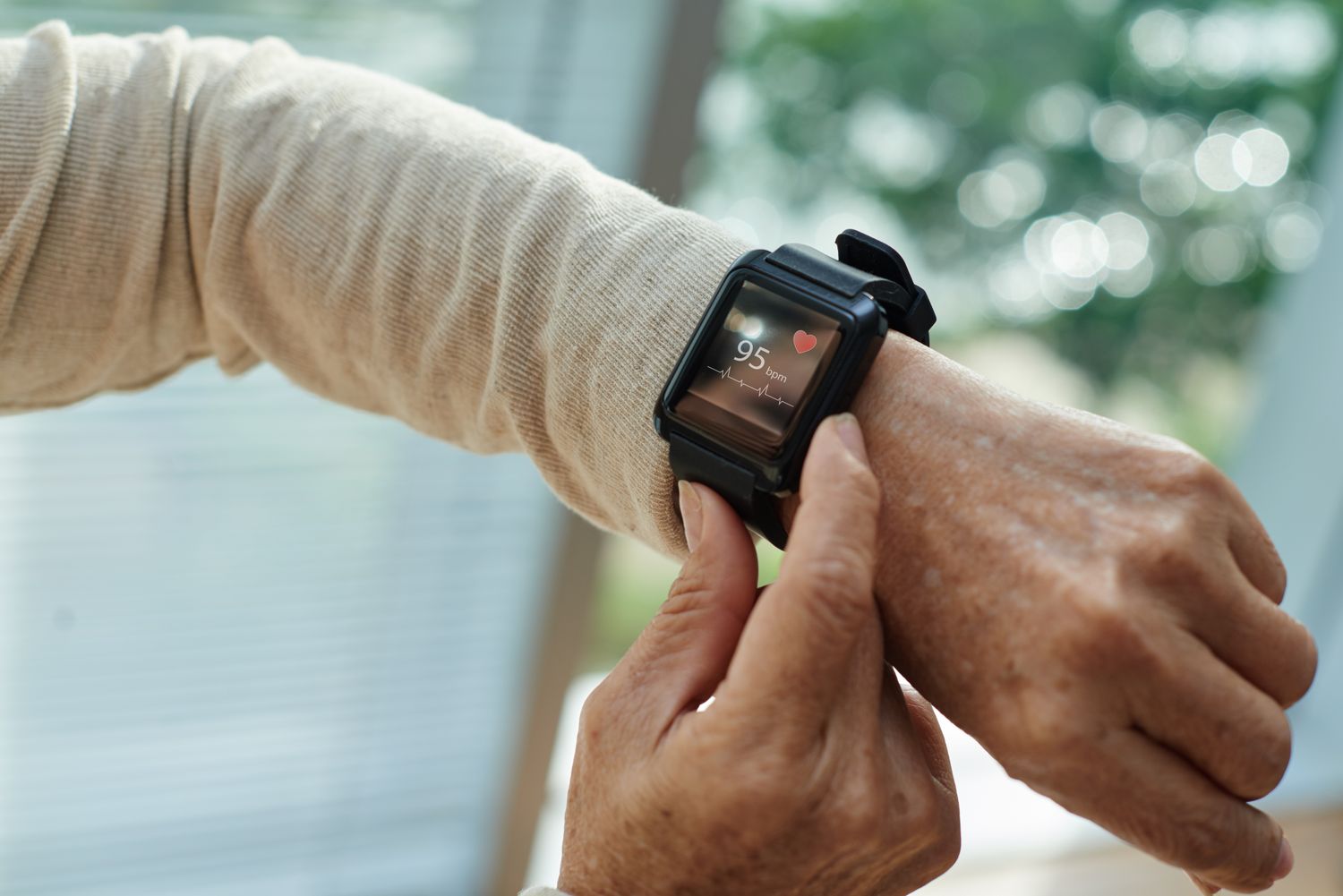
As wearable technology evolves, the blood pressure smartwatch has become a popular tool for heart health. However, the truth about optical sensor blood pressure accuracy is complex. While recent FDA clearances mark a milestone, these devices are primarily for tracking trends rather than clinical diagnosis. Most blood pressure smartwatch models use optical sensors to monitor trends rather than providing absolute clinical readings, making them supplemental tools rather than replacements for a medical-grade cuff.
How It Works: PPG vs. PTT Technology
To understand the reliability of a blood pressure smartwatch, we first need to pull back the curtain on how these devices actually see your blood. Unlike the traditional oscillometric method used by a manual blood pressure cuff, which physically restricts blood flow with an inflatable bladder, your watch is essentially playing a game of light and timing.
Most modern wearables rely on Photoplethysmography (PPG). This involves shining a green or infrared light into the skin and measuring the amount of light reflected back. As your heart beats, the volume of blood in your wrist changes, which in turn changes the light absorption. To turn this light data into blood pressure numbers, the watch often uses Pulse Transit Time (PTT). PTT measures the time it takes for a pulse wave to travel between two points—for example, from your heart to your wrist. If your arteries are stiffer or your blood pressure is higher, that pulse wave moves faster.
Some higher-end sensors have begun incorporating Pulse Wave Analysis (PWA) to look at the specific shape of the pulse wave. While this adds a layer of sophistication, the core challenge remains: the watch is estimating pressure based on light and movement, whereas a medical cuff is measuring actual physical force. This is why optical sensor blood pressure accuracy is often viewed as a secondary metric by cardiologists.

The Calibration Reality: Why Your Watch 'Drifts'
The most important thing to know about owning a blood pressure smartwatch is that it is not a set-it-and-forget-it device. To maintain any semblance of reliability, the device must be anchored to a gold standard. This is the smartwatch vs manual blood pressure cuff dilemma.
Most manufacturers require a 28-day calibration cycle. During this process, you take a reading with a traditional arm cuff and manually enter those Systolic and Diastolic levels into your watch's app. The watch then uses those numbers as a baseline. However, as time passes, a phenomenon known as Sensor drift over time occurs. This happens because the mathematical model the watch uses to estimate your pressure begins to lose its alignment with your actual physiology.
One recent study on smartwatch-based blood pressure monitoring found that differences in systolic readings become statistically significant as early as 15 days after the initial calibration. This highlights why cuff-calibrated vs calibration-free blood pressure smartwatches are a major topic of debate. While calibration-free models are more convenient, they often lack the personalized baseline needed to account for individual arterial stiffness, making them less reliable for long-term Hypertension management. If you are wondering how to calibrate smartwatch for blood pressure accuracy, the answer is always to follow the manufacturer's specific app prompts while remaining perfectly still.
Accuracy Challenges: Tattoos, Skin, and Demographics
While the technology is impressive, it is not universal. Several physical factors can interfere with how these sensors read your vitals. Because PPG relies on light, anything that blocks or scatters that light can lead to an error.
- Physical Obstructions: Deep-ink tattoos at the wrist can absorb the sensor's light, often leading to failed readings or significant inaccuracies.
- Skin Tone and Perfusion: Significant research is ongoing regarding how skin melanin levels affect PPG sensors, as darker skin can sometimes absorb more light, potentially requiring sensor adjustments.
- Motion and Tremors: Because the sensors are highly sensitive, even micro-movements or conditions like Parkinson’s tremors can create motion artifacts that skew the data.
There is also a demographic nuance to consider. Clinical validation studies have shown that accuracy can vary by age. In some tests, the probability of an accurate reading was significantly lower for users under 30 compared to those over 60. This is partly because older individuals often have higher baseline blood pressure and different levels of arterial stiffness, which the current algorithms might be better tuned to detect.
However, the risk of false negatives remains the biggest hurdle for clinical adoption. Data shows that approximately 59% of individuals with undiagnosed hypertension would not receive an alert from current notification features. Conversely, about 8% of people without the condition might receive a false alert, leading to unnecessary anxiety.
| Feature | Medical-Grade Cuff | Blood Pressure Smartwatch |
|---|---|---|
| Primary Method | Oscillometric (Air Pressure) | PPG / PTT (Optical Sensors) |
| Clinical Goal | Diagnosis & Medical Management | Trend Tracking & Awareness |
| Calibration | Factory Calibrated | Every 28 Days with a Cuff |
| Accuracy | High (Gold Standard) | Variable (Subject to Drift) |
| Convenience | Low (Bulky, Requires Sitting) | High (Passive Monitoring) |
Best Practices for Tracking Hypertension at Home
If you plan to use a blood pressure smartwatch as part of your health routine, you must treat it with the same discipline as a medical device. You cannot simply take a reading while walking or after a stressful meeting and expect medical-grade precision.
The best smartwatches for tracking hypertension at home in 2026 are those that emphasize user education and proper positioning. To get the best results, you should be seated quietly with your back supported and your feet flat on the floor. Most importantly, the watch must be held at heart level. If your arm is hanging by your side or raised too high, gravity will alter the pressure at your wrist, leading to a useless reading.
You should also avoid caffeine, alcohol, or intense exercise for at least 30 minutes before testing. One of the primary benefits of these wearables is Ambulatory monitoring, particularly the ability to track your heart health while you sleep. Nocturnal monitoring can identify a lack of dipping in blood pressure at night, which is a significant biomarker for cardiovascular risk that a single doctor's office visit might miss.
As we look toward the future of medically validated blood pressure smartwatches 2026, the industry is moving closer to seamless integration. For now, the consensus among experts is clear: use the watch to spot trends, but always verify the numbers with a manual cuff before making any changes to your medication or lifestyle.
FAQ
How accurate are smartwatches for measuring blood pressure?
Smartwatches are generally less accurate than medical-grade arm cuffs and are designed to track trends rather than provide diagnostic readings. Their accuracy is highly dependent on regular calibration and can be affected by sensor drift and motion.
Do blood pressure smartwatches require a cuff?
Most current models require a traditional upper-arm blood pressure cuff for initial and monthly calibration. The watch uses the cuff's data to establish a baseline for its optical sensor calculations.
Are blood pressure watches FDA approved?
The term usually applied is cleared rather than approved. For instance, the Apple Watch Hypertension Notifications Feature recently received FDA clearance as a tool to detect patterns suggestive of hypertension, though it is not intended for clinical diagnosis.
Do you need to calibrate a blood pressure watch with a medical monitor?
Yes, most models, including the Samsung Galaxy series, require you to calibrate the device every 28 days using a validated medical monitor to ensure the optical sensors haven't drifted too far from your actual pressure levels. If you are wondering how often to recalibrate samsung blood pressure watch, the 28-day mark is the standard recommendation.
Which smartwatches have built-in blood pressure monitoring?
As of 2024 and 2025, several models from Samsung, Huawei, and specialized brands like Omron (with their HeartGuide) offer built-in monitoring. Many other popular wearables, like the Apple Watch, focus on hypertension risk notifications rather than on-demand blood pressure measurement.
Editor's Note: While blood pressure smartwatch technology is a powerful tool for awareness, it should never replace professional medical advice. Always consult with a healthcare provider before making clinical decisions based on wearable data.