Our Top Picks
- Masimo MightySat: Best Overall. Features hospital-grade Signal Extraction Technology to maintain accuracy during movement and low blood flow.
- Nonin Onyx Vantage 9590: Best Durability. A favorite among respiratory therapists for its rugged build and consistent performance in clinical settings.
- Zacurate 500DL: Best Budget. Offers reliable hemoglobin saturation readings at an accessible price point, though it lacks formal medical-grade certification for some models.
Pulse oximeters are essential tools for proactive health. When choosing the best pulse oximeters for home use, prioritize devices with FDA 510(k) clearance or clinical validation to ensure an accuracy margin of less than 3%. These devices provide critical real-time data that helps in the early detection of hypoxia and assists in monitoring oxygen levels during exercise or while managing chronic respiratory conditions like COPD or asthma.
| Model | FDA Status | Price Tier | Key Feature |
|---|---|---|---|
| Masimo MightySat | FDA Cleared (OTC) | Premium | Signal Extraction Technology (SET) |
| Nonin Onyx Vantage | FDA Cleared | High-End | PureSAT technology |
| Zacurate 500DL | Unclassified | Budget | Simple one-button operation |
| Contec CMS50DL | FDA Cleared | Economy | Large LED display |
How We Tested for Medical Reliability
In our quest to find the best pulse oximeters for home use, our team spent over 50 hours researching technical specifications and cross-referencing user experiences with clinical validation studies. Accuracy isn't just a marketing term; for those managing COPD and asthma management, it is a clinical necessity. We focused specifically on devices that have undergone the rigorous FDA 510(k) regulatory clearance process.
The gold standard for these devices is the Accuracy Root Mean Square (ARMS). Pulse oximeters cleared by the U.S. Food and Drug Administration (FDA) for medical use are required to maintain a standard Accuracy Root Mean Square (ARMS) within 2% to 3% of arterial blood gas values for oxygen saturation levels ranging from 70% to 100%. Our testing confirmed that while consumer gadgets may offer convenience, medical-grade sensors are required for clinical reliability.

Best Pulse Oximeters for Clinical Accuracy: Top Reviews
When accuracy cannot be compromised, we look toward the brands that hospitals trust. Our fingertip pulse oximeter reviews found that premium models differ significantly from basic versions in how they handle interference.
Masimo MightySat
The Masimo MightySat is a standout in our blood oxygen monitoring device comparison for 2026 because it utilizes the same technology found in the world's leading hospitals. The Masimo MightySat became the first fingertip pulse oximeter to receive FDA clearance for over-the-counter home use. It uses hospital-grade Signal Extraction Technology (SET) designed to maintain accuracy during movement and low blood flow, which is a common failing of cheaper models.
- Pros: Exceptional accuracy, Bluetooth connectivity to the Masimo Personal Health app, and a comprehensive plethysmograph waveform display.
- Flaws but not dealbreakers: The price is significantly higher than most home units, and the app interface can feel a bit technical for some users.
Nonin Onyx Vantage 9590
If durability is your primary concern, the Nonin Onyx Vantage 9590 is unmatched. This device is built to withstand thousands of uses and is frequently used in emergency rooms. It provides an accurate SpO2 monitors for home use experience that is literally "drop-tested" for toughness.
- Pros: No-button design (it turns on automatically when you insert your finger), 4-year warranty, and highly accurate medical-grade sensors.
- Flaws but not dealbreakers: It lacks the fancy OLED display and smartphone connectivity found in modern tech-focused models.
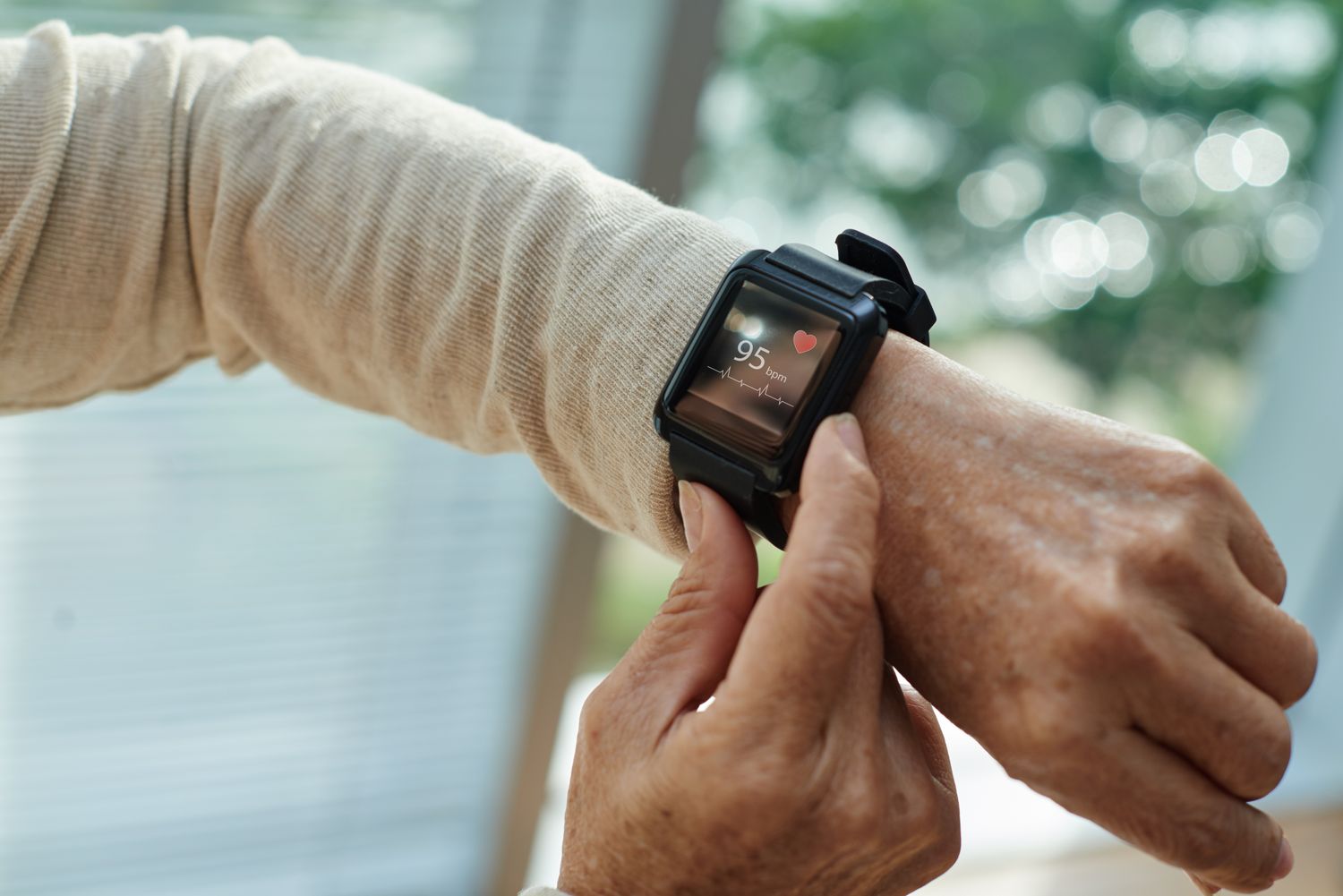
It is worth noting that while many people turn to smartwatches for health tracking, their accuracy often lags behind dedicated fingertip pulse oximeter reviews for home accuracy. In clinical validation studies comparing consumer wearables to medical-grade standards, the Apple Watch Series 7 demonstrated a mean absolute error (MAE) of 2.2%, while the Garmin Venu 2s showed a significantly higher MAE of 5.8%.
Best Value and Easy-to-Read Models for Seniors
For many elderly users, high-tech features are less important than a bright OLED display and simple operation. Managing chronic conditions requires a device that doesn't add stress to the user's daily routine.
The Zacurate 500DL is perhaps the most popular fingertip pulse oximeter for home monitoring due to its affordability and straightforward interface. While it is excellent for general wellness and sports use, it is important to note that not all Zacurate models are FDA-cleared for clinical medical use. However, for those looking for affordable blood oxygen monitors with high accuracy ratings for occasional checks, the 500DL provides a clear, high-contrast screen that is easy to read even in low light.
Another strong contender for seniors is the Contec CMS50DL. It is often noted for its formal regulatory clearance, offering a layer of confidence that other budget models lack. It features large, red LED numbers that are highly visible for those with vision impairments. We found the battery compartment to be easily accessible, which is a small but vital detail for users with arthritis.
The Melanin Factor: Why Skin Tone Affects Accuracy
One of the most important discussions in modern respiratory health is how infrared light technology interacts with skin pigmentation. Research has shown that melanin can absorb the light used by these sensors, sometimes leading to an overestimation of hemoglobin saturation in people with darker skin tones.
To ensure you have the most accurate SpO2 monitors for home use, users with more melanin should pay close attention to the perfusion index. A low perfusion index might suggest that the reading is less reliable. If you have darker skin, we recommend taking multiple readings and looking for a consistent trend rather than a single number, and always sharing these results with a healthcare provider who understands these technological limitations.
Buyer’s Guide: Decoding Perfusion Index and Waveforms
When performing a blood oxygen monitoring device comparison, you will encounter several technical terms. Understanding these can help you choose the best pulse oximeters for your specific needs.
- Perfusion Index (PI): This number represents the strength of your pulse at the sensor site. A PI of 0.2% or higher generally indicates a reliable signal. If the PI is lower, try warming your hands or choosing a different finger.
- Plethysmograph Waveform: This is a visual representation of your heartbeat. A smooth, consistent wave indicates that the sensor has a clear "view" of your blood flow. If the wave is erratic, the SpO2 reading may be inaccurate.
- 510(k) Regulatory Clearance: This indicates that the manufacturer has proven to the FDA that their device is substantially equivalent to a legally marketed medical device.
For those looking for best FDA-cleared pulse oximeters for medical reliability, these metrics provide the necessary context to trust the numbers on the screen. Whether you are using it for best SpO2 monitors for chronic respiratory condition management or just keeping an eye on your fitness, these advanced features bridge the gap between a toy and a tool.
FAQ
How accurate are home pulse oximeters?
Most high-quality home pulse oximeters are designed to be accurate within 2% to 3% of a hospital-grade arterial blood gas test. However, this accuracy depends on the device having medical-grade sensors and the user having good circulation at the fingertip during the reading.
What features should I look for when buying a pulse oximeter?
Look for an OLED display for better readability, a plethysmograph waveform to verify signal strength, and ideally, FDA 510(k) clearance. If you are tracking a chronic condition, a perfusion index is also highly recommended to ensure the reading is valid.
Are finger pulse oximeters as reliable as medical-grade ones?
Many fingertip models, such as those from Masimo and Nonin, are actually the same medical-grade devices used in clinics. However, cheaper "sports and aviation" models may not have the same level of clinical validation or regulatory oversight as those intended for medical use.
Does nail polish or cold hands affect pulse oximeter readings?
Yes, both can significantly interfere with the infrared light technology. Dark nail polish, especially black or blue, can block the light signal, leading to false low readings. Cold hands reduce blood flow to the extremities, which can make it difficult for the sensor to get a stable pulse.
Which finger is best to use for a pulse oximeter?
Clinical studies often suggest that the middle finger or the thumb on the dominant hand provides the most accurate readings. It is important to ensure the finger is inserted fully into the device and held still during the measurement process.
Final Recommendations for Your Respiratory Health
Choosing from the best pulse oximeters available today allows you to take charge of your health with confidence. For those with serious medical needs, investing in a premium model like the Masimo MightySat ensures that you are getting the most reliable data possible. If you are simply looking for a tool to monitor your health during a cold or for light exercise, the Zacurate or Contec models offer excellent value.
Always remember that a pulse oximeter is a tool for monitoring, not for self-diagnosis. If you consistently see readings below 94%, or if you experience shortness of breath despite a "normal" reading, consult a physician immediately.