Quick Facts
- Protein Threshold: A minimum of 15g of protein per bar is required to effectively support muscle protein synthesis.
- The 1:10 Rule: Aim for a protein-to-calorie ratio of at least 1:10 for snacks (e.g., 20g protein for 200 calories) and 1:5 for meal replacements.
- Sugar Limit: Seek out bars with less than 5g of added sugar to prevent insulin spikes and support weight management.
- Fiber Goal: Look for at least 3g of fiber to improve satiety levels and slow the digestion of carbohydrates.
- Protein Quality: Prioritize Whey protein isolate or Pea protein for high Bioavailability and a complete amino acid profile.
- Red Flags: Avoid products containing Maltitol or high-fructose corn syrup, which can lead to gastrointestinal distress and poor Glycemic index control.
To choose the best healthy protein bars, you should evaluate the protein-to-calorie ratio, ensuring at least 1 gram of protein for every 10 calories, and prioritize high-quality sources like Whey protein isolate for maximum Bioavailability. Selecting bars with significant fiber content and minimal added sugars will help maintain a stable Glycemic index and ensure your choice supports your specific fitness outcomes rather than acting as a glorified candy bar.
How to Read Protein Bar Labels Like a Dietitian
When you step into the nutrition aisle, the front of the packaging is designed to sell, but the back of the label is designed to inform. To understand how to choose a protein bar with the best protein to calorie ratio, you must start with the ingredient list. Not all protein is created equal. The hierarchy begins with Whey protein isolate, which offers the highest Bioavailability and rapid absorption, followed by milk protein isolates and high-quality plant-based options like Pea protein.
A professional approach to label reading involves checking for ingredient transparency. If the protein source is listed as a "blend" without specifying the amounts, or if the first ingredient is a sweetener or a filler, the bar's Macro-nutrient balance is likely compromised. Nutritionists recommend selecting protein bars with a protein-to-calorie ratio of at least 1:10 for snacks and 1:5 for meal replacements to ensure high protein density relative to total energy intake.
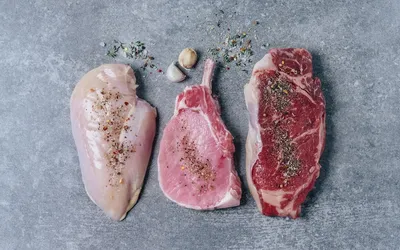
You should also use a Whole Food Benchmark. Compare the bar to a standard whole-food source, such as a large egg or a piece of grilled chicken. If the bar has double the calories of an egg but the same amount of protein, you are consuming unnecessary fillers.
| Metric | High-Quality Bar | "Candy Bar" in Disguise | Whole Food Benchmark (Chicken Breast) |
|---|---|---|---|
| Primary Protein | Whey protein isolate | Soy nuggets / Collagen | Lean Animal Protein |
| Protein:Calorie Ratio | 1:10 (e.g., 20g per 200kcal) | 1:20 (e.g., 10g per 200kcal) | 1:4 (e.g., 31g per 130kcal) |
| Fiber Content | 3g - 8g | <1g | 0g (Pair with greens) |
| Sugar Alcohols | Low (Stevia/Monk Fruit) | High (Maltitol) | 0g |

Best Protein Bars for Weight Loss and Satiety
For those focusing on fat loss, the priority shifts toward high fiber protein bars that manage hunger without overshooting your daily caloric ceiling. Satiety levels are heavily influenced by the combination of protein and fiber. Fiber slows down gastric emptying, which means the energy from the bar is released slowly into your bloodstream. This prevents the "crash and crave" cycle associated with high-sugar snacks.
When searching for the best protein bars for weight loss and satiety, you should focus on the concept of Net carbohydrates. This is calculated by subtracting fiber and certain non-impact sweeteners from the total carbohydrate count. Low sugar protein bars that keep Net carbohydrates under 15g are generally more effective for maintaining a steady Glycemic index.
If you are following a ketogenic protocol, look specifically for low carb protein bars for keto diet snack options. These bars often incorporate healthy fats, such as almond butter or MCT oil, to provide sustained fuel while keeping insulin levels low. However, be wary of the total caloric load; even healthy protein bars can stall weight loss if they are too calorie-dense for your current activity level.

High Protein Bars for Muscle Building and Recovery
If your goal is hypertrophy or recovering from intense bouts of strength training, your requirements are different. You need high protein bars for muscle building and recovery that provide a robust amino acid profile, particularly the branched-chain amino acids (BCAAs) like Leucine, which triggers muscle repair.
Research suggests that the optimal amount of protein for post-workout muscle repair is approximately 30 grams, as consuming higher amounts in a single sitting may not provide additional muscle-building benefits. For Post-workout recovery, the speed of absorption matters. This is where Whey protein isolate shines. It enters the bloodstream faster than casein or most plant proteins, delivering the necessary building blocks to your muscles during the critical recovery window.
In a muscle-building phase, a slightly higher calorie density is often beneficial. Look for bars that offer a 2:1 or 1:1 carb-to-protein ratio. The carbohydrates serve to replenish muscle glycogen stores that were depleted during your session, while the protein focuses on structural repair. This dual-action approach ensures you are not just "snacking," but actively fueling your next performance.
Clean Ingredients: Avoiding the 'Candy Bar' Trap
The most common pitfall in the supplement industry is the "candy bar in a wrapper" syndrome. A nutritional analysis of 50 best-selling protein bars found that only 66% meet the 'high protein' criteria of providing at least 20% of the daily value, and only 28% are classified as low in total sugar. To avoid this, you must prioritize healthy protein bars with clean ingredients and no artificial sweeteners.
One of the biggest culprits in modern bars is the use of Sugar alcohols like Maltitol. While they lower the calorie count on paper, they are notorious for causing bloating, gas, and digestive discomfort. Furthermore, they can still elicit a partial insulin response, which may interfere with fat burning. Opting for natural sweeteners like Stevia, Monk Fruit, or small amounts of honey is often better for gut health.
Beyond the protein, look for Micronutrient density. Does the bar offer vitamins, minerals, or antioxidants? Or is it filled with palm oil, soy lecithin, and artificial flavors? Truly healthy protein bars use whole-food components like seeds, nuts, and real fruit pieces to provide a more complete nutritional profile.
- Whey Protein Pros: Highest Bioavailability, fast-acting, rich in Leucine.
- Whey Protein Cons: Not suitable for dairy-sensitive individuals; some brands use low-quality concentrates.
- Plant-Based Pros: High in fiber, sustainable, easier on the environment.
- Plant-Based Cons: Often requires a blend (e.g., Pea protein and Rice protein) to achieve a full amino acid profile.

FAQ
Are protein bars actually healthy for you?
Protein bars can be healthy if used as a targeted supplement to a diet based on whole foods. They provide a convenient way to meet increased protein requirements, especially for athletes. However, many bars on the market are highly processed and contain as much sugar as traditional confectionery, so healthiness depends entirely on the specific Macro-nutrient balance and ingredient list of the brand you choose.
What should I look for in a healthy protein bar?
You should look for a minimum of 15g of protein, at least 3g of fiber, and less than 5g of added sugar. Prioritize bars that use high-quality protein sources like Whey protein isolate or Pea protein. Additionally, check for a clean ingredient list with minimal artificial additives and a protein-to-calorie ratio of 1:10 or better.
Are protein bars good for weight loss?
They can be an effective tool for weight loss because the high protein and fiber content increase Satiety levels, helping you stay full longer and reducing the urge to graze on high-calorie snacks. When used as a portion-controlled replacement for a less nutritious snack, low sugar protein bars can help maintain the caloric deficit necessary for fat loss.
What ingredients should I avoid in protein bars?
Avoid bars that list high-fructose corn syrup, fractionated palm oil, or excessive amounts of Sugar alcohols like Maltitol, which can cause digestive issues. You should also be cautious of products where the primary protein source is "collagen," as it lacks the complete amino acid profile needed for muscle repair compared to whey or pea protein.
When is the best time to eat a protein bar?
The best time depends on your goal. For Post-workout recovery, consuming a bar within 30 to 60 minutes after exercise provides the amino acids needed for muscle repair. As a snack, a bar is best eaten mid-morning or mid-afternoon to stabilize blood sugar and prevent overeating during your next main meal.
The Final Verdict
Protein bars are tools, not total meal replacements. In my experience as a performance editor, the most successful athletes use these products strategically—to bridge the gap between training sessions or to ensure they hit their macros on a busy day. They should never replace the Micronutrient density found in whole, unprocessed foods.
Before you make your next purchase, take ten seconds to run the numbers. Is the protein-to-calorie ratio hitting that 1:10 mark? Is the protein source actually going to support your recovery, or is it just filler? By choosing healthy protein bars that align with your physiological needs, you turn a simple snack into a performance-enhancing protocol.