Quick Facts
- Top Wearable: Oura Ring 4 ($349) for seamless lifestyle integration and accuracy.
- Top for Athletes: WHOOP 5.0 ($359/year) for high-fidelity recovery and strain metrics.
- Best Non-Wearable: Withings Sleep Analyzer for medical-grade sleep apnea detection.
- Best Smart Surface: Simba Hybrid Ultra (£1,999) featuring AI-integrated comfort and support.
- Key Technology: Multi-sensor fusion combining Photoplethysmography (PPG) and Oxygen saturation (SpO2).
- Market Trend: The AI-powered sleep market is worth $13.6 billion in 2025, driven by demand for personalized recovery.
Leading AI sleep trackers in 2025 include wearable devices like the Oura Ring Gen4 and WHOOP 5.0, which monitor heart rate variability (HRV), skin temperature, and sleep architecture. These tools use machine learning to interpret biometric data, offering personalized recommendations to improve rest and athletic recovery.
The Evolution of Rest: Why AI Sleep Trackers Matter in 2025
The definition of a good night of sleep has shifted from a passive state of unconsciousness to an active window for biological optimization. As an editor specializing in longevity, I have watched the market transform from simple step counters to sophisticated labs on the wrist or under the sheets. The global AI-powered sleep technologies market is valued at $13.6 billion in 2025, and it is clear why: AI-enabled trackers now account for an estimated 48.3% of the sector because they move beyond raw data.
In the past, we were given charts showing when we moved or when our heart rate spiked. Today, the best AI sleep trackers for deep recovery 2025 utilize neural networks to analyze biometric sleep data insights such as the relationship between your resting heart rate and your previous day's cognitive load. We are seeing a move toward AI sleep coaching apps for circadian rhythm that act as digital biohacking consultants, telling you exactly when to dim your lights or time your last dose of magnesium based on your unique Chronotype. This transition from "tracking" to "hacking" is what separates modern tools from the gadgets of five years ago.
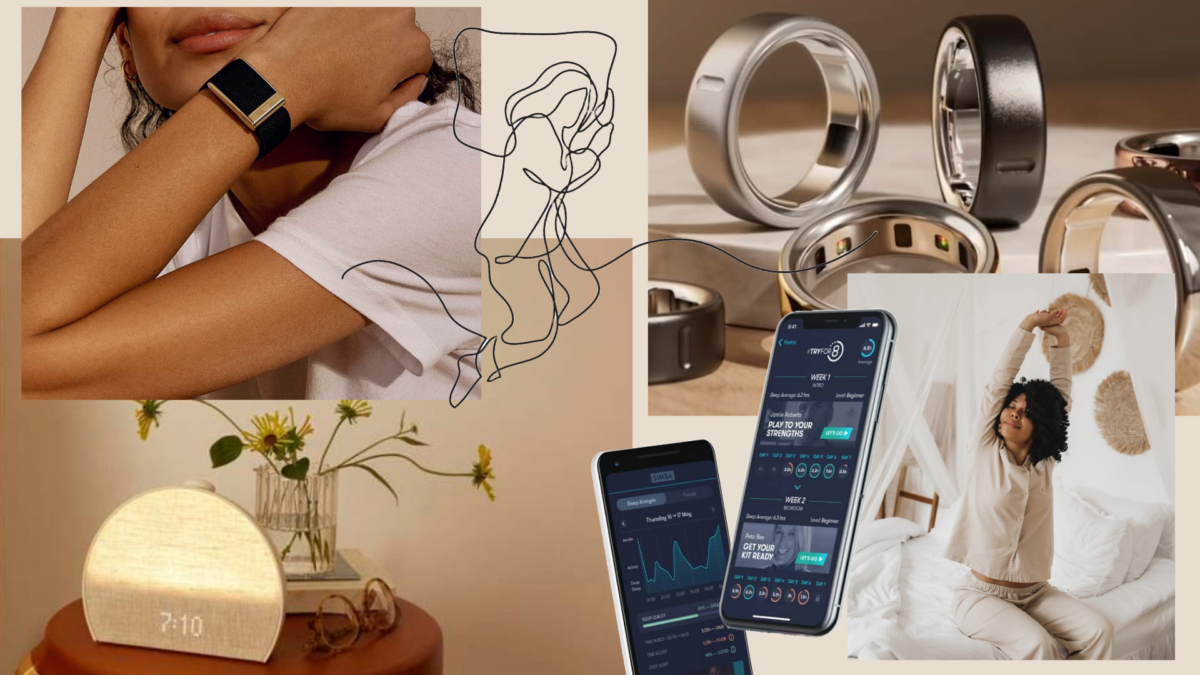
Best Wearable AI Trackers: WHOOP vs Oura Ring for Sleep Insights
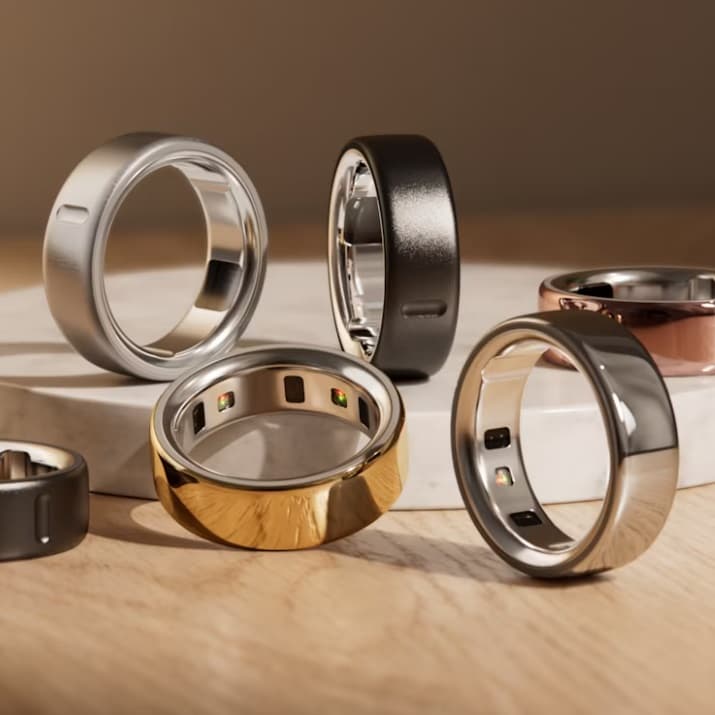
When we look at wearable AI sleep trackers, the competition is largely a battle of form factors and philosophies. The Oura Ring 4 remains the gold standard for those who want professional-grade insights without the aesthetic of a fitness tracker. Its use of recessed sensors and sophisticated Photoplethysmography (PPG) allows it to maintain a high level of contact with the finger, which is one of the most reliable sites for capturing blood flow data.
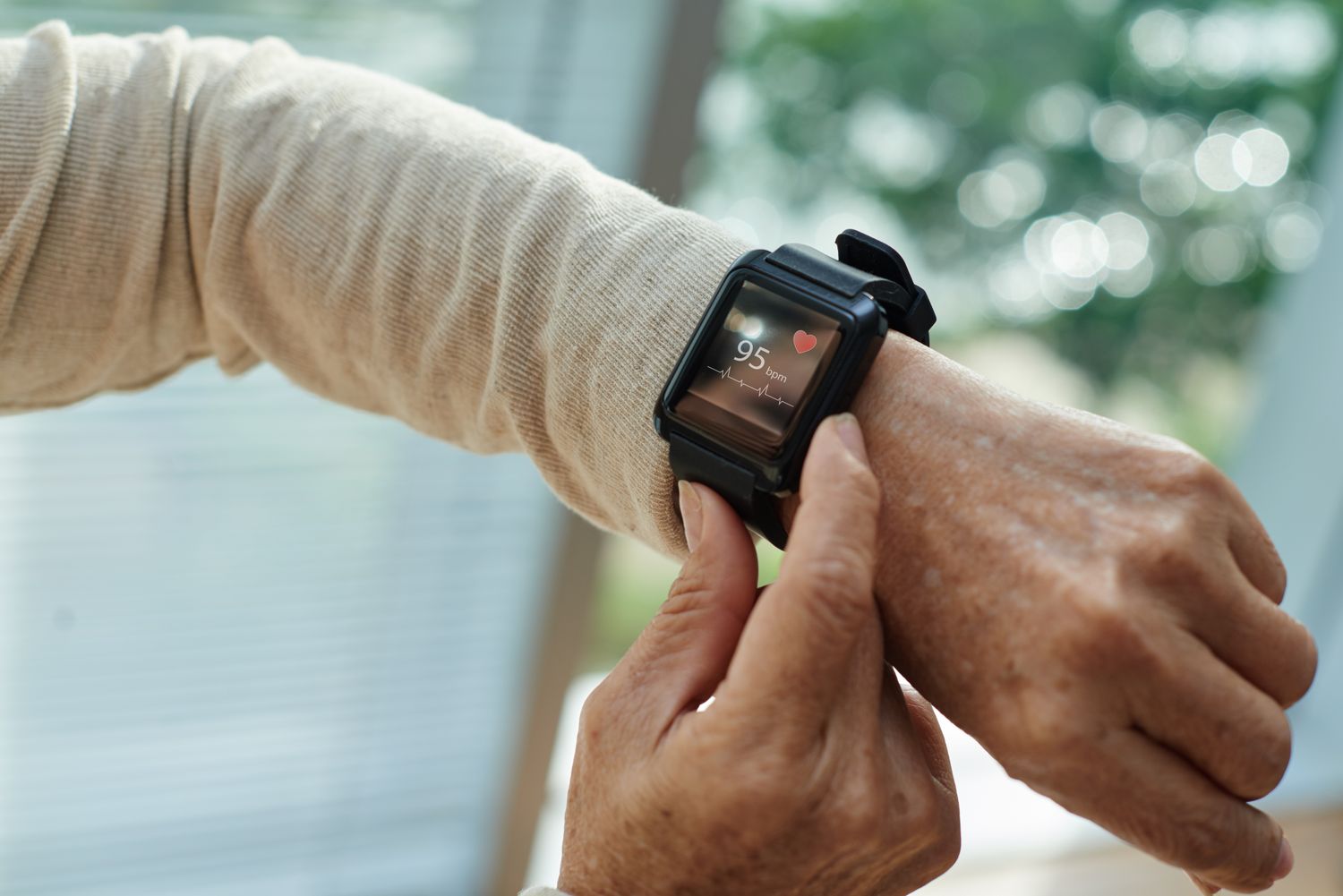
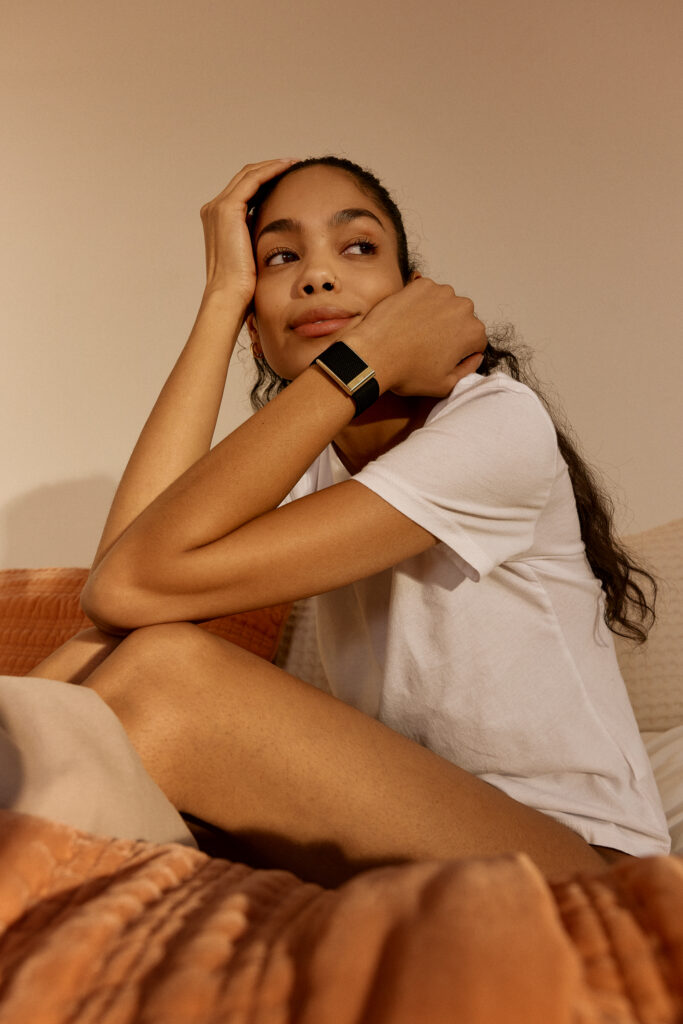
On the other side of the ring is the WHOOP 5.0. While Oura is designed for the general longevity enthusiast, WHOOP is built for the high-performance athlete. The WHOOP vs Oura Ring for sleep insights debate often comes down to how you want to use the data. WHOOP focuses heavily on the Autonomic nervous system, using Heart Rate Variability (HRV) as the primary lever to calculate a daily recovery score. This makes AI sleep tracking for athletic performance recovery much more intuitive for those who need to know if they should push through a heavy squat session or take a total rest day.
Comparison of Technical Specifications
| Feature | Oura Ring 4 | WHOOP 5.0 | Apple Watch Series 10 |
|---|---|---|---|
| Primary Tech | PPG, NTC, SpO2 | PPG, ECG-grade HRV | PPG, Electrical Heart Sensor |
| Battery Life | Up to 8 Days | 5 Days (on-the-go charging) | 18-36 Hours |
| Recovery Metric | Readiness Score | Recovery % | Vital Signs App |
| Unique Feature | Stealth Form Factor | No Screen / Low Distraction | FDA Sleep Apnea Detection |
User Fit: Oura Ring 4
- Best for: Minimalists who want long-term health trends.
- Key Benefit: Extremely comfortable for Sleep latency monitoring.
- Limitation: Not ideal for heavy weightlifting where the ring may scratch.
User Fit: WHOOP 5.0
- Best for: Serious athletes and biohackers.
- Key Benefit: Continuous 24/7 monitoring with zero-gap data collection.
- Limitation: Requires a perpetual subscription to access any data.
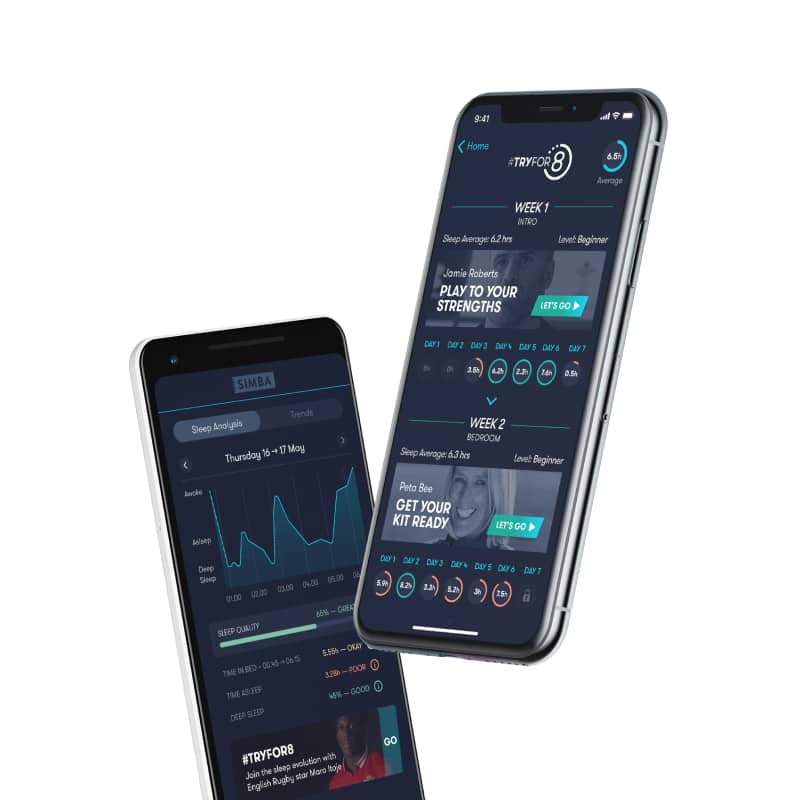
Non-Wearable Alternatives: Under-Mattress Sleep Sensors Comparison
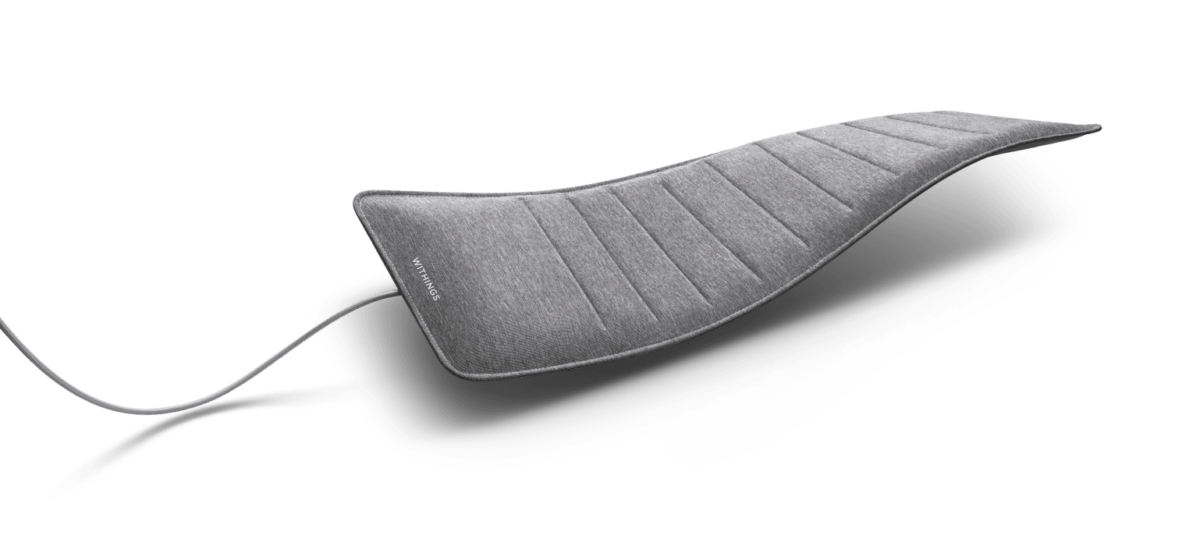
Not everyone wants to wear a device to bed. For many, the sensation of a ring or a wristband is enough to disrupt the very sleep they are trying to monitor. This is where under-mattress sleep sensors come into play. These devices typically use ballistocardiography—measuring the physical movement of the heart and lungs through the mattress—to provide biometric sleep data insights without any skin contact.
The Withings Sleep Analyzer is the standout in the non-wearable under-mattress sleep sensors comparison for 2025. It slides under your mattress and uses pneumatic sensors to track your respiratory rate and heart rate. It is particularly effective at identifying sleep disturbances and is even medically validated for sleep apnea detection in several regions. Meanwhile, high-end options like the Simba Hybrid Ultra incorporate smart mattresses with AI temperature control. These surfaces use AI to adjust the thermal environment in real-time, cooling the bed as you enter deep sleep stages to help maintain a lower core body temperature, which is essential for deep recovery.
The Subscription Reality Check: Hidden Costs of Recovery
The hardware is only half the story. In 2025, most AI sleep trackers have moved to a "Hardware as a Service" model. While the upfront cost might seem manageable, the long-term investment in these AI sleep coaching apps for circadian rhythm can be significant. When choosing a device, you must consider the Total Cost of Ownership (TCO).
| Device | Upfront Cost | Monthly Subscription | 2-Year Total Cost |
|---|---|---|---|
| Oura Ring 4 | $349 | $5.99 | $492.76 |
| WHOOP 5.0 | $0 (included) | $30.00 | $720.00 |
| Withings Sleep | $129 | Optional ($9.95) | $129 - $367.80 |
| Apple Watch S10 | $399 | $0 (for core sleep) | $399.00 |
Most of these subscriptions pay for the cloud-based machine learning algorithms that process your data. Without the subscription, a WHOOP strap becomes a paperweight, and an Oura Ring provides only basic scores without the deep Sleep stages analysis that biohackers crave.
Clinical Reality: Polysomnography Accuracy and Orthosomnia
It is important to manage expectations regarding Polysomnography accuracy. While these AI sleep trackers are incredibly advanced, they are not a replacement for a clinical sleep study. In validation studies, the Oura Ring demonstrated a 79.5% sensitivity for detecting deep sleep, whereas other popular wearables like Fitbit and Apple Watch recorded sensitivities of 61.7% and 50.5% respectively.
However, there is a psychological risk involved in obsessive tracking known as Orthosomnia. This occurs when a user becomes so anxious about achieving "perfect" sleep scores that the stress actually ruins their sleep quality. As a biohacking consultant, I always advise clients to look at 14-day trends rather than nightly fluctuations. If your AI sleep trackers show a dip in HRV one night, it might just be a late meal or a glass of wine; it is the long-term baseline that determines your true recovery status.
FAQ
How do AI sleep trackers work?
These devices use various sensors, primarily PPG for heart rate and accelerometers for movement, to collect raw biometric data. AI algorithms then process this data, comparing it against massive datasets to identify patterns associated with specific sleep stages, such as REM or deep sleep, and provide actionable insights.
How accurate are AI-powered sleep trackers compared to medical tests?
While they are excellent for tracking trends, they are not 100% accurate. Top-tier devices like Oura reach about 79% accuracy for deep sleep stages compared to the clinical gold standard, polysomnography. They are best used for lifestyle adjustments rather than medical diagnosis.
Can AI sleep trackers detect sleep disorders like sleep apnea?
Yes, certain devices like the Withings Sleep Analyzer and the Apple Watch Series 10 have received regulatory clearance to detect signs of sleep apnea by monitoring breathing disturbances and Oxygen saturation (SpO2) levels throughout the night.
Are wearable or non-wearable AI sleep trackers more effective?
Wearables are generally more versatile because they track your activity and strain during the day, which provides context for your sleep. Non-wearable under-mattress sleep sensors are better for people who find wearables uncomfortable and specifically want to monitor the sleep environment and respiratory health.
Do AI sleep trackers require a monthly subscription for full features?
Most leading devices, including Oura and WHOOP, require a monthly or annual subscription to unlock the advanced AI coaching and detailed biometric breakdowns. Without these, you often only receive very basic data or no data at all.
Final Verdict: Choosing Your Recovery Partner
If you are an athlete focused on AI sleep tracking for athletic performance recovery, the WHOOP 5.0 is the superior choice due to its high-frequency data and recovery focus. For the average professional looking to optimize their longevity and daily focus, the Oura Ring 4 offers the best balance of style, comfort, and Sleep stages analysis. If you simply want to monitor your health without wearing a gadget, the Withings Sleep Analyzer remains the best non-intrusive option. Ultimately, the best tool is the one you will actually use every night, as consistency is the only way to build a reliable map of your biology.