Quick Facts
- Primary Benefit: Berberine is ideally suited for managing metabolic syndrome and long-term glycemic control, while bitter melon excels at managing postprandial glucose spikes after meals.
- Clinical Efficacy: Research indicates that berberine supplementation can reduce HbA1c by an average of 0.73%, whereas bitter melon typically shows a more modest reduction of approximately 0.38%.
- Biological Mechanism: Berberine acts as a potent AMPK activator to improve insulin sensitivity; bitter melon contains insulin-mimetic compounds like polypeptide-p that assist in glucose disposal.
- Safety Profile: Berberine is generally safe but often requires a titration period to avoid GI upset. Bitter melon requires caution regarding liver health and is strictly contraindicated for individuals with G6PD deficiency.
- Synergistic Potential: Many modern blood sugar supplements combine both botanicals to create a comprehensive approach, often alongside secondary ingredients like cinnamon or gymnema sylvestre.
| Feature | Berberine | Bitter Melon (Momordica charantia) |
|---|---|---|
| Main Target | Fasting glucose and HbA1c | Post-meal glucose spikes |
| Key Compound | Isoquinoline alkaloid | Charantin, Polypeptide-p |
| Common Dosage | 500 mg, 2-3 times daily | 500 mg – 2,000 mg daily |
| Metabolic Impact | Mimics metformin effects | Mimics insulin effects |
| Weight Influence | High (AMPK activation) | Moderate (improved carbohydrate metabolism) |
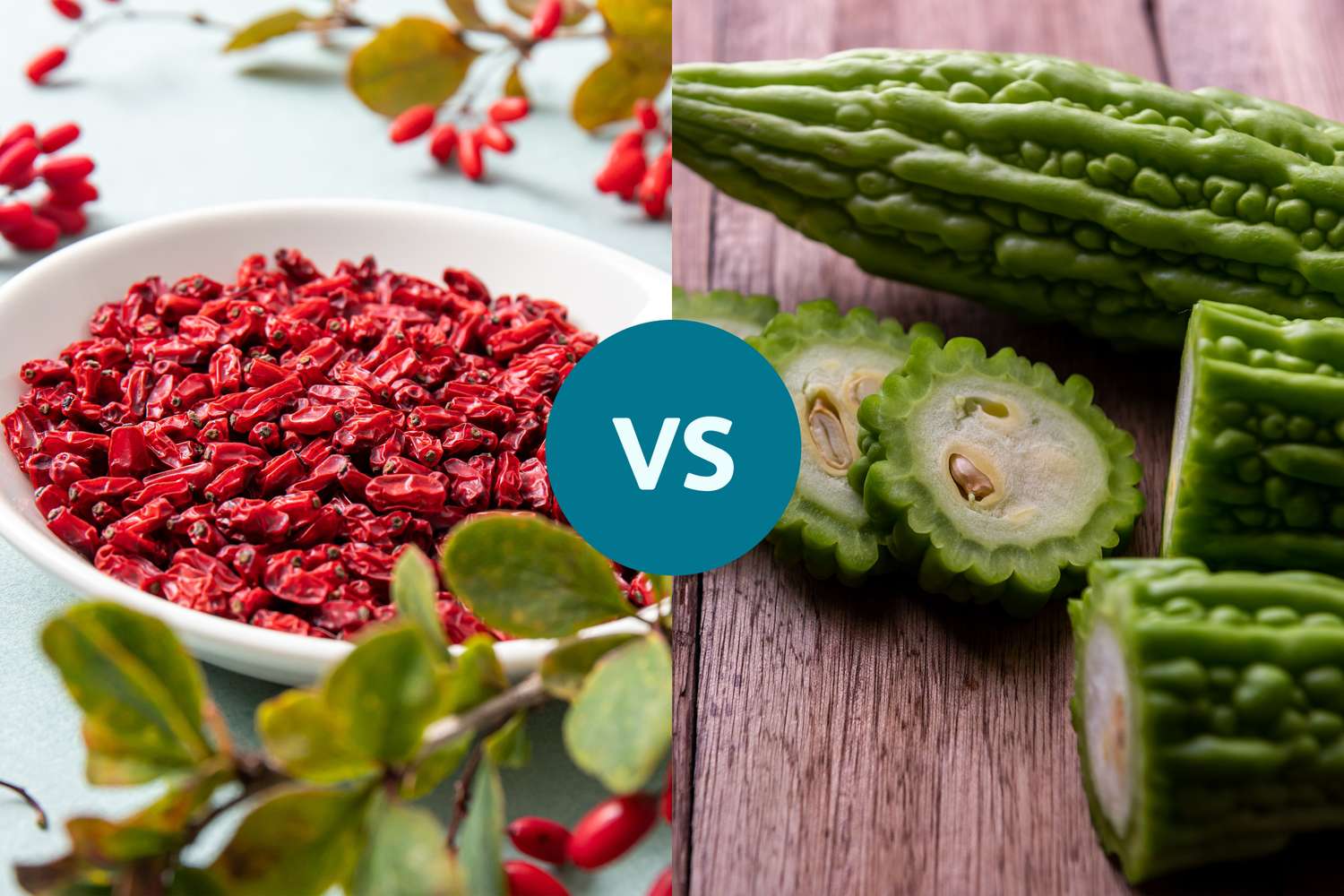
Choosing between berberine and bitter melon often comes down to your specific metabolic needs, as both blood sugar supplements target glucose regulation through distinct physiological pathways. While berberine vs bitter melon for blood sugar is a common debate, berberine functions primarily as an AMPK activator to reduce hepatic glucose production, whereas bitter melon acts as an insulin-mimetic to help cells absorb sugar from the bloodstream more effectively.
Mechanisms: How They Regulate Glucose
Understanding the internal chemistry of these botanicals is essential for selecting the best supplements to control blood sugar. Beyond the lab, these two plants interact with our cells in fundamentally different ways. Berberine is an alkaloid extracted from plants like Goldenseal and Barberry. Its most significant role is the activation of adenosine monophosphate-activated protein kinase, or AMPK. Often referred to as a metabolic master switch, AMPK activation enhances insulin sensitivity and forces the body to burn glucose and fats more efficiently.
Furthermore, berberine specifically targets gluconeogenesis in the liver. By inhibiting the liver's ability to produce excess glucose, it stabilizes the baseline sugar levels that often remain high in those with insulin resistance. This makes it a foundational tool for those dealing with metabolic syndrome where fasting glucose is chronically elevated.
Bitter melon, or Momordica charantia, operates through a more direct "replacement" strategy. It contains at least three active substances with anti-diabetic properties, including charantin, vicine, and an insulin-like compound known as polypeptide-p. These compounds act as insulin-mimetics, essentially mimicking the role of your body's naturally produced insulin to facilitate glucose uptake into the muscles and fat tissues. While berberine focuses on hepatic health and systemic sensitivity, bitter melon provides a localized boost to the way your body processes carbohydrates immediately following a meal, supporting the pancreatic function without overtaxing it.
Clinical Evidence: Berberine vs. Bitter Melon Head to Head
When we transition from theory to clinical reality, the data reveals a clear hierarchy in potency for systemic glycemic control. A comprehensive meta-analysis of 46 clinical trials found that berberine supplementation reduced glycated hemoglobin (HbA1c) by an average of 0.73% and fasting blood glucose by 15 mg/dL. In a clinical setting, a daily dosage of 1,000 mg of berberine can lower fasting blood sugar levels by up to 20%, making it a formidable tool for those looking for supplements for blood sugar management that offer comparable efficacy to standard pharmaceuticals.
In comparison, the evidence for bitter melon shows it to be a effective but milder intervention. A 2024 meta-analysis of eight randomized controlled trials determined that bitter melon was associated with an average reduction of 15.3 mg/dL in fasting blood glucose and 0.38% in HbA1c levels. While the reduction in fasting glucose is statistically significant and almost identical to berberine, the smaller impact on HbA1c suggests that bitter melon may be less effective at maintaining long-term glucose stability over a three-month period.
When looking at berberine vs metformin head to head, several studies suggest that berberine provides nearly identical results in glucose disposal and HbA1c reduction without some of the long-term vitamin B12 depletion risks associated with the drug. However, the bioavailability of berberine remains a challenge. It is poorly absorbed by the intestines, which is why researchers often focus on the best berberine supplement for weight loss that includes delivery enhancers like sodium caprate or liposomal configurations.
Safety and Side Effects: What to Know
As a clinical editor, I must emphasize that "natural" does not mean "free of risk." Both of these botanicals carry specific blood sugar complex side effects that users must monitor. Berberine is notorious for causing gastrointestinal distress, including cramping, diarrhea, and flatulence. These issues are usually a result of its antimicrobial properties affecting the gut microbiome. To mitigate this, practitioners recommend a titration strategy—starting with a low dose and gradually increasing to 1,500 mg daily, split into three doses taken with meals.
Bitter melon carries a more niche but serious set of safety concerns. Users must be aware of bitter melon side effects liver toxicity, which, while rare, has been documented in cases of excessive intake or highly concentrated non-standardized extracts. Furthermore, there is a specific contraindication for individuals with glucose-6-phosphate dehydrogenase (G6PD) deficiency. In these individuals, a compound in bitter melon seeds can trigger favism, leading to hemolytic anemia.
Safety warnings:
- Pregnancy: Berberine can cross the placenta and may cause kernicterus (a type of brain damage) in newborns. Bitter melon has traditionally been used as an abortifacient and should be strictly avoided by pregnant women.
- Drug Interactions: Berberine inhibits the CYP3A4 enzyme, which can significantly alter the metabolism of many prescription medications, including immunosuppressants and blood thinners.
- Hypoglycemia risk: Using supplements to lower blood sugar naturally alongside prescription diabetes medication significantly increases the risk of blood sugar falling too low.
Choosing the Winner: Targeted Recommendations
If your goal is to address weight management and insulin resistance, berberine is objectively the stronger candidate. Its ability to activate AMPK makes it arguably the best berberine supplement for weight loss within this category, as it shifts the body's preference toward fat oxidation. It is frequently the first choice for those dealing with PCOS or metabolic syndrome.
However, if you are primarily concerned with managing the glucose impact of specific high-carb meals or if you prefer a traditional approach with a long history of use in Asian medicine, bitter melon is an excellent choice. Many users find success by taking berberine and bitter melon together. When combined in a single formula, these two botanicals provide a two-pronged attack: berberine manages the baseline and liver production, while bitter melon handles the immediate dietary intake.
These synergistic complexes often include banaba leaf or chromium to further enhance the insulin-signaling pathway. When selecting the best supplements to control blood sugar, look for standardized extracts—specifically 97% berberine HCl and bitter melon extracts standardized for charantin—to ensure you are receiving the dosage validated in clinical literature rather than just ground-up plant material.
FAQ
What is the best supplement for blood sugar?
While the "best" supplement depends on individual health profiles, berberine is currently the most widely researched and most effective botanical for lowering HbA1c and fasting glucose levels, often performing with similar potency to pharmaceutical first-line treatments.
What supplements will help lower blood sugar?
Key supplements include berberine (for insulin sensitivity and liver glucose control), bitter melon (for mimicking insulin), chromium picolinate (for enhancing insulin receptor function), and cinnamon (for slowing gastric emptying and glucose absorption).
What stabilizes blood sugar immediately?
Few oral supplements work "immediately" in the way that rapid-acting insulin does. However, bitter melon is one of the faster-acting botanicals for postprandial control. Fiber supplements, such as glucomannan, can also help stabilize blood sugar by slowing the absorption of carbohydrates during a meal.
What do Japanese take for diabetes?
In traditional Japanese medicine and diet, bitter melon (known as Goya) is frequently consumed as both a food and a medicinal extract to manage glucose. Additionally, Mulberry leaf (Morus alba) is a popular traditional choice in Japan for inhibiting the enzymes that break down carbohydrates into simple sugars.