Quick Facts
- Best Overall Accuracy: Dexcom G7 (8.2% MARD score)
- Best for Longevity: Eversense 365 (1-year implantable sensor)
- Best OTC for Wellness: Dexcom Stelo ($89/month subscription)
- Lightest Design: FreeStyle Libre 3 Plus (1g weight)
- Fastest Warm-Up: Dexcom G7 (30 minutes)
- Top Value OTC: Abbott Lingo ($49 per sensor)
- Market Snapshot: Abbott and Dexcom controlled 91% of the 2024 CGM market.
Choosing the best glucose monitor in 2026 depends on whether you need medical-grade accuracy for insulin management or an OTC wearable for biohacking metabolic health. This guide reviews the top 7 CGMs based on MARD scores and real-time connectivity to help you find the best glucose monitor wearable for your specific biological goals.
Accuracy Benchmarking: Why MARD Scores Matter
In the world of metabolic health, accuracy is measured by the Mean Absolute Relative Difference, or MARD score. As a functional health editor, I look at MARD as the primary validator for any best glucose monitor. A lower percentage indicates a sensor that more closely matches a laboratory blood test. While traditional fingerstick calibration measures capillary blood, these wearables measure glucose in interstitial fluid—the fluid surrounding your cells.
By 2026, the industry has shifted toward longer wear cycles and lower MARD scores. While a MARD under 10% was once the gold standard, the latest best non-invasive blood glucose monitor prototypes and high-end wearables now routinely hit the 8% range. It is important to remember that interstitial fluid readings typically lag behind blood glucose by about 5 to 15 minutes, which is a critical detail for those using these devices for hypoglycemia prevention.
| Device | MARD Score | Warm-Up Time | Weight | Sensor Life |
|---|---|---|---|---|
| Dexcom G7 | 8.2% | 30 Minutes | 2g | 10 Days |
| FreeStyle Libre 3 Plus | 8.9% | 60 Minutes | 1g | 15 Days |
| Eversense 365 | 8.5% | 24 Hours (initial) | N/A (Internal) | 365 Days |
| Dexcom Stelo | 9.0% | 30 Minutes | 2g | 15 Days |
Top 4 Prescription CGMs for Diabetes Management
For individuals with type 1 or type 2 diabetes, the sensor is more than a health tracker; it is a life-saving medical tool. The best continuous glucose monitor for clinical use must offer seamless insulin pump connectivity and high-resolution data.
1. Dexcom G7
The Dexcom G7 remains the industry leader for medical-grade performance. It features the fastest warm-up time in the industry at just 30 minutes, allowing users to get back to monitoring almost immediately after a sensor change. It is frequently cited as the best glucose monitor for type 2 diabetes because of its predictive alerts that warn users 20 minutes before a low occurs. The system integrates directly with the Apple Watch, allowing for phone-free monitoring, which is a massive win for active users.
2. FreeStyle Libre 3 Plus
Abbott redesigned the Libre series to be the smallest, most discreet sensor on the market. Weighing about the same as two pennies, it is a favorite for those who prioritize comfort. The Libre 3 Plus has extended its sensor life to 15 days, reducing the frequency of applications. However, users should stay informed on safety updates; in February 2026, certain lots were subject to a voluntary manufacturer recall due to potential sensor inaccuracies at high altitudes. Always check your serial number against the manufacturer database.
Safety/Recall Alert: Abbott issued a targeted recall for FreeStyle Libre 3 sensors manufactured between late 2025 and early 2026. Users should verify their sensor lot numbers via the Abbott website to ensure their device is performing within the expected MARD range.
3. Eversense 365
The Eversense 365 is a game-changer for longevity. Instead of a patch that you replace every two weeks, this is an implantable sensor placed under the skin of the upper arm by a healthcare provider. It lasts for an entire year. For the biohacker who hates the friction of constant sensor changes, this is the ultimate set-it-and-forget-it solution. It requires a small transmitter to be worn over the site, but the convenience of a 365-day lifespan is unmatched.
4. Medtronic Guardian 4
While often bundled into a best glucose monitor kit with Medtronic insulin pumps, the Guardian 4 is essential for users within the Medtronic ecosystem. Its primary strength is the SmartGuard technology, which automatically adjusts insulin delivery based on the sensor's real-time data. It is highly specialized for those who want a fully closed-loop system to manage glycemic variability without manual intervention.
Top 3 Over-the-Counter (OTC) Wearables for Metabolic Health
The most significant shift in 2026 is the accessibility of the best over the counter continuous glucose monitor options. You no longer need a prescription to track how a sourdough roll affects your insulin sensitivity. These devices are aimed at athletes, those interested in weight loss, and individuals looking to prevent the onset of chronic disease.
5. Dexcom Stelo
Launched as the first FDA-cleared best wearable glucose monitor for non diabetics, the Stelo is stripped of the loud hypoglycemia alarms required for clinical use. It focuses on time in range and postprandial glucose responses. It is the best continuous glucose monitor without insurance for those on a budget, typically offered as a subscription for around $89 per month. The software is designed to translate complex data into simple insights, showing you exactly how your walk after dinner flattened your glucose spike.
6. Abbott Lingo
Lingo is Abbott’s answer to the wellness market. It uses the same high-quality hardware as the Libre 3 but connects to a much more "lifestyle-focused" app. It tracks your glucose spikes over time and gives you a "bioage" based on your metabolic health. As the best glucose monitor for weight loss, Lingo helps users identify "metabolic triggers"—foods that cause a sharp rise in blood sugar followed by a crash, which is often when sugar cravings hit hardest.
7. Nutrisense (Powered by Libre 2/3)
While technically a service combined with a sensor, Nutrisense is a top choice for those who want professional interpretation. When you buy this best glucose monitor kit, you get access to registered dietitians who analyze your data. This is particularly helpful for biohackers who want to fine-tune their fasting protocols or ketogenic diet without guessing.
Biohacking Your Habits: The 90-Minute Coffee Test
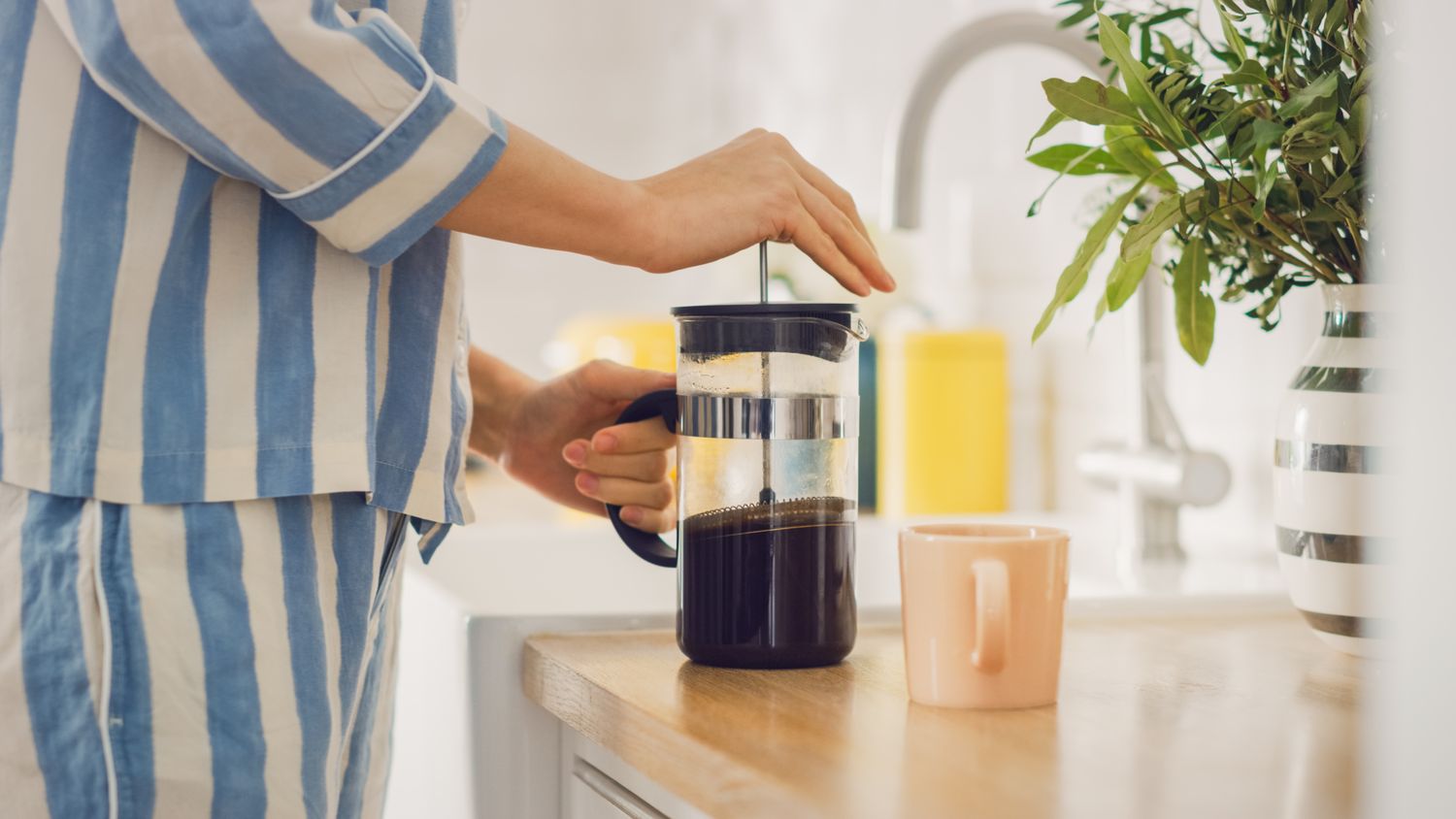
One of the most effective ways to use a best glucose monitor wearable is to test your morning routine. Many optimizers suffer from a spike in blood sugar without eating a single calorie, often due to the cortisol awakening response. I recommend the 90-minute coffee test: wake up, check your smartphone integration for your baseline, and wait 90 minutes before having your first cup of caffeine.
Often, caffeine consumed too early can trigger an exaggerated cortisol response, which tells your liver to dump glucose into the bloodstream. By using real-time notifications, you can find the "goldilocks zone" for your morning brew. If you see a spike above 100 mg/dL from black coffee alone, your body might be under excessive stress.
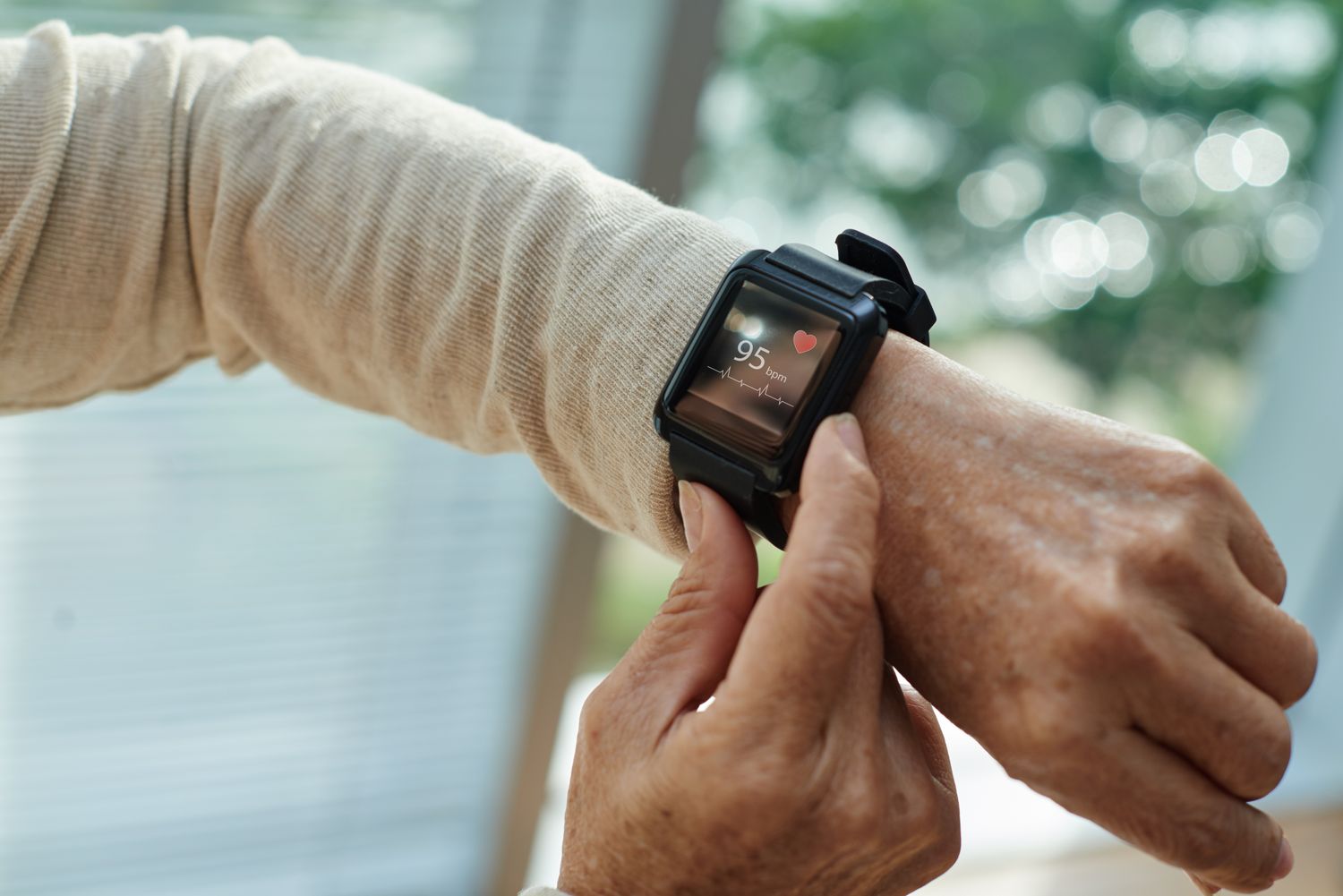
Tracking these trends on your Apple Watch allows for immediate behavioral changes. For instance, seeing a postprandial glucose rise after a high-carb lunch can be the immediate signal you need to take a ten-minute brisk walk, which has been shown to significantly lower the peak of that spike.
Buying Guide: Friction, Battery, and Wearability
When choosing your device, think about the technical friction. A sensor that falls off after five days or takes two hours to warm up can derail your data collection. The global market for wearable continuous glucose monitoring devices was valued at approximately 12.2 billion USD in 2024 and is projected to exceed 30 billion USD by 2033, meaning the technology is getting more robust every year.
Abbott Laboratories and Dexcom dominated the continuous glucose monitoring market in 2024, collectively accounting for more than 91% of global revenue. This dominance is good for consumers because it ensures that most third-party apps and health platforms will work with their hardware.
Consider the following before purchasing:
- Adhesive Strength: If you are a swimmer or heavy sweater, the Dexcom G7 has an improved overpatch included in every box.
- Smartphone Compatibility: Always check if your specific phone model and OS are supported to ensure seamless smartphone integration.
- Cost: If you are paying out of pocket, look at the Lingo or Stelo subscription models, as they are often cheaper than buying medical sensors without a prescription.
Clinical studies found that real-time continuous glucose monitoring users spent an average of 14 hours per day in the target glucose range, compared to 12 hours per day for those using standard finger-stick glucometers. Those extra two hours of stability can lead to significantly higher energy levels and better long-term health outcomes.
FAQ
What is the best and most accurate glucose monitor?
The Dexcom G7 is currently widely regarded as the most accurate wearable due to its 8.2% MARD score. It provides consistent readings and is highly trusted for both clinical diabetes management and high-end metabolic performance tracking.
Which brand is best for a blood sugar monitor?
Market leaders Dexcom and Abbott (FreeStyle Libre) are the top choices. Dexcom is often preferred for its advanced software features and pump connectivity, while Abbott is favored for its smaller sensor size and 15-day wear time.
Why can't I take Tylenol with Dexcom?
Earlier generations of some CGMs could show falsely high readings if the user took acetaminophen (Tylenol) because the drug would oxidize on the sensor's platinum electrode. However, the Dexcom G6 and G7 have been engineered to be clinically immune to standard doses of acetaminophen, though it is always wise to double-check your specific sensor version.
Which is better, Accu-Chek or OneTouch?
Both Accu-Chek and OneTouch are traditional finger-stick monitors rather than continuous wearables. While they are highly accurate for a single point in time, they do not provide the real-time trend data that a CGM offers. Between the two, Accu-Chek is often praised for its strip handling and lancing device comfort, but for 24/7 monitoring, a wearable is superior.