Quick Facts
- Top Pick for Sleep: Magnesium Bisglycinate (Thorne or Ritual)
- Top Pick for Energy: Magnesium Malate (Source Naturals)
- Daily Dosage: 270–400 mg (aligned with NRV standards)
- Expected Timeline: 1–4 weeks for noticeable physiological changes
- Quality Markers: Prioritize products with NSF or USP certifications
- Core Difference: Bisglycinate targets the nervous system; malate targets cellular energy
Magnesium bisglycinate is the best magnesium supplement for sleep and anxiety due to its high bioavailability and GABA support, while magnesium malate is the superior choice for energy and muscle recovery because it aids ATP synthesis. Finding the right balance between these forms is the key to resolving common symptoms like persistent fatigue and nighttime restlessness.
Why Most People Are Deficient: The 2026 Reality
In 2026, the nutritional landscape has shifted significantly. Despite our access to a wide variety of foods, nearly 80% of adults remain magnesium deficient. This is not necessarily due to poor dietary choices, but rather a systemic issue of soil depletion. Modern agricultural practices have stripped the earth of essential minerals, meaning the spinach you eat today may contain only a fraction of the magnesium it did fifty years ago.
Furthermore, our modern lifestyle acts as a magnesium drain. High stress levels trigger the release of cortisol, which causes the kidneys to excrete magnesium at an accelerated rate. I often see patients describing a feeling of being wired but tired—exhausted during the day but unable to shut their brains off at night. This is a classic indicator of low intracellular magnesium.
If you are wondering whether you fall into this category, look for these physical signs of magnesium deficiency in adults:
- Persistent muscle twitches or eye lid spasms
- Restless leg syndrome, particularly in the evening
- Heightened sensitivity to loud noises or stress
- Difficulty staying asleep or frequent nighttime wake-ups
- Unexplained muscle tension and chronic fatigue
It is important to note that standard blood tests are often inaccurate for diagnosing deficiency. Because only about 1% of the body's magnesium is stored in the blood (the rest is in bones and soft tissue), your serum levels might appear normal even when your cells are starving for the mineral.
The Sleep Specialist: Magnesium Bisglycinate
When it comes to nervous system regulation, magnesium bisglycinate (also known as glycinate) is the undisputed gold standard. In this form, magnesium is chelated with glycine, an amino acid that acts as an inhibitory neurotransmitter. This combination creates a powerful synergistic effect that helps the body transition into a restful state.
Clinical research suggests that magnesium supplementation can improve sleep efficiency and reduce sleep onset latency by an average of 17 minutes in older adults. This isn't just about feeling drowsy; it is about the physiological mechanism of GABA neurotransmitter support. By binding to GABA receptors, magnesium bisglycinate helps quiet the central nervous system, making it arguably the best magnesium bisglycinate for sleep and anxiety relief.
A 2025 randomized controlled trial demonstrated that taking 250 mg of magnesium bisglycinate daily for 28 days significantly reduced insomnia severity scores compared to a placebo group in adults with poor sleep quality. This evidence-first approach highlights why this specific form is preferred over cheaper alternatives.

When comparing magnesium glycinate vs citrate for sleep and digestion, it is important to understand the trade-offs. While citrate is effective for constipation, its laxative effect can often disrupt sleep if taken too close to bedtime. Bisglycinate, however, has high bioavailability and is exceptionally gentle on the digestive tract, making it the better choice for overnight use.
Pro Tip: To maximize the sedative effects, take your magnesium bisglycinate approximately 30 to 60 minutes before you intend to sleep. This allows the glycine to cross the blood-brain barrier and begin the relaxation process.
The Energy Engine: Magnesium Malate & Threonate
If your primary goal is combating lethargy, magnesium malate benefits for energy are well-documented in clinical literature. Malic acid is a key player in the Krebs cycle, the series of chemical reactions used by all aerobic organisms to generate energy. By bonding magnesium with malic acid, the supplement directly aids in ATP synthesis, which is the process the body uses to create energy at a cellular level.
This makes magnesium malate benefits for chronic fatigue and energy particularly relevant for those who wake up feeling unrefreshed. Unlike caffeine, which provides a temporary spike and subsequent crash, malate supports the actual production of cellular fuel. It is also highly effective for athletes looking to improve muscle recovery and reduce the soreness associated with lactic acid buildup.
For those dealing with cognitive issues, magnesium threonate for brain fog and cognitive function is a relatively new but promising frontier. Threonate is uniquely capable of crossing the blood-brain barrier effectively, increasing magnesium levels specifically within the brain. This can help with focus, memory, and general mental clarity.

| Magnesium Form | Primary Benefit | Best For |
|---|---|---|
| Bisglycinate | Nervous System Calming | Insomnia, Anxiety, Stress |
| Malate | Cellular Energy Production | Fatigue, Fibromyalgia, Muscle Recovery |
| Threonate | Neuroplasticity | Brain Fog, Memory, Focus |
| Citrate | Osmotic Laxative | Constipation, Regularity |
8 Best Magnesium Supplements of 2026: Expert Picks
Selecting the best magnesium supplements requires looking beyond the marketing hype and focusing on chelated minerals and third-party verification. Here are my top-vetted recommendations for the year.
1. Thorne Magnesium Bisglycinate
Thorne remains a leader in the industry due to its rigorous NSF certification for sport. This powdered formula provides 200mg of elemental magnesium per scoop. It is highly soluble and lacks the "chalky" taste found in many other brands.
2. Ritual BioSeries Magnesium
Ritual uses a time-release technology that is excellent for those who experience digestive sensitivity. Their focus on traceable ingredients ensures you know exactly where your minerals are sourced.
3. Source Naturals Magnesium Malate
This is the premier choice for energy support. Available in high-potency tablets, it is often recommended for individuals managing chronic fatigue symptoms due to its high malic acid content.
4. Life Extension Neuro-Mag (Threonate)
Specifically formulated for brain health, this product uses the patented Magtein form. It is the gold standard for those looking to clear brain fog and support long-term cognitive function.
5. Pure Encapsulations Magnesium (Glycinate)
Known for being hypoallergenic, this is a clean option for those with sensitivities to fillers. It provides a straightforward, highly bioavailable dose of magnesium bisglycinate for sleep.
6. Moon Juice Magnesi-Om
A flavored powder that combines three different types of magnesium supplements (gluconate, acetyl taurate, and citrate) with L-theanine. It is designed as a "beauty-to-sleep" evening ritual.
7. Natural Vitality Calm
While it uses magnesium citrate, this powder is an industry staple for those who need help with both relaxation and digestive regularity.
8. Designs for Health Magnesium Buffered Chelate
This product offers a balanced approach, using a blend of bisglycinate and oxide to provide a high level of elemental magnesium while maintaining digestive comfort.
How to Choose: Bioavailability & Safety
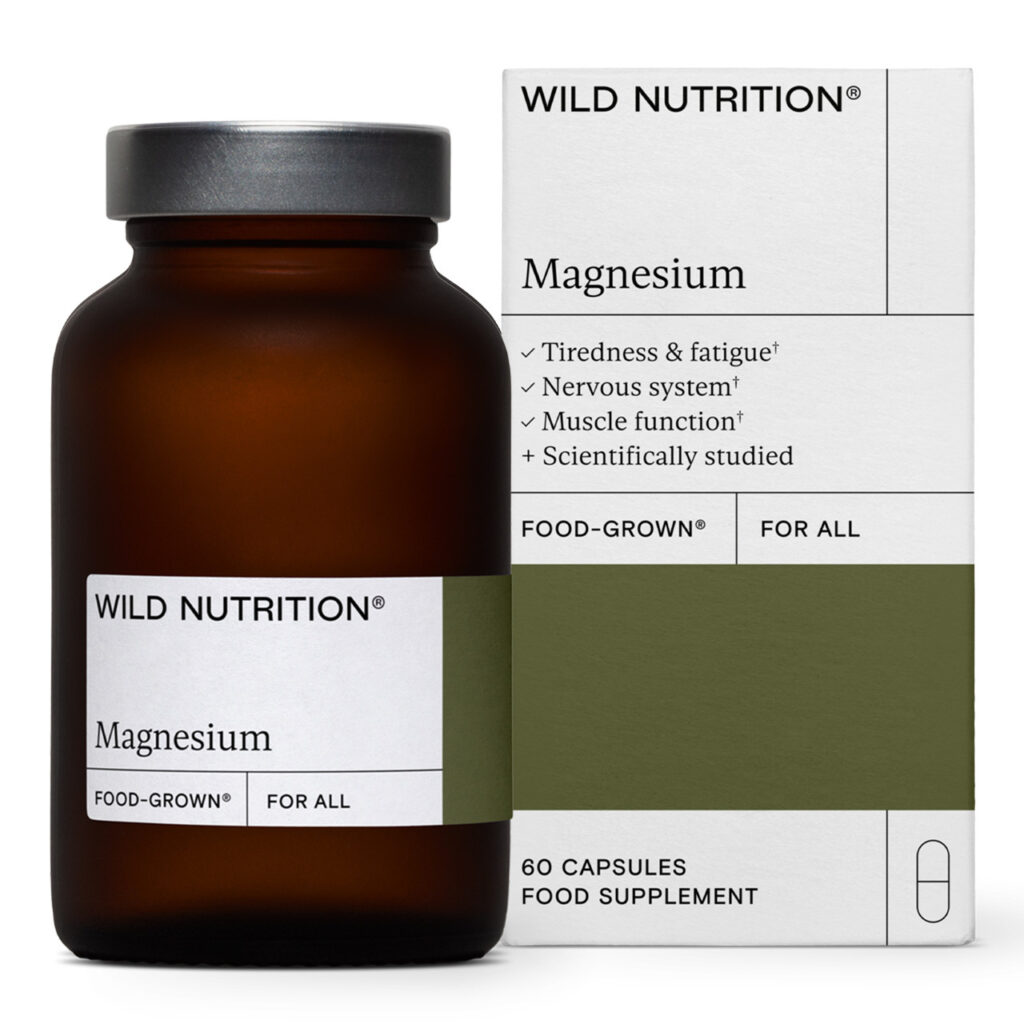
When shopping for the best magnesium supplements, the most common mistake is confusing "compound weight" with "elemental magnesium." For example, a bottle might claim 1,000mg of magnesium bisglycinate, but only 100mg of that is actually elemental magnesium available for your body to use. Always check the supplement facts panel for the word elemental.
Bioavailability is the next priority. Inorganic salts like magnesium oxide have very low absorption rates (around 4%) and often cause diarrhea. Chelated forms, where the mineral is bound to an amino acid, are absorbed much more efficiently by the small intestine.
In terms of safety, the Recommended Dietary Allowance (RDA) for adults is generally between 310mg and 420mg daily. However, the Tolerable Upper Intake Level (UL) for supplemental magnesium is set at 350mg by many health authorities to avoid gastrointestinal side effects. If you are taking high doses for therapeutic reasons, it is essential to do so under medical supervision.
Pro Tip: Always take magnesium with a small amount of food. While bisglycinate is gentle, taking any concentrated mineral on a completely empty stomach can occasionally cause nausea.

FAQ
Which type of magnesium is best for sleep and relaxation?
Magnesium bisglycinate is considered the superior form for sleep. It is chemically bound to glycine, an amino acid that has its own calming effects on the brain. This combination helps lower core body temperature and regulate the parasympathetic nervous system, making it easier to fall asleep and stay in a deep sleep state throughout the night.
What is the difference between magnesium glycinate and magnesium citrate?
The primary difference lies in absorption and intent. Magnesium glycinate is chelated for high bioavailability and is primarily used for its calming, anti-anxiety, and sleep-promoting properties. Magnesium citrate is an osmotic laxative, meaning it pulls water into the intestines. While it can be used for general magnesium status, it is most commonly used to treat constipation.
How much magnesium should I take per day?
For general health, most adults require between 270mg and 400mg of elemental magnesium daily. However, for specific concerns like sleep, clinicians often suggest a dose of 200mg to 300mg taken in the evening. Always consult with a healthcare provider to determine the correct dose for your specific body weight and health status, as how much magnesium should I take for sleep at night can vary based on your existing dietary intake.
What are the signs of a magnesium deficiency?
Physical signs of magnesium deficiency in adults include muscle cramps, involuntary twitches, fatigue, and heart palpitations. Mental symptoms are equally common, such as increased anxiety, irritability, and insomnia. Because magnesium is involved in over 300 enzymatic reactions, a deficiency can manifest in almost any system of the body.
When is the best time of day to take magnesium?
The timing depends on your goal. If you are using magnesium malate for energy and muscle support, it is best taken in the morning or early afternoon to support ATP synthesis throughout the day. If you are using magnesium bisglycinate for sleep, it should be taken about 30 to 60 minutes before bed to take advantage of its nervous system-calming effects.
Consistency is more important than perfect timing. Most people begin to feel the benefits after 1 to 4 weeks of daily supplementation as their intracellular stores slowly replenish. Be patient with the process, and prioritize high-quality, third-party tested formulas to ensure you are getting exactly what is listed on the label.